
Just before Artemis II began its historic slingshot around the moon, Jared Isaacman, the recently confirmed NASA administrator, made a flurry of announcements from the agency’s headquarters in Washington, DC. He said the US would soon undertake far more regular moon missions and establish the foundations for a base at the lunar south pole before the end of the decade. He also affirmed the space agency’s commitment to putting a nuclear reactor on the lunar surface.
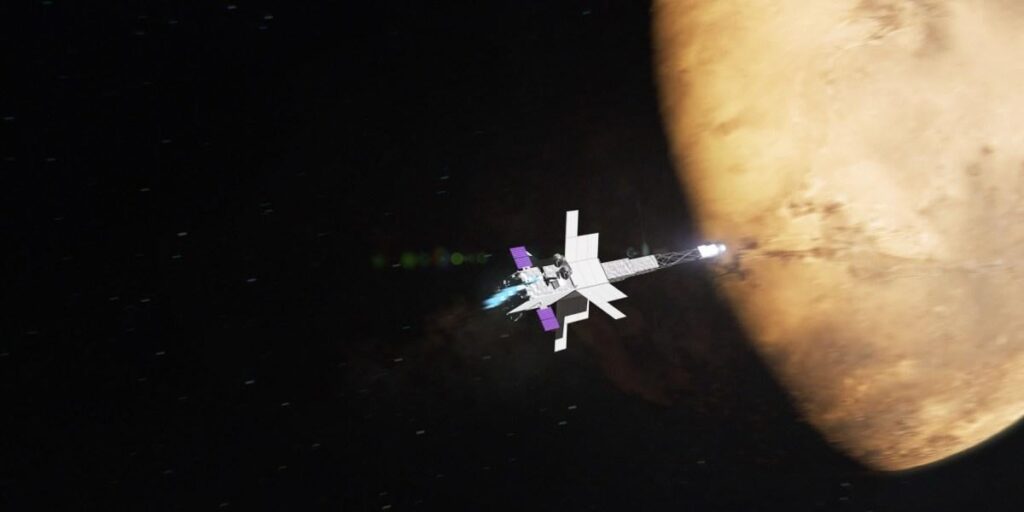
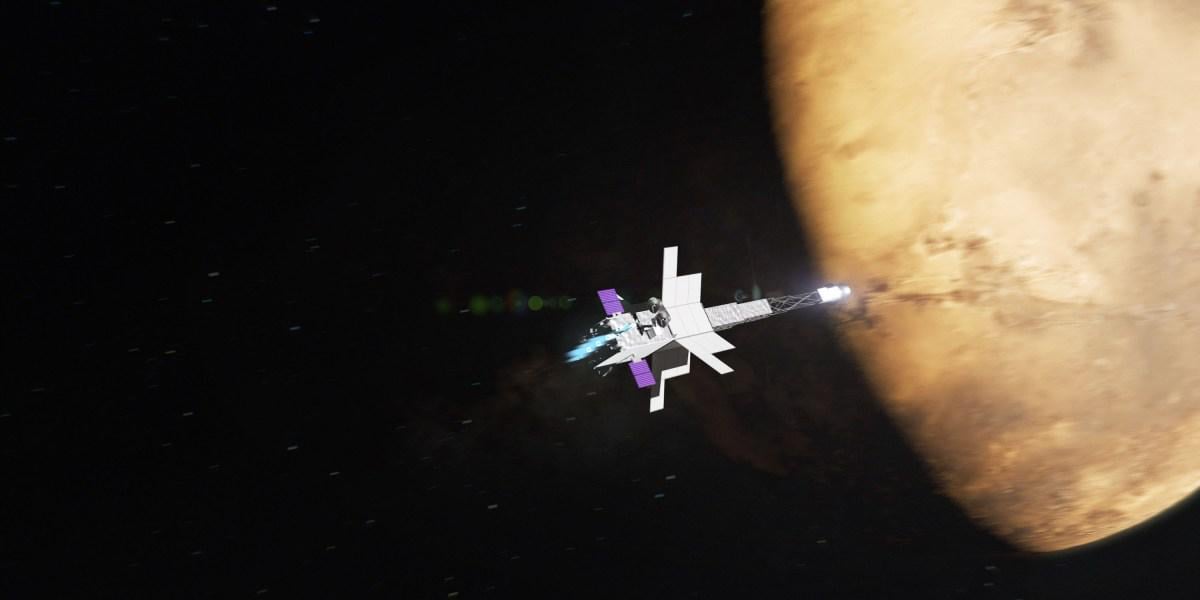
These goals were largely expected—but there was still one surprise. Isaacman also said NASA would build the first-ever nuclear reactor-powered interplanetary spacecraft and fly it to Mars by the end of 2028. It’s called the Space Reactor-1 Freedom, or SR-1 for short.
A successful mission would herald a new era in spaceflight, one in which traveling between Earth, the moon, and Mars would—according to a range of experts—be faster and easier than ever.
Little detail on SR-1 is publicly available, and NASA’s own spaceflight researchers did not respond to requests for comment. But MIT Technology Review spoke to several nuclear power and propulsion experts to find out how the new nuclear-powered spacecraft might work.
by techreview
1 Comment
Im sure they’ll be able to do all of this after Trump yoinked 6 billion dollars from NASA funding.