
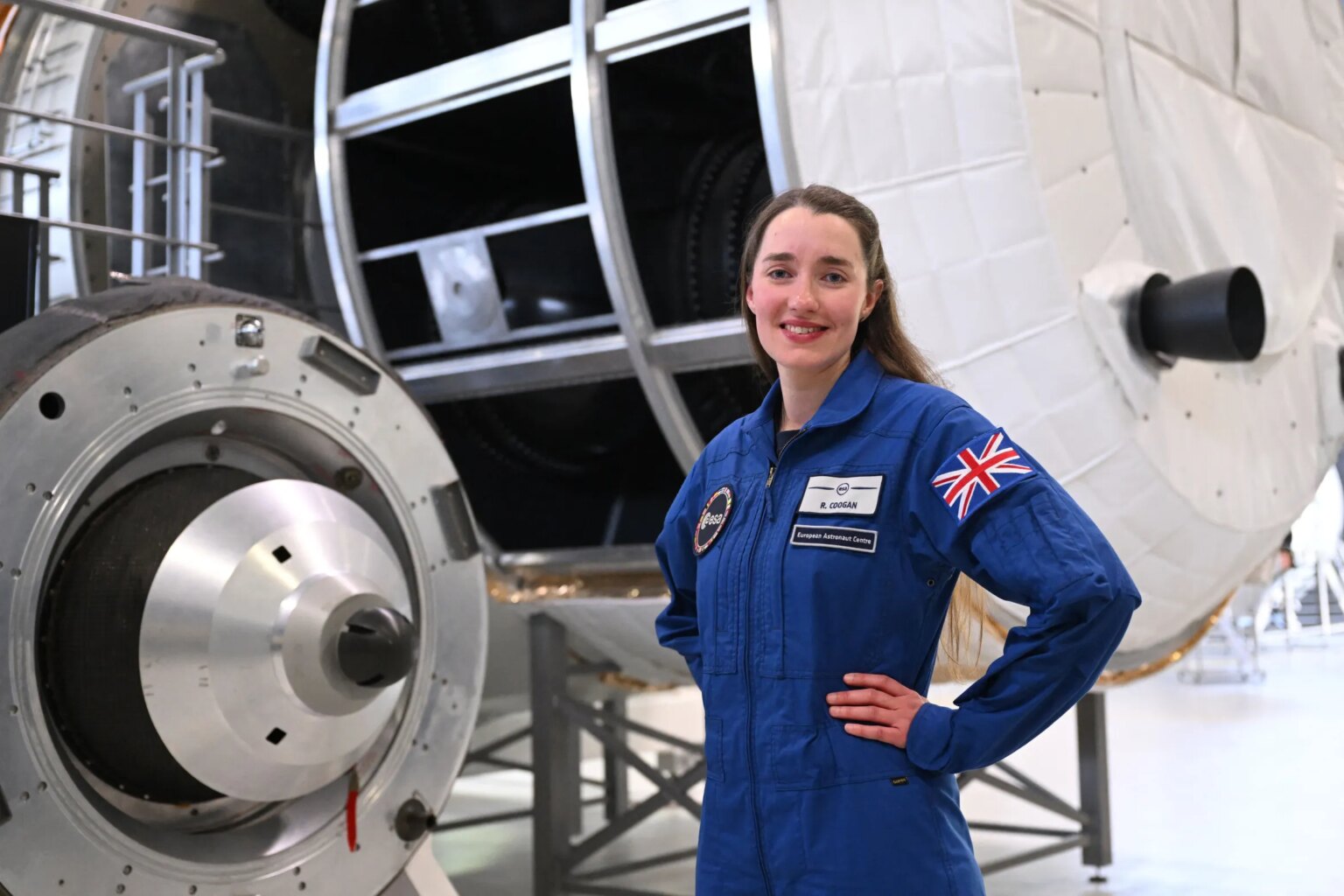
British astronauts are aiming to secure seats on future Artemis missions and even set boots on the lunar surface.
The UK Space Agency’s head of space exploration, Matthew Cook, who was at Cape Canaveral for the launch of the Artemis II mission, said that “there is a case” to be made for Britain to lobby Nasa and the European Space Agency (Esa) to be next in line for a European seat on future Artemis flights.
The missions could carry astronauts to the moon as often as once every six months from 2028, presenting opportunities for British astronauts to follow the American and Canadian crew that has just circled the moon.
Britain’s only full-time serving astronaut, Rosemary Coogan, who was also at the launch, is waiting to be assigned her first mission to space after completing her basic astronaut training with Esa in 2024.
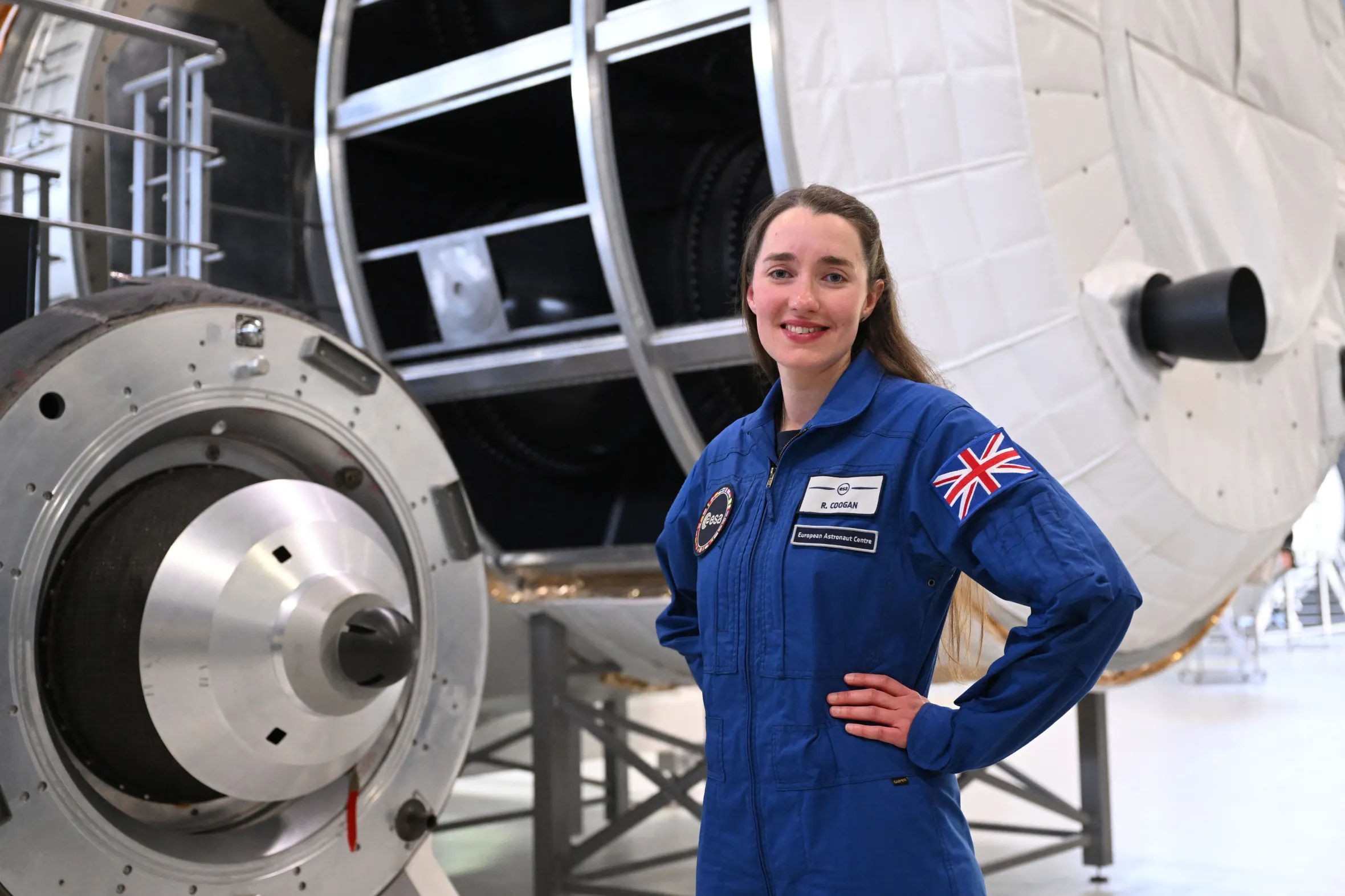 Rosemary Coogan is an astrophysicist and former Royal Navy reservistINA FASSBENDER/AFP/Getty Images
It is not unthinkable that the 34-year-old Northern Ireland native’s first spaceflight could be to the moon, just as it was for the Artemis II mission specialist, Jeremy Hansen.
Coogan, who has a PhD in astronomy and was a Royal Navy reservist before being selected as a “career” astronaut at Esa in 2022, said: “I’d absolutely love to be part of an Artemis mission, I’ve imagined many a time looking up close at the moon or even stepping foot on it, like the pioneers before us.
“I very much hope that we will see a British astronaut on the moon in the years to come. My job is to be ready for any missions that arise, supporting and furthering these endeavours that expand our knowledge of our place in the universe. I can’t wait to see what we learn from Artemis II.”
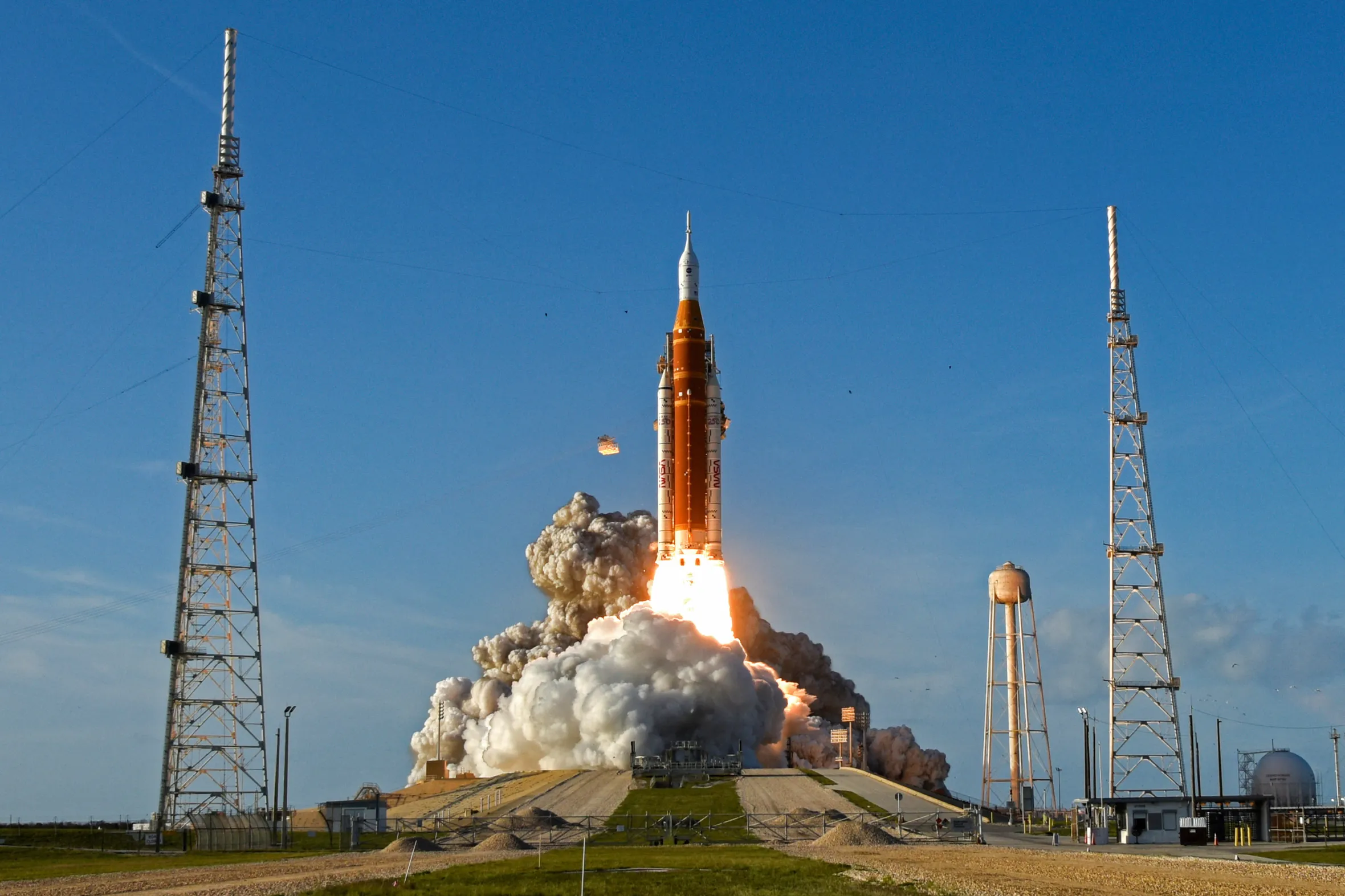 The rocket lifted off from the Kennedy Space Center in Cape Canaveral on April 1Steve Nesius/Reuters
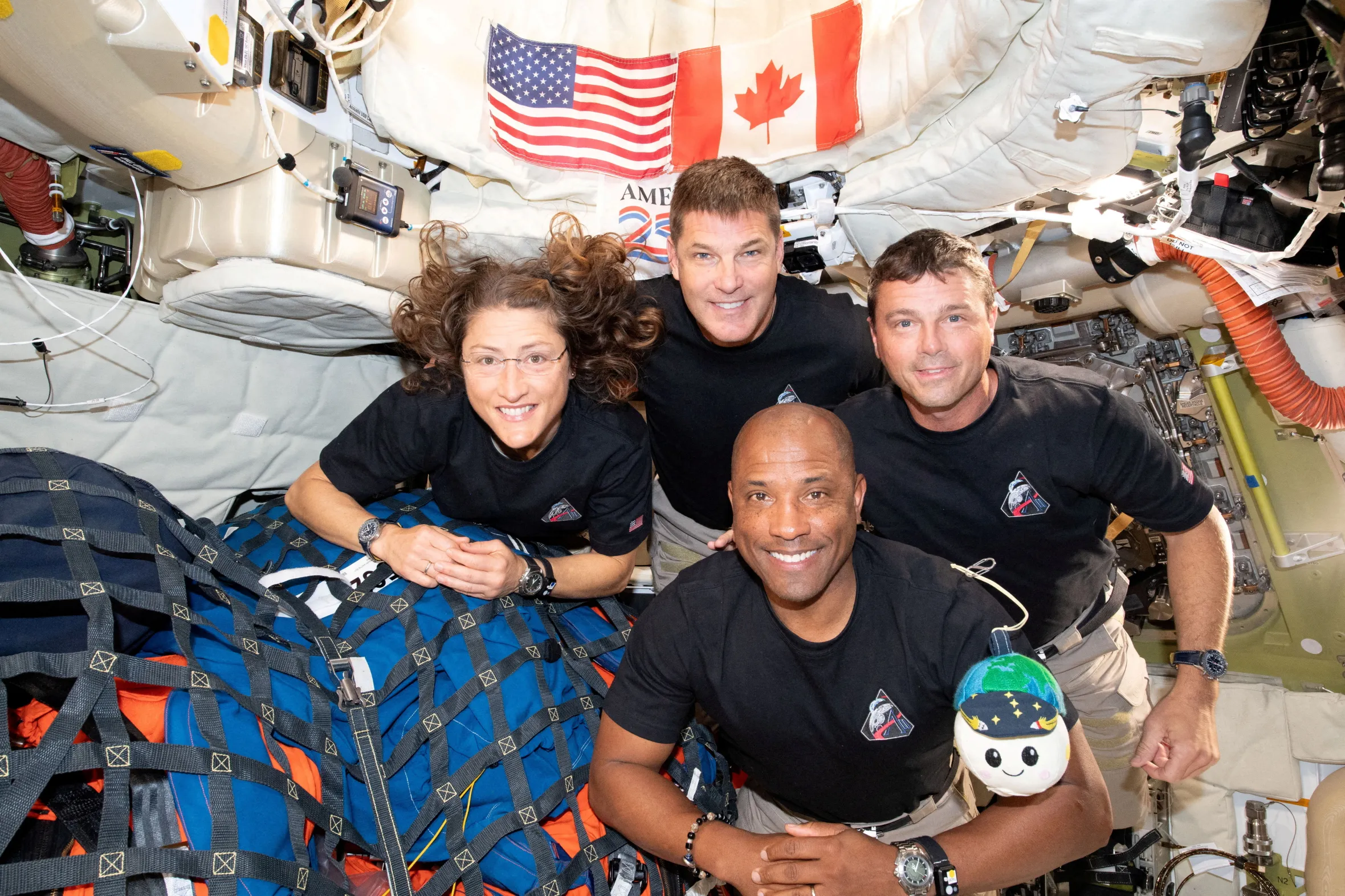 The Artemis II crew return in the Orion spacecraft: mission specialists Christina Koch and Jeremy Hansen, Reid Wiseman, the commander, right, and Victor Glover, the pilot, frontNasa/Reuters
Esa, which built the service module that powered the Orion spacecraft around the moon, has been guaranteed seats on Artemis missions in return for its contribution, at least three initially.
It is understood that a German will get the first of these. Alexander Gerst, a geologist who now serves as an Esa astronaut, is considered a frontrunner. The second and third spots are likely to go to an Italian and a French astronaut.
“Who is fourth to the moon [from Europe] is still up for grabs,” Cook said. “In space exploration, [the UK] is the fourth largest contributor to the programme. So there’s a case. I’m not going to say no to an astronaut flight.”
Britain has committed £2.8 billion to Esa projects over the next decade. A government analysis found that the UK economy reaped £7.49 in rewards for every £1 invested in the space agency.
Alongside Coogan, the former Paralympian John McFall is working as part of Esa’s astronaut corps and has completed the first part of research showing there are no major barriers that should prevent a disabled astronaut from launching into and working in space. Meganne Christian, from Kent, is part of Esa’s reserve group of astronauts.
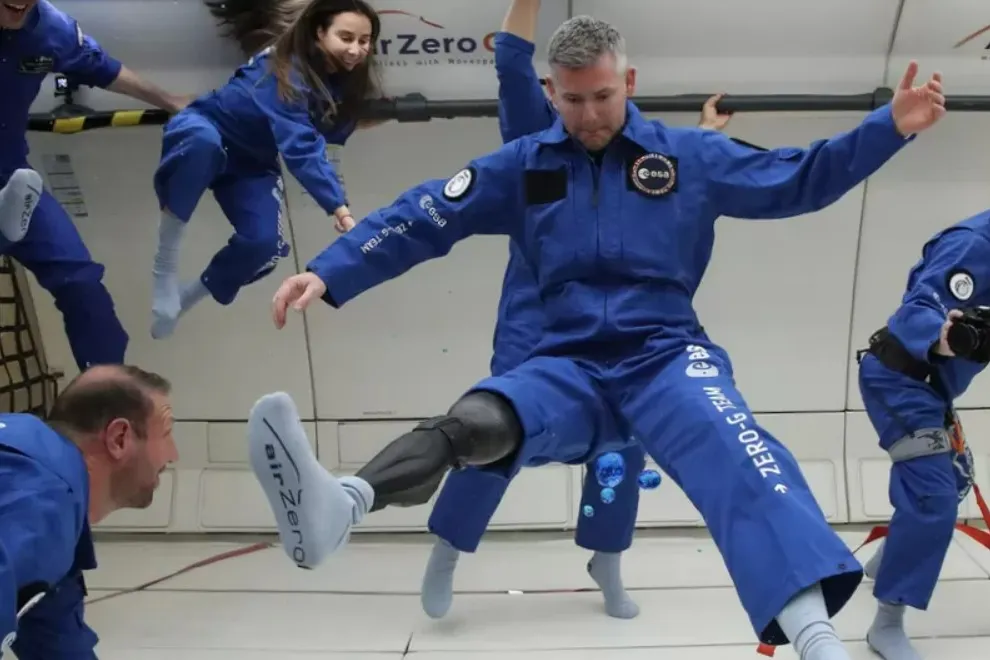 John McFall is Esa’s first para-astronautTony Jolliffe//BBC
“Ideally, we’d get all three of them up into space in the not-too-distant future,” Cook said.
This may be to the International Space Station (ISS) in the first instance, but why not the moon?
Cook added: “My remit includes astronauts, whether that’s in low Earth orbit, or beyond low Earth orbit in the future, anything to do with the moon, either robotic or human, and then of course Mars as well.”
Britain has played a key role in building the Rosalind Franklin rover that will blast off to Mars to look for signs of life in 2028. This month, a crew of microscopic worms launched to the ISS for a research project designed by the universities of Exeter and Leicester.
Britain is also likely to have a lot of technical expertise and materials to offer when Nasa starts to build a moon base, especially as the UK has large reserves of americium-241, a radioactive metal that could help to power and heat a lunar settlement, Cook says.
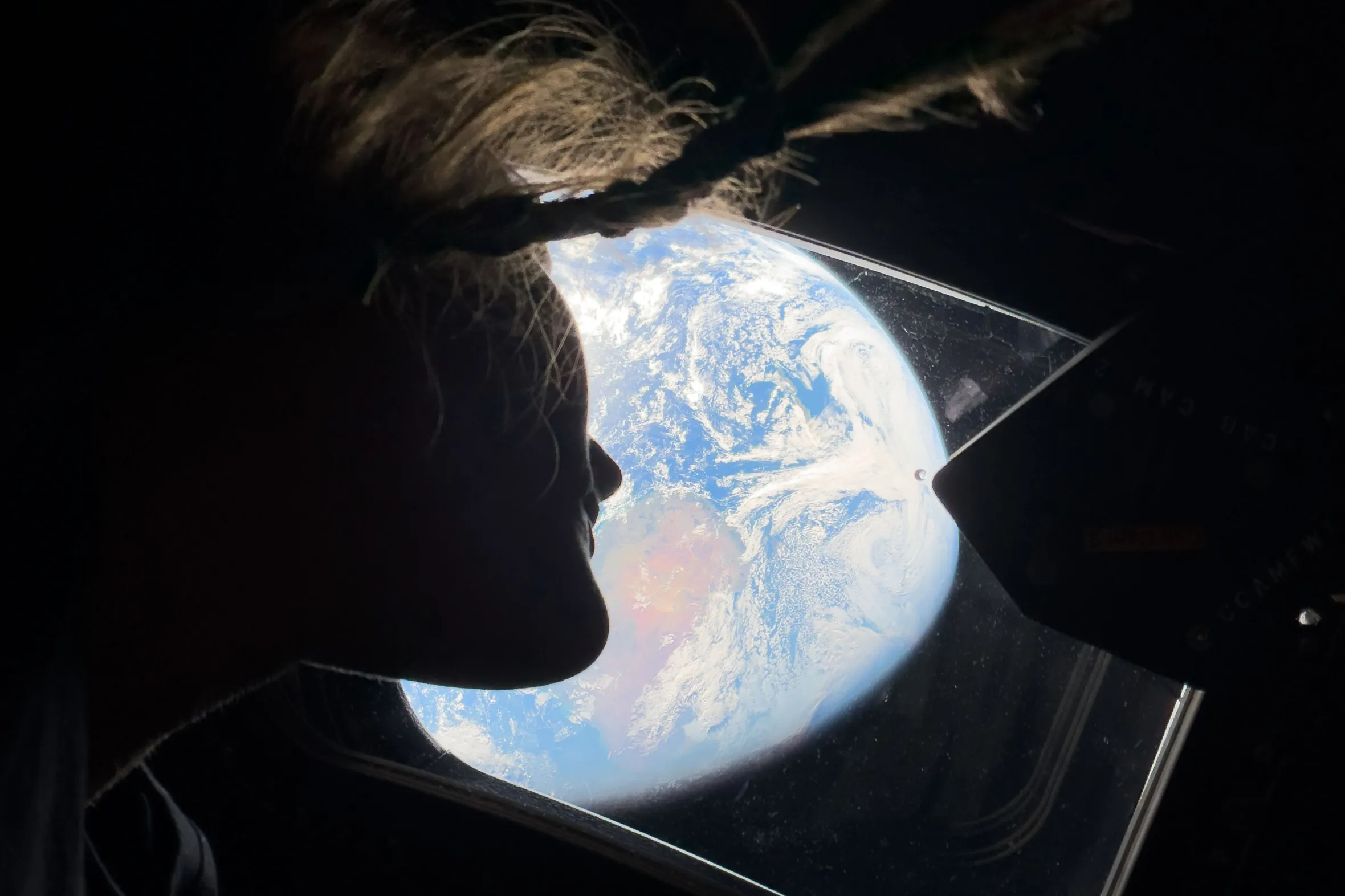 Koch peering back at the Earth NASA/Getty Images
For Britain to invest through Esa in sending human beings to the moon, it would be important to show that there was a “benefit to the average citizen”, he said.
“Seeing Rose or John or Meg on the surface of the moon or even in orbit or just in the vicinity like Artemis II, it sets a tone for future generations,” he said.
“You can’t underestimate the amount of inspiration you can get from seeing people like you do these incredible feats of human exploration.”
Christian said of the Artemis II crew: “I’ll admit to feeling a little envious of Reid [Wiseman], Victor [Glover], Christina [Koch] and Jeremy, but who wouldn’t?
“I can certainly visualise standing on the lunar surface, gazing back at Earth the way I often look up to study the moon … I do hope a British astronaut has that opportunity one day.”