
Link to the science article on the National Geographic website
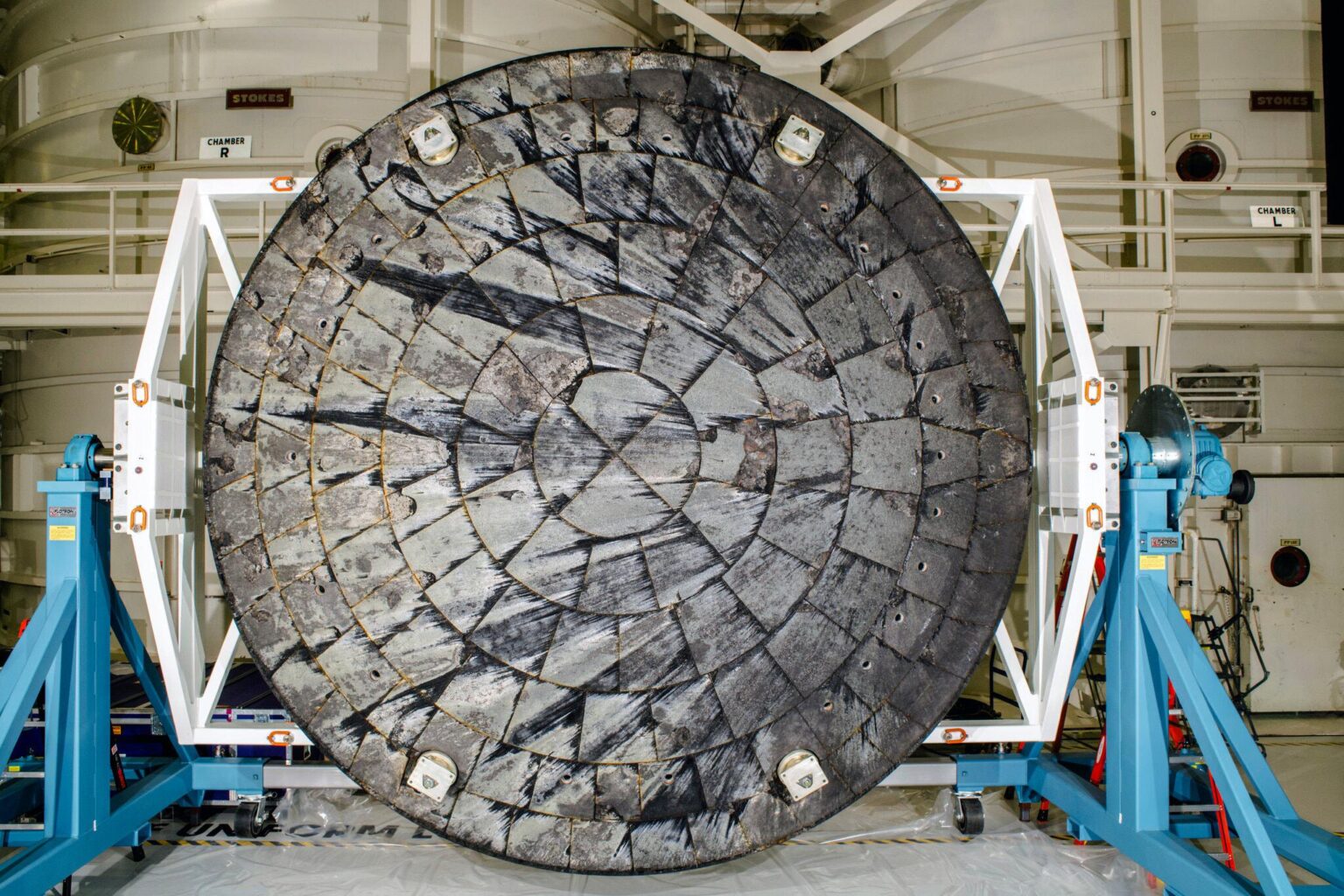
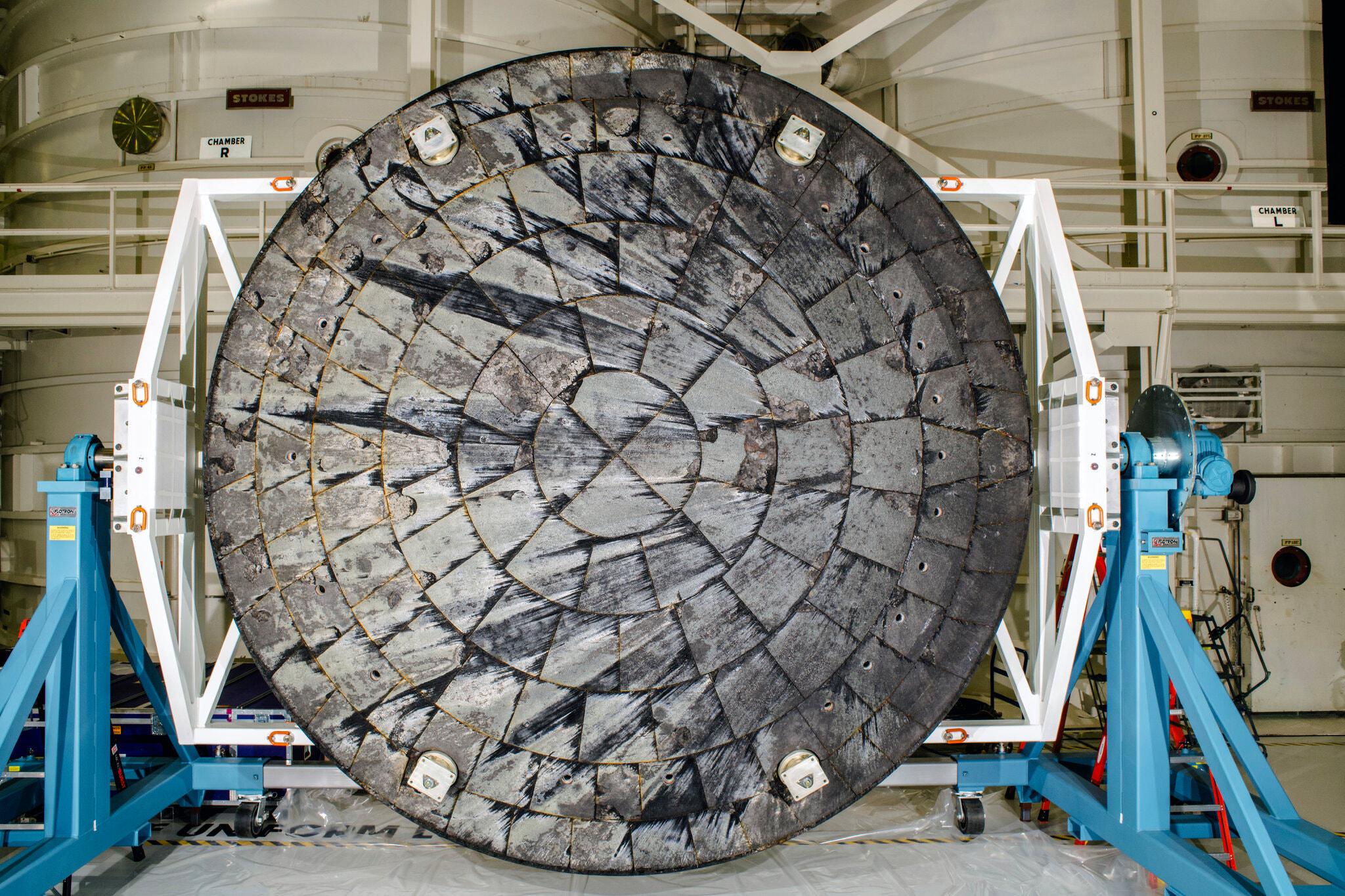
When the uncrewed Artemis I returned to Earth in December 2022, engineers noticed something alarming: the heat shield had cracked in over 100 places and was missing chunks of material.
The heat shield is made of Avcoat — a silica fiber material originally developed for the Apollo program — and works by charring and slowly burning away on the outside, which dissipates the intense heat of reentry. After months of investigation, NASA traced the problem to the shield not being porous enough, causing trapped gases to build up pressure and crack the material during the "skip entry" reentry maneuver, where the capsule briefly bounced back up into space before descending again.
For Artemis II — the first crewed mission — NASA decided not to replace the heat shield, since doing so would cause major delays. Instead, they modified the reentry path to a gentler "lofted entry" that exposes the shield to less heat, reducing the risk of the same cracking occurring. Most experts involved in the review were ultimately persuaded by NASA's worst-case scenario analysis, which showed the crew would survive even if a full block of Avcoat broke off. One former astronaut and heat shield expert, Charles Camarda, remains skeptical, arguing NASA hasn't fully understood the root cause. Still, NASA has cleared Artemis II for flight, and the crew says they're ready.
Image Credit: NASA
by Busy_Yesterday9455
15 Comments
Progress requires sacrifice
They are flying a different re-entry profile to protect against issues like that for Artemis II. However, the scoring and large chunks falling off again are a real possibility.
I’m not sure I would call a deeper re-entry profile “gentler,” but it is theoretically easier on the tiles – which is what I suppose that means.
tfw proven technology is “too expensive” but refurbing SMEs somehow isn’t
What if they do not hit the sweet spot for the “gentle” reentry?
Looks like Shuttle issue. Again
The heat shield was nowhere near failing.
You want dangerous? Look to separation events, parachutes, crew egress.
I’ve been feeding my morbid curiosity and watching all the stuff about columbia and challenger, I really hope they get back safe
Sorry if this is like over simplifying but … like how long have we been designing re entry systems and like how is it possible that this material wasn’t tested / designed / knew of this issue? ELI5 I guess
It is incredible to see the heat shield up close like this. Thinking about those individual tiles being the only thing between the crew and 5,000°F during re-entry really puts the stakes of the mission into perspective.
I love when beurocrats gets into the field
maybe it doesnt improve anything, but at least everything is much more expensive now
and fireworks
Concerns about safety are never wrong, they’re just early.
For God’s sake, I still can’t forget about the O-rings on Challenger and here we go again. Just fix the fucking thing before another disaster!
I mean, they used the most extreme entry profile available to stress test the heat shield. Also that’s where I work!
Wasn’t it because they messed with the design of it and didn’t adjust for how that would affect the performance?