
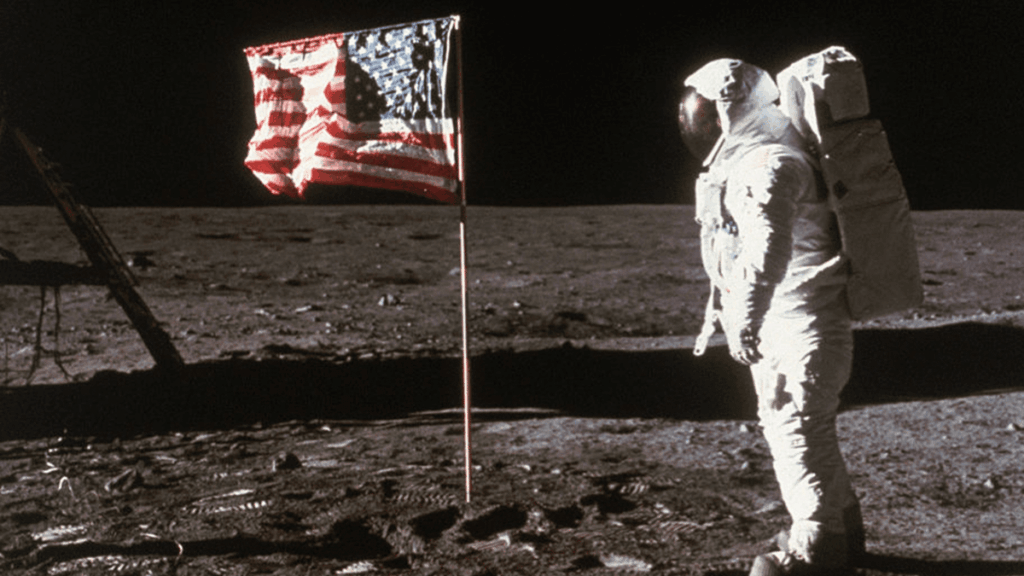
NASA has big plans for the future as the space agency only just recently unveiled a $19 billion project containing a permanent base on the Moon, yet it might be easier said than done as a number of hidden dangers will likely arise.
All eyes are fixed on the sky this week as NASA is set to get one step closer to a dream it has held onto for over half a century, with the Artemis 2 launch bringing astronauts into the Moon‘s orbit.
Plans have been in place at the space agency for a number of years now, and the launch set for tomorrow will be the final test before a landing procedure is finally commissioned, ending decades of embarrassment.
Understandably it’s not just boots on the Moon that’s within NASA’s desires either, as the agency’s administrator Jared Isaacman outlined a bold vision for a permanent base at an event in Washington D.C., as per the Metro.
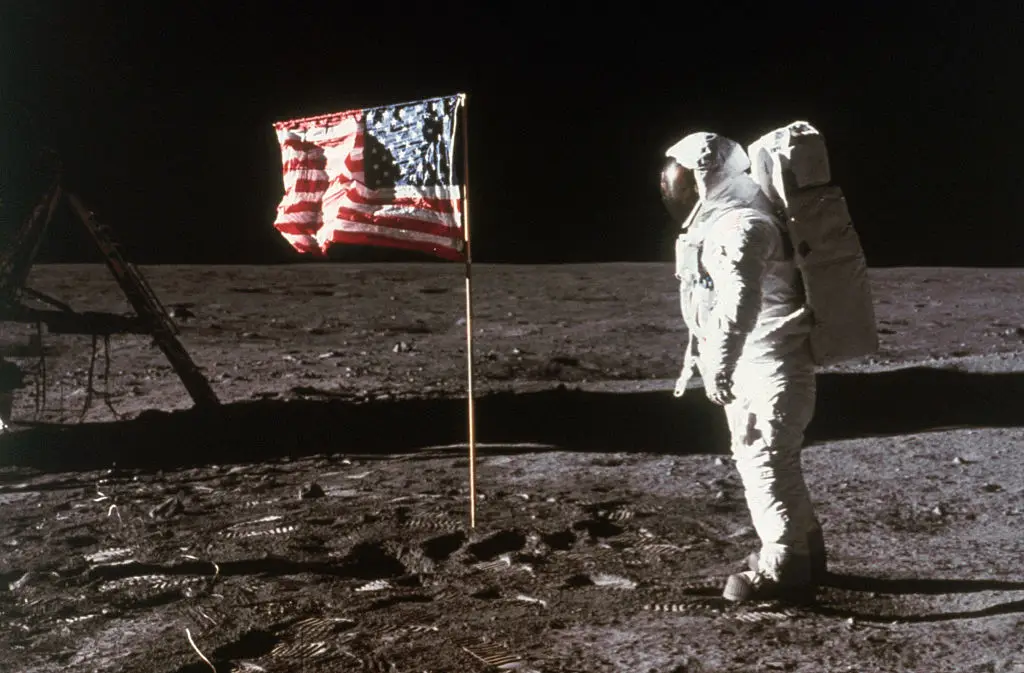 NASA plans to return to the Moon for the first time in over 50 years, adding a base to the already historic achievement (Bettmann/Getty Images)
Costing over $19 billion in total, Isaacman outlined NASA’s commitment to “achieving the near-impossible once again,” by not only landing on the Moon but establishing “an enduring presence, and [doing] the other things needed to ensure American leadership in space.”
He added that upon clearing away “needless obstacles that impede progress […] returning to the Moon and building a base will seem pale in comparison to what we will be capable of accomplishing in the years ahead.”
There are a number of risks that NASA will have to deal with in the completion of this history-making project, however, and many could impede progress and perhaps even call off plans altogether.
One of the biggest concerns the remains a relative unknown is the amount of space radiation that any long-term existence on the Moon would have to deal with, as the space rock has no atmosphere or magnetic field to block cosmic rays and solar particle events.
Sudden spikes caused by just a single solar event could cause dangerous – and potentially lethal – damage to anyone currently staying on the Moon, making both the construction and habitation process a real danger.
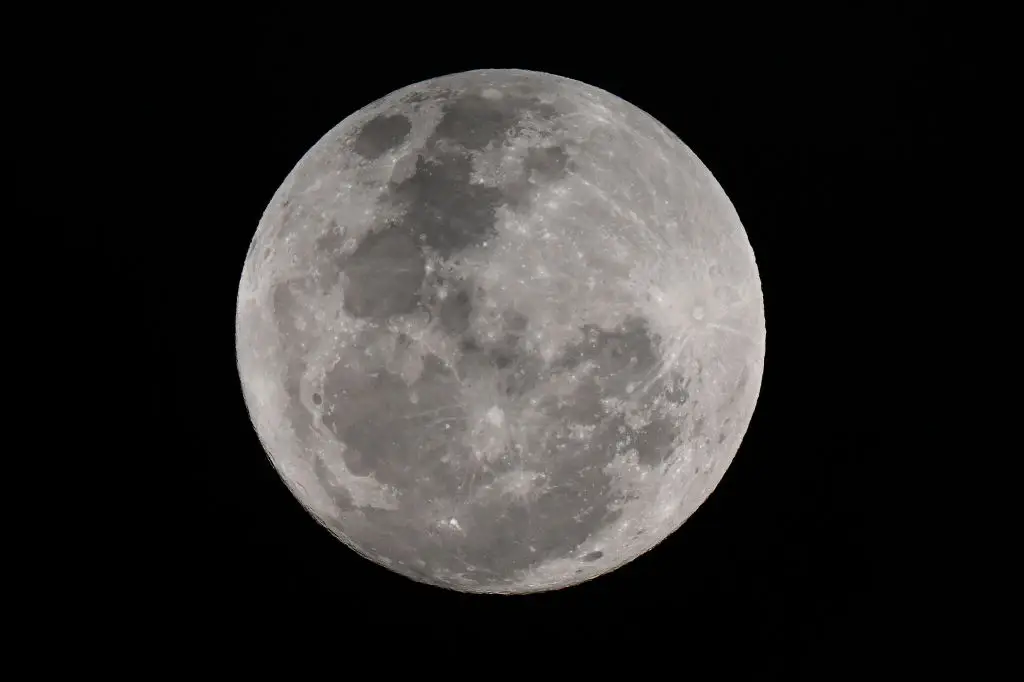 Radiation and lunar dust are two of the biggest threats that NASA will have to deal with upon the construction of a Moon base (Saeed Khan/AFP via Getty Images)
Additionally, anyone staying on the Moon long term will have to deal with lunar dust, as while this threat is somewhat underrated, it’s not something to take lightly.
This not only has the capacity to damage equipment and suits, putting the potential base in jeopardy, but it can also be incredibly harmful if inhaled by humans due to its toxic and sharp particles.
There remains also the existing health risk that astronauts have repeatedly had to deal with upon exposure to zero or low gravity environments, and that will only increase the longer you stay there too.
Only recently did one veteran astronaut have to be rushed back to Earth after he lost his ability to talk, and there’s a chance that more unexplained health issues will arise the longer individuals aim to stay outside of Earth’s atmosphere.