
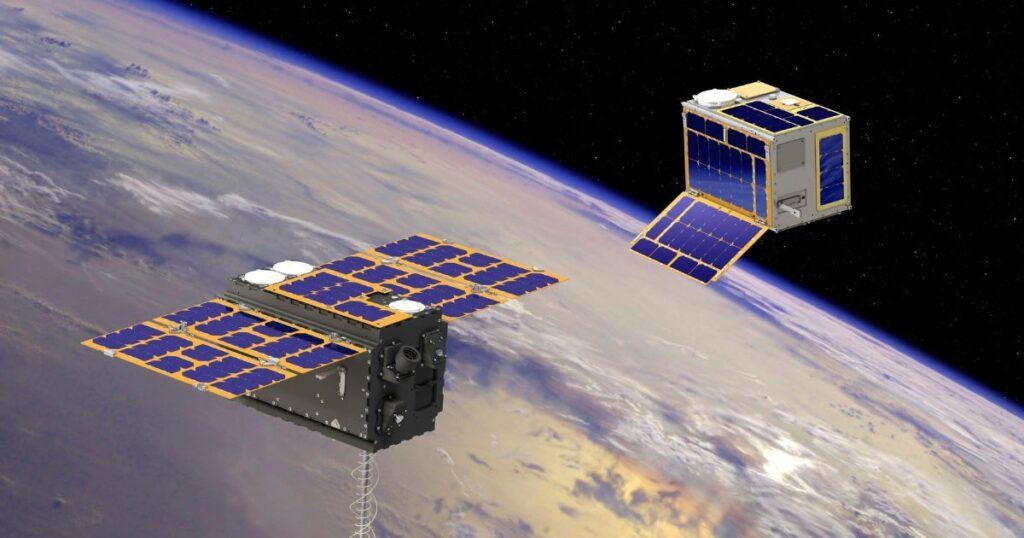
The two satellites were launched into orbit at 10:14 a.m. CET (4:14 a.m. EST) and gracefully separated from the launcher an hour later.
The European Space Agency released the first two satellites of the Celeste in-orbit demonstration mission into space using Rocket Lab’s Electron. It lifted off from New Zealand on March 28, 2026, according to a recent press release. The weather was conducive and did not delay the launch. The two satellites were thrown into orbit at 10:14 a.m CET (4:14 a.m EST) and separated from their launchers an hour later. This mission is a significant step toward bolstering Europe’s vision for resilient satellite navigation, marking a crucial moment in the history of satellite navigation. “The mission will demonstrate how a complementary layer in low Earth orbit can enhance Europe’s current navigation systems, making them more resilient, more robust, and capable of delivering entirely new services,” said Francisco-Javier Benedicto Ruiz, ESA’s Director of Navigation.
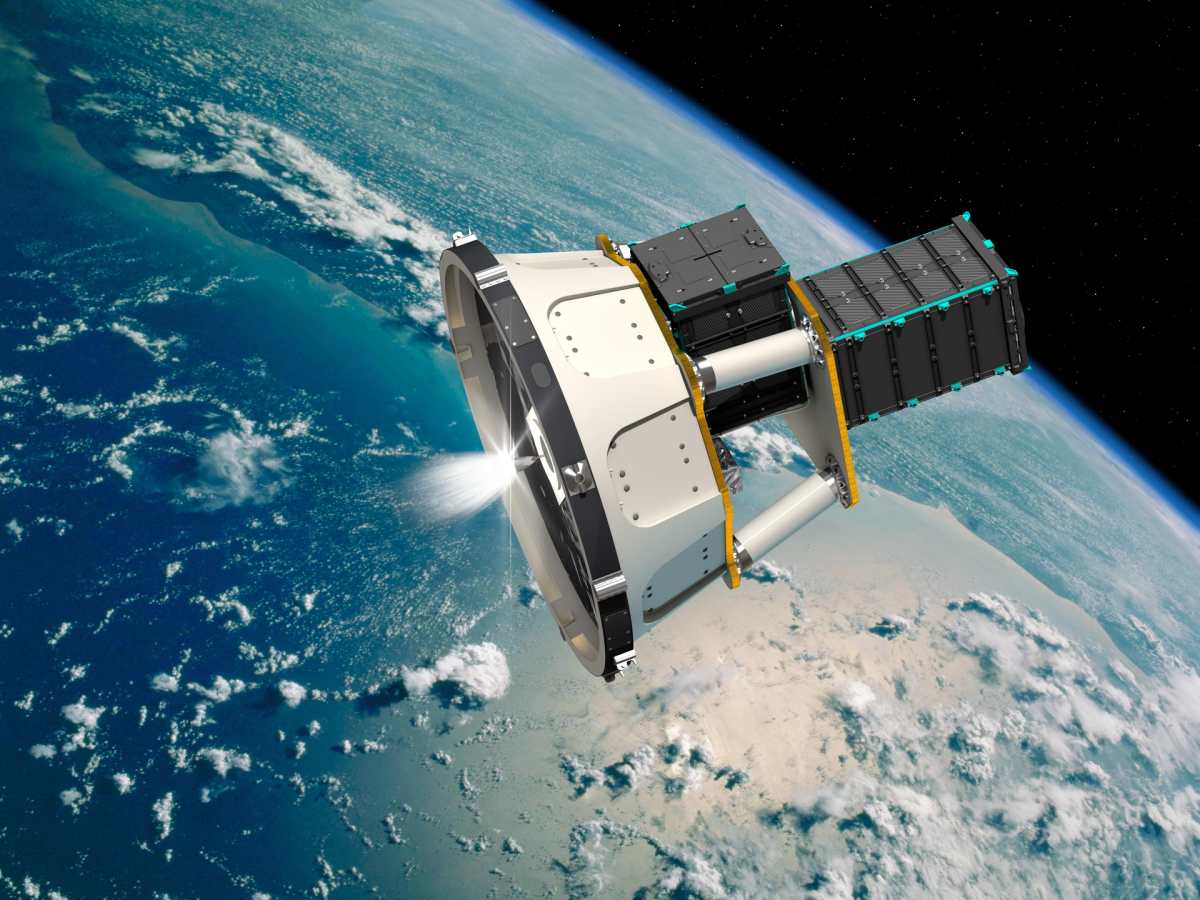
Celeste IOD-1 and 2 on Electron’s kick stage (artist impression). (Representative Image Source: ESA/D.Ducros)
The Celeste mission is part of ESA’s initiative for Low Earth Orbit Positioning, Navigation and Timing (LEO-PNT), which aims to begin examining an additional complementary low Earth orbit layer for the European Global Navigation Satellite System (GNSS), Galileo. Currently in its in-orbit demonstration phase, the satellites have begun their early operations phase, during which mission control will prepare them for life in orbit. This early phase also serves as the genesis of the first stage of the mission, which will feature a demonstration constellation of a total of 11 satellites flying in low Earth orbit that will be testing the intricacies of navigation technologies across frequency bands, user contexts and applications. The additional satellite launches are slated for 2027, paving the way for the mission to reach its full configuration.
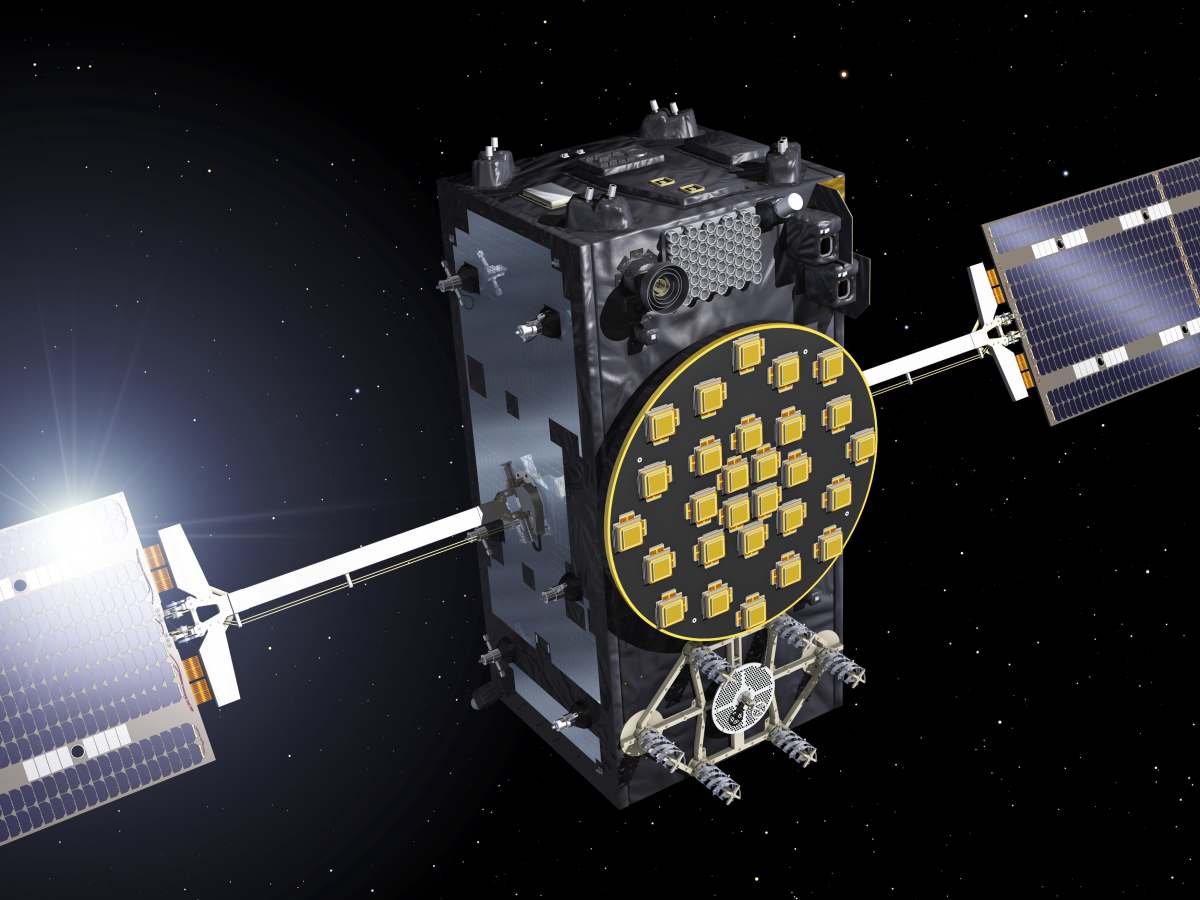
Artist’s view of a Galileo Full Operational Capability (FOC) satellite, with platforms manufactured by OHB in Bremen, Germany, and navigation payloads coming from Surrey Satellite Technology Ltd in Guildford, UK. (Representative Image Source: ESA)
The current duo of sturdy satellites aboard the Celeste mission is built by GMV and Thales Alenia Space, whose job is to validate core technologies, service capabilities, and innovative signals across various frequency spectrums in space. These satellites will be utilizing the required frequencies in L- and S-band signals during the mission’s operational phase, which is in adherence to International Telecommunication Union regulations. As the Celeste mission entails flying closer to Earth, it will open the door to experimenting with various new robust signals and frequencies.
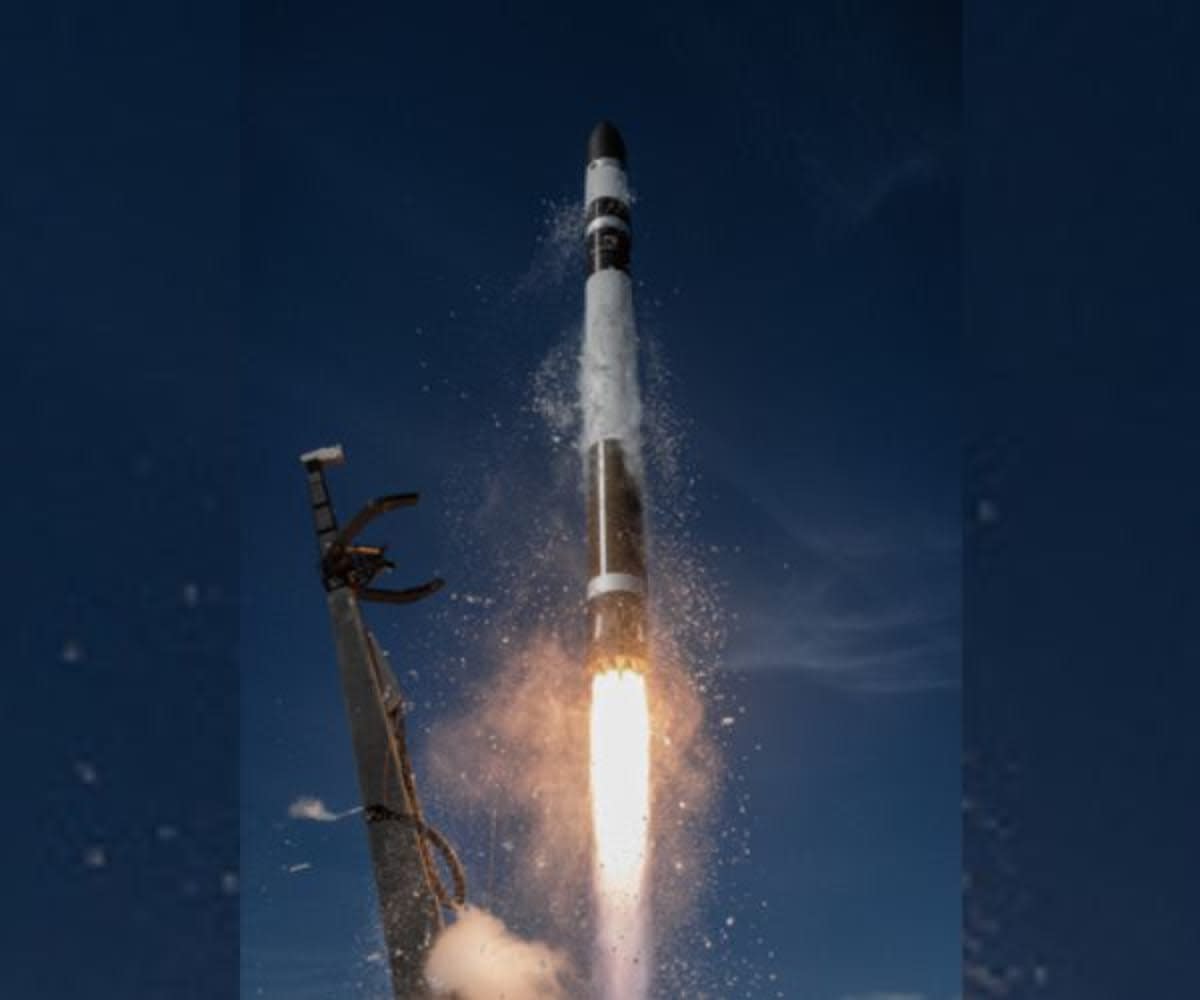
Rocket Lab’s Electron launch for Kineis lifting off from Launch Complex 1 in November 2024. (Representative Image Source: Business Wire)
“With this mission, we are exploring new frontiers for satellite navigation. Celeste will demonstrate how a satellite navigation constellation in low Earth orbit can complement Europe’s current Galileo system in medium Earth orbit. Celeste was among the first ESA missions to embrace a New Space-inspired development approach, enabling faster and more flexible deployment of satellites and technical capabilities, and ultimately ensuring Europe stays at the forefront of innovation in satellite navigation,” said ESA Director General Josef Aschbacher.
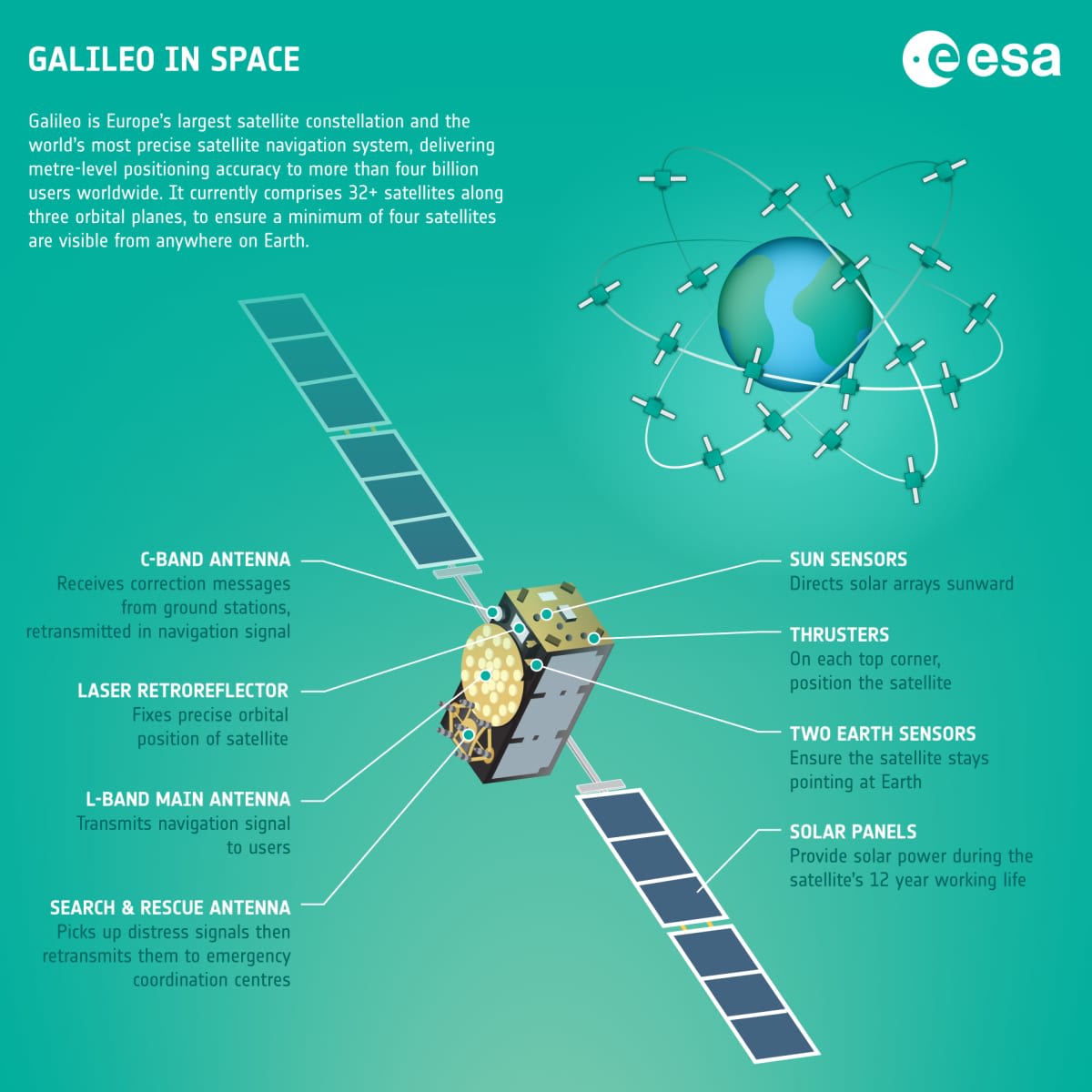
Galileo is Europe’s largest satellite constellation and the world’s most precise satellite navigation system, delivering metre-level positioning accuracy to around four billion users worldwide. (Representative Image Source: ESA/ Credit: ESA-F. Zonno)
The mission provides a test bed in the low Earth orbit for a broad range of applications, such as enhanced navigation capabilities across several transport sectors, increased accessibility in remote regions of the globe, accurate positioning and tracking services, along with indoor navigation. Once the demonstration activities come to an end, Celeste will initiate the next phase in the mission, the in-orbit preparatory (IOP) phase, which will leverage European industry to assess the effectiveness of the technologies in orbit and construct pre-operational infrastructure. Further, the results achieved by the Celeste mission will make the European Union ready for establishing an operational navigation layer in low Earth orbit, which will serve as a complement to Galileo and EGNOS, Europe’s current navigation systems.
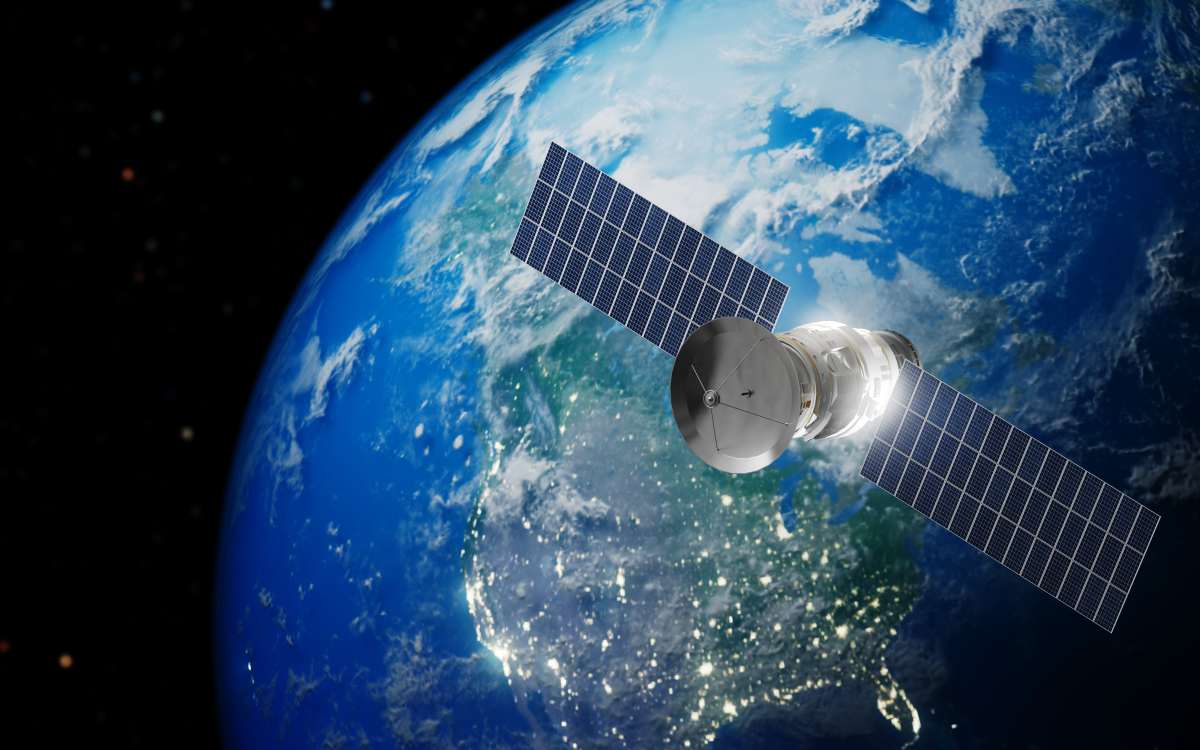
An image of a satellite in Space Station orbiting Earth (Representative Image Source: Getty | Just_Super)
Celeste is a revolutionary step in the satellite navigation realm, fortifying security and resilience, while laying the groundwork for future strategic space capabilities for Europe. “Over the past two decades, satellite navigation has become integral to our society. Galileo and EGNOS are a European success today, fuelling our society, generating economic growth while ensuring our independence and security. With Celeste, ESA is ensuring that Europe continues to pioneer innovation in positioning, navigation and timing,” Ruiz added.
More on Starlust
Rocket Lab’s launch of ESA’s first Celeste LEO-PNT satellites delayed due to bad weather
ESA to launch dedicated SpaceX Crew Dragon mission to ISS in early 2028