
Link to the science release on IEEE Spectrum
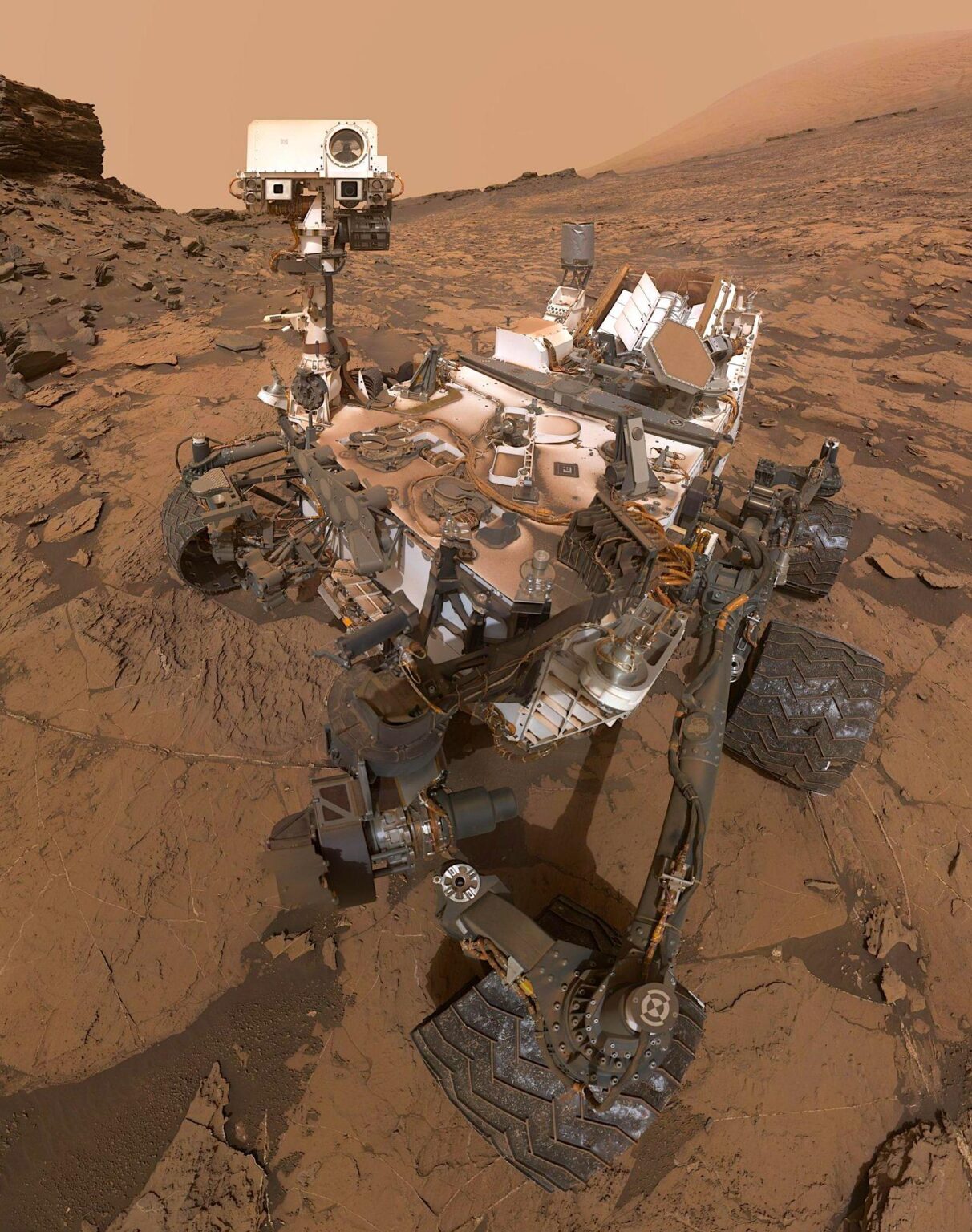
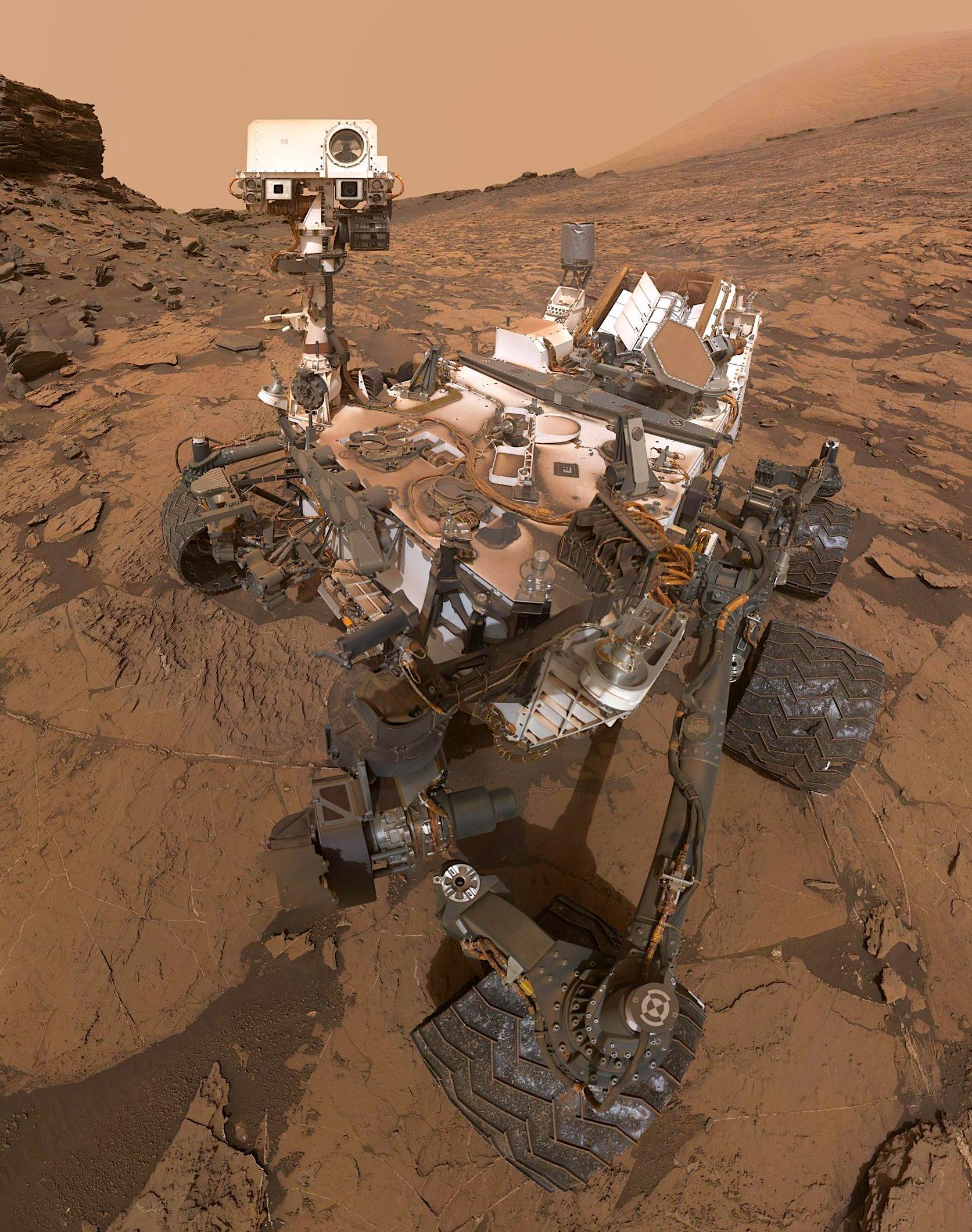
NASA’s Curiosity rover, which landed on Mars in 2012, has experienced gradual wear on its aluminum wheels as it drives across sharp, rocky terrain. The damage includes dents, holes, and broken structural ribs called “grousers,” which help the wheels keep their shape. While a few broken grousers are not a major issue, losing too many could cause the wheel to collapse inward and damage internal wiring, potentially affecting the rover’s movement. Engineers at NASA’s Jet Propulsion Laboratory (JPL) have already reduced wear by carefully planning driving routes and regularly inspecting the wheels with onboard cameras.
As a backup plan, they developed an extreme solution called “wheel shedding.” If a wheel becomes critically damaged, the rover could deliberately tear off its inner section by pressing it against a sharp rock and using controlled movements to break it away. This would leave only the stronger outer rim, which testing shows can still support driving. Although this process would take weeks and requires specific rock shapes, it could keep the rover operational. However, current predictions suggest the wheels will last many more years, making this drastic measure unlikely to be needed.
Image Credit: NASA/JPL-CALTECH/MSSS
by Busy_Yesterday9455
16 Comments
Ya, but AAA will NOT make a service call!
But the real question is, who took this picture
Serious qu3stion, maybe I’m an idiot. Why are there shadows coming from seemingly every angle in the pic?the rover, the rocks on the left, and the rocks on the right, all casting shadows different directions.
Sad beeping noises while ripping its wheel that can’t anymore…


So. We were given a pic of the damage to its wheels recently. In that post, it was indicated that a single wheel had enough torque to pull the rover up a vertical wall.
This post seems like the next step in preparing us for it to have lost significant mobility.
Incremental breaking of bad news? Or am I just out of optimism?
Next time they gotta add spare tyres…

Neat
On carfax in your area , hey it’s electric solar!
Think about it… we dropped a nuclear-powered car-sized robot on another planet using a rocket crane, and over the course of almost a decade and a half, it has driven so far over unforgiving terrain that the wheels are beginning to fall apart, and even then the mission could probably continue with one or two failed wheels. It also dropped the first aircraft to fly on another planet, which in turn flew far beyond what anyone would consider to be the criteria to be successful.
The Curiosity mission has been a resounding success for years. Everything that it’s doing now is bonus points and showing off. The only way that the mission can be even more successful is if we properly fund Mars Sample Return to take advantage of the samples collected by Curiosity. Failure to do so would be a grave mistake.
They are currently working on wheels that can survive without damage on mars. The problem is they have to make them light if to make the trip to heavy and it makes it harder to get the important stuff for science on the rover.
literal drive it till the wheel come off
It’s like the happy version of the Terminator
Looks like they should have a compressor and blow gun on one of the arms so it can clean itself off.