
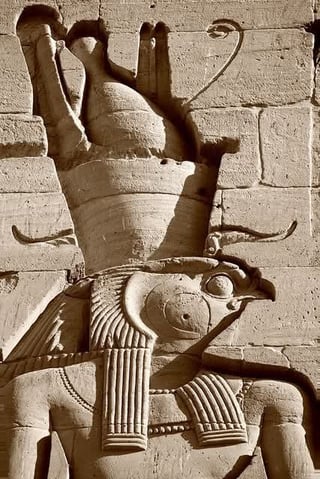
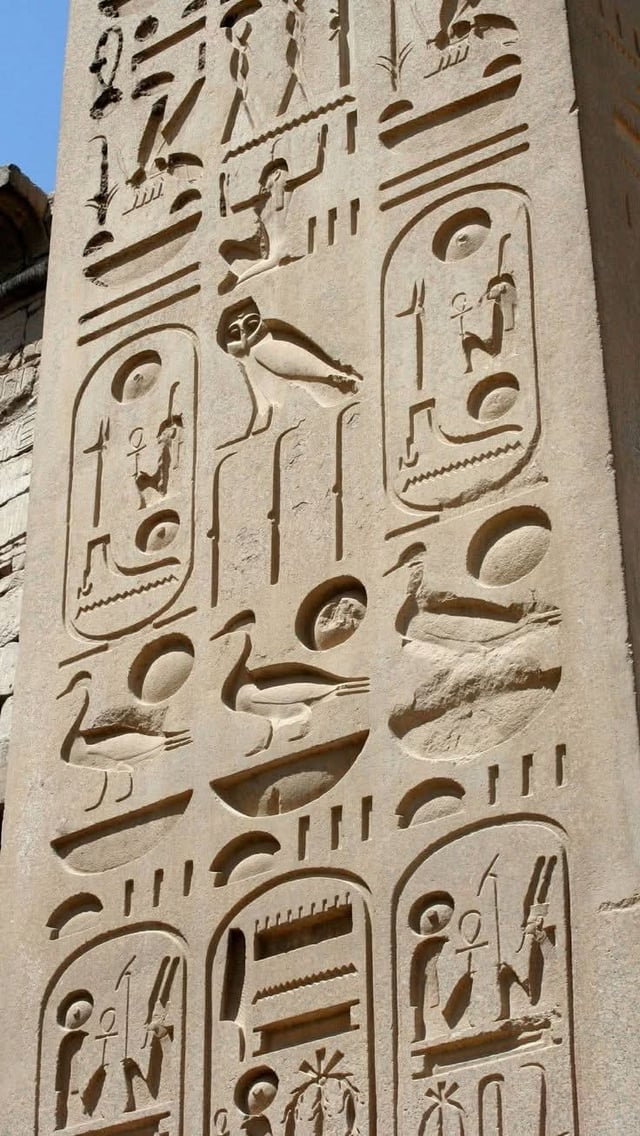
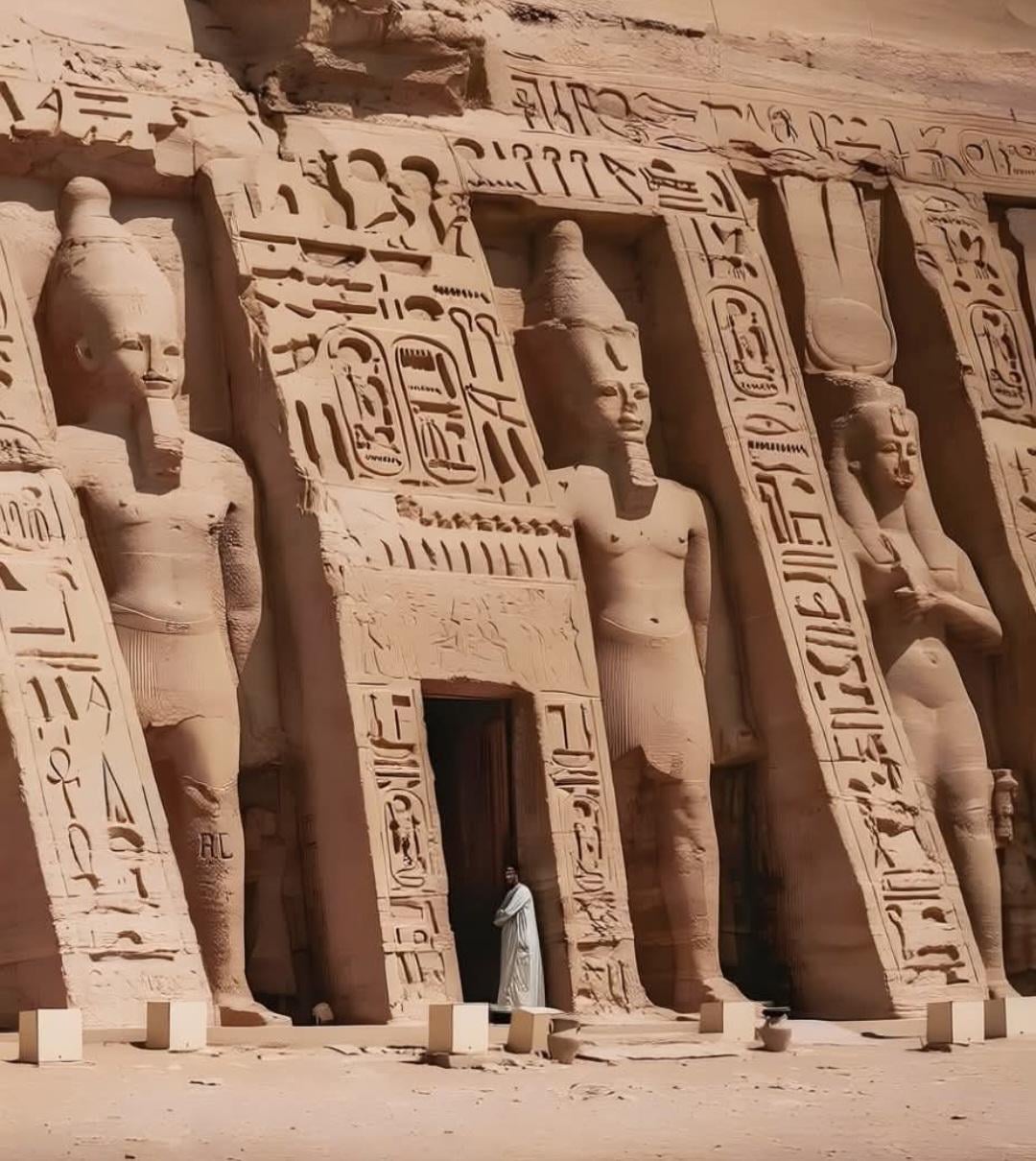
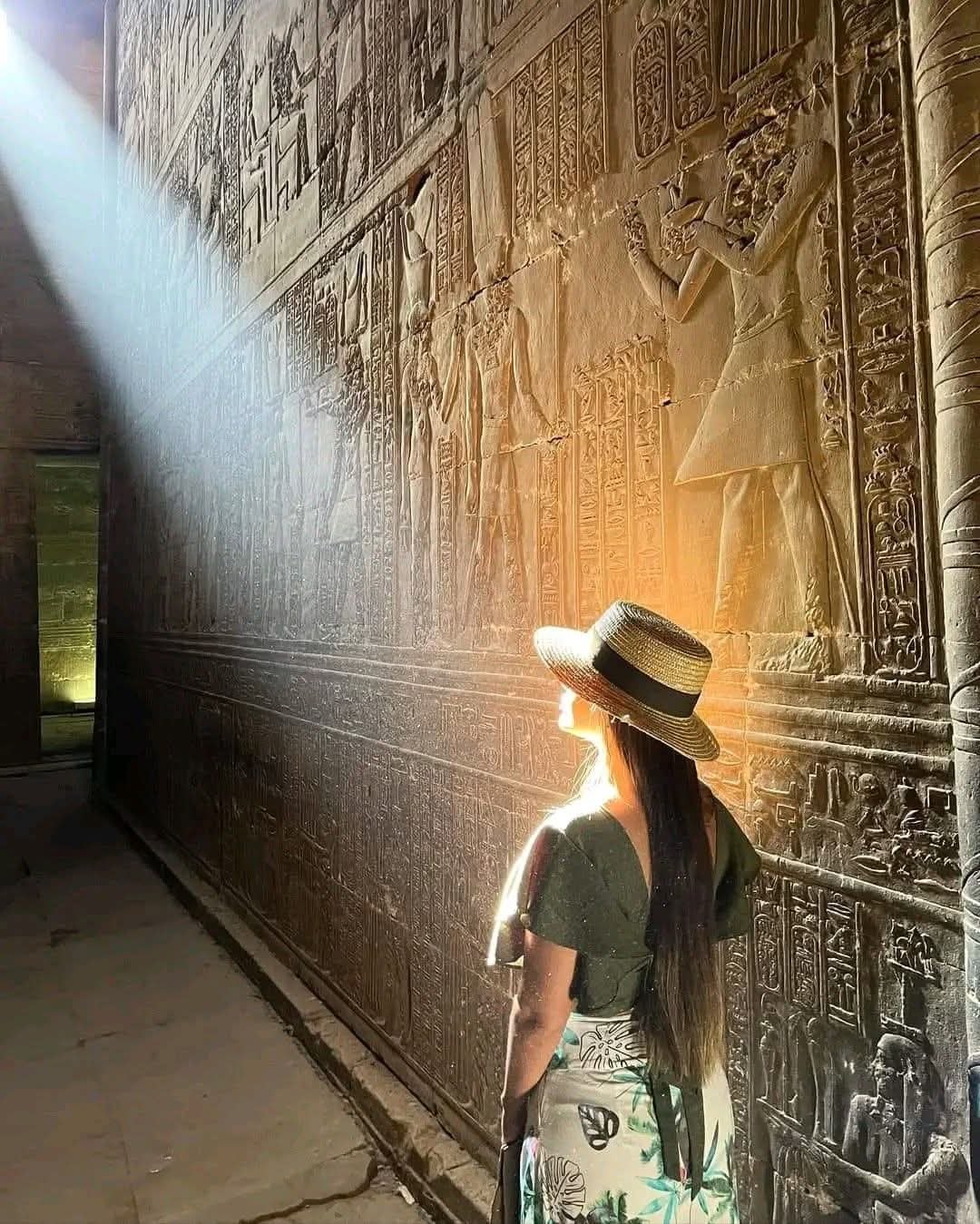
While high relief (Bas-relief) was the standard for interior tomb walls, the transition to Sunk Relief (Intaglio) for exterior temple facades and monumental pylons was a calculated engineering decision driven by two primary factors: Solar Optics and Structural Integrity.
1. The Physics of Solar Contrast (The Light Factor)
The Egyptian sun is harsh and overhead. Under direct, intense sunlight, traditional high relief (protruding figures) loses its detail as shadows become "washed out."
The Sunk Relief Solution: By carving deep into the stone, the artist creates a sharp, artificial shadow within the incision itself.
Result: The figures remain hyper-visible and legible even under the blinding midday sun. The deeper the cut, the more dramatic the contrast.
2. Preservation and Structural Durability
Exterior walls are subject to wind, sand erosion, and physical damage.
Protection by Recess: In sunk relief the "original surface" of the stone remains intact. The figures are protected within the stone’s mass.
High Relief Vulnerability: Protruding elements are the first to chip, weather, or erode. By using sunk relief, Ancient Egyptian engineers ensured their records would survive millennia of environmental exposure.
3. Operational Efficiency in Royal Monuments
From a construction management perspective, sunk relief was faster to execute on a massive scale like the Great Hypostyle Hall
Removing the background (High Relief) requires massive stone removal.
Incising the figure (Sunk Relief) is focused, allowing for faster completion of colossal temple walls without compromising the monumental scale
Egyptian Sunk Relief was not a simpler art form; it was a sophisticated Optical and Material Innovation. It allowed the Pharaohs to communicate with eternity using the sun as their primary light source.
by Professional-Fee3323
1 Comment
Can you explain which part you believe is Alternate History?