
 image: ©rarrarorro | iStock
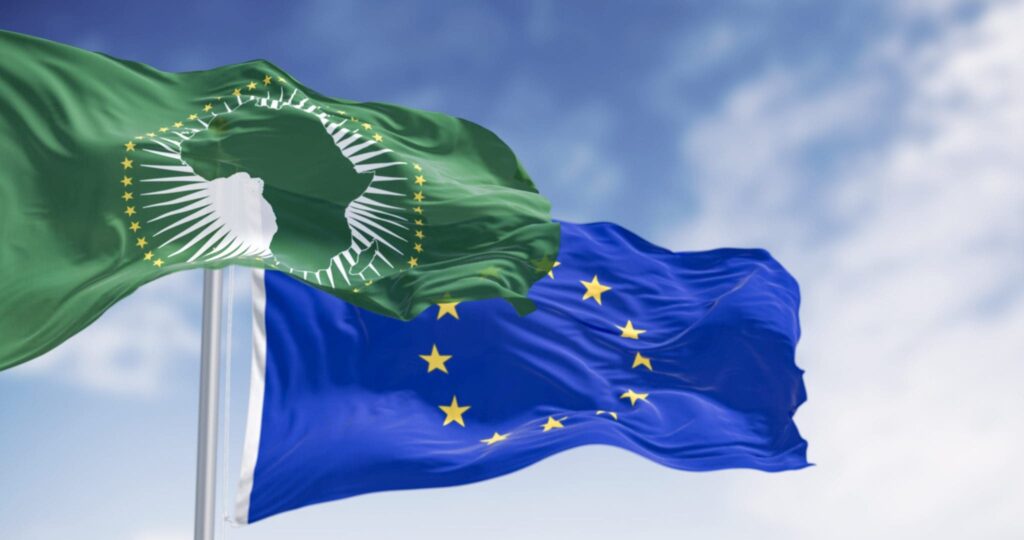
The second EU–AU Space Dialogue has reinforced ties between the European Union and the African Union. The European Union and the African Union share a joint interest in innovation, sustainability, and economic growth through space collaboration
Held over two days, the event brought together senior officials, policymakers, and experts to advance joint efforts in a rapidly evolving global space sector.
The EU–AU Space Dialogue was led by Andrius Kubilius and African Union Commissioner Banyankimbona, who guided discussions on strengthening cooperation across multiple domains. The meeting emphasised that Europe and Africa share complementary strengths and common goals in using space technologies.
Participants focused on translating this partnership into practical outcomes, with an emphasis on delivering benefits for citizens across both continents.
Key areas of cooperation
One of the main focuses of the EU–AU Space Dialogue is expanding joint work in Earth observation, satellite navigation, and space science. These technologies are playing an increasingly important role in addressing global challenges such as climate change, disaster response, and food security.
By improving access to space-based data and services, both regions hope to strengthen climate monitoring systems and support sustainable agriculture. Satellite applications are also expected to contribute to digital transformation efforts, particularly in underserved areas where infrastructure gaps remain a challenge.
Investing in skills and innovation
Another important theme of the EU–AU Space Dialogue is the importance of developing human capital. Education, training, and knowledge sharing were identified as critical to building strong space ecosystems, especially across Africa, where the sector is still emerging.
Engagement with students during the event highlighted the need to inspire and prepare the next generation of scientists, engineers, and entrepreneurs. Strengthening skills development is seen as key to ensuring long-term success and fostering innovation across both regions.
The discussions resulted in a new commitment to concrete steps that will deepen collaboration. These include expanding joint research initiatives, increasing data sharing, and enhancing flagship programmes that support both public and private sector involvement.
There was also a clear focus on strengthening institutional partnerships and encouraging investment from industry players. By creating a more integrated approach, the EU and AU aim to unlock new economic opportunities and accelerate growth within the space sector.
Supporting global goals
The EU–AU Space Dialogue shows how space cooperation aligns with other priorities such as the green transition and the United Nations Sustainable Development Goals. Space-based technologies are increasingly vital for tracking environmental changes, managing natural resources, and improving disaster preparedness.
Both sides also reaffirmed their commitment to promoting the responsible and sustainable use of outer space through international cooperation.
The outcome of the EU–AU Space Dialogue points to a forward-looking partnership built on shared ambition and mutual benefit. With a clear plan focused on collaboration, innovation, and investment in people, the initiative is set to play a key role in shaping the future of space cooperation between Europe and Africa.
Continued engagement and regular exchanges will be a big part of maintaining momentum and ensuring that the partnership delivers tangible, long-term impact.