
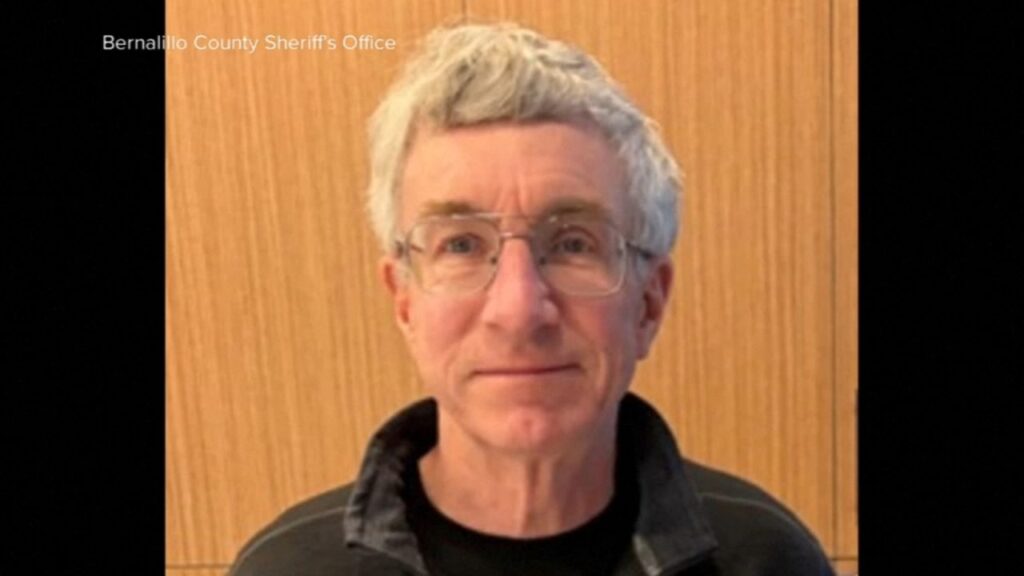
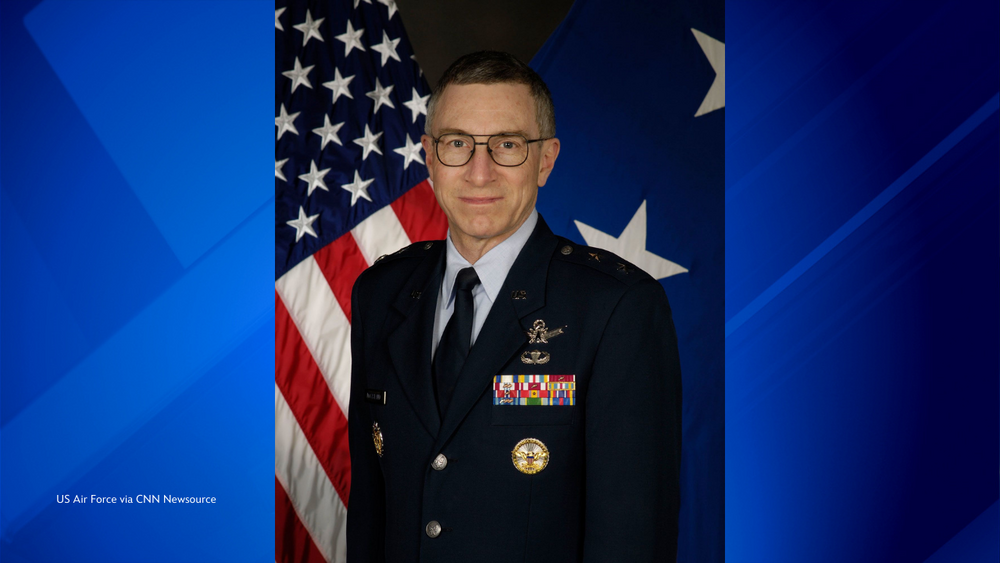
Seventeen days after retired Air Force Major General William Neil McCasland vanished from his Albuquerque home, search teams are battling an unexpected enemy: unseasonably warm spring weather that’s turning high-tech rescue equipment useless.
The 68-year-old experienced hiker and outdoorsman walked out of his home on the morning of February 27, leaving behind his phone, prescription glasses, and wearable devices. What should have been a straightforward search for a missing person has become a complex mystery complicated by both technology limitations and growing public fascination with the retired general’s background.
McCasland isn’t your typical missing person case. His military experience and outdoor expertise suggest he could survive in harsh terrain, but his decision to leave without essential items has authorities puzzled about his intentions and destination.
How Warm Weather Is Sabotaging Search Efforts
Search teams deployed helicopter-mounted infrared cameras over the cliffs and canyons near McCasland’s home, flying at night when heat signatures typically show up clearly against cooler backgrounds. The technology should have given them a significant advantage in spotting a person in the rugged New Mexico landscape.
Instead, the unseasonably warm spring temperatures created a wall of interference that rendered the sophisticated equipment nearly useless.
“The mountain was just lit up like a candle,” Lt. Kyle Woods of the Bernalillo County Sheriff’s Office explained at a Monday news conference. “We couldn’t differentiate from heat signatures and the heat from the rocks.”
The thermal imaging problem illustrates how climate conditions can completely derail modern search and rescue operations. When rocks, vegetation, and terrain retain heat from unusually warm days, infrared cameras lose their ability to distinguish between human body heat and environmental heat sources.
This technological setback has forced search teams to rely more heavily on traditional ground searches and visual reconnaissance, significantly slowing their ability to cover the vast terrain around Albuquerque where McCasland might have traveled.
The Mystery Deepens: What Authorities Still Don’t Know
Despite intensive investigation, officials acknowledge they’re still working with more questions than answers about McCasland’s disappearance. The basic facts of the case reveal how little investigators have been able to determine:
Where the 68-year-old went after leaving his home
Why he chose to leave without essential items like his phone and glasses
Whether someone else was involved in his disappearance
What his intended destination might have been
The investigation has revealed some puzzling details about the circumstances. Surveillance cameras are positioned at both ends of McCasland’s street, which should provide clear evidence of his departure and any vehicles or people who might have been involved.
However, authorities said Monday they are still reviewing that footage along with additional video provided by residents. The fact that this analysis is ongoing more than two weeks after the disappearance suggests either the footage hasn’t yielded clear answers or the volume of material to review is substantial.
Case Detail
Status
Date of Disappearance
February 27 (morning)
Items Left Behind
Phone, prescription glasses, wearable devices
Age
68 years old
Background
Retired Air Force Major General, experienced hiker
Days Missing
17 days (as of reporting)
Why This Case Is Capturing Public Attention
McCasland’s disappearance has generated unusual public interest, partly due to what officials describe as “the retired general’s ties to UFO lore.” While authorities haven’t elaborated on the specific nature of these connections, the reference suggests McCasland’s military career may have involved classified or unusual assignments that have captured public imagination.
The combination of his military background, mysterious disappearance, and potential UFO connections has created a perfect storm for speculation and media attention. This level of public interest can be both helpful and challenging for investigators, potentially generating tips while also creating pressure and distractions.
His profile as an experienced outdoorsman adds another layer of complexity. Unlike many missing person cases where individuals may be unprepared for harsh conditions, McCasland’s hiking experience means he could potentially survive longer in wilderness conditions, expanding both the search area and timeline investigators must consider.
The Search Strategy Moving Forward
With infrared technology compromised by weather conditions, search teams are adapting their approach to rely more heavily on ground-based methods and community involvement. The ongoing review of surveillance footage suggests authorities believe video evidence may still provide crucial clues about McCasland’s movements or potential companions.
The decision to leave behind his phone and prescription glasses presents investigators with both challenges and potential insights. These items could indicate either a deliberate choice to disconnect from technology and normal activities, or suggest he didn’t plan to be away for an extended period.
For someone with McCasland’s outdoor experience, leaving prescription glasses behind seems particularly significant, as vision would be crucial for safe navigation in challenging terrain. This detail may provide important clues about his mental state, intentions, or the circumstances of his departure.
What Weather Conditions Mean for Missing Person Cases
McCasland’s case highlights how environmental factors can dramatically impact search and rescue operations. The warm spring weather that’s interfering with thermal imaging also affects other aspects of the search, including scent tracking for search dogs and the preservation of physical evidence.
Warmer temperatures can accelerate the decomposition of scent trails, making it harder for search dogs to track a person’s movement patterns days or weeks after they’ve passed through an area. This creates additional urgency for ground-based search efforts.
The case also demonstrates how climate patterns can create unexpected challenges for law enforcement. Search and rescue teams typically plan for seasonal weather patterns, but unseasonably warm conditions can render standard procedures less effective.
As search efforts continue, authorities face the challenge of covering vast terrain around Albuquerque with limited technological assistance, relying more heavily on community tips, ground searches, and traditional investigative methods to locate the missing retired general.
Frequently Asked Questions
When did Major General McCasland disappear?
He was last seen leaving his Albuquerque home on the morning of February 27.
What did he leave behind when he disappeared?
McCasland left his phone, prescription glasses, and wearable devices at home when he departed.
Why can’t search teams use infrared cameras effectively?
The unseasonably warm spring weather has caused rocks and terrain to retain so much heat that infrared cameras cannot distinguish between environmental heat sources and human body heat.
What is McCasland’s background?
He is a 68-year-old retired Air Force Major General who is described as an experienced hiker and avid outdoorsman.
Are there any surveillance cameras in the area?
Yes, surveillance cameras cover both ends of McCasland’s street, and authorities are still reviewing that footage along with video provided by residents.
What are McCasland’s ties to UFO lore?
Authorities have referenced these connections but have not provided specific details about the nature of his involvement with UFO-related matters during his military career.