
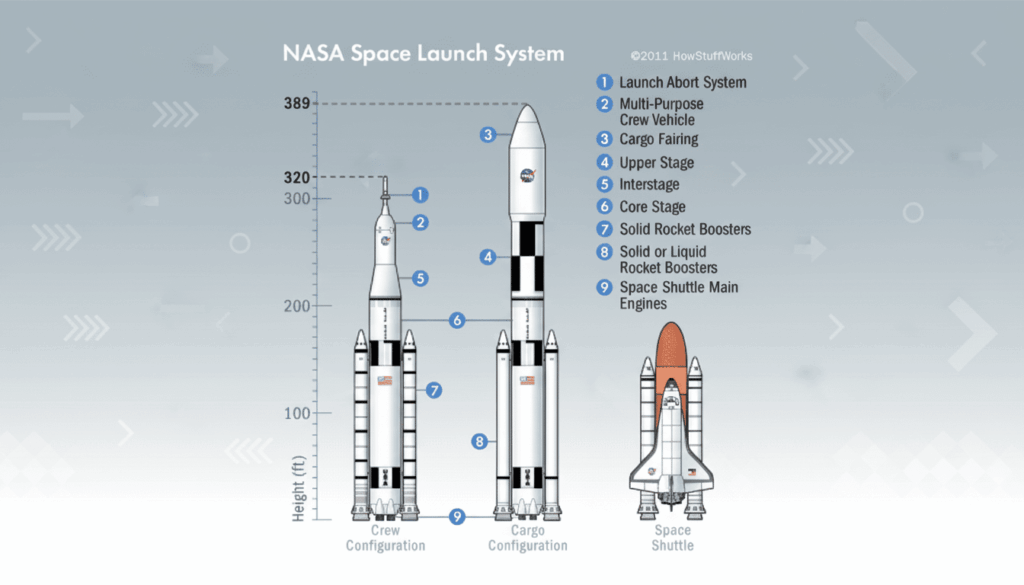
NASA has formally cleared Artemis 2 to proceed toward launch after completing a rigorous flight readiness review, setting up the first crewed journey around the moon in more than half a century. The agency’s managers said the Space Launch System rocket and Orion spacecraft are “go” to return to the pad, emphasizing priority on the imminent launch window and declining to speculate about later opportunities.
What Artemis 2 Will Prove About Orion and Mission Safety
Artemis 2 is a roughly 10-day test flight designed to validate Orion’s life support systems, deep-space navigation, and high-speed reentry with astronauts aboard. The crew will ride a free-return trajectory around the moon, stress-testing environmental controls, communications via the Deep Space Network, and manual piloting tasks intended to verify performance margins before lunar landing missions. At splashdown, Orion will execute a precision “skip entry” to manage deceleration and heating after reentry speeds near 24,500 mph, with the heat shield facing temperatures approaching 5,000°F—core data for certifying the capsule for repeat human use.
Fixing The Helium Issue And Final Pad Prep
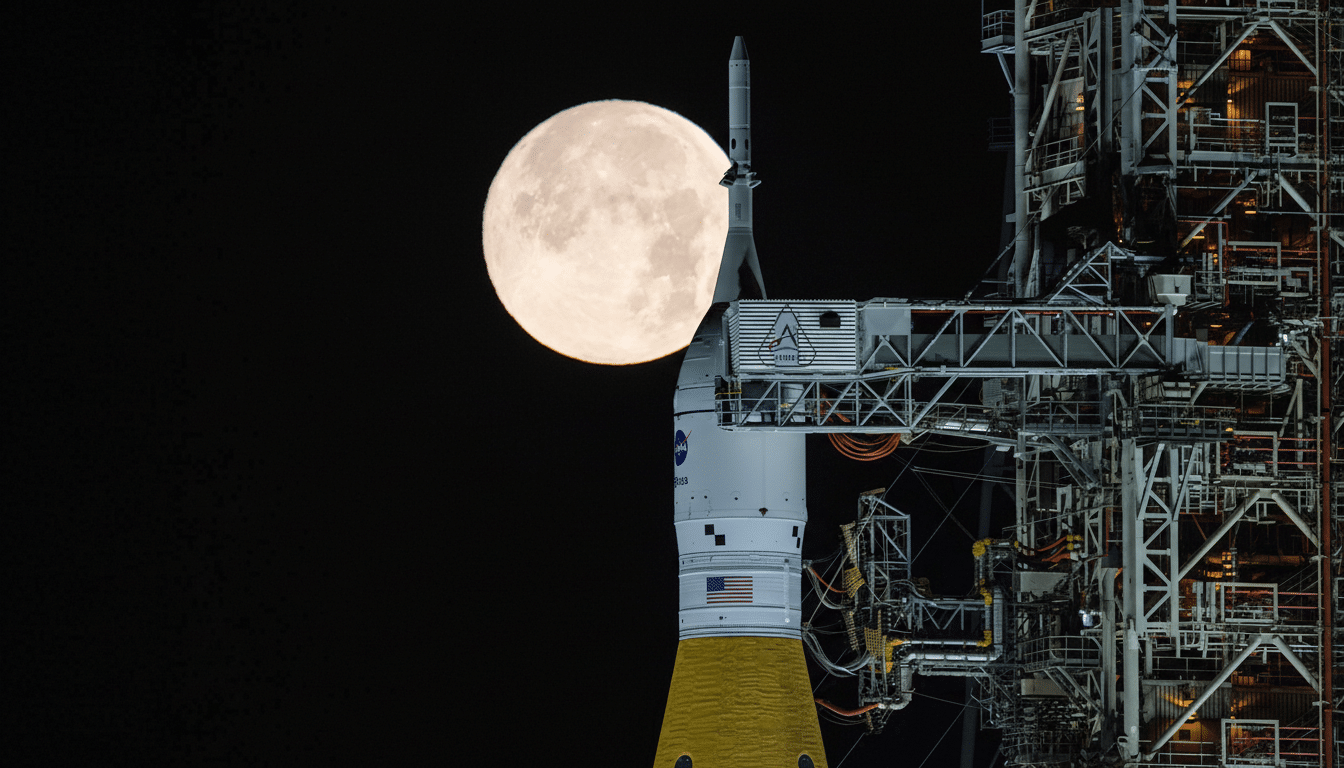
The readiness milestone follows targeted repairs to a helium-flow problem associated with the rocket’s upper stage ground systems. Engineers identified a blocked seal in a ground line, qualified a redesigned connector, and installed the modified hardware, then conducted checkouts to confirm stable pressurization performance. Teams also replaced flight-termination system batteries and checked abort system batteries on the crew module to maximize on-pad availability during the upcoming attempt.
With these actions complete, the 322-foot SLS and Orion stack is set to leave the Vehicle Assembly Building for the launch pad atop NASA’s crawler-transporter—a four-mile journey taken at roughly walking speed. NASA does not plan an additional wet dress rehearsal; instead, the agency intends to load propellants on an attempt day to conserve the limited opportunities within the current window.
Why NASA Is Pushing the Next Launch Window for Artemis 2
Artemis managers say near-term execution keeps the broader lunar campaign on track. Windows for a crewed lunar flyby are constrained by multiple factors: trajectory geometry for a free-return path, lighting conditions for ascent and splashdown, recovery ship positioning, and range availability. Battery life limits for certain systems and required turnaround timelines for ground crews further tighten the calendar, incentivizing NASA to concentrate resources on the earliest feasible opportunities rather than dispersing planning across multiple months.
The program’s cadence also matters for the follow-on mission. Artemis 2 must retire life-support and mission-operations risks that feed directly into Artemis 3’s human landing architecture. Every day saved on Artemis 2 data delivery and certification compresses the path to assembling and validating the next flight’s complex elements.
Managing Risk on the First Crewed Artemis 2 Flight
NASA officials declined to provide a single numerical probability of loss-of-crew, noting that test flights carry uncertainties that resist tidy rollups. Instead, managers emphasized system-by-system hazard analyses, extensive ascent abort coverage via Orion’s Launch Abort System, and conservative go/no-go criteria at every phase—from solid booster separation and core stage shutdown to upper stage ignition and translunar injection. The Aerospace Safety Advisory Panel has long cautioned against schedule pressure in human spaceflight; Artemis leaders say the flight readiness review’s “go” reflects hardware maturity, integrated testing, and disciplined risk acceptance rather than a rush to the pad.
The Crew and the Ride: Who Flies and What Powers Orion
Commander Reid Wiseman, pilot Victor Glover, and mission specialists Christina Koch and Jeremy Hansen will become the first people to leave low Earth orbit since the final Apollo mission. Wiseman, a test pilot and former chief of the Astronaut Office, leads a crew with deep operational pedigree: Glover flew a long-duration mission to the International Space Station, Koch set the record for the longest single spaceflight by a woman at 328 days, and Hansen—a Canadian Space Agency astronaut—will be the first Canadian to journey to the vicinity of the moon.
Their ride, SLS Block 1, produces about 8.8 million pounds of thrust at liftoff—exceeding Saturn V’s opening punch—and propels Orion to orbit before the upper stage commits the spacecraft to the lunar loop. Orion’s crew systems, including upgraded displays and manual controls, will see their first crewed workout beyond Earth orbit, while mission control validates procedures for deep-space comms, navigation, and emergency response.
Artemis 2 is, at its core, a proving flight. If the mission delivers the clean data NASA expects—on life support stability, heat shield performance, guidance margins, and crew operations under deep-space conditions—it will mark the decisive handoff from demonstration to execution for the modern moon program.