
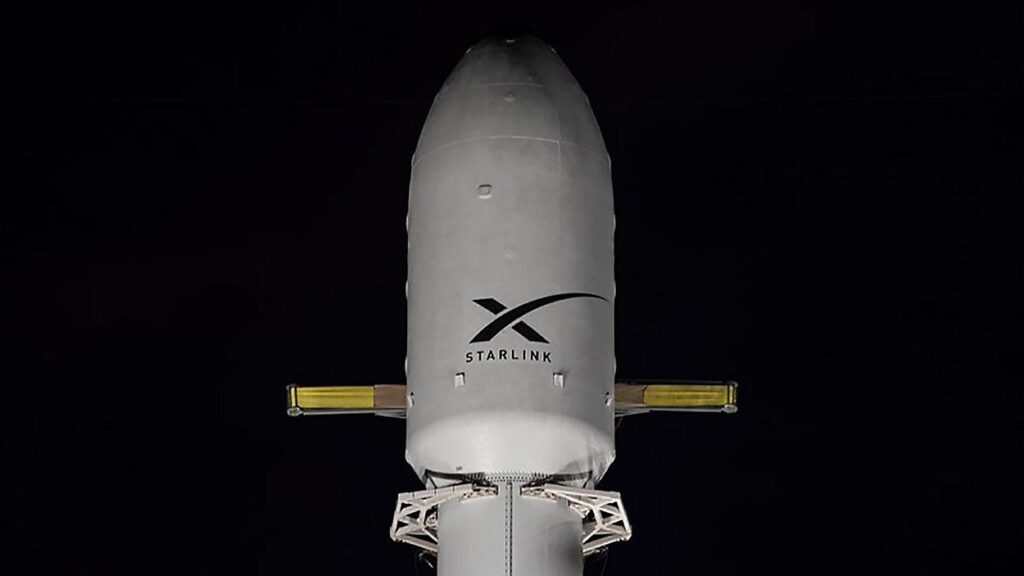
CAPE CANAVERAL SPACE FORCE STATION — SpaceX is aiming to launch the EchoStar XXV communications satellite during the overnight.
What You Need To Know
EchoStar XXV is a direct broad satellite that will provide service to DISH TV customers in all 50 states and Puerto Rico
SpaceX stated that its Falcon 9 rocket will send up the EchoStar XXV mission from Space Launch Complex 40 at Cape Canaveral Space Force Station.
The 149-minute launch window opens at 11:14 p.m. ET and is set to close at 1:43 a.m. ET, Tuesday.
The liftoff time is currently 12:19 a.m ET. Previously, it was 11:19 p.m. ET.
The 45th Weather Squadron called for a 90% chance of good liftoff conditions, with the only worry being the cumulus cloud rule. However, on Monday night, SpaceX posted on X that it was now about 95%.
If the launch is scrubbed, the next attempt will be Tuesday.
Find out more about the weather criteria for a Falcon 9 launch.
Going into the black again
For Falcon 9’s first stage booster called B1085, it is another day at the office.
This booster has performed a lot of impressive missions, including two crewed ones and going to the moon.
Crew-9 mission
Starlink 6-77 mission
Starlink 10-5 mission
RRT-1
Blue Ghost and HAKUTO-R
Fram2 mission
Starlink 6-93 mission
SXM-10 mission
Eumetsat MTG-S1 mission
Starlink 10-20 mission
Starlink 10-27 mission
Starlink 6-94 mission
Starlink 6-98 mission
After the stage separation, the first-stage rocket should land on the droneship A Shortfall of Gravitas, which will be in the Atlantic Ocean.
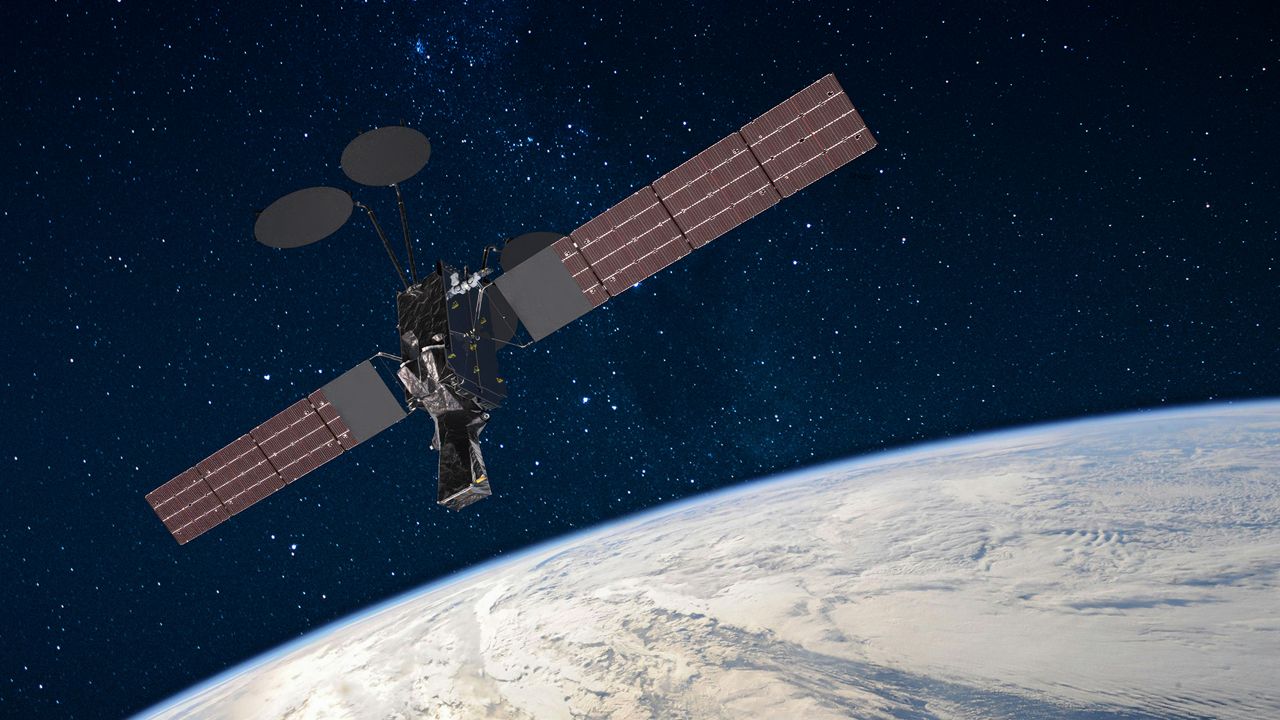
This is an artist’s rendering of the EchoStar XXV satellite. (EchoStar)
About the mission
EchoStar XXV is a direct broad satellite that will provide service to DISH TV customers in all 50 states and Puerto Rico, stated the EchoStar company.
It will be placed in a geosynchronous transfer orbit.
And this is a pretty big satellite, which was made by Intuitive Machines company Lanteris Space Systems.
“It is a massive spacecraft, weighing over 6,500 kg (14,330 pounds). At launch, it is roughly the size of a motorhome or small bus, with its solar arrays spanning over 100 feet when fully deployed into geostationary orbit,” a company’s spokesman stated.