The ISS May Live for a Little Bit Longer for a Totally Predictable Reason | Congress instructed NASA to not begin deorbiting the ISS until at least one commercial successor is in space.
The ISS May Live for a Little Bit Longer for a Totally Predictable Reason | Congress instructed NASA to not begin deorbiting the ISS until at least one commercial successor is in space.
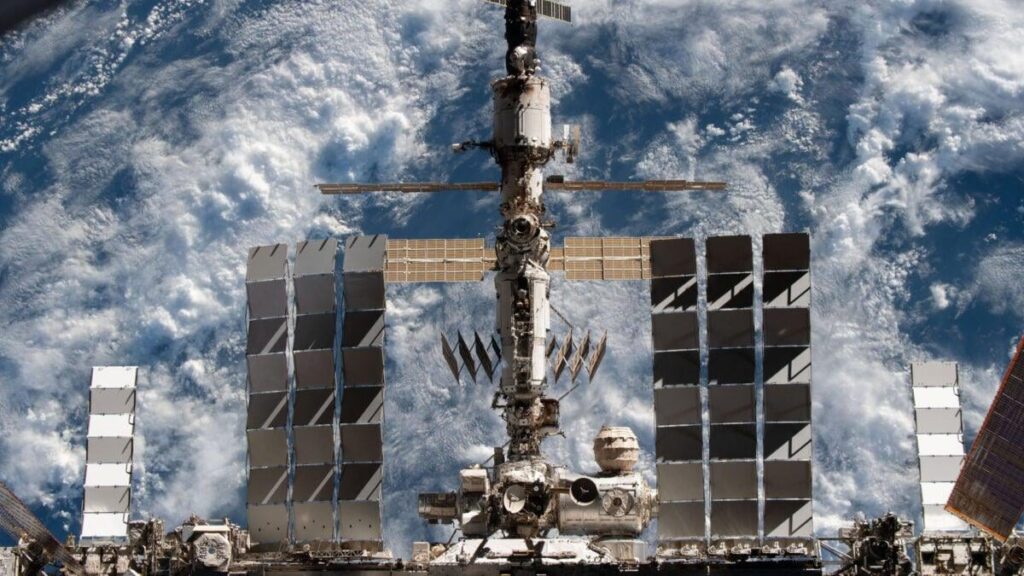
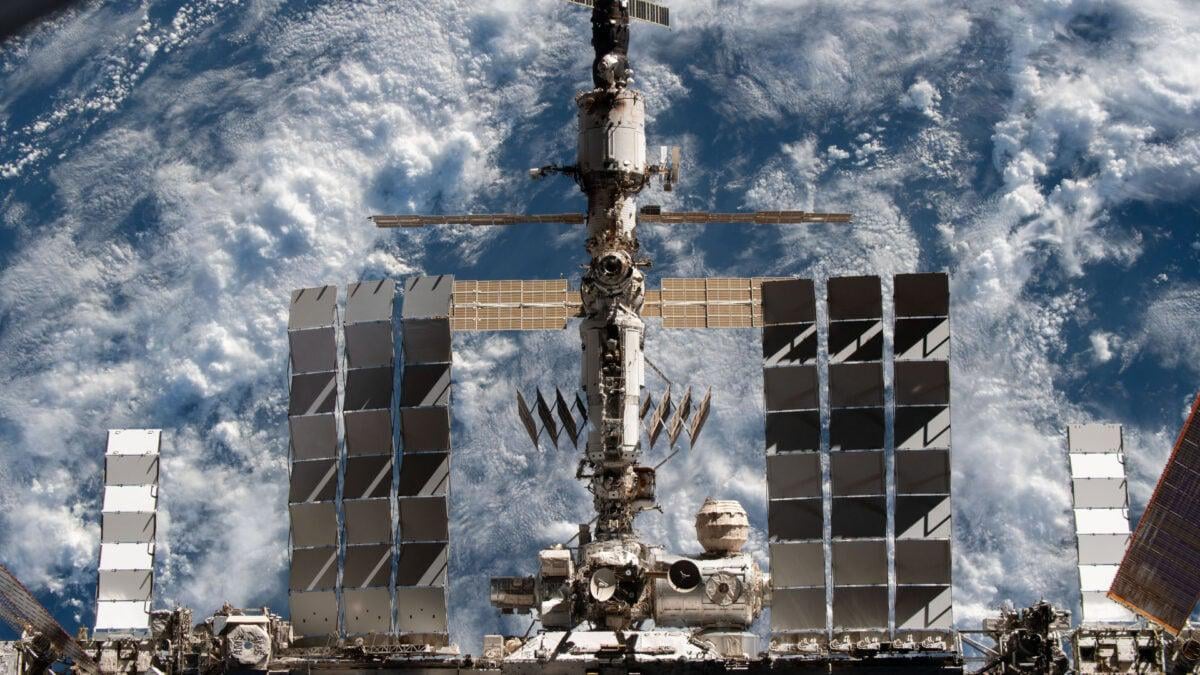
>The end may not be so near for the International Space Station (ISS), at least not until a privately owned alternative has filled its orbital shoes.
>The U.S. Senate advanced a revised version of a NASA authorization bill, which would delay the retirement of the ISS from 2030 to 2032. The goal of the two-year extension is to “avoid a gap in continuous human presence and capabilities in [low-Earth orbit], thus avoiding ceding leadership to China before commercial stations are ready,” the NASA Authorization Act reads.
>Congress added a sense of urgency toward NASA’s plans of maintaining a human presence in Earth orbit by transitioning to the use of commercial space stations. Despite the ISS retirement scheduled in a few years’ time, the space agency has yet to kick off the final round of a competition among industry leaders to develop their own orbital lab. With no clear alternative in sight, U.S. lawmakers are concerned about whether private companies will be prepared to replace the ISS by 2030.
ToxicFlames on
I’m glad they are comitting to a continuous presence in space. Say what you want about the ISS, but you can’t deny that 25 years of continuous human presence in space is a huge achievement up there with Apollo. Hopefully the safety process is uneventful and they can certify the ISS to keep flying for a few more years.
In the long run I hope that super heavy lift vehicles can mature to the point where we can boost the ISS into a graveyard orbit instead of deorbiting it, that way we can preserve it as a historical artifact for future generations. Obviously some work would need to be done to ensure the new thermal environment wouldn’t destroy the station, but since the station doesn’t need to be operational perhaps that is as simple as encasing the whole station in a giant whipple-shielded mylar cocoon to reflect away the additional sunlight.
SoftlySpokenPromises on
Maybe not laying off staff and reducing their funding to a bit of string and some pre chewed jerky would have led to NASA being able to do that.

3 Comments
>The end may not be so near for the International Space Station (ISS), at least not until a privately owned alternative has filled its orbital shoes.
>The U.S. Senate advanced a revised version of a NASA authorization bill, which would delay the retirement of the ISS from 2030 to 2032. The goal of the two-year extension is to “avoid a gap in continuous human presence and capabilities in [low-Earth orbit], thus avoiding ceding leadership to China before commercial stations are ready,” the NASA Authorization Act reads.
>Congress added a sense of urgency toward NASA’s plans of maintaining a human presence in Earth orbit by transitioning to the use of commercial space stations. Despite the ISS retirement scheduled in a few years’ time, the space agency has yet to kick off the final round of a competition among industry leaders to develop their own orbital lab. With no clear alternative in sight, U.S. lawmakers are concerned about whether private companies will be prepared to replace the ISS by 2030.
I’m glad they are comitting to a continuous presence in space. Say what you want about the ISS, but you can’t deny that 25 years of continuous human presence in space is a huge achievement up there with Apollo. Hopefully the safety process is uneventful and they can certify the ISS to keep flying for a few more years.
In the long run I hope that super heavy lift vehicles can mature to the point where we can boost the ISS into a graveyard orbit instead of deorbiting it, that way we can preserve it as a historical artifact for future generations. Obviously some work would need to be done to ensure the new thermal environment wouldn’t destroy the station, but since the station doesn’t need to be operational perhaps that is as simple as encasing the whole station in a giant whipple-shielded mylar cocoon to reflect away the additional sunlight.
Maybe not laying off staff and reducing their funding to a bit of string and some pre chewed jerky would have led to NASA being able to do that.