
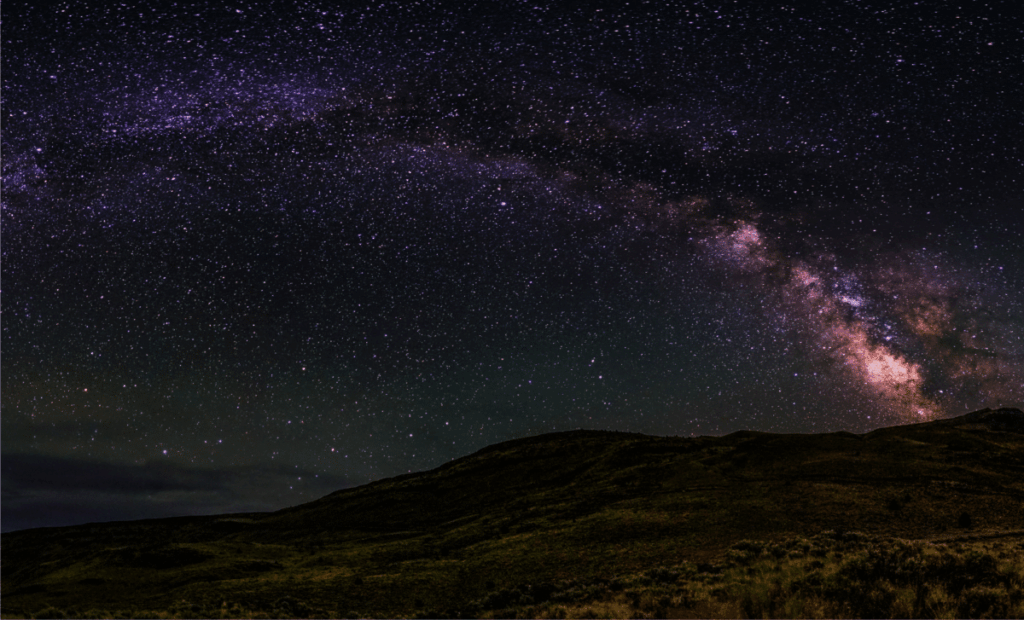
March is an exciting month for stargazers, offering a rare opportunity to witness the intriguing natural light display known as zodiacal light. This celestial phenomenon can be spotted in the days surrounding the spring equinox, making it an ideal time to head out and observe the “false dawn” glow. But how can you catch a glimpse of this stunning sky show?
The Mystery Behind Zodiacal Light: What Is It?
Zodiacal light is often described as a faint, milky glow that appears to stretch from the horizon upwards, especially after sunset or before dawn. This mysterious phenomenon is caused by sunlight reflecting off dust particles that are concentrated in the plane surrounding the Sun, called the ecliptic. These dust particles are remnants of comets and asteroids that orbit the Sun. When sunlight hits these tiny particles, it scatters and creates the soft glow visible from Earth.
Although zodiacal light can appear throughout the year, it is most visible in the months leading up to and following the equinoxes. The spring and autumn equinoxes, which occur in March and September, provide the perfect conditions for spotting this ethereal light. During these times, the ecliptic is positioned at an extreme angle relative to the horizon, maximizing the chances of observing the light. As Space.com notes, this “false dawn” is not a typical sunrise, but rather a natural reflection of the Sun’s light off dust in space.
Why March Is the Best Time to See Zodiacal Light
The period surrounding the spring equinox is considered the prime time to observe zodiacal light, and March, in particular, offers optimal viewing conditions. The Spring Equinox in March positions the ecliptic in a way that makes the glow visible in the western sky after sunset. For skywatchers in the Northern Hemisphere, this is the best time to spot the phenomenon, as the angle of the Sun relative to the horizon is just right.
Additionally, the moon will be absent from the post-sunset sky from March 7 until a few days after the new moon on March 20, as mentioned. This absence of the moon provides perfect dark skies for viewing zodiacal light without interference from its brightness. With less moonlight, the faint glow of zodiacal light becomes more visible, making it an ideal window for skywatchers looking to catch this fleeting celestial event.
The Science Behind Zodiacal Light
Understanding why zodiacal light appears requires a basic knowledge of the ecliptic and the dust that populates it. The ecliptic is the plane in space where all the planets orbit the Sun. As comets and asteroids pass through this area, they leave behind trails of dust that get scattered across the ecliptic. This dust reflects sunlight, creating the soft glow seen from Earth.
The amount of dust in the ecliptic and its position relative to Earth can vary, but the timing surrounding the equinoxes provides the best conditions for visibility. The angle of the ecliptic relative to the horizon creates a situation where the reflected light can shine through Earth’s atmosphere without being obscured by too much light pollution or other atmospheric conditions. Thus, the result is a glowing “false dawn” that can be spotted on clear nights.
Best Locations for Viewing Zodiacal Light
For the best chance of seeing zodiacal light, it’s essential to escape urban environments and head to dark, rural areas away from artificial city lights. Light pollution is one of the biggest obstacles to spotting zodiacal light, as the faint glow is easily outshone by the bright lights of cities. Head for a location with minimal light pollution to truly appreciate the full beauty of the phenomenon.
National parks, rural locations, and remote observatories are perfect spots for viewing zodiacal light. When selecting a location, consider choosing a place that offers an unobstructed view of the western horizon after sunset. The less ambient light there is, the better your chances of spotting the pale pyramid-shaped glow that rises from the horizon. Be sure to give your eyes at least 20 minutes to adjust to the dark, as this will enhance your ability to detect the faint light.
Why It’s Worth the Effort to See Zodiacal Light
Seeing zodiacal light is a rare treat that allows you to witness a natural phenomenon that few people know about or understand. It serves as a reminder of the dynamic and ever-changing nature of our solar system. This subtle light show, often overlooked by most stargazers, adds another layer of wonder to the night sky. The fleeting beauty of the phenomenon is worth the effort of searching for it, especially when considering that it is not always visible and requires ideal viewing conditions.
The Role of Dust in Creating Zodiacal Light
The dust particles responsible for zodiacal light are tiny but plentiful. These particles range in size from microscopic to larger pebbles and come from a variety of sources. As mentioned earlier, the dust is primarily the result of comets shedding ice and debris during their orbits, as well as asteroids breaking apart. This dust accumulates in the ecliptic, where the gravitational pull of the Sun keeps it in orbit. When sunlight reflects off these particles, it produces the diffuse glow that forms the zodiacal light.
Interestingly, the presence of dust in the solar system is not a recent occurrence but has been ongoing for billions of years. This steady accumulation of particles is why the zodiacal light continues to be a consistent feature of our night sky.