
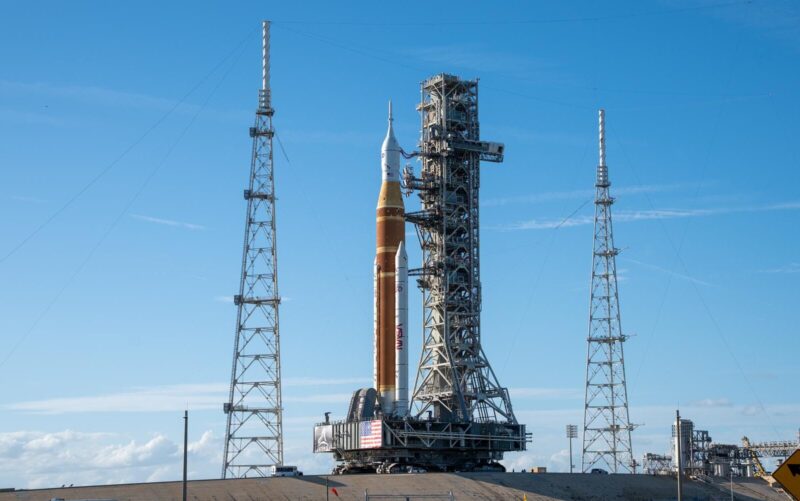
It has been a long time since traveling to the moon has been a top priority. Amid the hype of making it to Mars, it feels as if Earth’s unassuming satellite has long been forgotten. However, in the background, NASA has been slowly working on Artemis 2, the next crewed moon mission, which could influence Mars research. Unfortunately, reports are abuzz with a saddening detail—NASA has delayed the Artemis 2 launch. What is happening in the background to prevent the astronauts from lifting off?
Everything to Know About Artemis 2
The Artemis 2 launch has one goal: scientific discovery. The project is set to amplify the efforts of its predecessor, Artemis 1, which launched in 2022. It was an uncrewed operation, but it still collected crucial information and set the stage for upcoming missions.
Artemis 2 is expected to carry four astronauts aboard the Orion spacecraft. They include Christina Koch, Jeremy Hansen, Reid Wiseman, and Victor Glover. It is a historic moment, as this will be the first test flight of the Space Launch System (SLS) heavy-lift rocket with this type of ship.
Artemis 2 is one of the most exciting prospects in recent space research history, primarily because it has been so long since humans last went to the moon. Scientists have uncovered so many secrets and innovated countless technologies since then, which are begging to be deployed. The amount of knowledge the industry could gain is unknown, but it will be undeniably influential. Some points of interest for the astronauts include:
Impact craters
Radiation research
Solar flares
Ancient lava flows
Coronal mass ejections
The rocket currently resides at Launch Complex 39B at the Kennedy Space Center in Florida. It will remain there until it jettisons into space. The project was nearly about to take off, but safety protocols uncovered issues that would have made it too dangerous.
The Reason Why NASA Delayed the Artemis 2 Launch
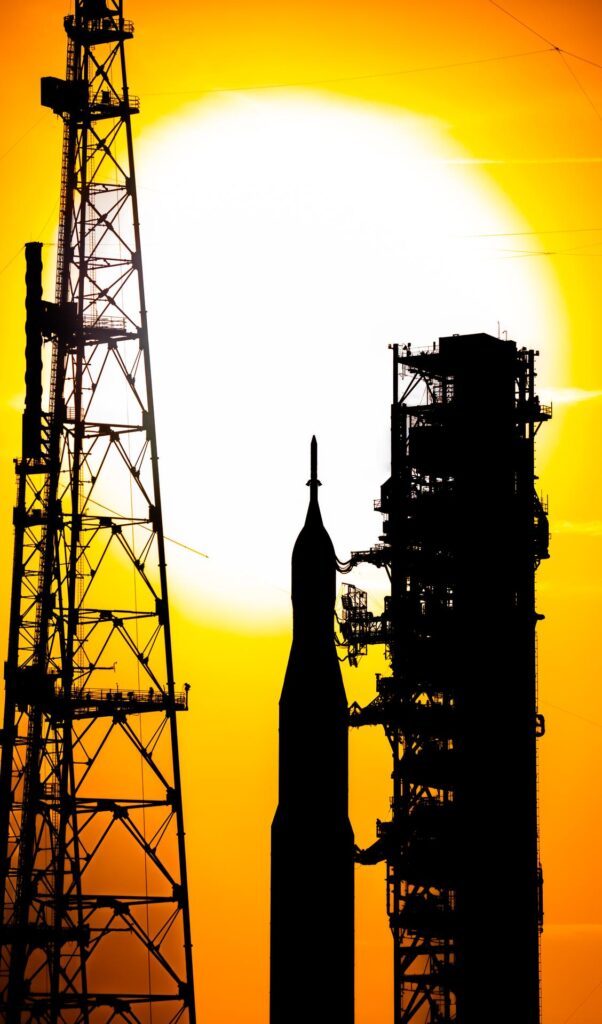 Photo courtesy of NASA/ Brandon Hancock
The mission was supposed to cover 4,600 miles and help understand Mars, in addition to the moon. It was set to take off in February. However, maintenance got in the way. A mandatory fueling test discovered that hydrogen was leaking from the rocket’s connection to the launch platform.
Known as a wet-dress rehearsal, the team loaded cryogenic propellant into the tanks to find concerns, then drained it safely. Ignoring this could have led to serious safety issues during takeoff, so the spacecraft remains earthbound for another month while experts address the issue.
Fortunately, the testing was otherwise successful in meeting its planned objectives. However, the erratic behavior of the propulsion fuel caused the launch sequencer to automatically stop. Fortunately, safety measures are in place to protect testers and astronauts. Performing as many security checks as possible improves the mission’s chance of success and the spacecraft’s resilience against other damaging factors, such as persistent space debris and electromagnetic interference.
The launch has been moved to March 6-9 or March 11, with a two-hour launch window. It will be even later if problems persist, pushing all the way into April. In the meantime, professionals will implement as many measures as possible to ensure the ship and rocket pass all tests to prevent further disruptions.
The Issue With Hydrogen Leaks
This type of mishap is not uncommon and has been a visible problem in shuttles since a 2008 NASA report detailing “the summer of hydrogen.” In the 1990s, leaks occurred frequently, aggravating countless people in the workforce because pinpointing and fixing them was difficult. The most common issue is with the seals and fittings on the launch pad that transfer the propellant. These lines move this supercooled liquid all the way to the tank. Sometimes, changing out the seal is the primary solution.
The fuels require durable, reinforced fixtures to handle the cold. Otherwise, pipes and fittings become brittle and start to crack. Even the smallest fracture and imperfection can lead to escaped hydrogen. Therefore, repairs typically start with warming the fittings to see if they can preserve the parts they have. If this process, known as reseating, fails, then the components will need to be replaced.
Missions will rely on this type of fuel for the foreseeable future, motivating industry experts to future-proof the sector. New designs and engineering advancements could create parts that are more likely to withstand the environmental stressors these fuels impose on machinery. Hopefully, this becomes a higher priority. If this mission is successful and the astronauts return safely with a wealth of new information about the moon, researchers may feel more driven to develop the next generation of leak-resistant fixtures.

Safe deployment of autonomous vehicles (AVs) comes down to cities’ ability to offer clean, dynamic data to everyone. INRIX, a leader in mobility analytics and real-time traffic intelligence, provides cities and operators with actionable insights to improve safety… Continue reading
Shooting for the Moon, Soon
While the astronauts can temporarily leave medical quarantine as the new departure date approaches, setbacks like this can affect morale. The anticipation for this historic launch continues to build, and the delay in discoveries feels discouraging. However, it is fortunate that safety checks are in place to ensure Earth’s astronauts remain safe. After all, their return is the most paramount aspect of any mission, as it motivates humanity to continue researching the stars above.