
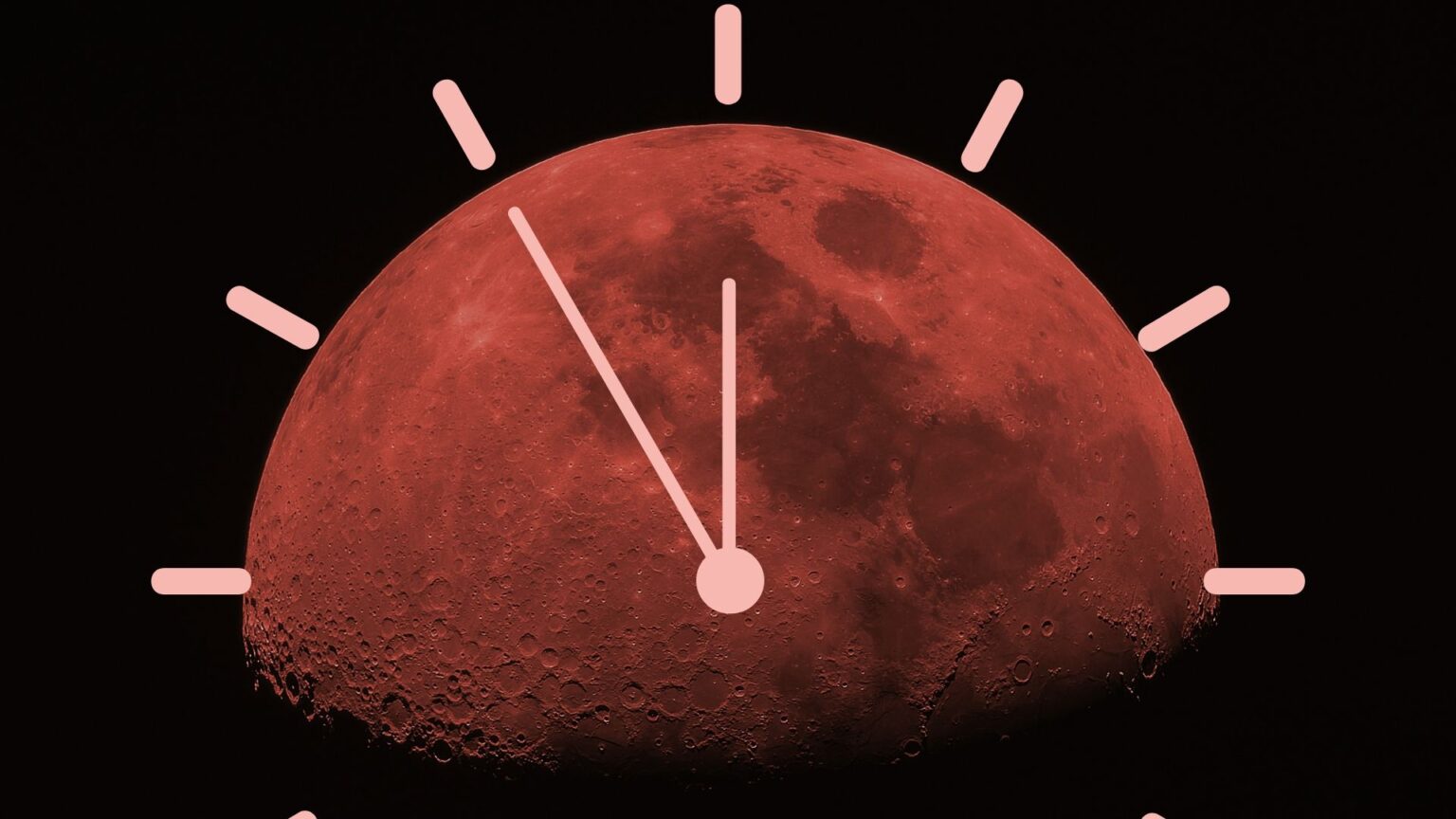
A total lunar eclipse will occur on March 3, creating a dramatic red “blood moon” for skywatchers across North America, Australia and East Asia.
During the March lunar eclipse, totality — when the moon is fully immersed in Earth’s dark umbral shadow and appears blood-red — will begin at 6:04 a.m. EST (1104 GMT) on March 3 and peak at 6:33 a.m. EST (1133 GMT). Totality will last for approximately 58 minutes, after which the moon will begin to exit from Earth’s shadow.
You may like
North America – lunar eclipse timingsPenumbral eclipse begins: 3:44 a.m. EST (08:44 GMT)Partial eclipse begins: 4:50 a.m. EST (09:50 GMT)Totality: 6:04–7:04 a.m. EST (11:04–12:03 GMT)Maximum eclipse: 6:33 a.m. EST (11:33 GMT)Partial eclipse ends: 8:17 a.m. EST (13:17 GMT)Key viewing times worldwide
Here are some key viewing times for the March 3 total lunar eclipse across different time zones, according to Time and Date. The timings represent when totality will occur, turning our lunar neighbor into a blood moon:
Eastern time: 6:04-7:02 a.m. EST on March 3, 2026 (the moon will set during totality in the Eastern time zone)Central time: 5:04-6:02 a.m. CST on March 3, 2026Mountain time: 4:04-5:02 a.m. MST on March 3, 2026Pacific time: 3:04-4:02 a.m PST on March 3, 2026Alaska time: 2:04-3:02 a.m. AKST on March 3, 2026Hawaii time: 1:04-2:02 a.m. HST on March 3, 2026New Zealand: 12:04-1:02 a.m. NZDT on March 4, 2026Sydney: 10:04-11:02 p.m. AEDT on March 3, 2026Brisbane, Australia: 9:04-10:02 p.m. AEST on March 3, 2026Adelaide, Australia: 9:34-10:32 p.m. ACDT on March 3, 2026Darwin, Australia: 8:34-9:32 p.m. on March 3, 2026Perth, Australia: 7:04-8:02 p.m. on March 3, 2026Tokyo: 8:04-9:02 p.m. JST on March 3, 2026Seoul: 8:04-9:02 p.m. KST on March 3, 2026Beijing: 7:04-8:02 p.m. CST on March 3, 2026Hong Kong: 7:04-8:02 p.m. HKT on March 3, 2026
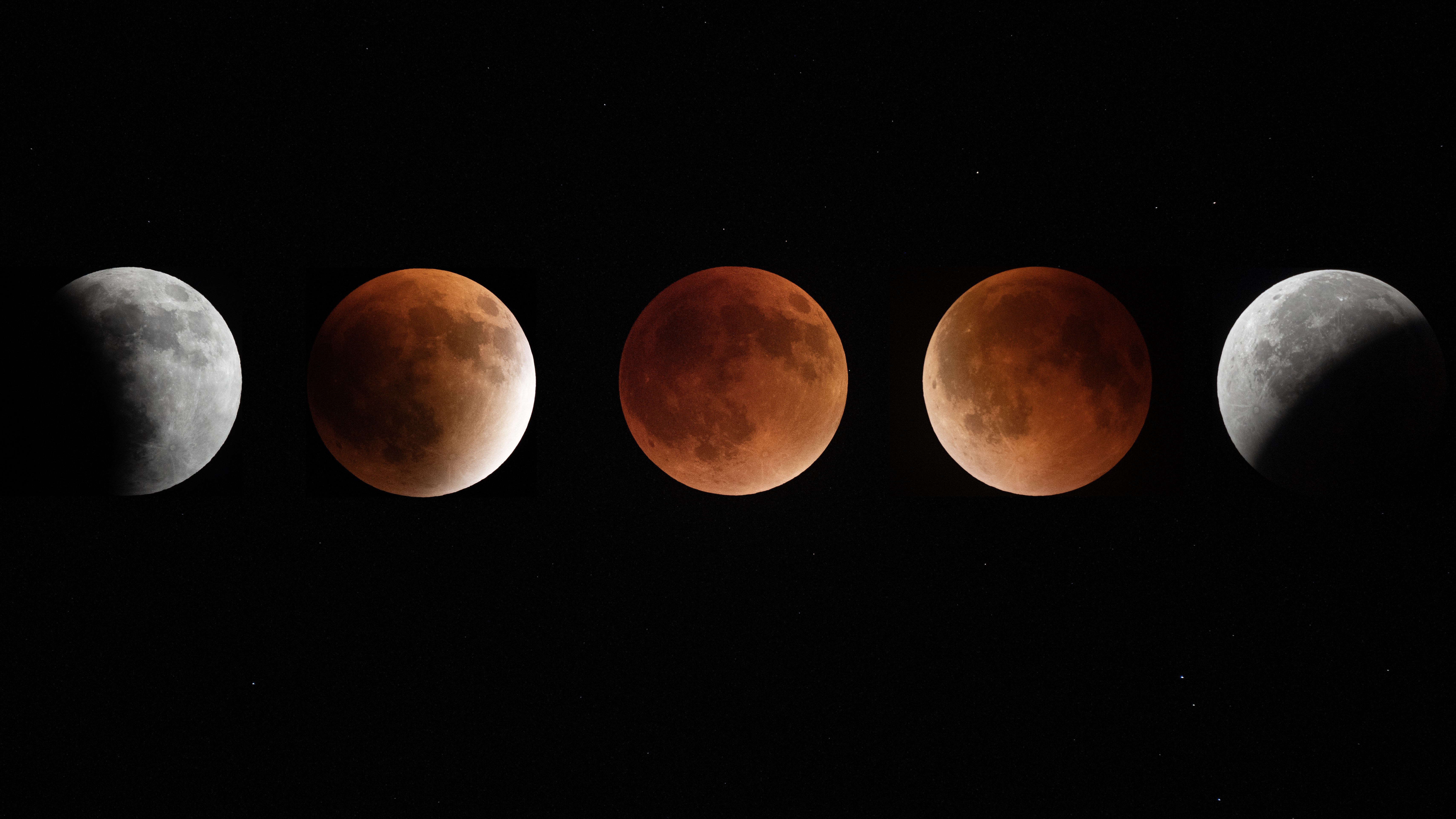
This total lunar eclipse composite image, captured from Colombo, Sri Lanka, on Sept. 7, 2025, shows the stages of a total lunar eclipse. (Image credit: Isura Nimantha/NurPhoto via Getty Images)
If you’re unable to catch the lunar eclipse in person, we’ll be livestreaming the event on Space.com. You can also follow along with the latest updates in our lunar eclipse live blog.
What will happen?
The eclipse begins at 3:44 a.m. EST (0844 GMT) when the moon enters Earth’s penumbral shadow, causing a subtle shading effect. As it moves deeper into the umbra, a dark shadow will creep across the lunar surface and the moon will turn a reddish-orange hue during maximum eclipse. The overall duration of the lunar eclipse will be 5 hours and 39 minutes.