
For a brief moment, Earth’s neighborhood in space had a new visitor.
Tracking systems flagged it. Lists updated. Another object added to the growing catalog of things circling our planet. Nothing unusual — until someone noticed the orbit.
It didn’t move like a random space rock.
It moved like it had been here before.
A fresh dot that didn’t feel fresh
Modern space tracking is mostly quiet work. Telescopes scan. Software logs. Astronomers compare numbers. Usually, a new entry is just that — another asteroid passing by.
This one got a standard designation, just like any small space object.
But its path looked… disciplined. Not chaotic. Not tumbling unpredictably like a fragment from a collision. The orbit felt controlled, almost intentional.
People who study orbital mechanics for a living noticed the pattern quickly. The curve, the timing, the way sunlight pressure nudged it — it didn’t feel natural.
It felt engineered.
The orbit that carried a memory
When experts analyze orbits, they do detective work with physics. They compare trajectories with old launch data. They rewind decades of missions. They ask one question: have we seen this before?
And suddenly, the math started pointing backward.
Not five years. Not ten.
More than fifty.
The numbers lined up with a story that began during the Cold War, when the race to explore space was just as political as it was scientific.
The “asteroid” that turned out to be Kosmos 482
The object was initially listed like any small asteroid. But further analysis suggested something different.
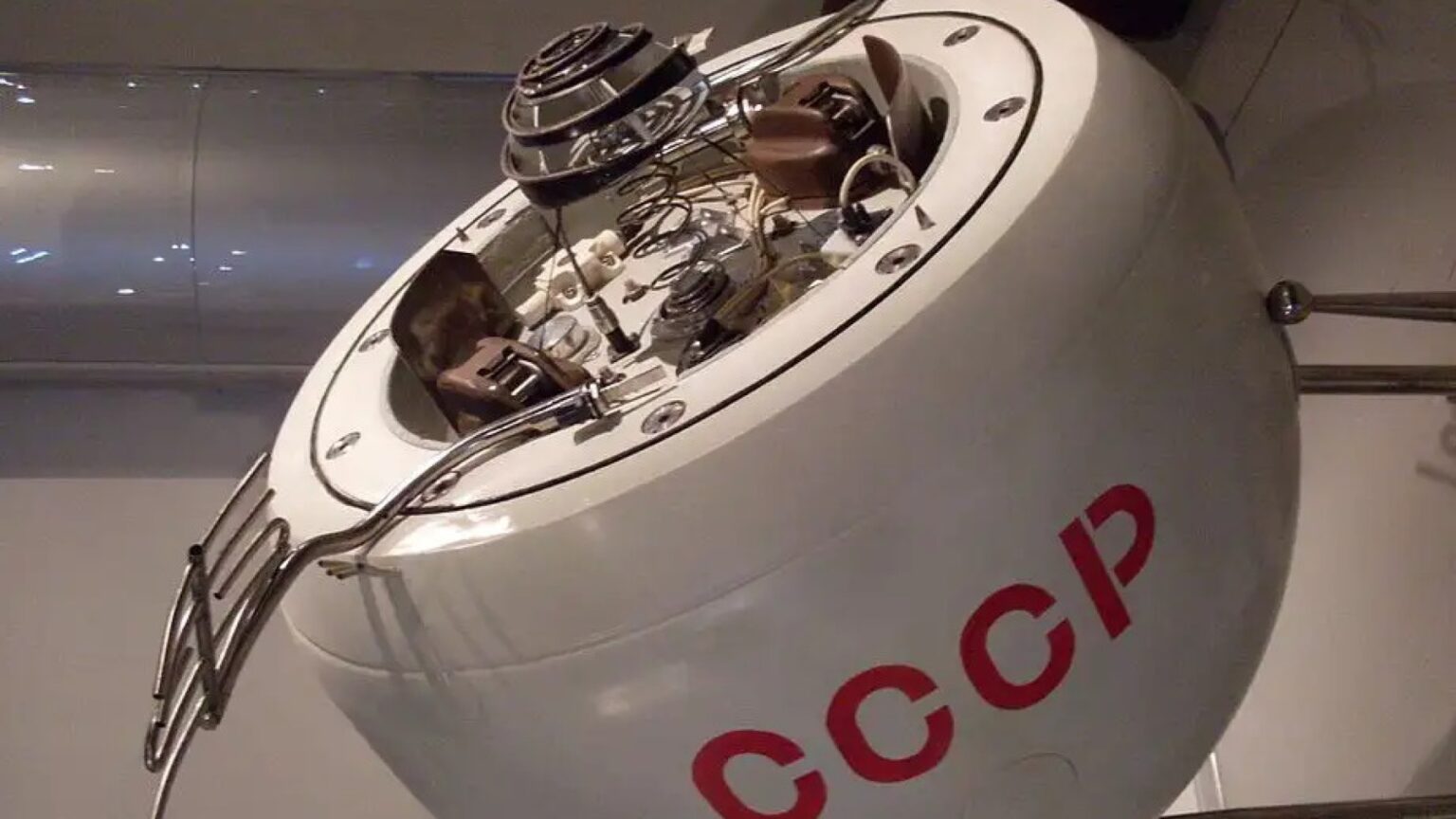
It was likely debris from Kosmos 482 — a Soviet spacecraft launched in 1972 as part of a mission to Venus. The launch failed. The probe never made it to its destination.
Instead, parts of it remained trapped in Earth orbit.
Analysts now believe the recently tracked object is connected to that failed mission
For decades, fragments of Kosmos 482 have circled Earth quietly. Spotting one again is like discovering a forgotten time capsule still moving at thousands of miles per hour.
Why the past drifting overhead still matters
This isn’t just a nostalgic space story.
Earth’s orbit is crowded. Thousands of active satellites power GPS, weather forecasting, banking systems, and global communication. Around them float dead rocket stages and aging spacecraft from earlier eras.
If a 1972 Venus probe can briefly masquerade as a new asteroid, that is a reminder: detection alone isn’t enough. Identification matters.
The sky is not empty. It is layered with history.
Space is often described as the future — reusable rockets, Mars missions, mega-constellations. But sometimes the future gets interrupted by the past.
And sometimes that past is still circling, right above our heads, following a schedule written half a century ago.