
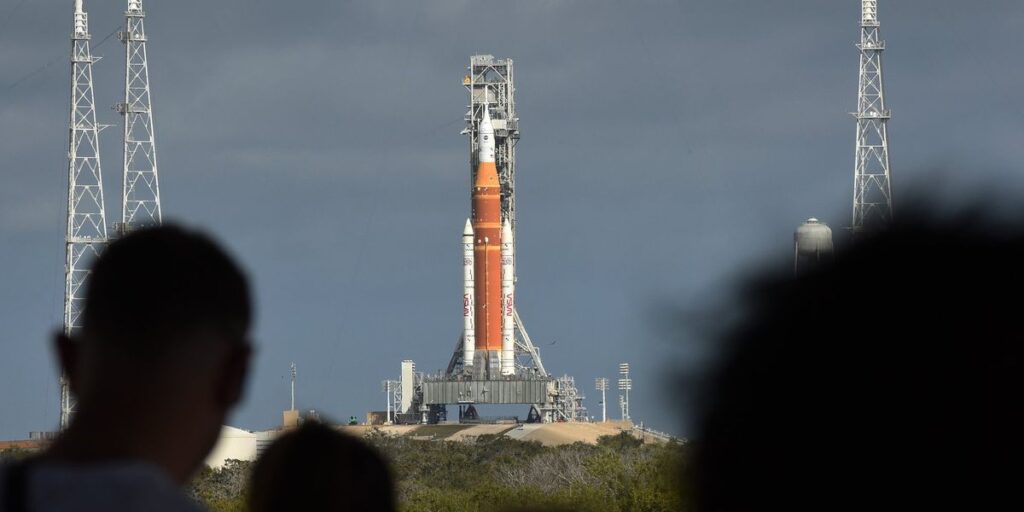
Nasa’s Artemis II Moon mission will almost certainly face a delay after engineers identified a major problem with its rocket.
Workers uncovered an issue with helium flow to the rocket on Friday evening during a crucial stage of launch preparations at Kennedy Space Center in Florida.
The space agency had previously set March 6 as its target date for sending four astronauts on a journey around the Moon.
A spokesman said: “This will almost assuredly impact the March launch window.”
The setback represents the latest challenge for the ambitious programme, which aims to return humans to lunar orbit for the first time in over five decades.
The crew comprises three American astronauts, Reid Wiseman, Victor Glover and Christina Koch, as well as Canadian Jeremy Hansen.
If the mission proceeds, they will become the first humans to travel to the Moon since the Apollo 17 crew in 1972.
The voyage would also set a new record for the furthest-ever human spaceflight.
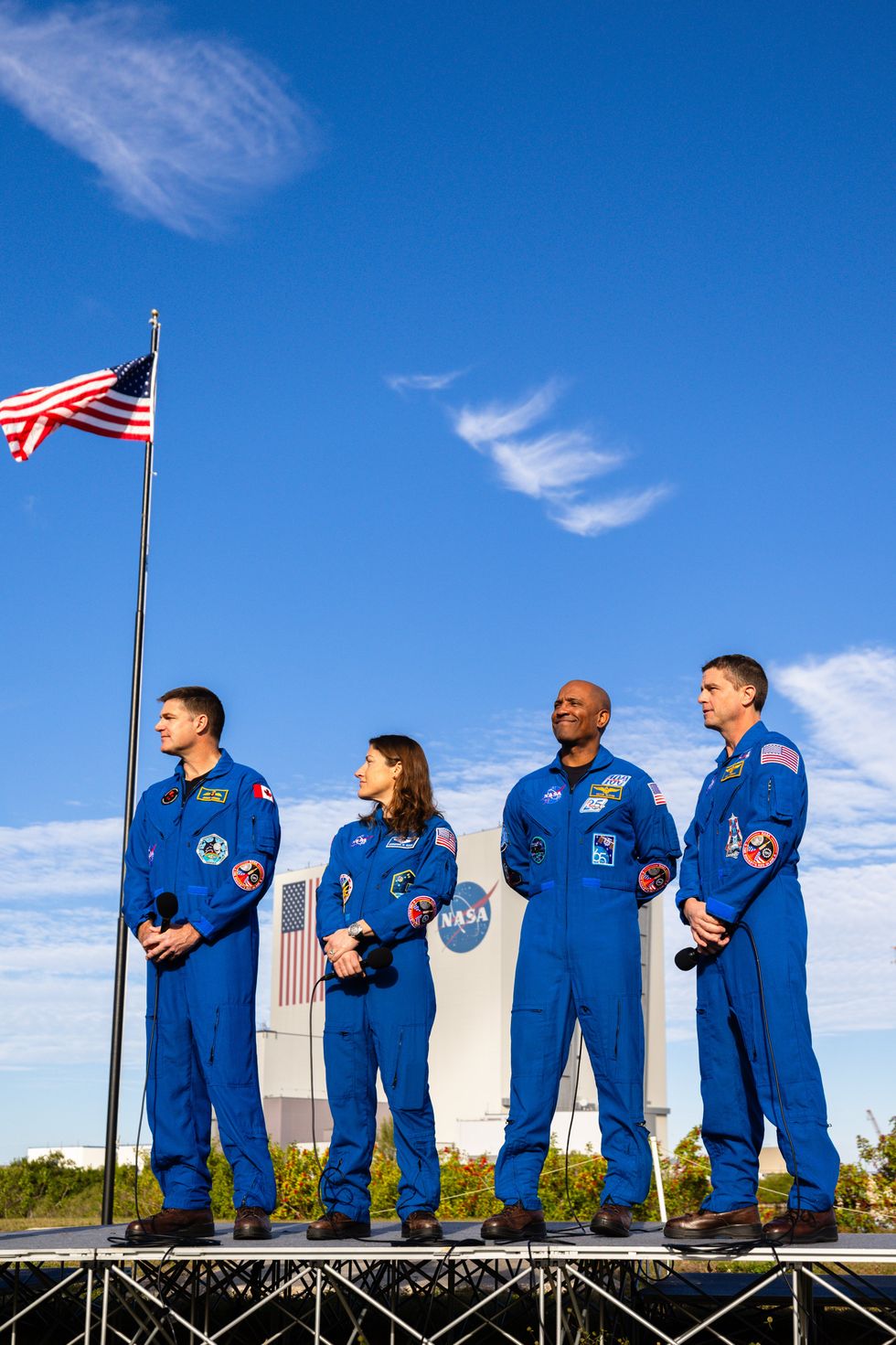
Three American astronauts, Reid Wiseman, Victor Glover and Christina Koch, as well as Canadian Jeremy Hansen, will head around the Moon
|
GETTY
However, the Artemis II mission does not include plans for landing on the Moon’s surface.
Instead, it serves as a preparatory flight ahead of Artemis III, which NASA has scheduled for 2028.
That mission will attempt to put astronauts back on the Moon itself.
This latest issue follows an earlier setback when a hydrogen leak disrupted the first launch rehearsal earlier this month.
Technicians subsequently replaced two seals on the rocket.
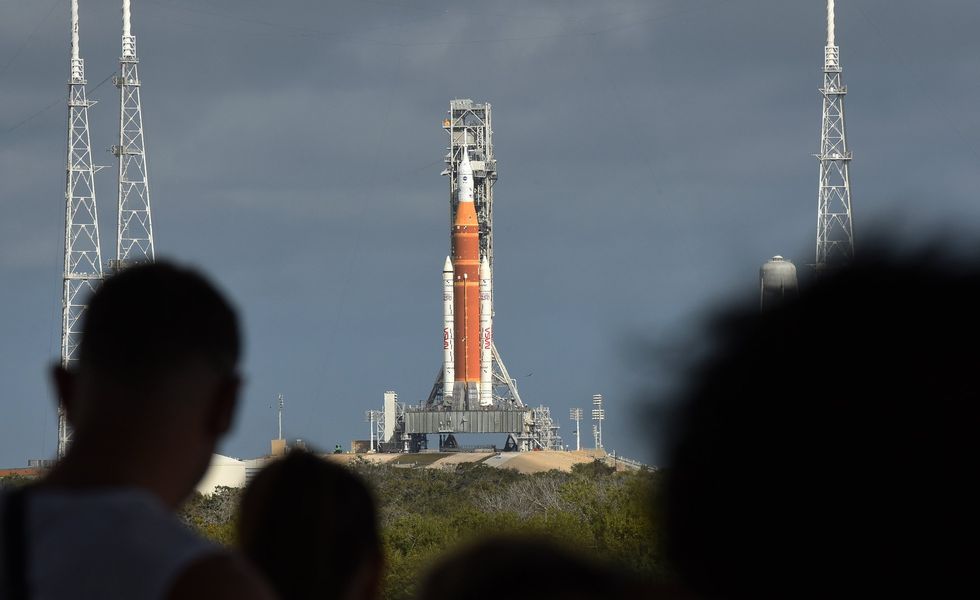
The Artemis II trip is looking to set a new record for the furthest-ever human spaceflight
|
GETTY
A second test was then completed on Thursday without any leaks.
Launch director Charlie Blackwell-Thompson described the successful test as “a big step in us earning our right to fly”.
The Artemis programme forms part of NASA’s broader ambitions to construct a lunar space station called Lunar Gateway.
This orbital outpost would provide a base where astronauts could live and work while preparing for eventual missions to Mars.
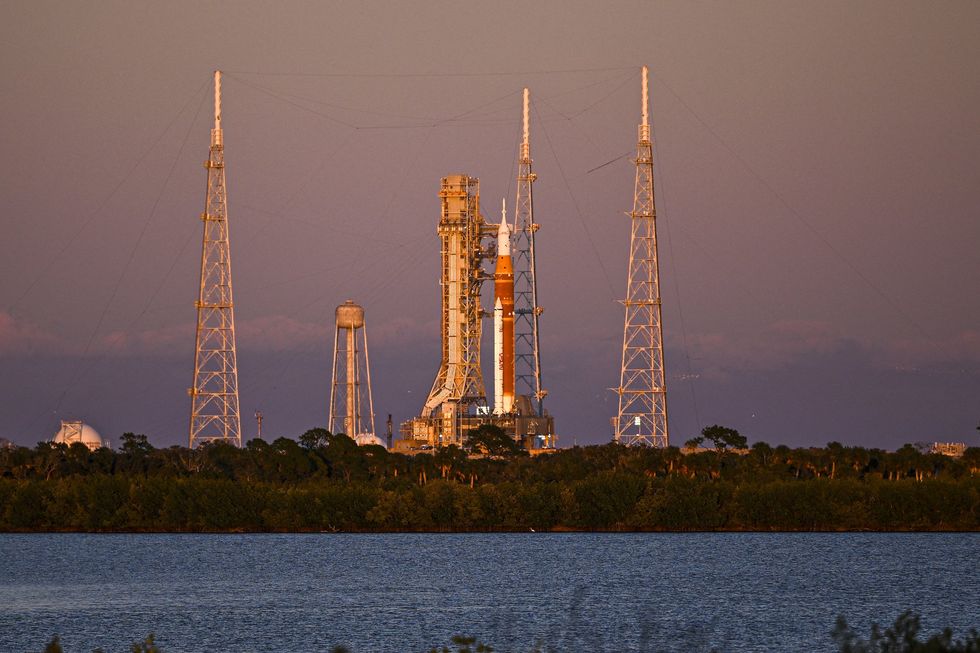
Artemis II could prove the first step on the path to setting up a ‘Lunar Gateway’
|
GETTY
The 10-day mission will see the crew testing life support, navigation and communication systems to make sure they function correctly in deep space.
The capsule will enter Earth’s high orbit, where the astronauts will take manual control of the Orion spacecraft.
Control will subsequently be transferred back to Nasa’s Johnson Space Center in Houston, Texas.
Crew will then spend four days orbiting the Moon, travelling roughly 4,600 miles beyond its far side.
The mission will conclude with the astronauts returning to Earth and splashing down in the Pacific Ocean.