
 Starliner verdict: NASA releases investigation findings
Ken Kremer, managing editor for Space UpClose, joined FOX 35’s Garrett Wymer live via Zoom to talk about the investigation findings of the 2024 Boeing Starliner flight incident. NASA Administrator, Jared Isaacman, had declared the Starliner flight a “type A mishap.”
ORLANDO, Fla. – NASA on Thursday formally classified Boeing’s first crewed Boeing CST-100 Starliner test flight as a “Type A mishap,” the agency’s highest-level designation for incidents that could have resulted in loss of life.
At a news conference releasing findings from an independent Program Investigation Team, NASA Administrator Jared Isaacman sharply criticized both Boeing and the space agency’s leadership, citing technical failures, poor decision-making and cultural breakdowns that put astronauts at risk.
The backstory:
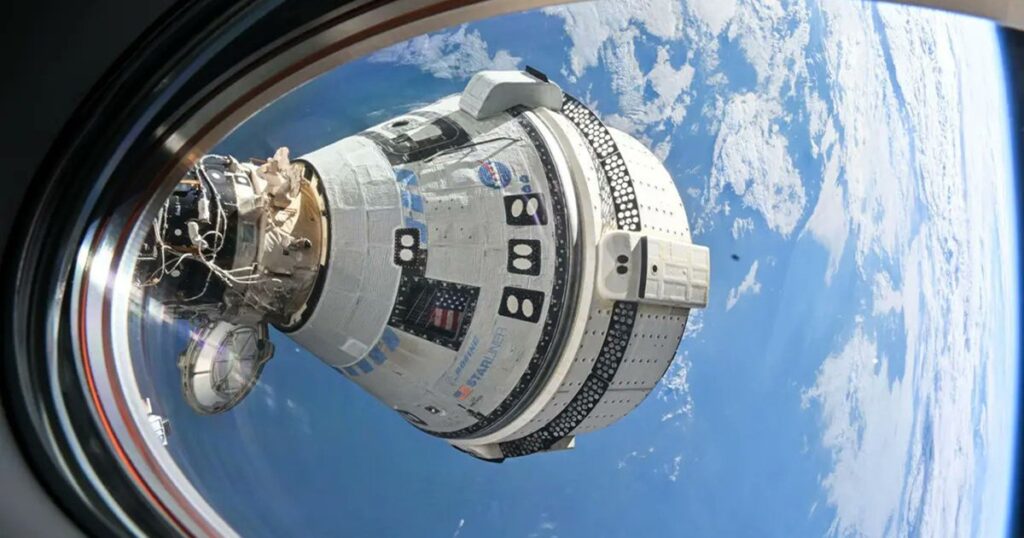
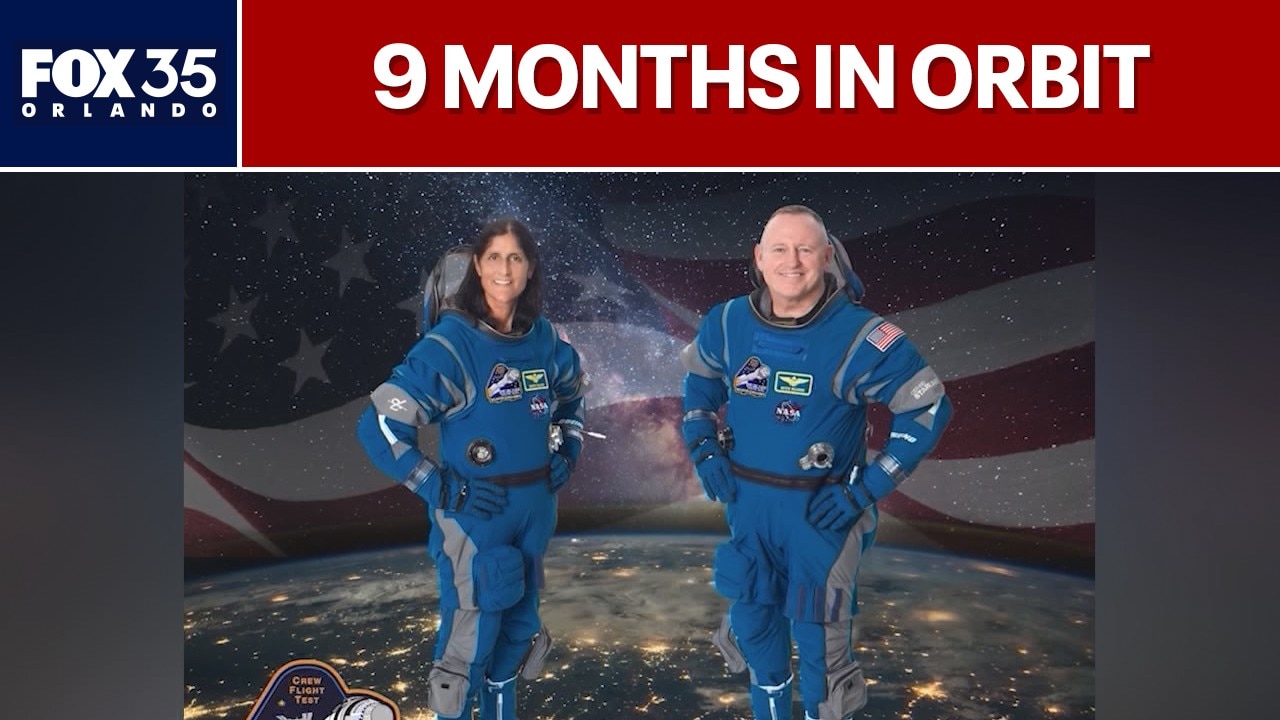
Starliner launched June 5, 2024, on its first crewed test flight to the International Space Station with NASA astronauts Butch Wilmore and Suni Williams aboard. Originally planned as an eight- to 14-day mission, the flight stretched to 93 days after propulsion system anomalies, including thruster failures, emerged during docking.
After ground testing in New Mexico and an extended on-orbit review, NASA opted to return the spacecraft to Earth without the astronauts.
Starliner landed in September 2024 at White Sands Space Harbor. Wilmore and Williams later returned to Earth aboard SpaceX Crew-9 in March 2025 after spending more than nine months at the station.
NASA Administrator Jared Isaacman’s letter
Below is the note that I sent to the NASA workforce today as we release the report on the Starliner Crew Flight Test Investigation.
We will achieve success through extreme ownership, immense competence, and decisive action. pic.twitter.com/UoXI25PFOQ
— NASA Administrator Jared Isaacman (@NASAAdmin) February 19, 2026
“We almost did have a really terrible day,” said NASA Associate Administrator Amit Kshatriya, referring to the potential for catastrophe during the troubled approach to the station.
The 312-page report, completed in November 2025, found an interplay of hardware failures, qualification gaps, leadership missteps and cultural issues inconsistent with NASA’s human spaceflight safety standards. Investigators concluded that broader program goals — including maintaining two commercial crew providers — influenced engineering and operational decisions before and during the mission.
Isaacman said NASA should have designated the flight a serious mishap earlier, acknowledging internal pressure to keep Boeing on track. “This is about getting the record straight,” he said. “We have to own our mistakes and ensure they never happen again.”
Watch: NASA full press conference 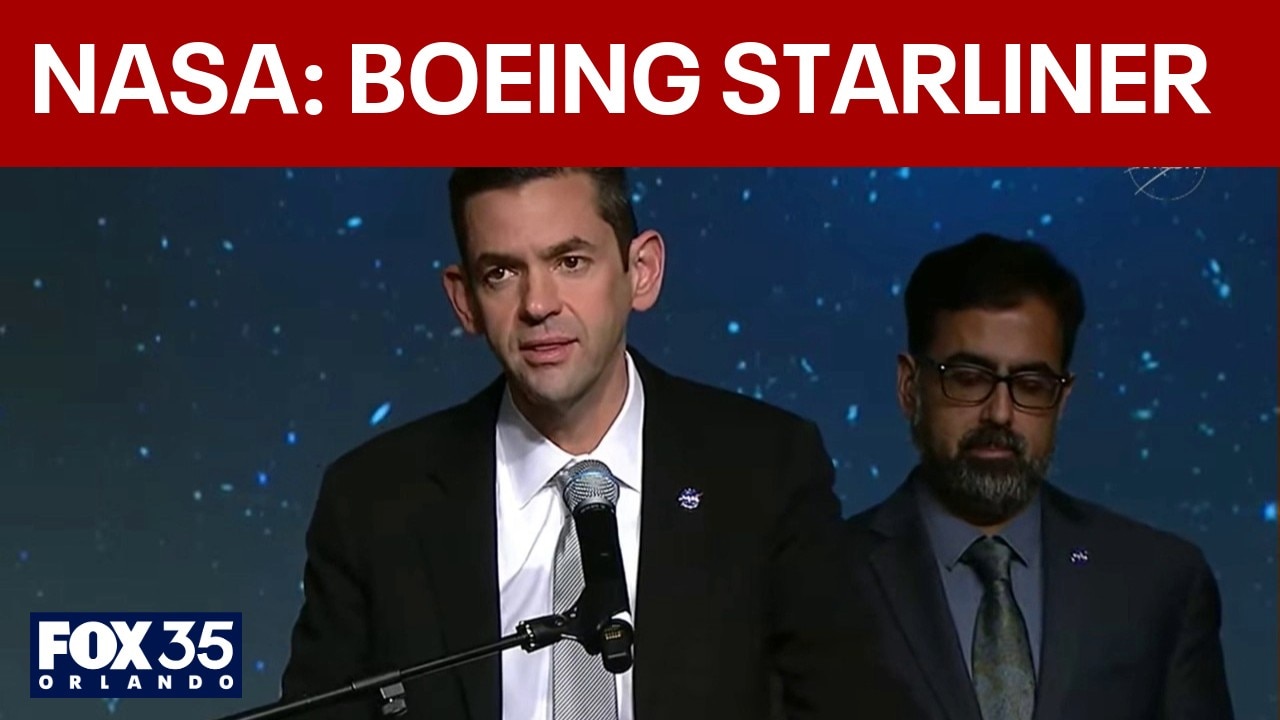 NASA releases report on crewed Boeing Starliner
FULL PRESS CONFERENCE | On Feb. 19, NASA Administrator Jared Isaacman discussed what went wrong with the Boeing Starliner crewed mission. The agency cited technical difficulties during docking as well as other areas that didn’t go according to plan.
The Type A classification, also used in past shuttle disasters, reflects the mission’s potential for severe consequences, even though no injuries occurred and control was regained before docking.
Read the report
Boeing said it has made substantial progress on corrective actions and cultural changes and remains committed to the Starliner program. There is no timeline for the next flight, which would likely be an uncrewed test to demonstrate safety before astronauts fly again.
What’s next:
The grounding leaves SpaceX as NASA’s sole U.S. provider of astronaut transportation to orbit. NASA and Boeing said they will continue working together to resolve technical challenges before returning Starliner to flight.
The Source: Information in this story was gathered from the National Aeronautics and Space Administration (NASA).