
Dr Nina Purvis is a British medical doctor (MD) and astronaut health researcher, who spent 13 months at Concordia station – also known as white Mars, a place more remote than the International Space Station – doing biomedical research on herself and the crew for the European Space Agency, to help inform medical considerations for astronauts on missions to the Moon and Mars.
Concordia station is located on a glacial plateau 1100km inland from the nearest coastal station. Its altitude 3200m above sea level results in chronic hypobaric hypoxia (a lack of oxygen) and a humidity level so low it is classed as an ice desert. A place of extremes, temperatures can drop to –80°C in the winter. The Sun does not rise above the horizon in the winter during the polar night, and does not set in the summer, impacting circadian rhythm and mood. The crew must live in complete isolation and autonomy for nine months of their mission – the stakes are high. The station is a collaboration between the French Institut Polaire Français Paul-Emile Victor (IPEV) and Italian Programma Nazionale di Richerche Antartide (PNRA) and serves as a high-fidelity analogue for Mars missions. The DC21 crew – Dome C Concordia station’s 21st winterover crew – was composed of 13 scientists and technicians.
Winter is here
The title of this blog is an apt quote from Albert Camus, one that I kept repeating to myself after some of the darkest days of our winterover. Writing this all in retrospect, I cannot understate the extremeness of surviving and working at Concordia station for a winterover. I feel an overwhelming gratitude that we made it in terms of our health and safety, and that we completed our projects to the best of our abilities. To write about the good times makes me miss them, and to write about hard times is something I am still trying to do and processing. Let me showcase the highlights of my winterover…
The beginning of the winterover starts in February each year. We wave goodbye as the last of the summer crew leave on the last plane of the summer season and we are now left alone, isolated from the outside world for 9 months, completely autonomous in daily life and in case of emergency.
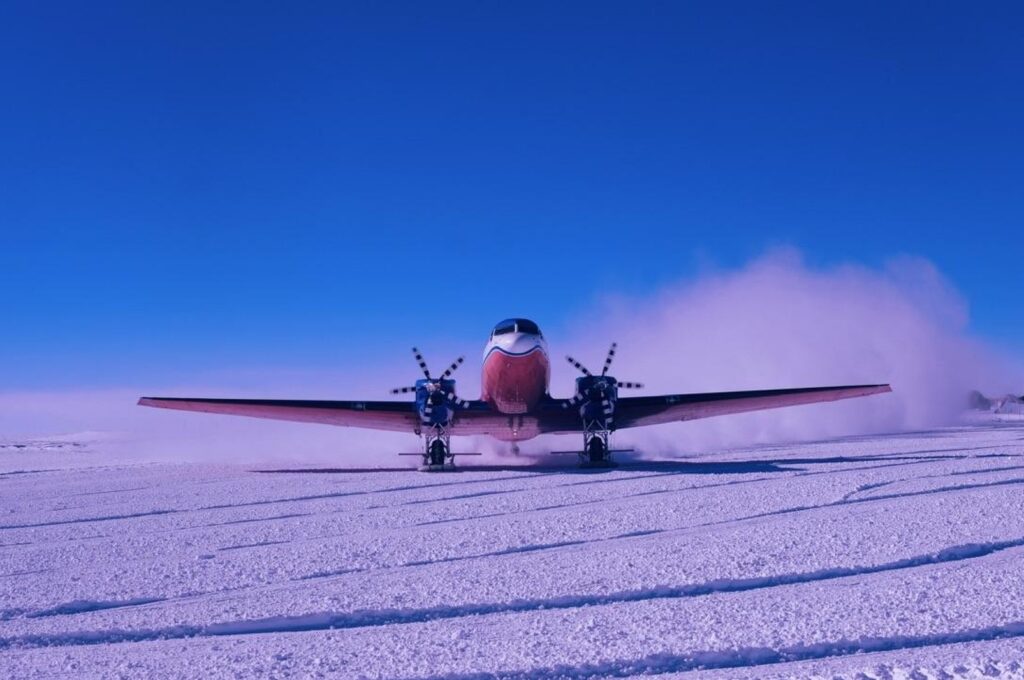
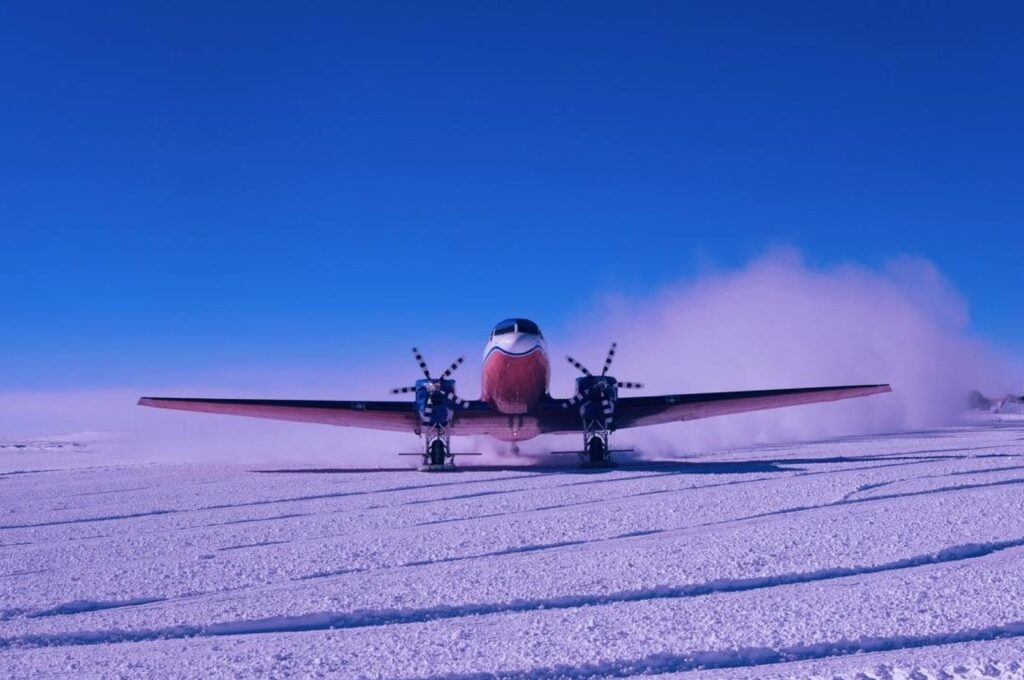 The plane that was once a frequent visitor – bringing visiting scientists and food – leaves, and the ice runway is closed for the winter. (Credits: ESA/IPEV/PNRA-J. Lacrampe)
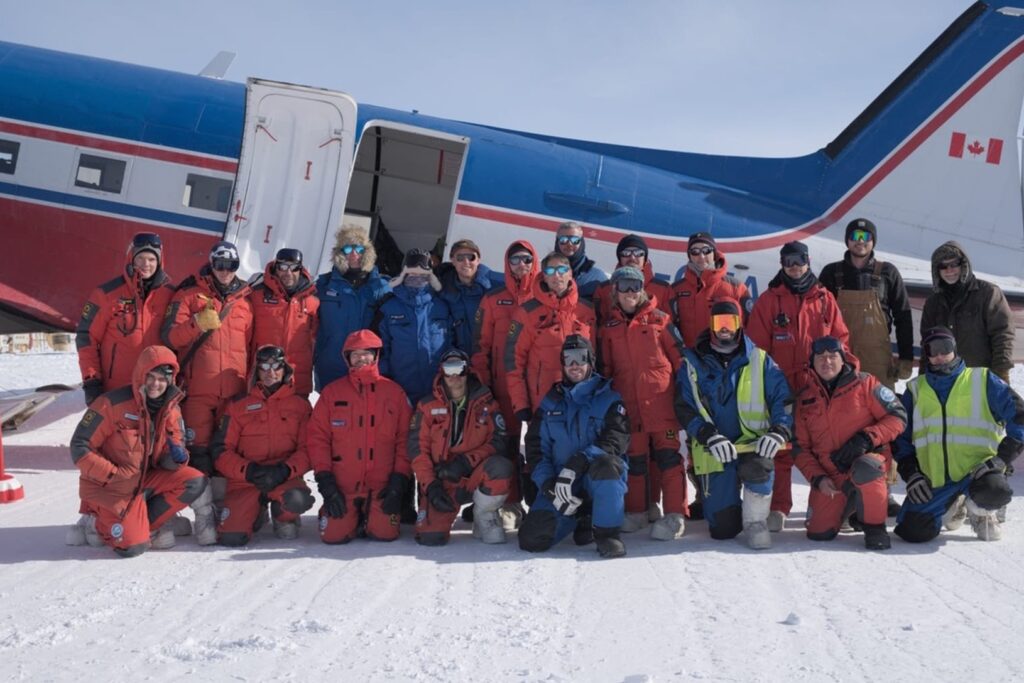 The last photo of the outgoing summer crew and the remaining winterover crew. (ESA/IPEV/PNRA-C. Arrat)
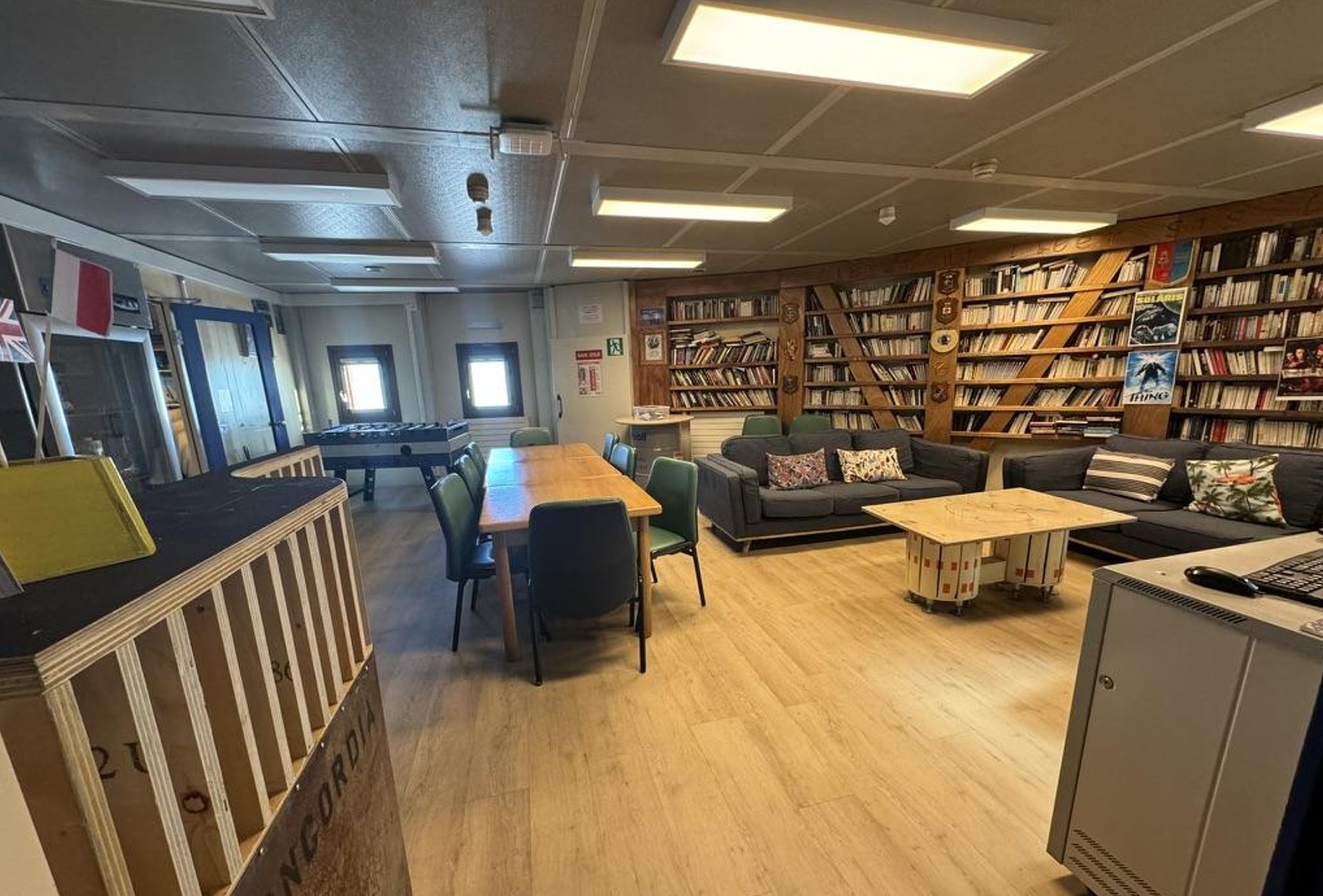 A very empty station. (Credits: ESA/IPEV/PNRA-N. Purvis)
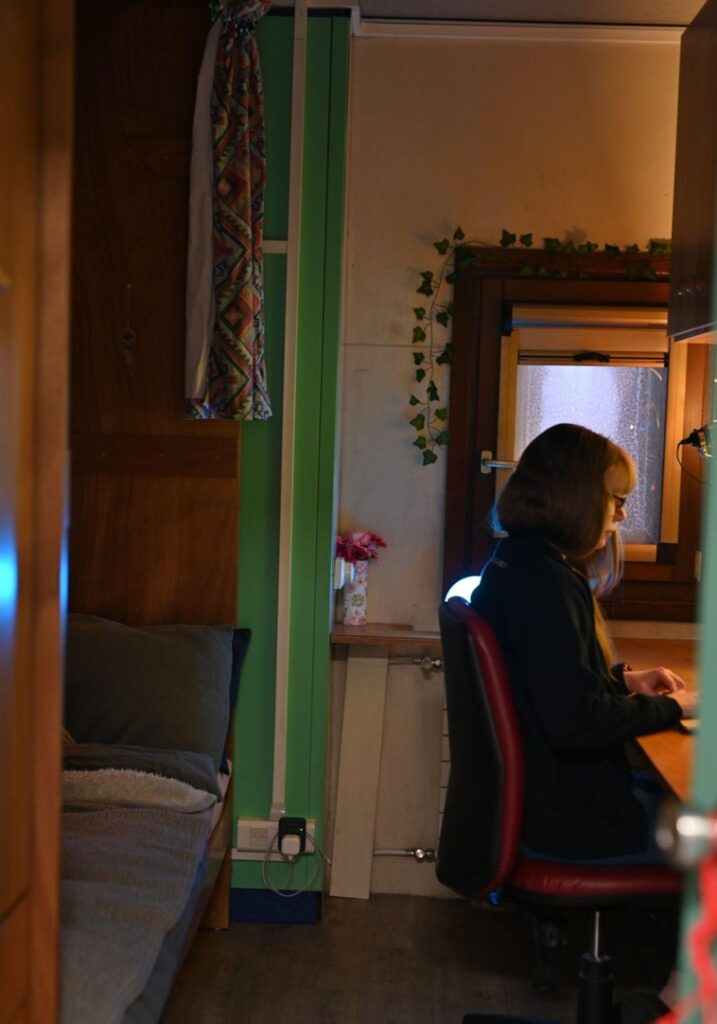
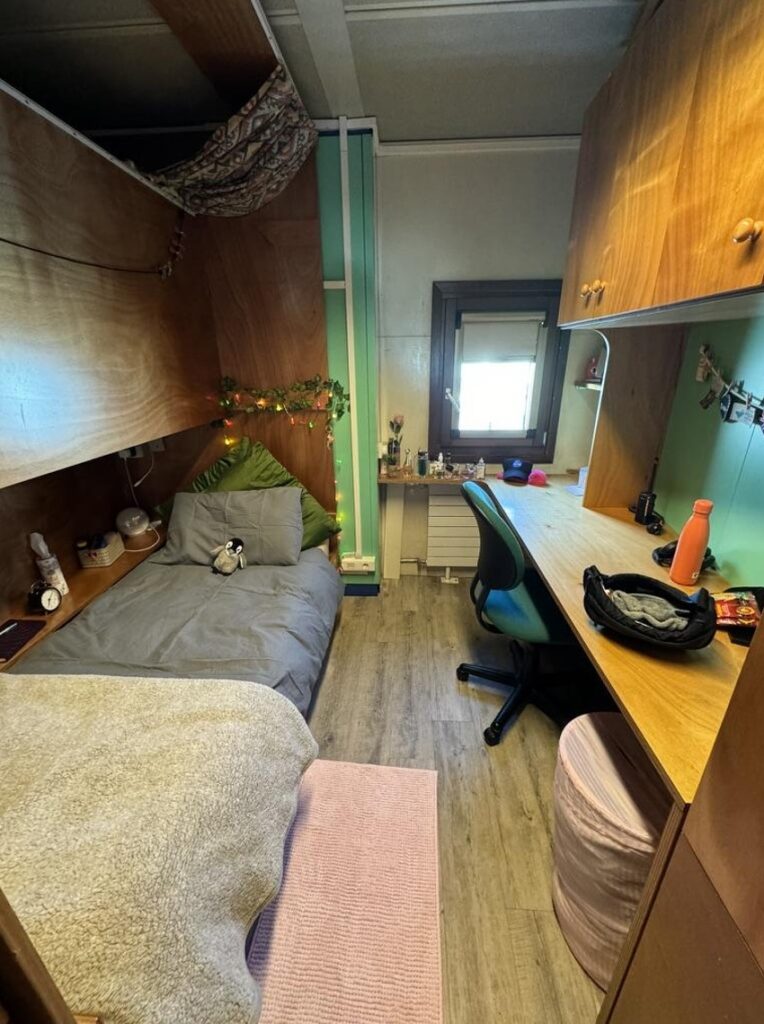 And finally, my own room! (Credits: ESA/IPEV/PNRA-C. Arrat, N. Purvis)
The extremes of Concordia
Concordia station earns its nickname of White Mars not just for its stunning, barren ice landscape, but mainly for the extreme conditions a crew faces living and working here. A crew of 13 multicultural and multidisciplinary workers, living in complete isolation in the world’s most extreme environment: extreme cold, low humidity, hypobaric hypoxia at altitude, in complete sunlight or darkness for many months. It is an ideal opportunity to conduct research into the adaptation of the human body and mind in extreme conditions, how we perform in these conditions, and what countermeasures we can implement to facilitate better adaptation and performance. ESA sends a doctor to do that to inform plans for human spaceflight.
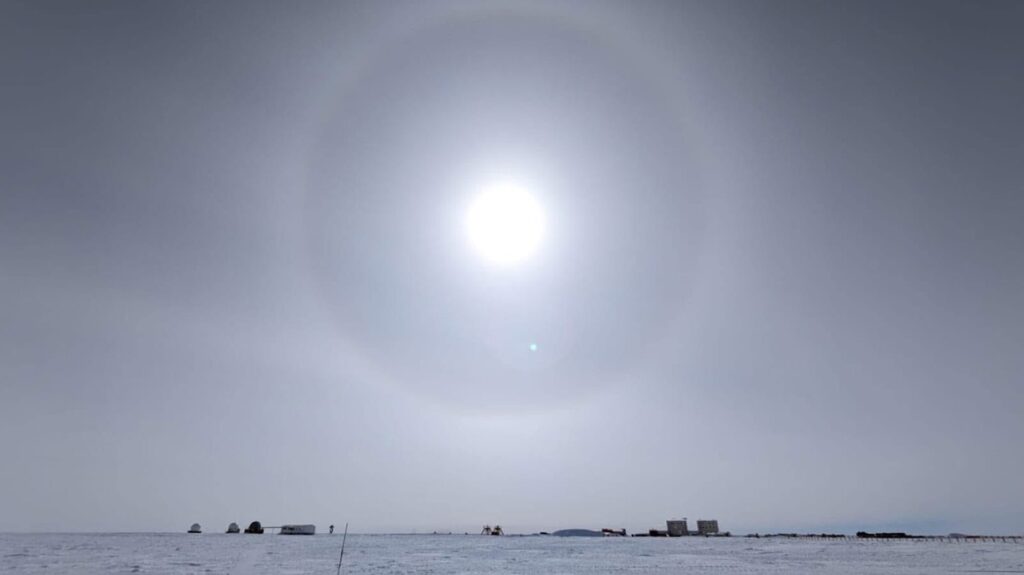 “White Mars”: a sun halo over Concordia station – it feels like another planet. (Credits: ESA/IPEV/PNRA-C. Arrat)
We said goodbye to the Sun in May, as well as “warmer” temperatures. I now personally class -30°C as t-shirt weather in comparison to the winter temperatures on Dome C, our glacial plateau. The temperature drops to -80°C with wind chills of -100°C. The polar night sets in with complete darkness from May to August. The last sunset was a huge deal and an emotional goodbye – we remained in twilight for a few weeks before the light was gone completely.
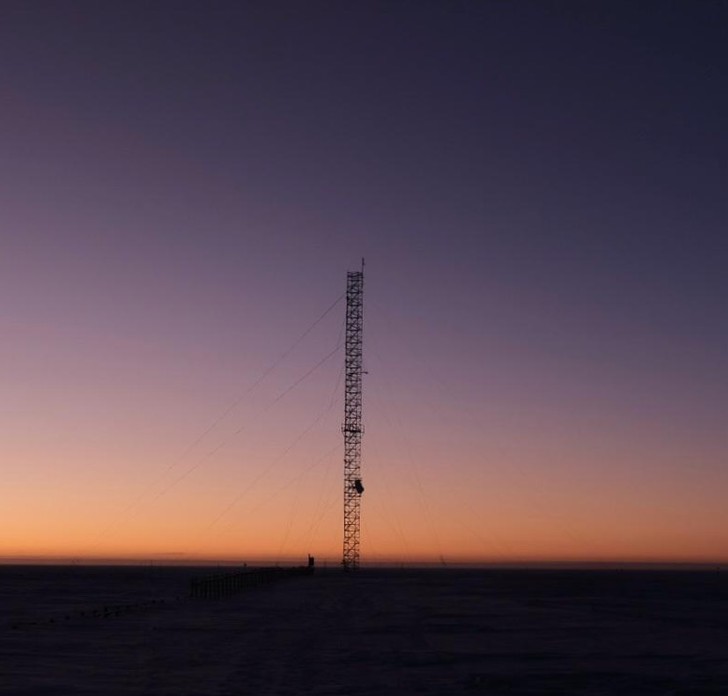
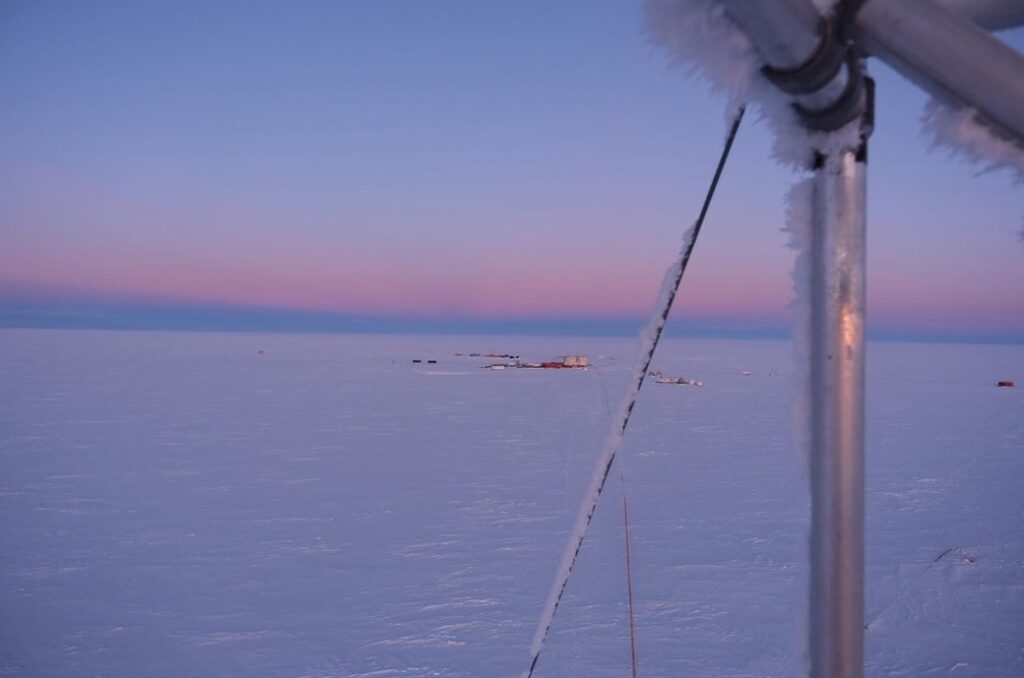 The beautiful pastel sunsets at the start of winter. (Credits: ESA/IPEV/PNRA-J. Lacrampe)
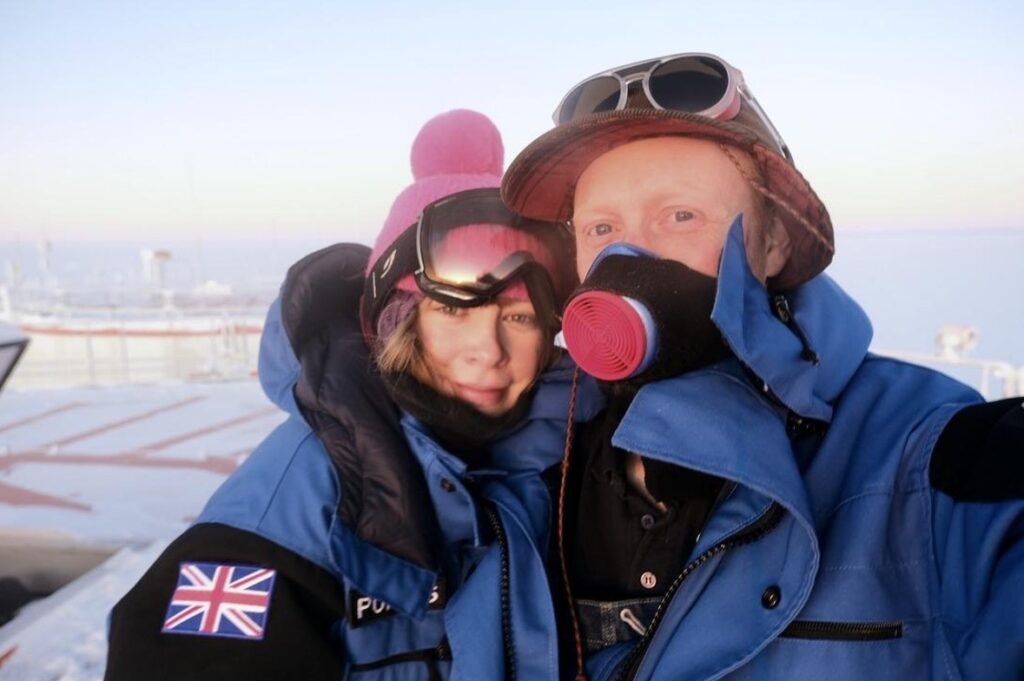 Watching the last sunset from the station rooftop with Julien, our electrician and rescue expert. (Credits: ESA/IPEV/PNRA-J. Lacrampe)
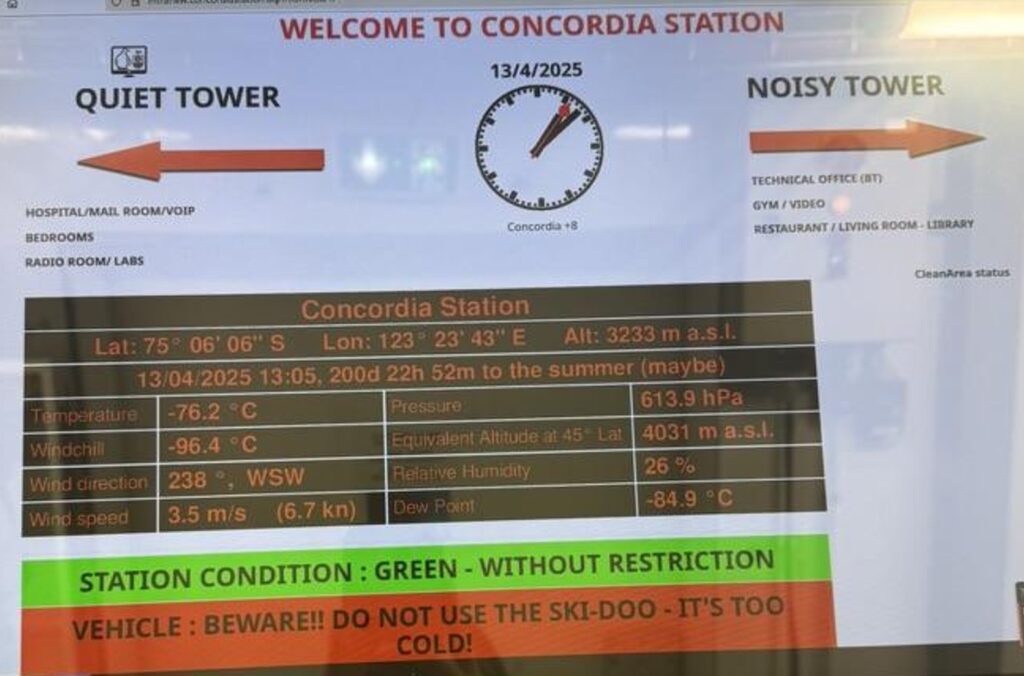
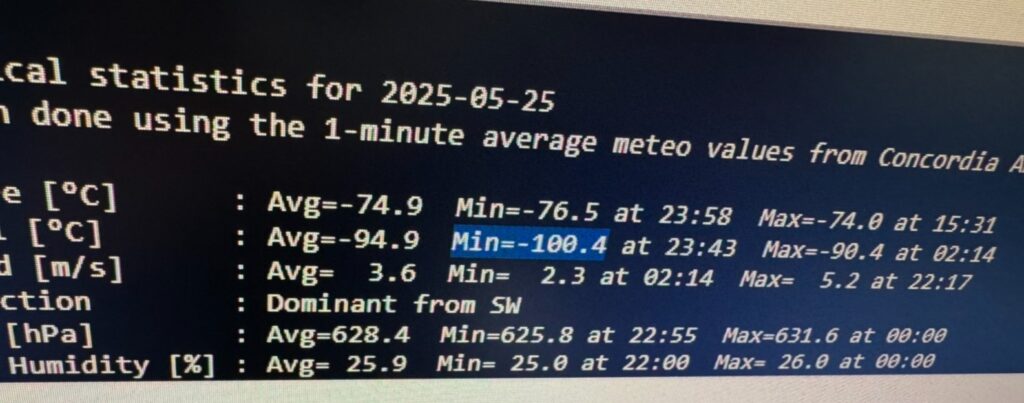 We could check the real time temperature, wind speed, humidity and equivalent altitude – as you can see these numbers are extreme. Some days we were not allowed outside at all, even for work in our extreme weather gear. (Credits: ESA/IPEV/PNRA-N. Purvis)
Time to get to work
For me, this is why I came on this mission: to conduct biomedical and psychological studies on myself and the crew, as these are the conditions that mirror those faced by astronauts on long-duration exploration class missions. Every year Concordia station hosts an ESA MD and a human research protocol coordinated by ESA and the French and Italian polar institutes, with projects from research institutions across Europe. The research role of the ESA MD is to plan a schedule (along with rescue training and water analysis duties), motivate the crew to partake, to set up the equipment, collect data via protocol, to process or analyse data, and to facilitate storage and transport of samples back to Europe and upload digital data securely. For DC21, I carried out 8 studies on behalf of research groups.
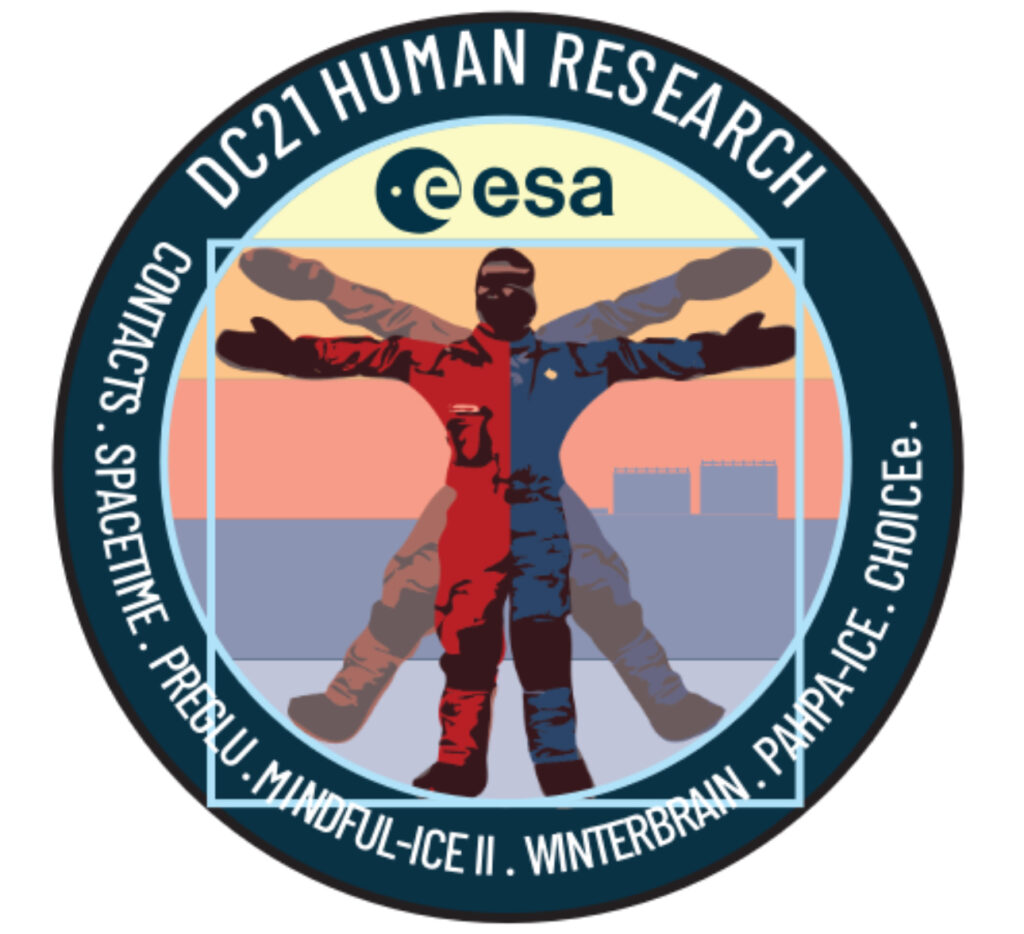 The DC21 ESA human research patch – we made stickers! (Credits: Thoolen/ESA/IPEV/PNRA
You can read about many past studies on this blog from previous winterovers, and those published were summarised in a recent paper in Experimental Physiology celebrating 20 years of biomedical research here at Concordia station.
Editor’s note: you can read a summary of these 20 years of research plus some studies performed in the years since this paper came out on our blog here.
Let me tell you about the studies. First up are the International Standard Measures, or as we liked to call them: the iPad questionnaires! These are a standardised set of questionnaires done weekly or monthly that evaluate everything from sleep to diet to mood to crew dynamics. They are also carried out in space and other analogues. It sounds easy enough, but it is tedious to repeat questionnaires, and often the questions made you face what you were feeling – physically and mentally – and so I tried to motivate myself and the crew the best I could.
Then, we have ConTACTS (DLR, Germany), which stands for Contamination Tracking and Antimicrobial Testing Surfaces in Concordia. This study has also been performed on the ISS! This study investigates the decontamination properties of different surface materials. The crew are encouraged to touch arrays of the materials every day to see which microbes survive there at the end of the year. The study also monitors the crew’s skin microbiome over the year with skin swabs. This research is relevant for planning habitats on the Moon and Mars – bacteria, viruses and fungi have the ability to mutate and cause dangerous infections, a threat to astronauts living in these habitats.
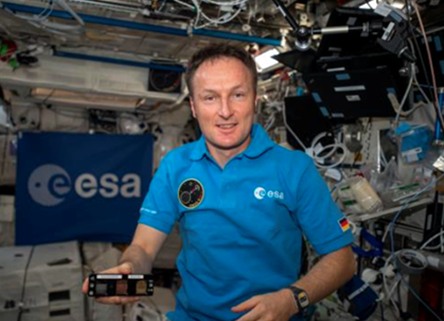 CONTACTS as carried out by ESA astronaut Matthias Maurer on the International Space Station (ISS). (Credits: ESA)
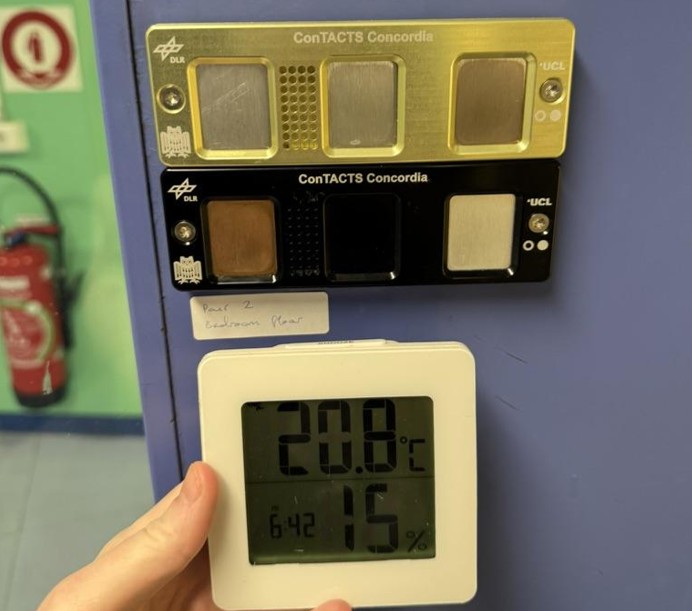 CONTACTS experiment in Concordia. Credit: ESA/IPEV/PNRA-N. Purvis
Next, a crew favourite – MINDFUL ICE II (Università Cattolica del Sacro Cuore, Italy). This study’s predecessor – Mindful Ice I – was carried out at Concordia with results published here, showing a strong correlation between mindfulness and mental wellbeing, reducing stress and improving crew dynamics. A mindfulness-based training programme specifically designed for human activities in isolated and extreme environments was implemented for us before and during the mission, to test whether mindfulness interventions can improve psychological adaptation in extreme conditions. Mindfulness also has a huge benefit in being a low payload countermeasure. Also, we got to play with Lego!
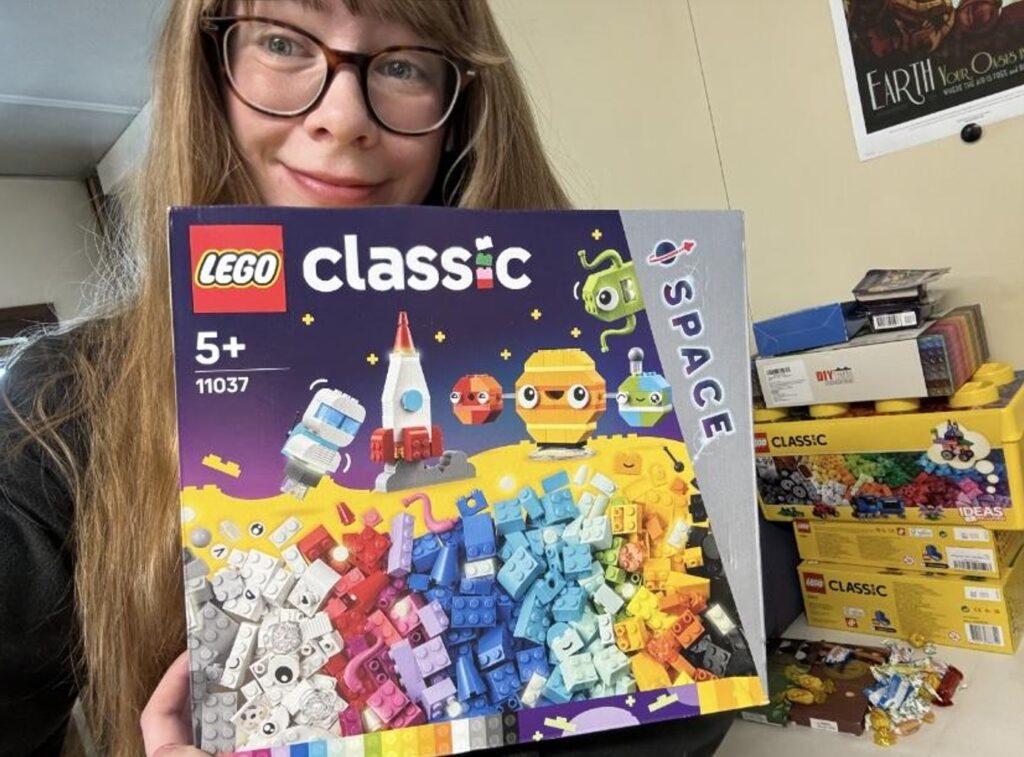 Space Lego! We did a variety of exercises and activities individually and as a group throughout the year. (Credits: ESA/IPEV/PNRA-N. Purvis)
PAHPA ICE (Universite Paris-Saclay, France) – Physical Activity and Health, Pluridisciplinarity Approach in ICE – is an investigation of exercise tolerance, cognition, and psychological adaptation to the extreme environment, in particular hypoxia. This included a battery of tests including an exercise test, computer-based cognitive testing, saliva samples over the course of a day, a body composition measurement, and the wearing of an actimeter with food diary. It was so interesting to see how muscle, fat and bone mass changed over the winter. I can say for myself, the weight I did lose, I have put back on now…
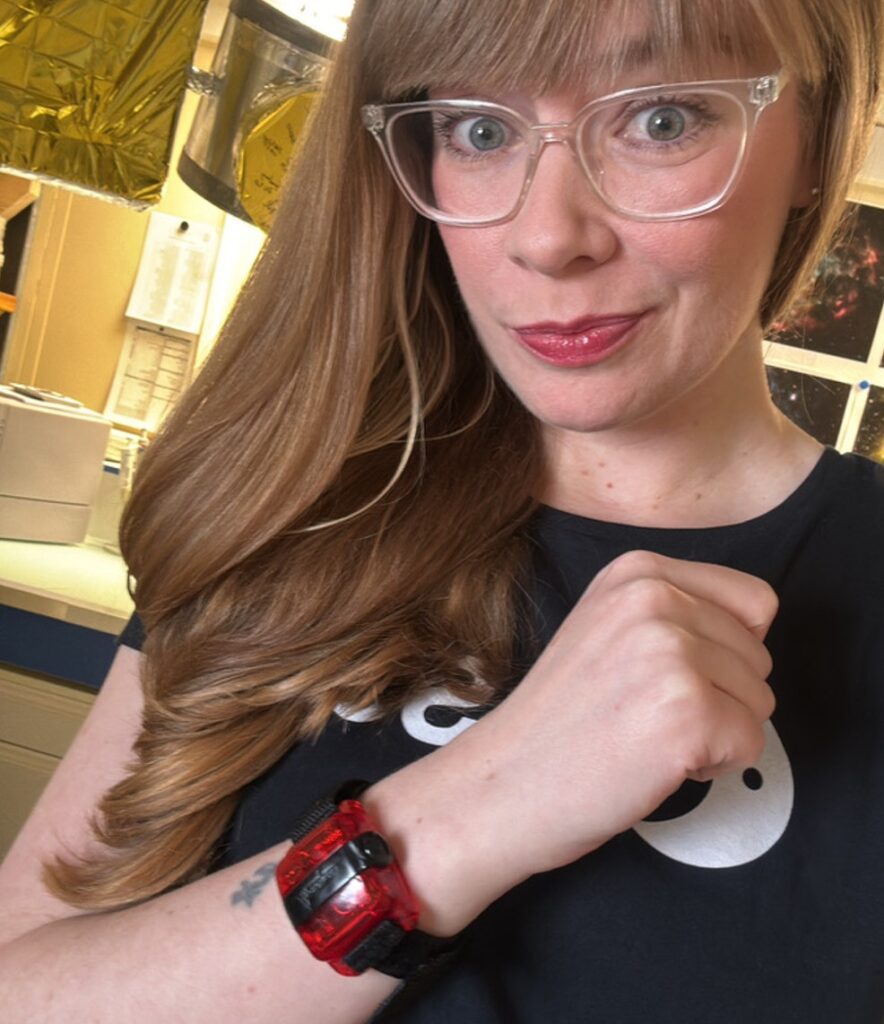 Modelling the PAHPA ICE swag – the activity monitor. (Credits: ESA/IPEV/PNRA-N. Purvis)
PreGlu (IU of Applied Sciences, Germany) is a study looking at prebiotics as a countermeasure and its impact, possibly protective, on glucose tolerance, gut microbiota, immune system and metabolism. It included blood tests done every couple of months including an oral glucose tolerance test and, much to the crew’s delight, self-stool sampling (all in the name of science). This was a study that required much motivation as you needed to take a daily supplement.
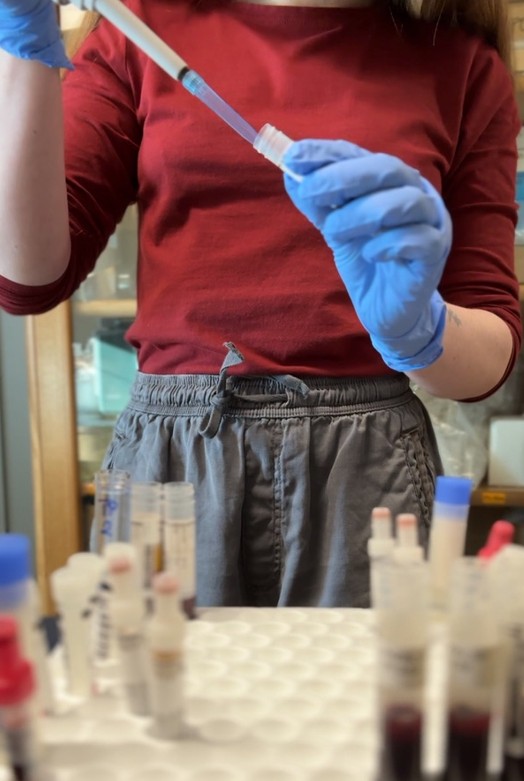
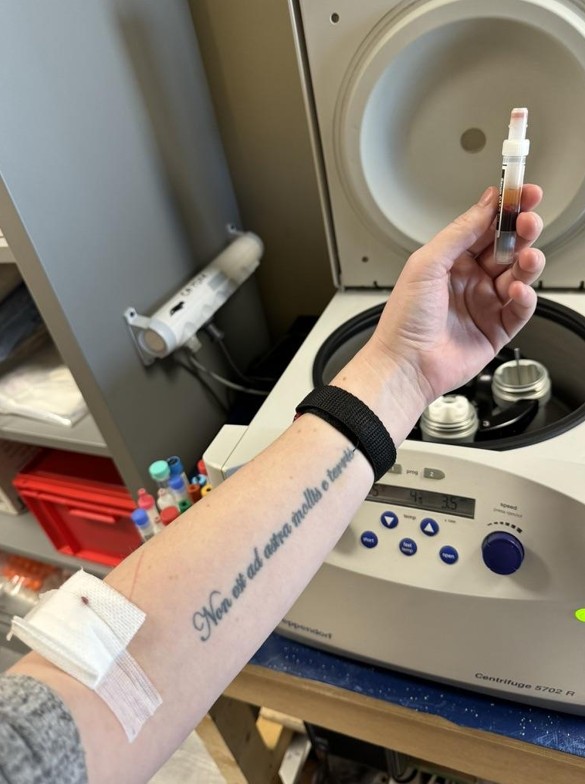
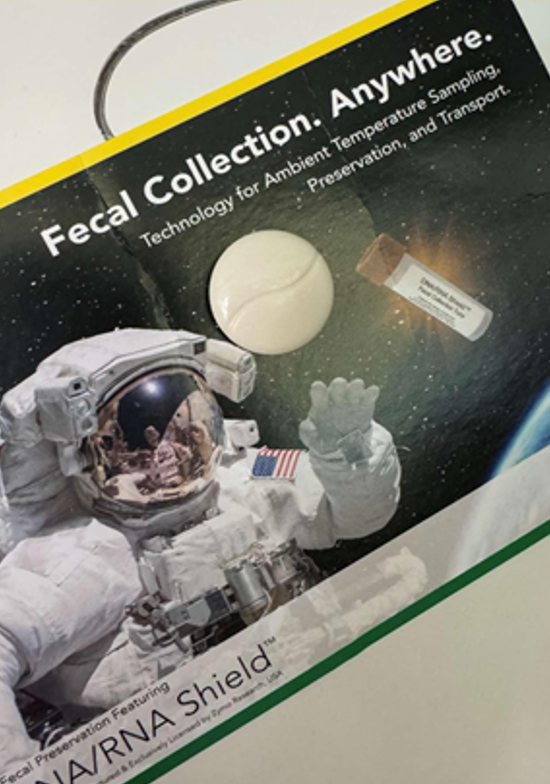 I did master self-cannulation but needed a lot of support from my crew – I am not so tolerant of needles! Also, did you know they have special tubes for sampling stool in space? Neither did I, until this job. (Credits: ESA/IPEV/PNRA-N. Purvis)
A study from the UK, SPACE-TIME (University of Liverpool, UK), looked at the passage of time during extended isolation and confinement. This was a set of questionnaires to establish how the subjective speed at which time passes is affected by prolonged isolation & confinement. Insert interstellar joke here.
CHOICEe (LMU, Germany) looked at the consequences of long-term confinement and hypobaric hypoxia on immunity in the Antarctic Concordia environment. This was an interesting one because it also continues after the mission to see if we develop sensitivities or allergies to things we reintroduce when returning to civilisation.
And one for the spaceflight fans – WINTERBRAIN (DLR, Germany and Harvard, USA), which measured brain activity as well as other parameters during a standardised, learning task on the Soyuz docking simulator. Even Astronaut Thomas Pesquet has completed this study – rankings pending…
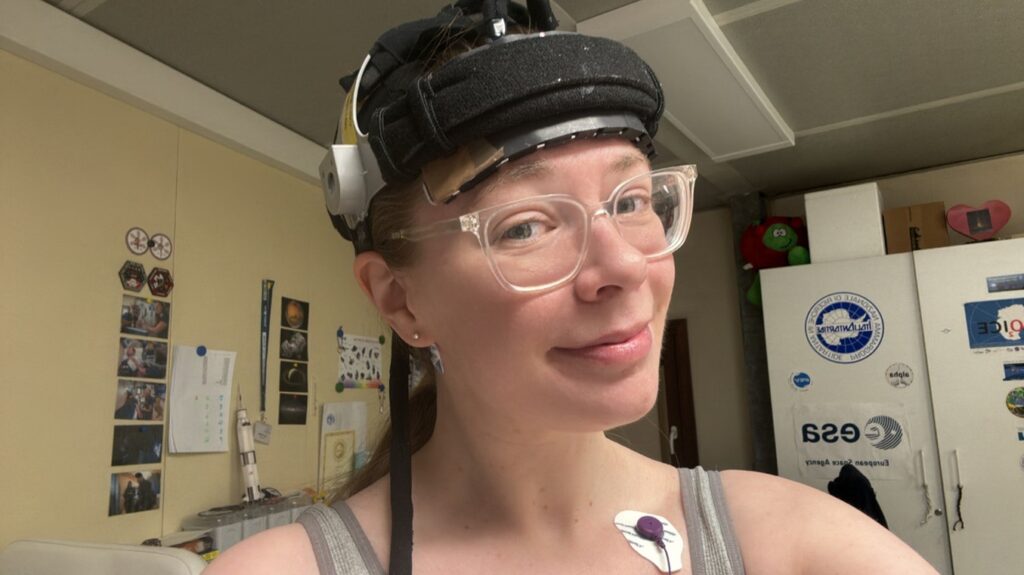
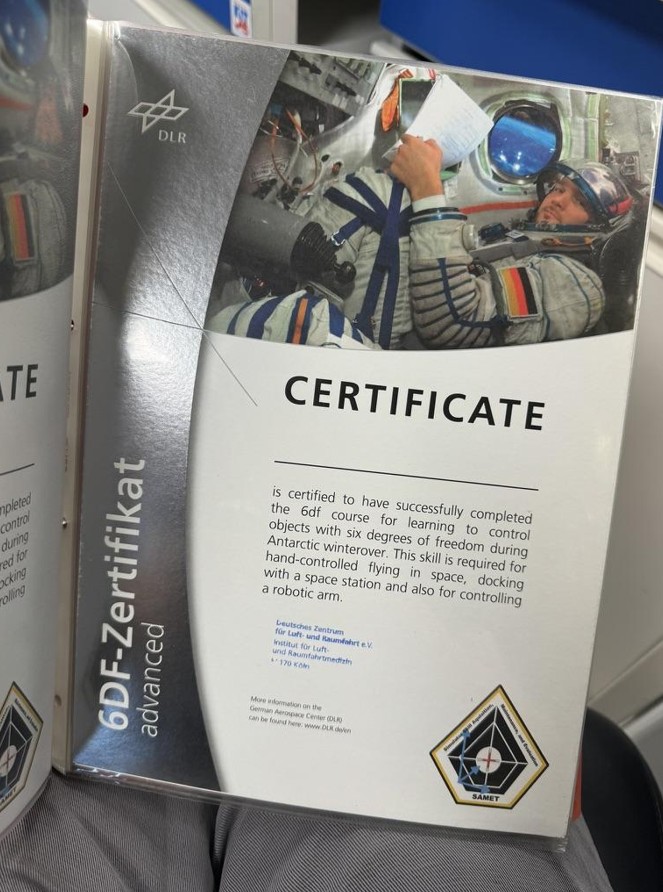
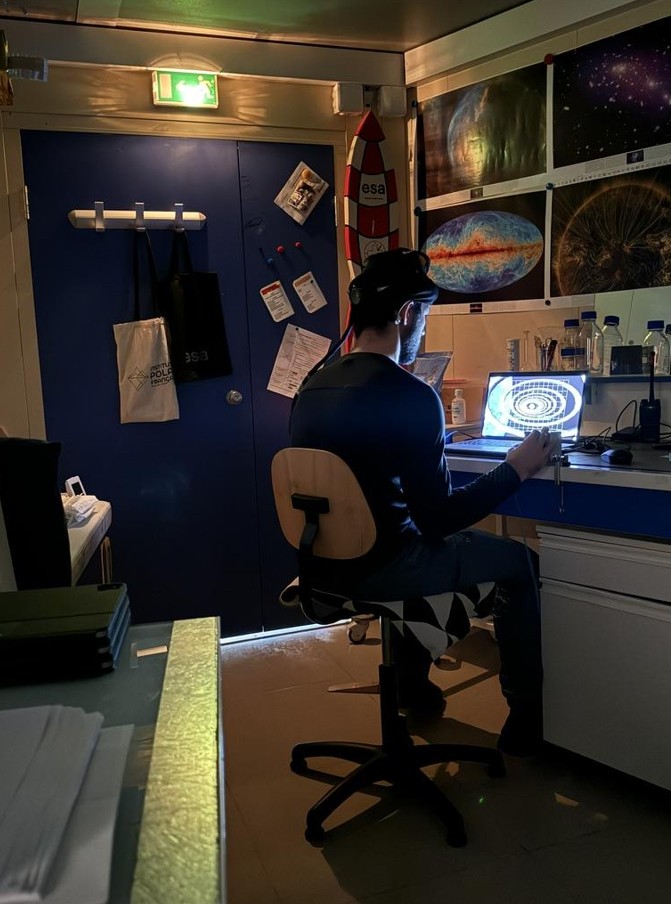 WINTERBRAIN as shown by myself and our glaciologist Clément who always performed well. On completion an official certificate was issued from the German Aerospace Center for completing the course! (Credits: Purvis/ESA/IPEV/PNRA)
A huge thank you to the principal investigators and their teams for their patience with me during the year because working when feeling the altitude and polar night is not easy…but I’m proud to say I managed to complete the experiments each month!
The freshest water on Earth – or is it?
Despite being situated on a freshwater glacier with an abundant supply of H2O, every drop of water counts. We rely on innovative systems like our Grey Water Treatment Unit (GWTU) to recycle water, and we are mindful to reduce resource consumption from the glacier. The GWTU collects used “grey water” (e.g. from showers, sinks and washing machines), recycling 80% of it via membrane ultrafiltration, UV light and reverse osmosis. This system, developed as part of the ESA’s MELiSSA programme, reduces the need to melt ice – a challenging, energy-intensive and dangerous process for crew in the extreme conditions of hypoxia and cold.
Concordia’s isolation makes it a perfect testing ground for life-support technologies needed for long-term space missions, like a journey to Mars. Carrying enough water into space isn’t feasible, so recycling systems like the GWTU are critical for survival. The International Space Station uses a similar system.
The ESA MD must regularly analyse the water to ensure the system is working safely and the water is drinkable. Checks include ammonia and phosphate levels, pH and conductivity, and growing bacterial cultures. Our plumber Valentin and our electrician Julien oversee the maintenance of the GWTU module in collaboration with a company called Firmus. Every test is vital in preventing contamination. There’s no way to evacuate during the polar winter months, so preventing illness is key.
The GWTU isn’t just about survival here on Earth, it’s shaping the future of space exploration. By perfecting these systems in Earth’s harshest environment, we’re one step closer to going to Mars.
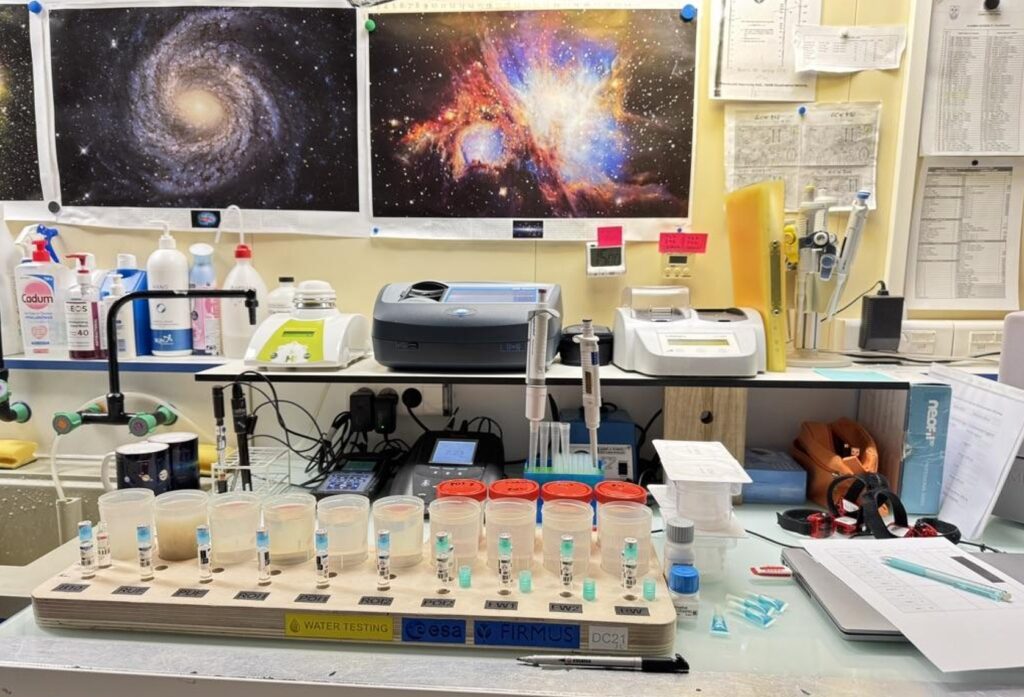 Julien made me a new water testing station to keep everything in order (the technical team could make anything!). (Credits: ESA/IPEV/PNRA-N. Purvis, J. Lacrampe)
Rescue Rescue Rescue
Now this part of the role was high stakes, and a huge learning curve for us in terms of skill and teamwork. The work done by some members of the crew is incredibly dangerous – they are out for hours in the cold at risk of hypothermia, climbing towers and descending into shelters risking trauma and entrapment. This is why we have a rescue team. During the summer we trained with a mountain guide as a team, and thankfully we had some experienced climbers and alpinists on the team to share wisdom, who I literally trusted with my life. During the winter we carried out monthly drills, even in the extreme weather. From extraction to locating a victim, we exercised our rescue knowledge so that we could remain ready in case of a medical emergency or rescue out on the ice or a remote shelter. It was our duty to have our radios on 24/7 and respond to a fellow crewmember in need. We also prepared for a mass casualty event in case of a plane crash.
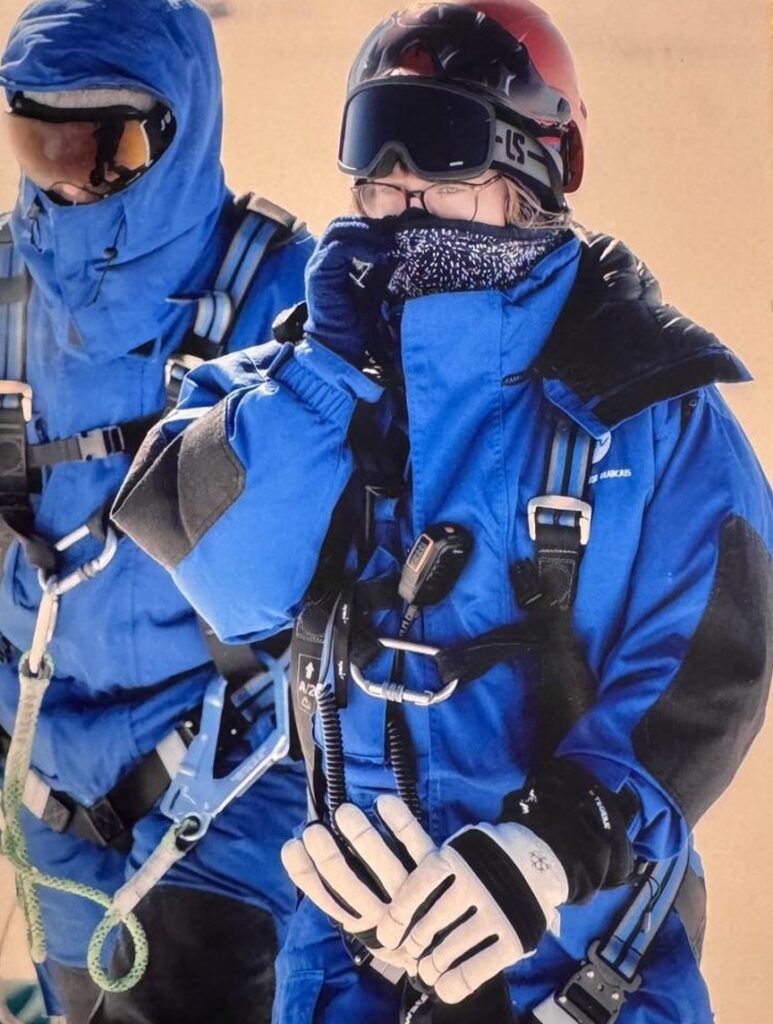 Kitted up for rescue drills. (Credits: ESA/IPEV/PNRA-C. Arrat)
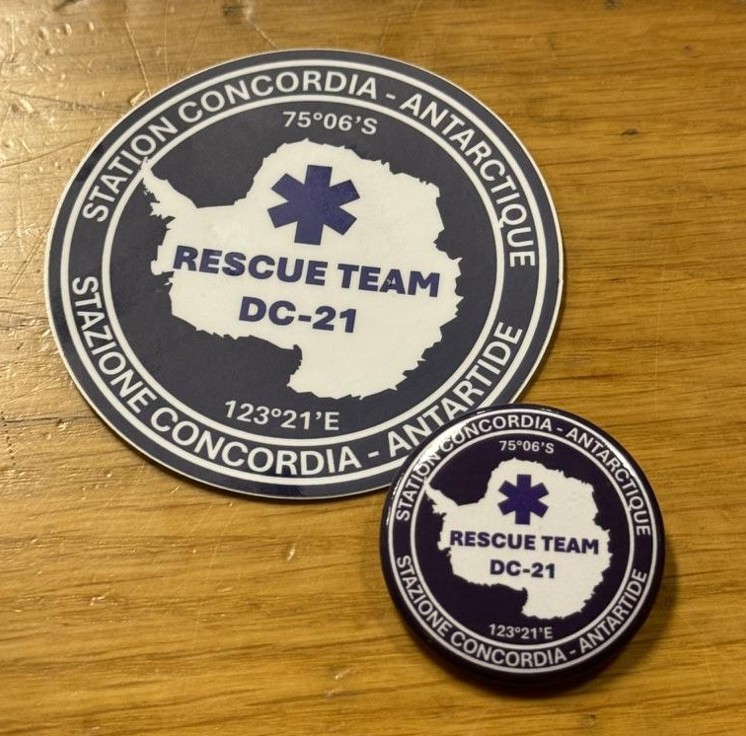 Our station doctor made us a celebratory patch for getting through summer training! (Credits: ESA/IPEV/PNRA-N. Purvis)
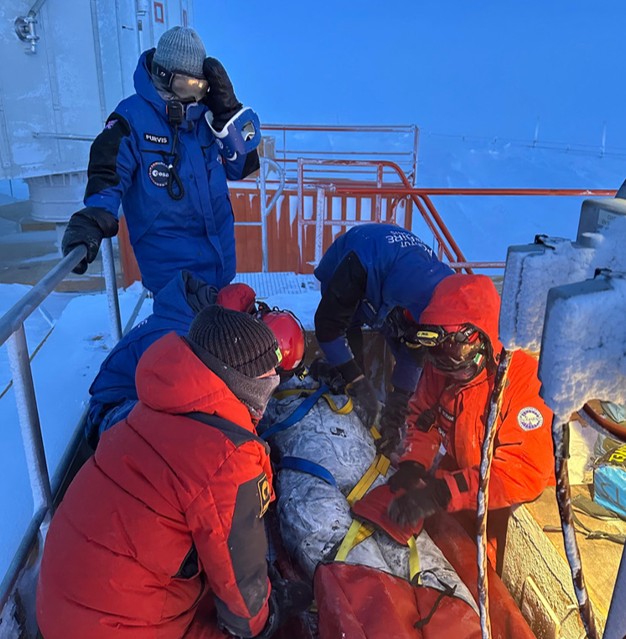
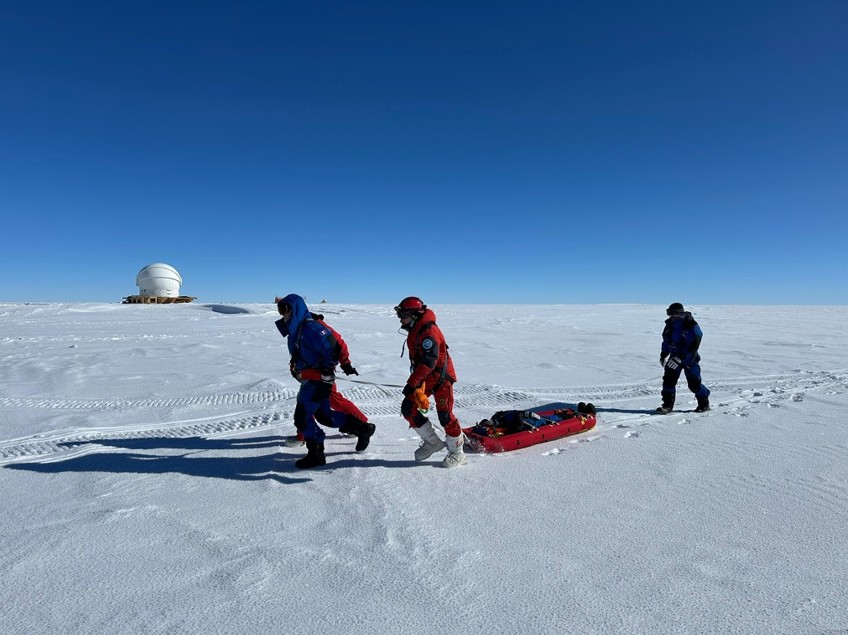 Rescue drills – our mannequin survived a lot…(Credits: ESA/IPEV/PNRA-N. Purvis)
Keeping the boredom at bay
During the winter, the days can feel long and monotonous and the work can be difficult with thoughts of missing home – but Concordia has many traditions and new activities to keep us in good spirits. There are musical instruments, a movie room, a library, a climbing wall, and even a sauna! So in the evenings or a day off, you can always find something to do. Crewmembers especially enjoyed photography, to capture the aurora and special moments – for example, we had a full lunar eclipse and moments like the last sunset and the return of the sun.
June 21 marked the midwinter and this is celebrated all around the continent. We received greeting cards – digitally of course – which we printed out and put on the wall. Our chef made us gourmet food, and we set up the living room for celebrations with decorations and even a polaroid station. It’s also tradition to watch The Thing – no comment on the similarities…
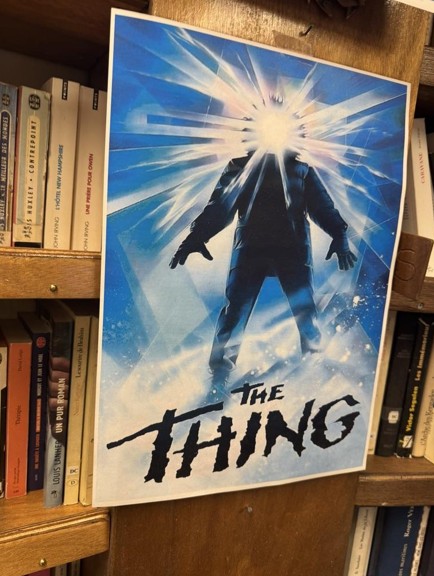
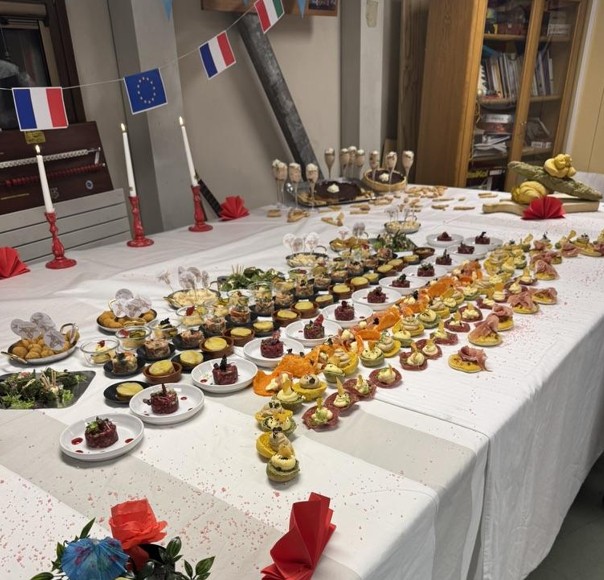
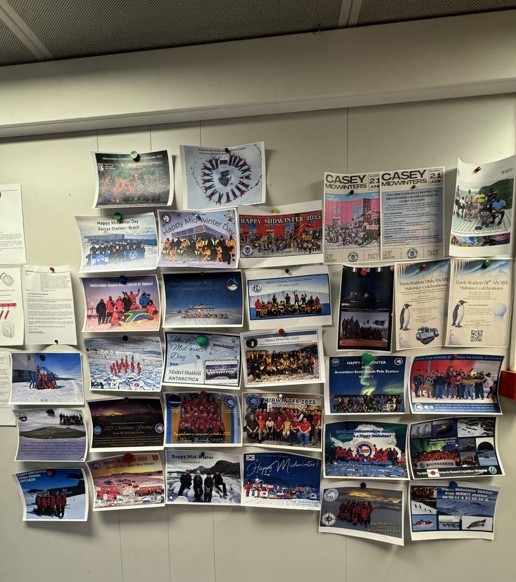 Midwinter celebrations (Credits: ESA/IPEV/PNRA-N. Purvis)
In August we had a lot to do. First, we had the Antarctica Olympic Games – where the French stations compete in a variety of sports as well as some non-sporting events like a music quiz and painting competition. Now, given we were living at altitude I think it’s acceptable we did not win – but we gave it a good go! Then we had the Antarctic film festival where there are various categories – we entered the main open film category and then also made a parody of it in another category. And we won! You can watch it here. The crew worked really hard on it and I was so proud to see that work recognised!
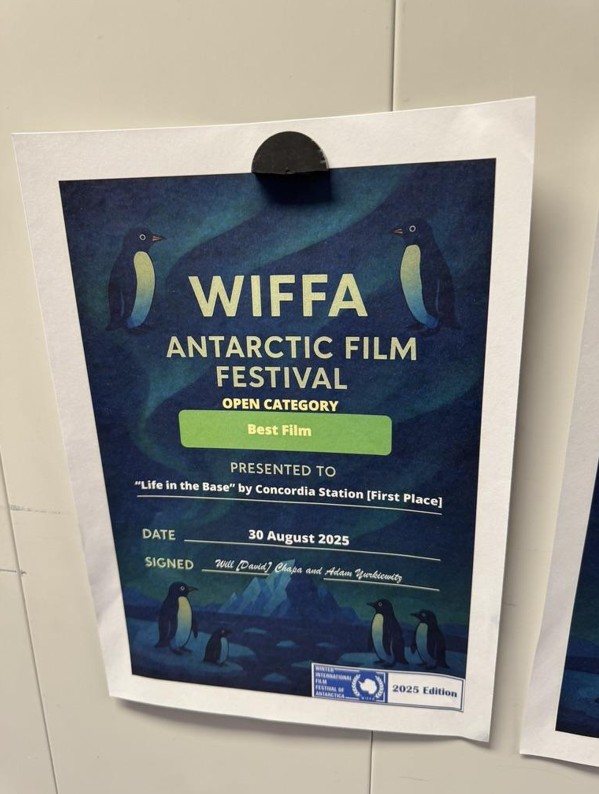 I really need to get a copy of this to prove I’m an award-winning actress… (Credits: ESA/IPEV/PNRA-N. Purvis)
Winter was also a chance to connect with the public, students, and professionals around the world. I gave a lot of outreach talks and lectures, thanks to Starlink, and it was great to share my experience and it made winter a lot less lonely. We even had a video link with ESA Astronaut Luca Parmitano!
It’s tradition to make a crew plaque to commemorate the winterover and crewmembers. Here is ours, and also you might see some familiar names on past ones who are now in the ESA astronaut reserve corps!
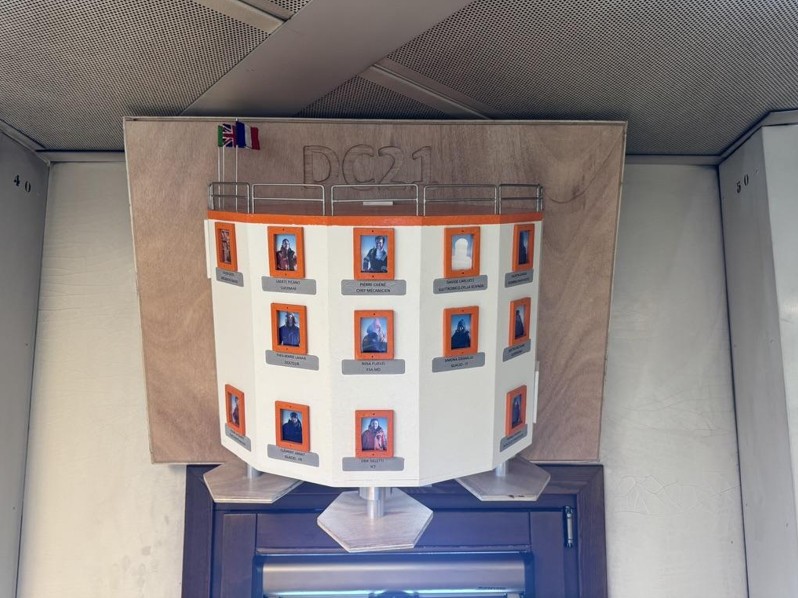 DC21 crew plaque. (Credits: Purvis/ESA/IPEV/PNRA)
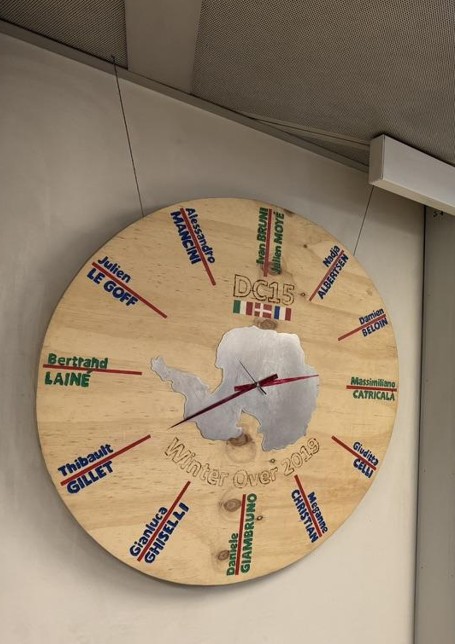 DC15 crew plaque. (Credits: Purvis/ESA/IPEV/PNRA)
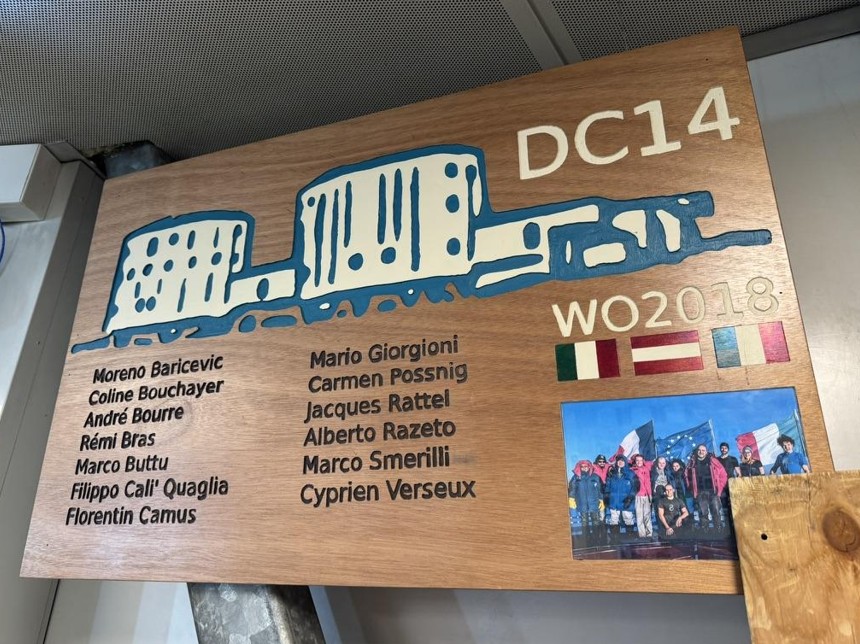 DC14 crew plaque. (Credits: Purvis/ESA/IPEV/PNRA)
In general, the winter is what you make of it. Many days I would just (and that was hard to do) do my work, eat and sleep. But other days we created incredible, once-in-a-lifetime memories and I will always appreciate those. I was especially delighted on my birthday, with a Taylor Swift themed evening. People really get to know your likes and dislikes when trapped in a tin can in the middle of nowhere.
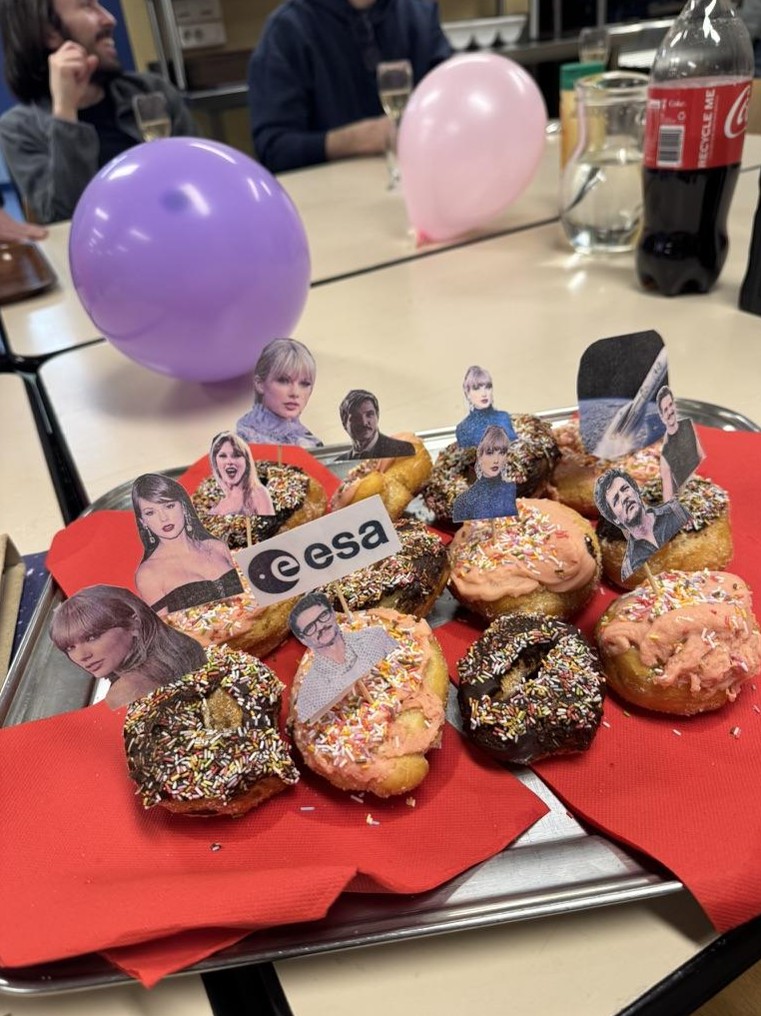 My birthday celebrations – space, Taylor Swift, and Pedro Pascal – what more could a girl need? (Credits: Purvis/ESA/IPEV/PNRA)
The skies of Concordia
One of the best things about being in such a remote place is the sky. The blue sunny skies, and pastel or golden sunsets, are immaculate on the glacier. The sky was almost always clear, and if it was white out, we got a wonderful blue band at sunset instead. Then, as the night creeped in, it allowed the Milky Way to shine so bright that your shadow could be seen, and with the sun cycle in 2025, the aurora danced around the station in flashes of green, red and pink.
And that brings us to the end of the winterover…my final blog will be a farewell to Concordia and show you how the hardest part is yet to come with finishing up projects, preparing the station for the new arrivals, and of course saying goodbyes.
I will leave you with some of my favourite skies of Concordia during the winter.
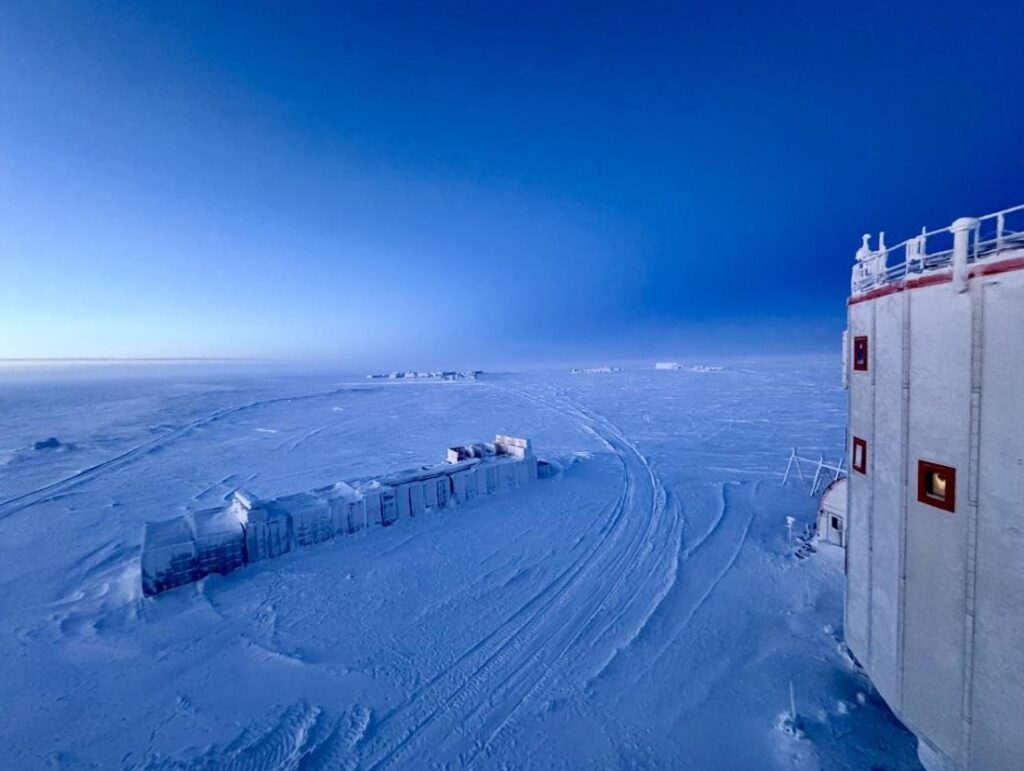
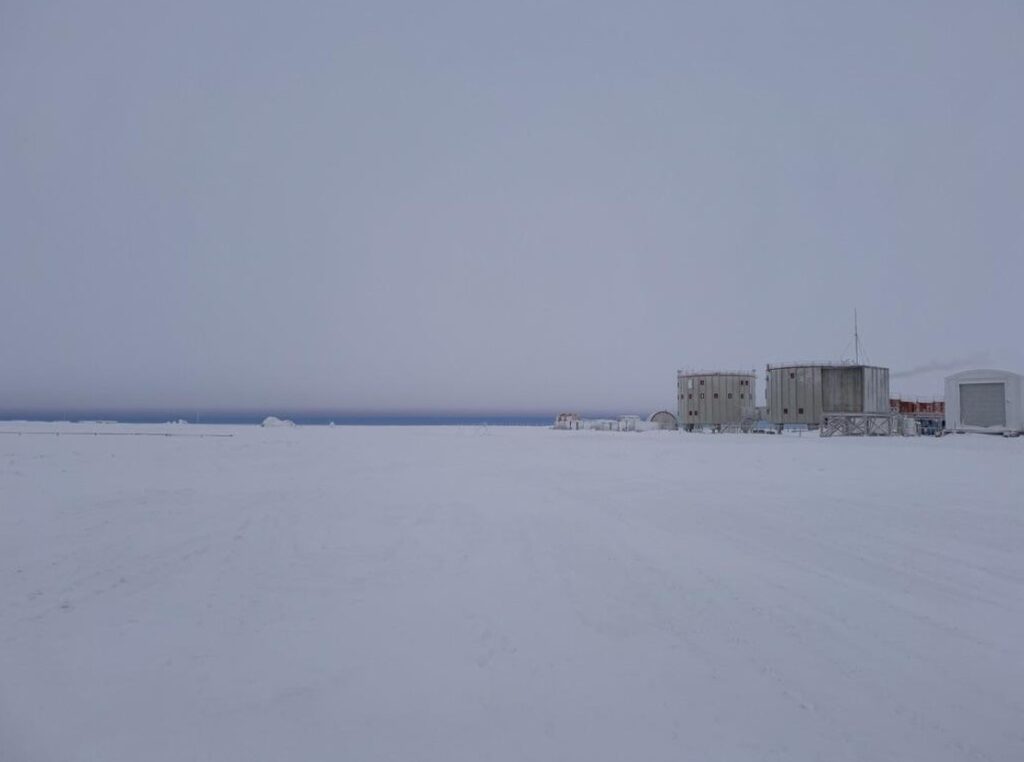
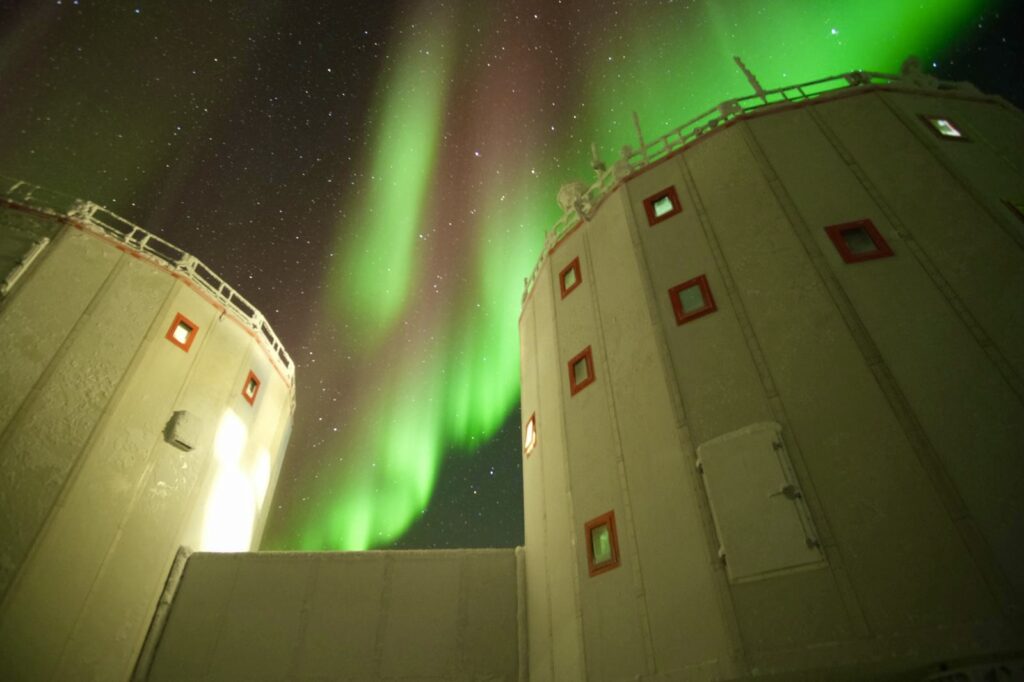
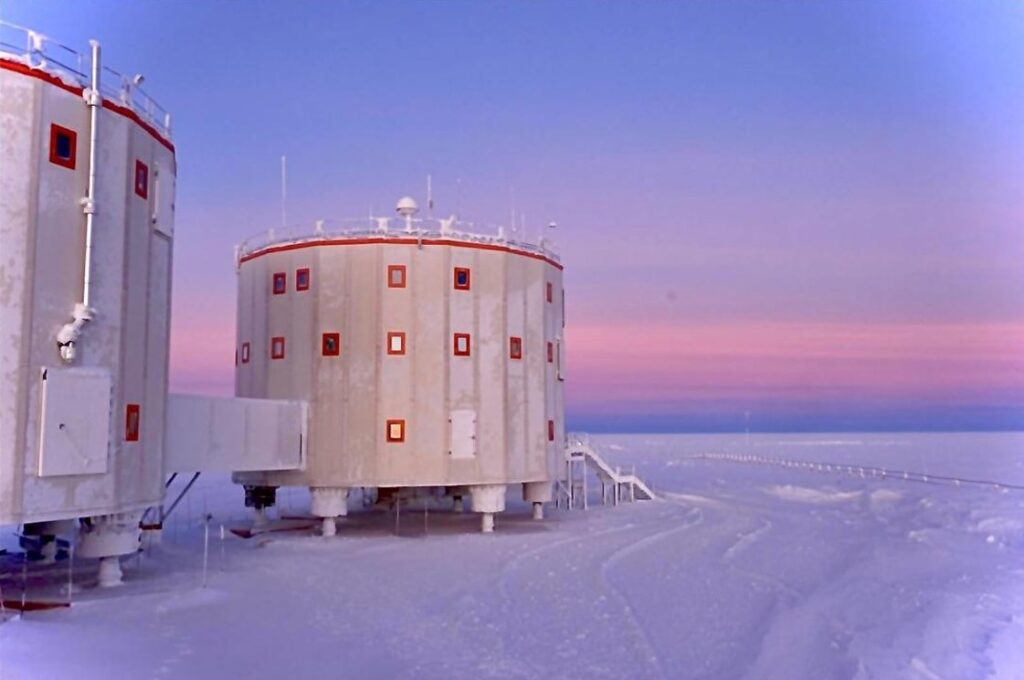
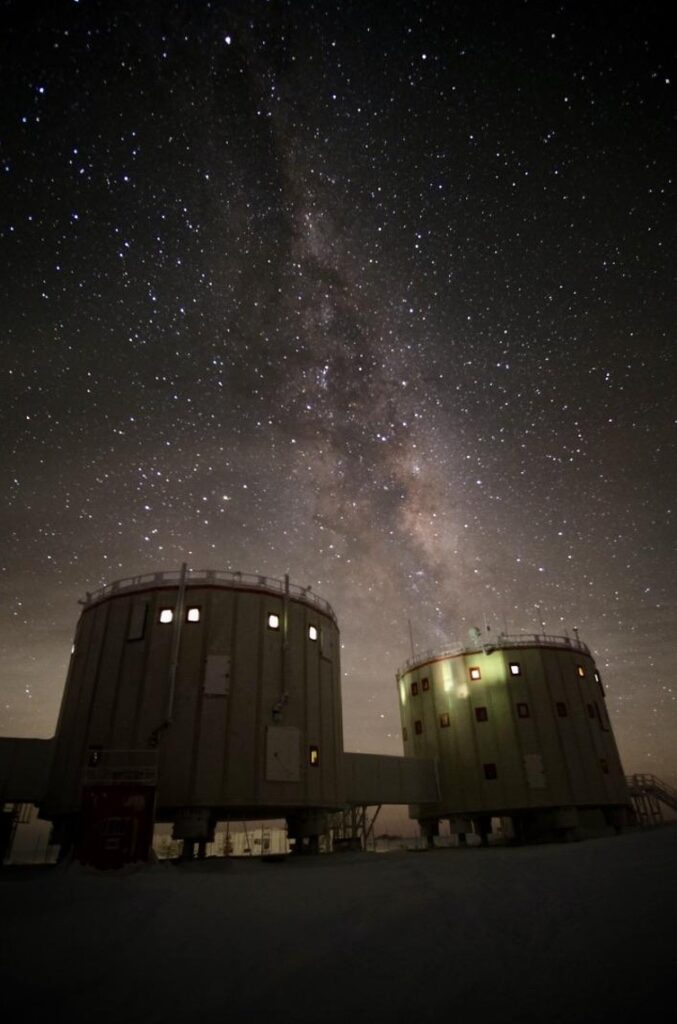
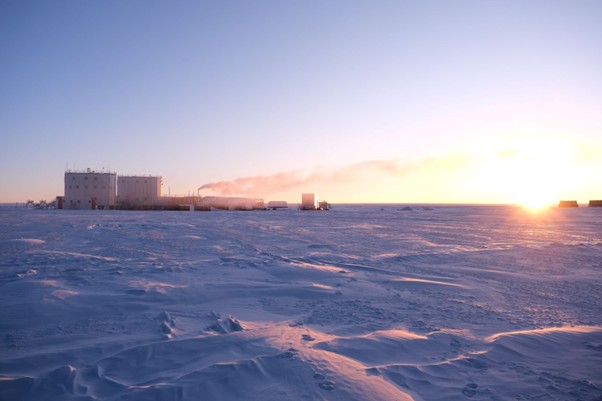
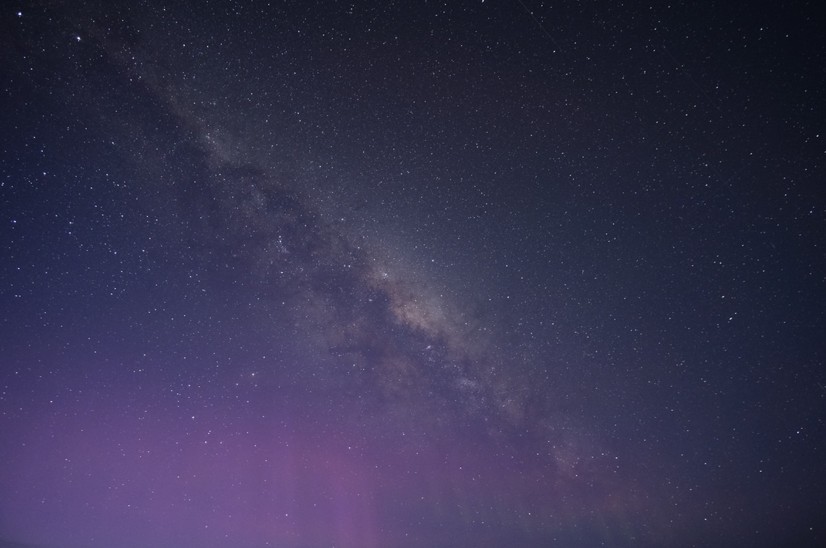 Skies of Concordia, 2025. (Credits: Lacrampe/Purvis/ESA/IPEV/PNRA)