
About a month ago I posted about trying to verify the 1909 Arizona Gazette articles describing a cave system in the Grand Canyon. I expected a fairly clean confirmation or a dismissal. Neither really happened.
Most of the debate from my post landed in one of two camps: people who already believed the cave story, and people who said "Smithsonian denied it, obvious hoax, case closed."
The second group is who I want to talk to and address, Because what came back from the archives makes that answer harder to hold.
On the hoax argument:
Yellow journalism was loud, emotional, designed to pull readers in. The 1909 Gazette articles explicitly tell readers the area is government-restricted and anyone who visits faces arrest. You don't write that into a circulation stunt. Telling your readers to stay away is not how you sell papers.
The geographic details are harder to dismiss than people realize. The Laguna Dam, Green River Wyoming, the 42-mile measurement from El Tovar — navigation specifics a Phoenix desk editor doesn't invent. Knowledge from someone who traveled that river.
A well-researched hoax is still a hoax. But nobody has cleared that bar with evidence. Dismissed for 115 years without a single document showing it was investigated and found false.
The Arizona Gazette never retracted either article.
Not once in 115+ years.
What came back:
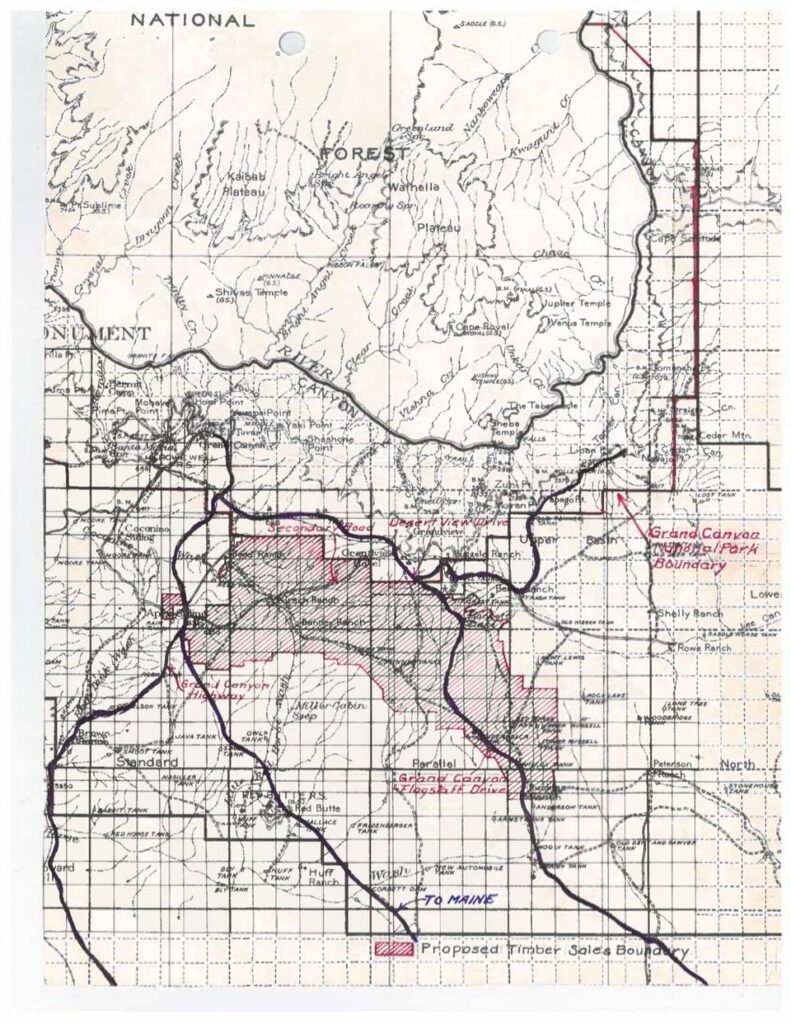
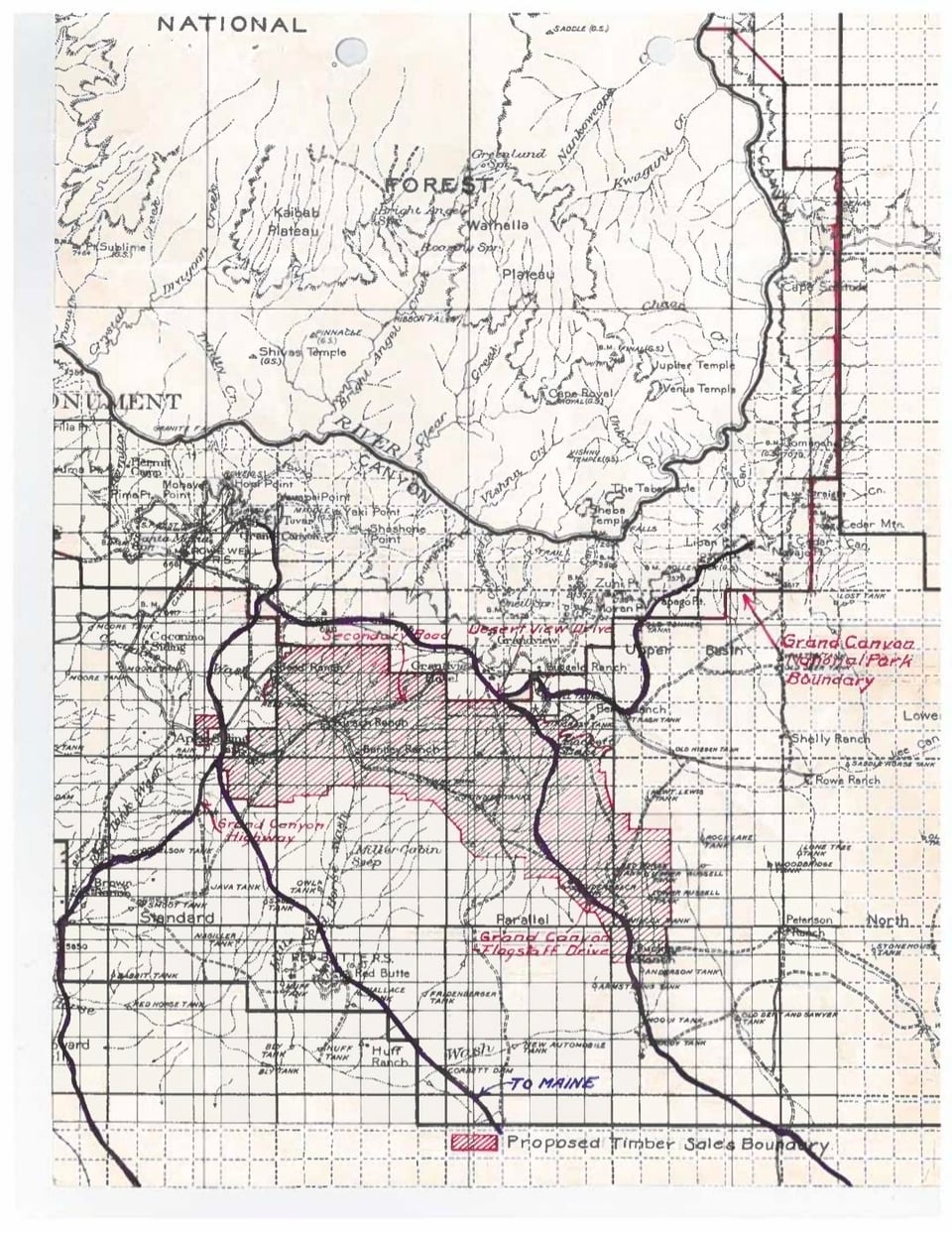
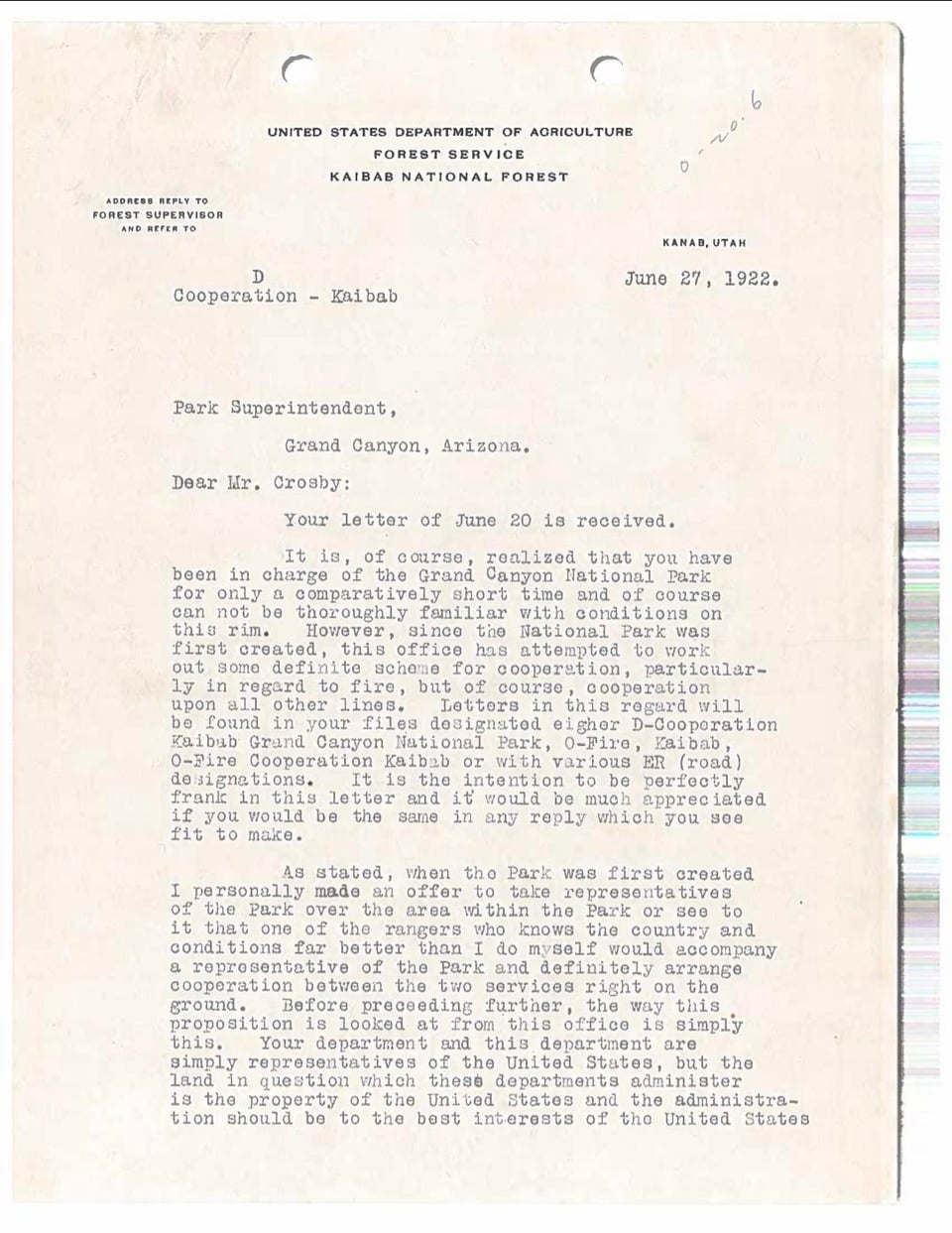
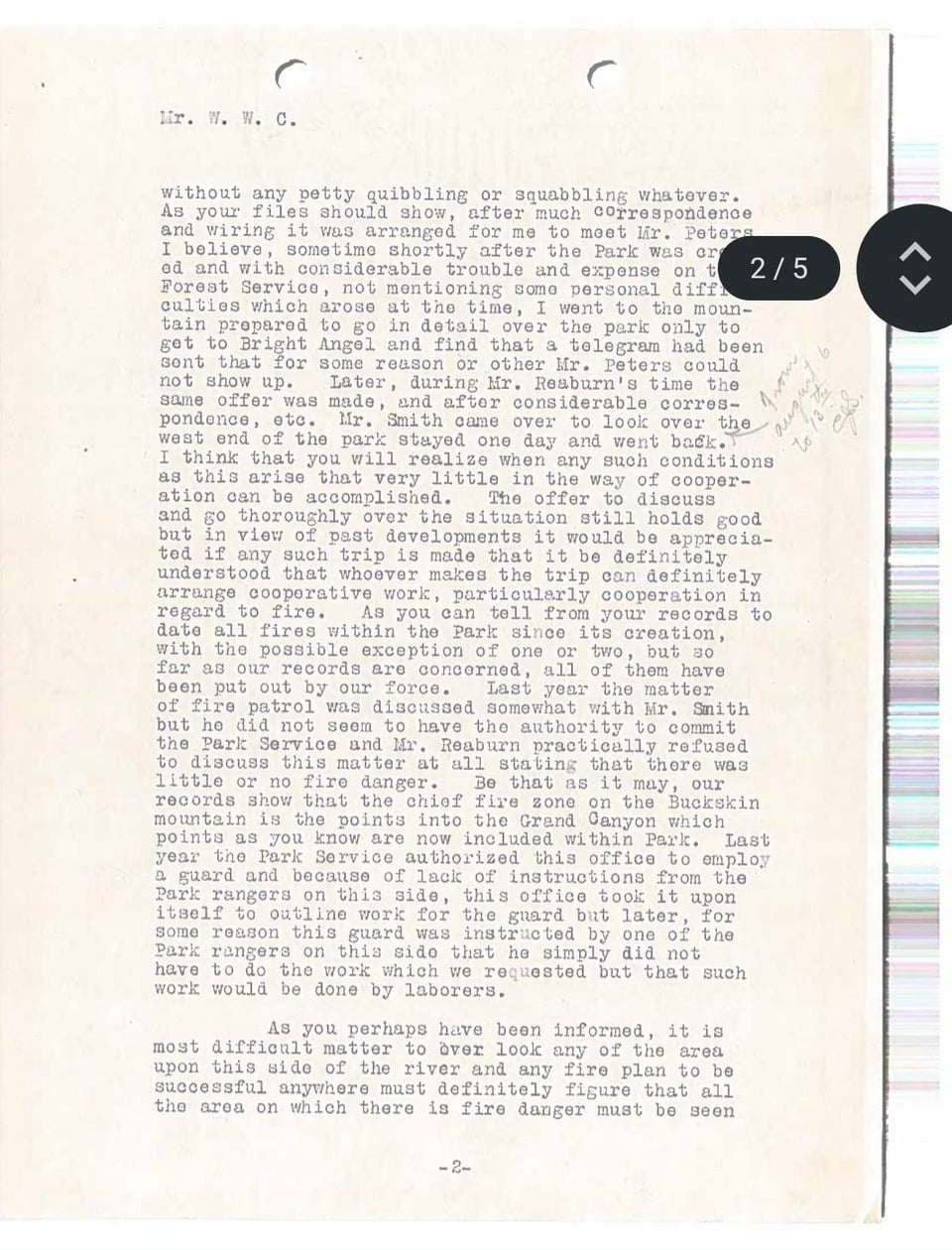
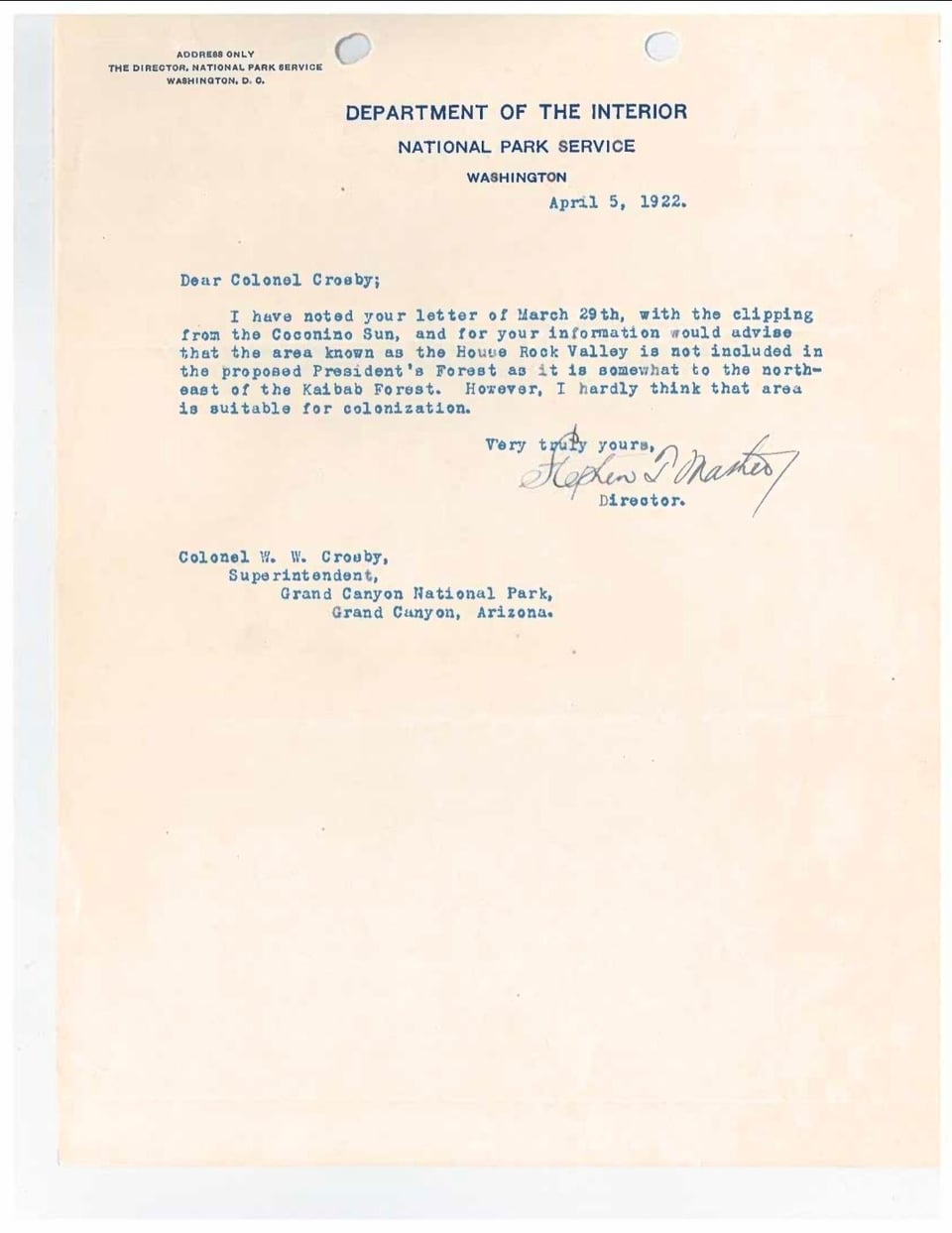
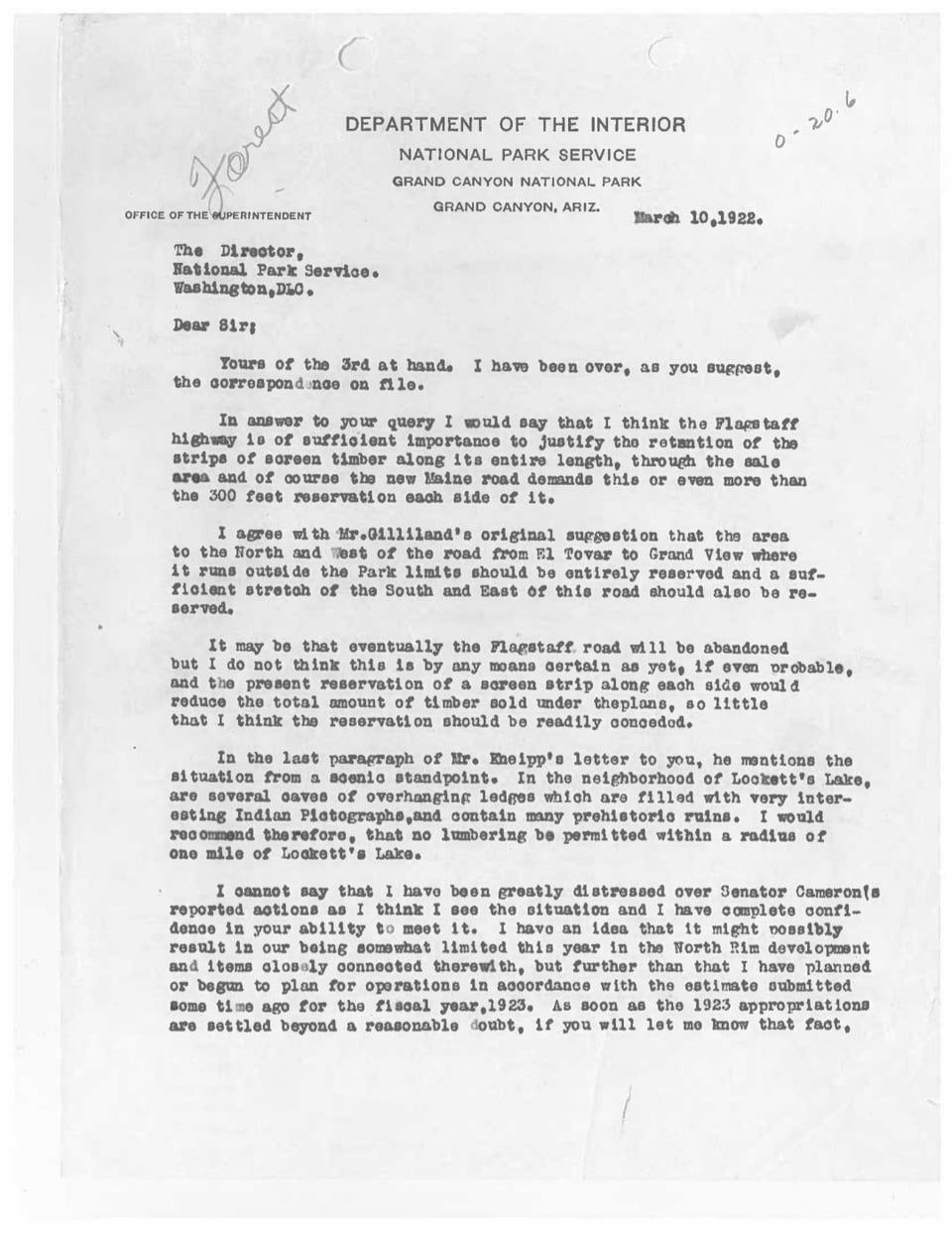
Formal records requests. 40 pages — 1922 administrative correspondence, Grand Canyon National Park and Kaibab National Forest, NARA, fully cited.
Not putting the details here. I have an online library you can get to for that, everying is consolidated there 🤙
One connection mapped before the documents arrived was confirmed by a confidential letter after the fact. Named parties. Dated. The node was on the map before the source existed. The source landed on it.
The framework is tracking something real.
The gap:
El Tovar Hotel guest registers run continuously from 1905 through 1912.
One year is missing. Not 1906. Not 1911. 1908 — the year the article says the expedition began.
The one year that matters most. Not there.
The research library:
Unverifiableonline.com.
Everything i have found lives in an interactive map- EVERY institution, every person, every geographic location, every evidence gap, sourced and connected. All information, future findings and future projects will be updated there.
Desktop version is fully interactive with the spider mapping.
Mobile version is collapsible and color coded by category.
30 documented connections around the same canyon (1900s), the same network, the same sixteen-year window. This map that measure gaps, this map.. shows the density.
Draw your own conclusions as you will, i wont stop you 🤷
Federal travel vouchers are still pending. When they arrive, either the most specific thread in this research closes or it doesn't. Updates will posted either way.
The question hasnt changed. Not whether the cave exists but Whether the record is complete enough to say otherwise.
After everything ive found so far though, the answer is still no.
Library linked in profile and here as well.
More visible documents and information linked below, along with linked sources
.
.
.
Relevant links here:
-Project Reseach Library-
Unverifiableonline.com
Grand Canyon — 1909 Kincaid Research Project https://share.google/7qM9XvruFhTovVCbA
Voyages Extraordinaires: The Grand Canyon's Lost Civilization https://share.google/IqwPPSVroYUV1zK4U
by Artistic_Guide3656
3 Comments
I wonder if you could promote the idea of a crowdsourced data collection initiative. One which would have people using personal drones, preferably with LiDAR, to explore and scan the canyon, particularly of the areas of interest. Also, if LiDAR is not available, then it might be possible to use photogrammetry to extract the 3d info. But the idea would be to collect it all to make a single composite 3d model, which people could explore more safely than just hiking around.
Edit: I mean high resolution images and 3d data, such as approximately 1 to 2 cm.
> The 1909 Gazette articles explicitly tell readers the area is government-restricted and anyone who visits faces arrest. You don’t write that into a circulation stunt. Telling your readers to stay away is not how you sell papers.
This is just visibly untrue, people *love* a story about some place that they’re *not allowed to go to*, especially if it’s somewhere super remote that they were never going to visit in the first place.
If what you’re saying is true than there wouldn’t be thousands of influencers making bank by lying to people about how you aren’t allowed to go explore Antarctica or insinuating that the Smithsonian is covering up a world-altering archaeological find.
This is a story that I *want* to be true so badly. I want the world to be big and strange and not subdued, to harbor secrets. Perhaps I’m a fool for it but I still hope you find something awesome.