
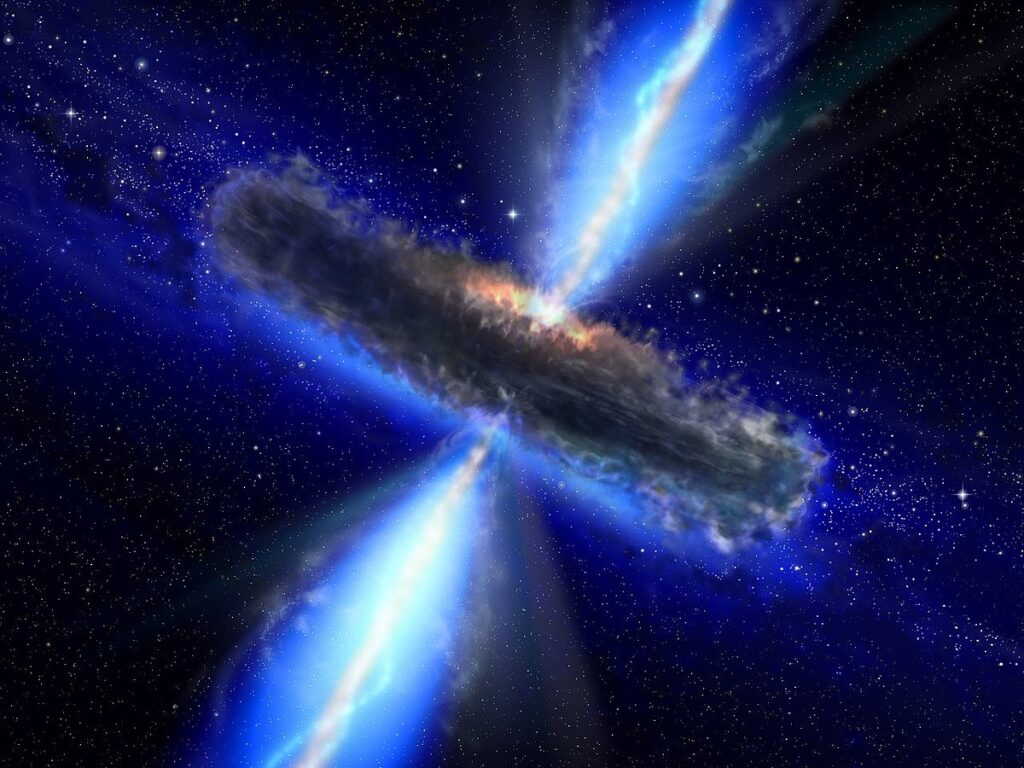
The star, known as M31-2014-DS1, was a massive, hydrogen-depleted supergiant. When newly formed, it was around 13 times the mass of the Sun. By the time of its death, it had shed much of its mass through powerful winds and was close to five times the mass of the Sun.
“The dramatic and sustained fading of this star is very unusual, and suggests a supernova failed to occur, leading to the collapse of the star’s core directly into a black hole,” De said.
“Stars with this mass have long been assumed to always explode as supernovae,” he added. “The fact that it didn’t suggests that stars with the same mass may or may not successfully explode, possibly due to how gravity, gas pressure, and powerful shock waves interact in chaotic ways with each other inside the dying star.”
Black holes were first theorised more than 50 years ago, and dozens are now known in the Milky Way, with hundreds more detected through gravitational wave observations. However, scientists still lack a clear consensus on which stars form black holes and how that process unfolds.
The team identified the event by analysing archival data from NASA’s NEOWISE mission. Drawing on a prediction from the 1970s that direct collapse would leave behind a faint infrared glow, they conducted what the press release describes as the largest study of variable infrared sources ever undertaken. After tracking every star in the Milky Way and other local galaxies, they found that M31-2014-DS1 matched their predictions.