
All across Appalachia, there are tales of bands of these strange people (Yunwi Tsunsdi in Cherokee), living in the region’s many caves and coming out only at night, because daylight was too strong for their weak eyes. “They come near a house at night and the people inside hear them talking, but they must not go out, and in the morning they find their corn gathered or the field cleared as if a whole force of men had been at work,” wrote Lynn Lossiah, Cherokee author of The Secrets and Mysteries of the Cherokee Little People. “Always remember: Do not watch.”
For centuries, stories of these “moon-eyed” people have captivated—and creeped out—locals and visitors alike in Appalachia. According to some legends, they were present before the Cherokee came to the area, and driven out in a battle at Fort Mountain, waged by the Cherokee when the full moon was too bright for their opponents’ sensitive eyes.
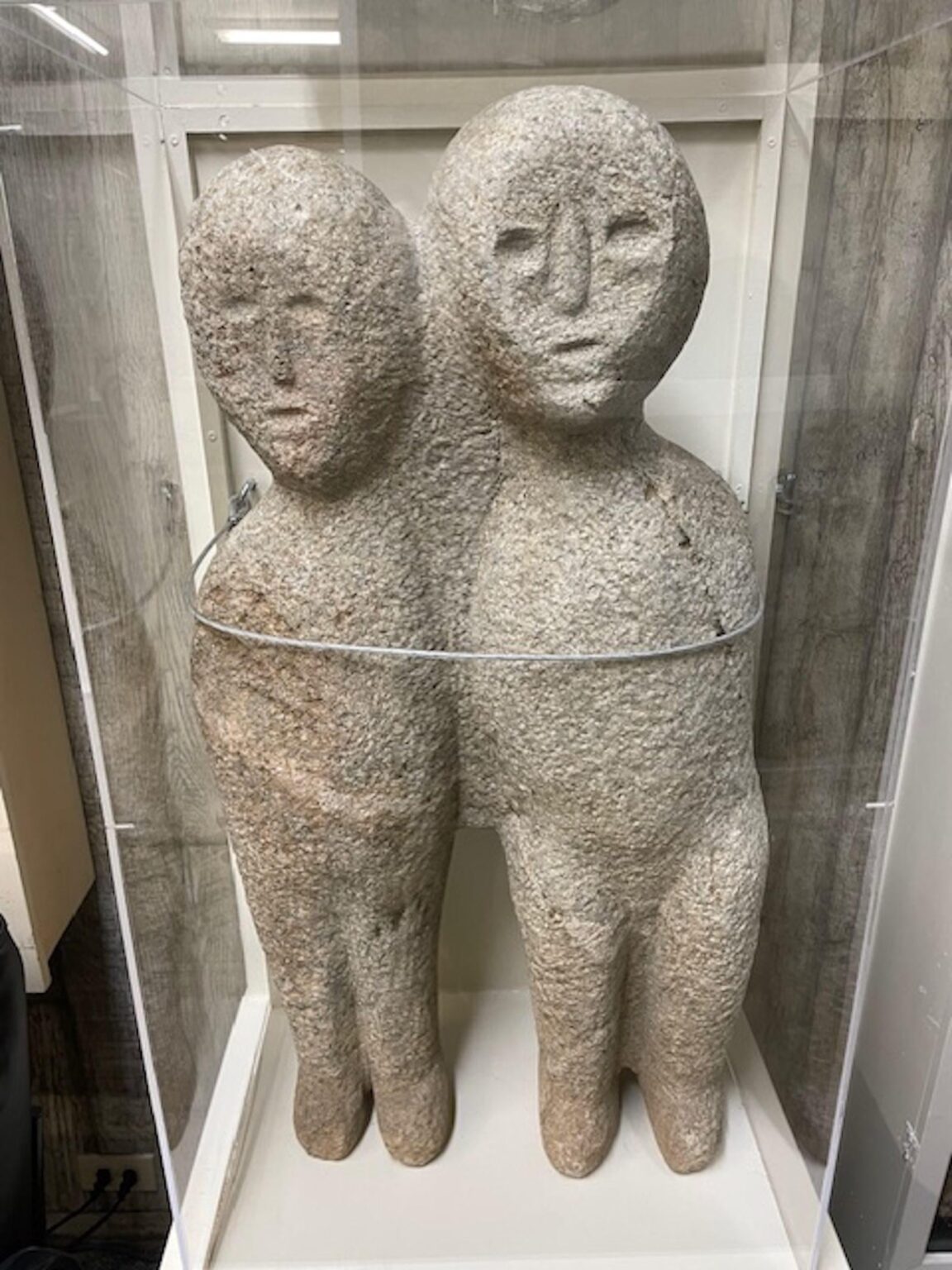
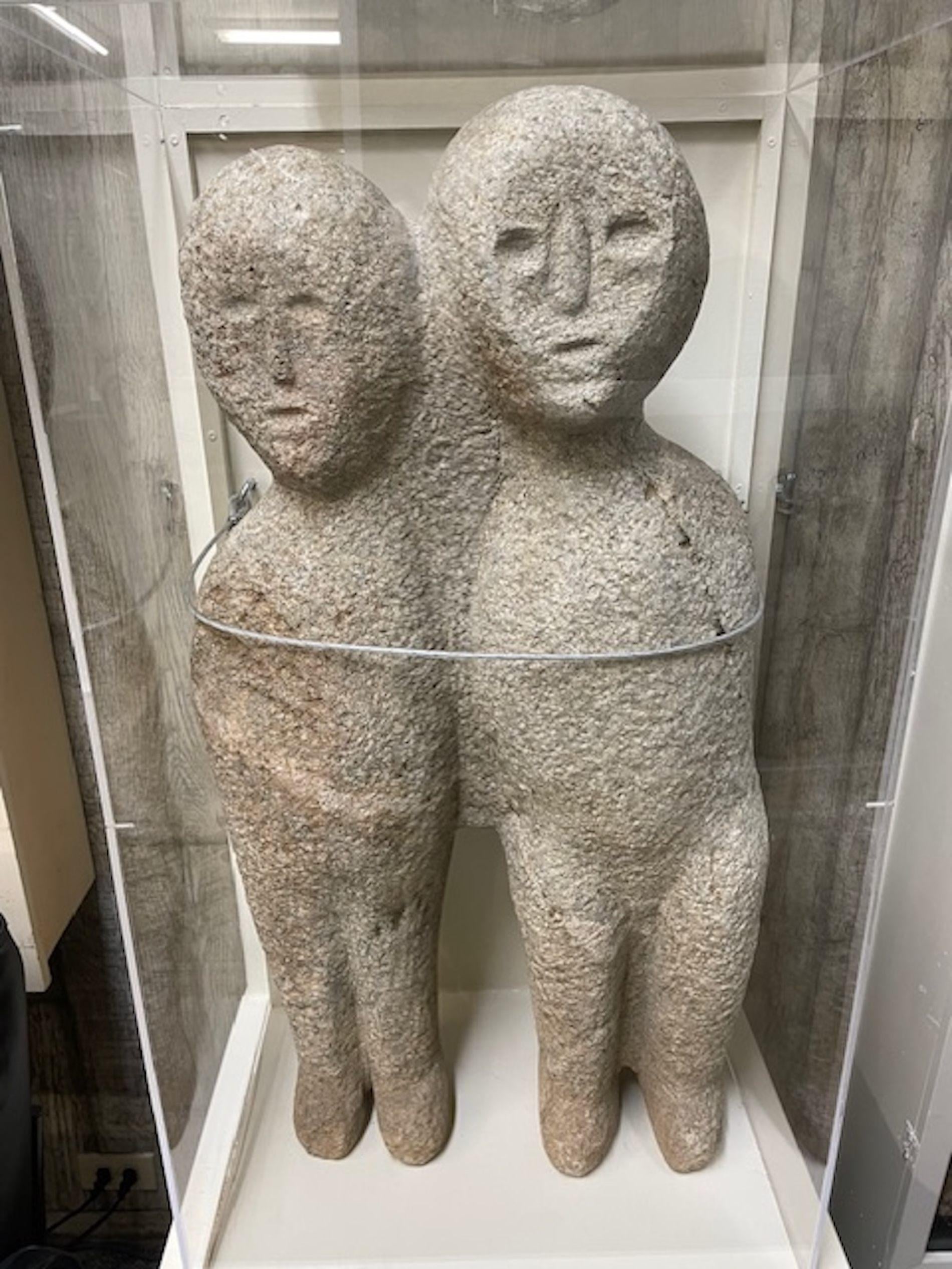
Sixty miles away, at the Cherokee County Historical Museum in Murphy, North Carolina, another object has been cited as evidence of their existence. The curious, three-foot-tall talc and soapstone statue was discovered by a farmer named Felix Ashley in the 1840s and features two entwined figures with oval heads and large, crescent-shaped eyes.
Over the years, various theories have emerged about the true identity of the Moon-Eyed People. Some speculate that they were early European explorers who arrived long before Columbus set sail, possibly remnants of Welsh settlers who, according to one theory, arrived in the Americas in the 12th century. This idea stems from the legend of Prince Madoc, a Welsh prince said to have sailed across the Atlantic with a group of followers.
by PristineHearing5955
1 Comment
What would humans look like if they’d been living underground since the Younger Dryas impact event some 12,600 years ago?