
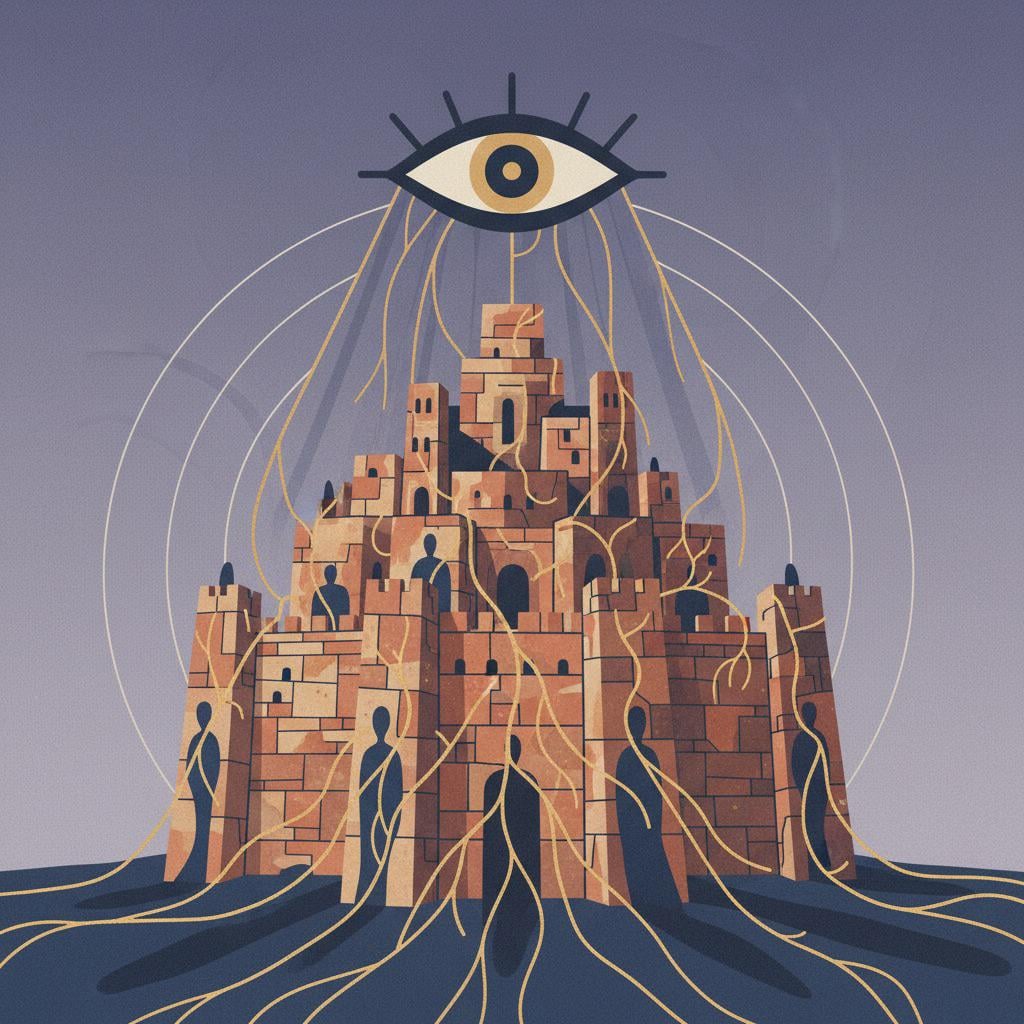
Ancient city layouts were tools of social control and power.
Cities are not just places to live. They are blueprints for power. From the grid systems of the Indus Valley to the massive plazas of the Aztecs, urban design has always shaped human behavior. Rulers used walls, gates, and grand avenues to tell people where they belonged. This physical environment made social hierarchies feel natural and permanent rather than forced.
In the ancient Chinese capital of Chang'an, the city was divided into strictly regulated wards. High walls separated residents, and drums signaled a nightly curfew. This layout allowed the Tang dynasty to monitor the population and prevent gatherings. Similarly, the "Avenue of the Dead" in Teotihuacan was designed to make individuals feel small. The massive pyramids loomed over the public, reminding every citizen of the state's divine authority. In the Incan Empire, the city of Cusco was shaped like a puma, a sacred animal. This symbolic design reinforced the idea that the capital was the spiritual and political heart of the world. These designs were not accidental. They were deliberate engineering projects meant to discourage rebellion and encourage obedience through psychological intimidation.
full article: https://thoughtframe.org/article/E7ejvgWCR7PilJYlLxqJ
by thoughtframeorg
1 Comment
Totally true just like how cities look like a motherboard from above