
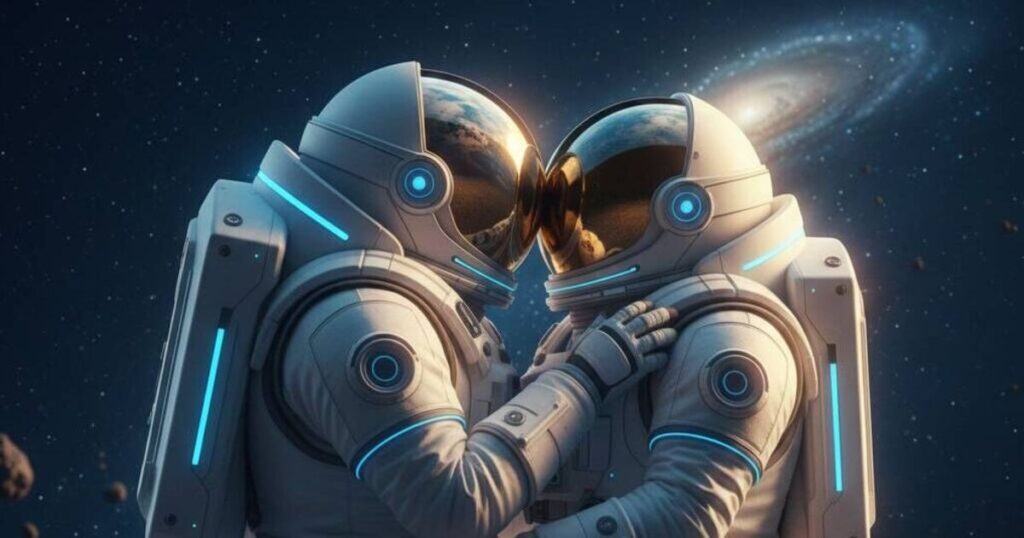
Reproducing in space will have to wait (Image: undefined)
Humanity’s sci-fi dream of giving birth to babies in space and on other planets has encountered a brutal reality check. A fresh study reveals we’re nowhere near achieving ‘space babies’ safely, cautioning that radiation, microgravity and even poisonous lunar dust could disrupt fertility, sabotage pregnancies and jeopardise future children.
The message: shelve the cosmic nursery, draft the regulations, and safeguard potential space travellers’ reproductive wellbeing before anyone discusses cradles on the Moon.
The findings, published in Reproductive BioMedicine Online, were spearheaded by clinical embryologist Giles Palmer of the International IVF Initiative.
His appeal is utterly transparent: nobody is advocating pregnancy in orbit – not presently, not imminently – but with lunar expeditions and Mars aspirations intensifying, we require a robust strategy to protect fertility and establish ethical boundaries before the excitement overtakes the research, reports the Daily Star.
Read more: Elon Musk makes terrifying end of the world prediction – ‘just months left’
Read more: Space war fears erupt as Russia intercepts European satellites
Space poses dangers to human reproduction. Radiation can destroy DNA and elevate cancer risk; microgravity disrupts hormones, gamete quality and embryonic development.
It’s not merely rays and weightlessness. Poisonous dust, restricted resources, contamination in sealed spacecraft, circadian disturbance and stress all endanger maternal and foetal health – with potential long-term, inheritable consequences.
We also understand little about how extended missions impact fertility and pregnancy outcomes. Shuttle-era astronauts reported largely normal pregnancies afterwards, but data from longer flights remains limited.
The report calls for a global framework, stronger shielding, medical countermeasures and next-generation assisted reproduction tools – plus strict ethics focused on informed consent, transparency, gender equity and protecting future offspring.
Whilst animal studies suggest problems (brief radiation exposure can disrupt menstrual cycles and increase cancer risk), human evidence remains patchy.
Information from women who flew Space Shuttle missions indicates later pregnancy rates and complications weren’t dramatically different – but those were brief journeys compared to the months-long stays now typical on the ISS, let alone the years required for Mars.
With nation-states and billionaires eyeing lunar bases and Mars outposts, the ‘can we establish families in space?’ question shifts from science fiction to strategic. If we cannot safeguard reproductive health, long-term settlement appears unrealistic.
If we rush ahead without regulations, it becomes a bioethical minefield.
The new report is both cautious and pragmatic: reproduction in space remains a distant possibility, but planning now is the only responsible approach to prevent avoidable harm later – to astronauts today and to any future children tomorrow.