
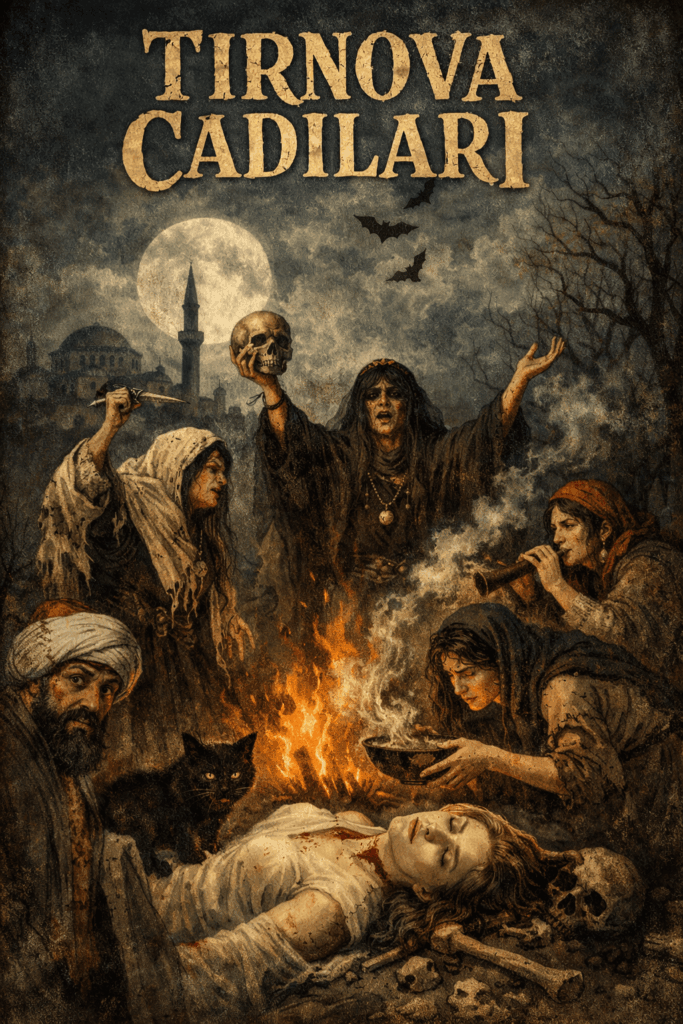
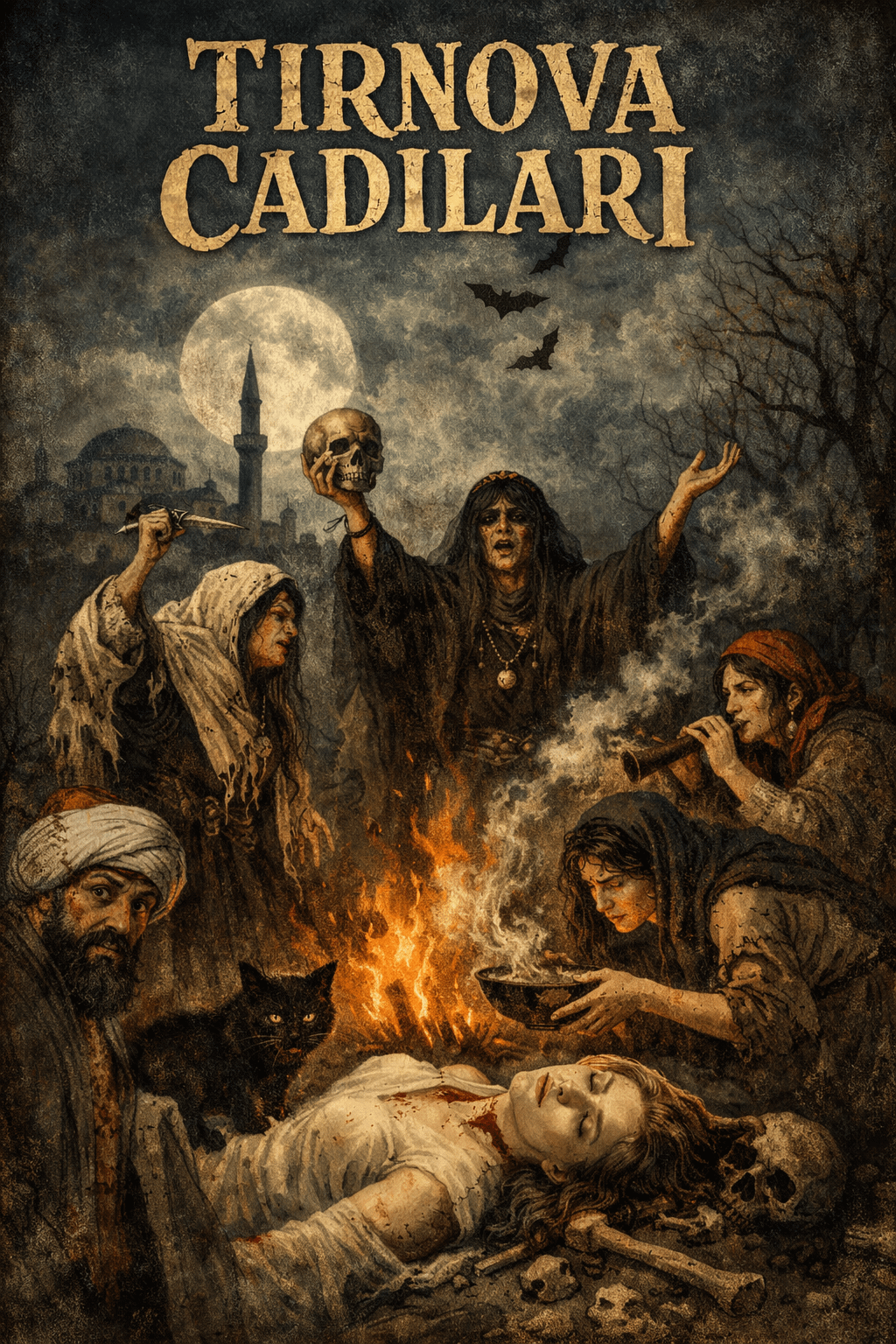
In the winter of 1833, a report reached the capital of the Ottoman Empire that was so disturbing, it was published in the empire's first official newspaper, Takvim-i Vekayi (Issue 69).
This wasn't an urban legend or a traveler's tale. It was a formal administrative report sent by Ahmed Shukru Effendi, the Judge of Tirnova. He was reporting a crisis that had paralyzed an entire town: An outbreak of "Cadı" (vampires).
The Official Record: According to the Judge’s report, invisible entities were terrorizing homes, destroying food supplies, and physically attacking citizens. The panic reached a level where the state had to intervene. They didn't send soldiers; they officially hired a professional "vampire hunter" named Nikola.
The Exhumation: In front of official witnesses, Nikola used an icon to identify two graves belonging to former Janissaries, Ali and Abdi. When the graves were opened, the report describes a sight that defies medical explanation for the time:
- The corpses had grown significantly in size.
- Hair and nails were still growing.
- Their eyes were blood-red and wide open.
The Neutralization: The state-funded specialist performed a ritual—driving stakes through the hearts and boiling them—but the disturbances continued. Finally, with a legal religious fatwa, the bodies were cremated to ash. Only then did the "haunting" of Tirnova cease.
While modern historians like Ilber Ortayli suggest this could have been a psychological tool against the disbanded Janissary corps, the existence of a government-sanctioned "vampire hunt" in official records remains one of the strangest chapters in Ottoman history.
Sources:
- Takvim-i Vekayi, Issue 69 (1833)
- Archives of the Ottoman Empire (BOA)
- Research by Mehmet Berk Yaltirik & Giovanni Scognamillo
by bortakci34
1 Comment
For those who want to see the original artwork and more historical context, I highly recommend checking out this detailed article. It’s in Turkish, but the illustrations (by Selçuk Ören) and the research are incredible.
The article deep dives into the ‘Janissary propaganda’ theory vs. the folklore of the era. It’s one of the best sources on this specific incident: [Link] [https://www.istdergi.com/index.php/tarih-belge/tirnovanin-cadilari](https://www.istdergi.com/index.php/tarih-belge/tirnovanin-cadilari)