
December Supermoon
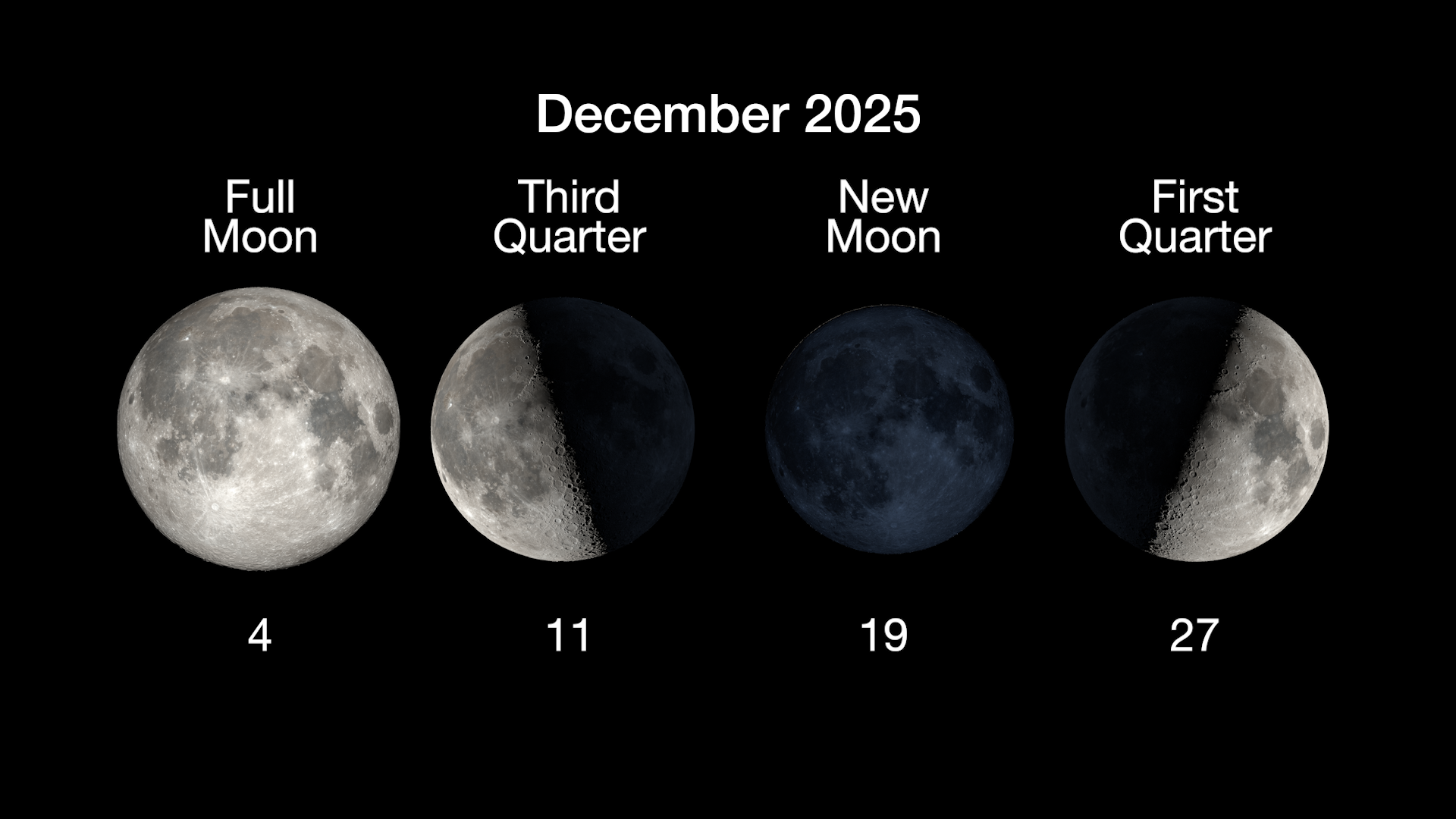
Also known as the Long Night’s Moon, this will be the last full moon of the year. Moreover, it would be a treat for stargazers, as it will be a Cold Supermoon, which essentially means Earth’s lunar associate will be closer to the planet by 221,965 miles (or 357,218 km). Say hello to a bigger and brighter moon.
When: December 04, 2025, 4:44 AM IST
How/Where to watch: Anywhere from India. Preferably on an elevated plain with a cloudless sky, away from city lights.
NASA
Jupiter-Moon Conjunction
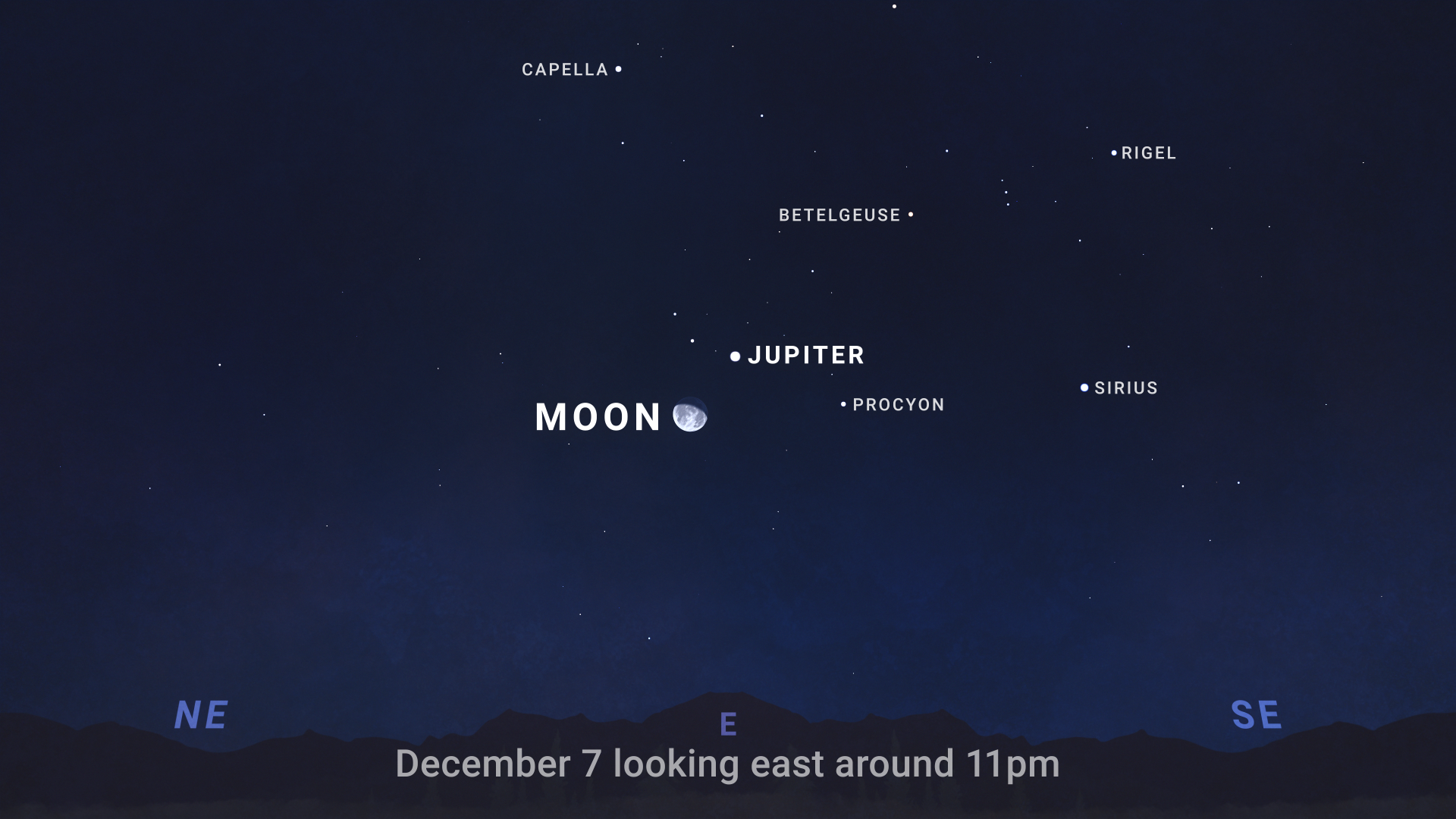
The next celestial event to delight the stargazers on Earth is the Jupiter-Moon Conjunction event. The objects will appear to be closer due to their alignment, while still being many hundred million miles apart. While the moon will be visible to the naked eye, Jupiter will resemble a star; it, however, can be spotted with a pair of binoculars or, better, a telescope. The moon will be shining at mag -12.7, while the gas giant will be glowing at mag -2.6.
When: December 07, 2025, 20:40 IST
How/Where to watch: Anywhere from India.
 NASA
NASA
Geminid Meteor Shower
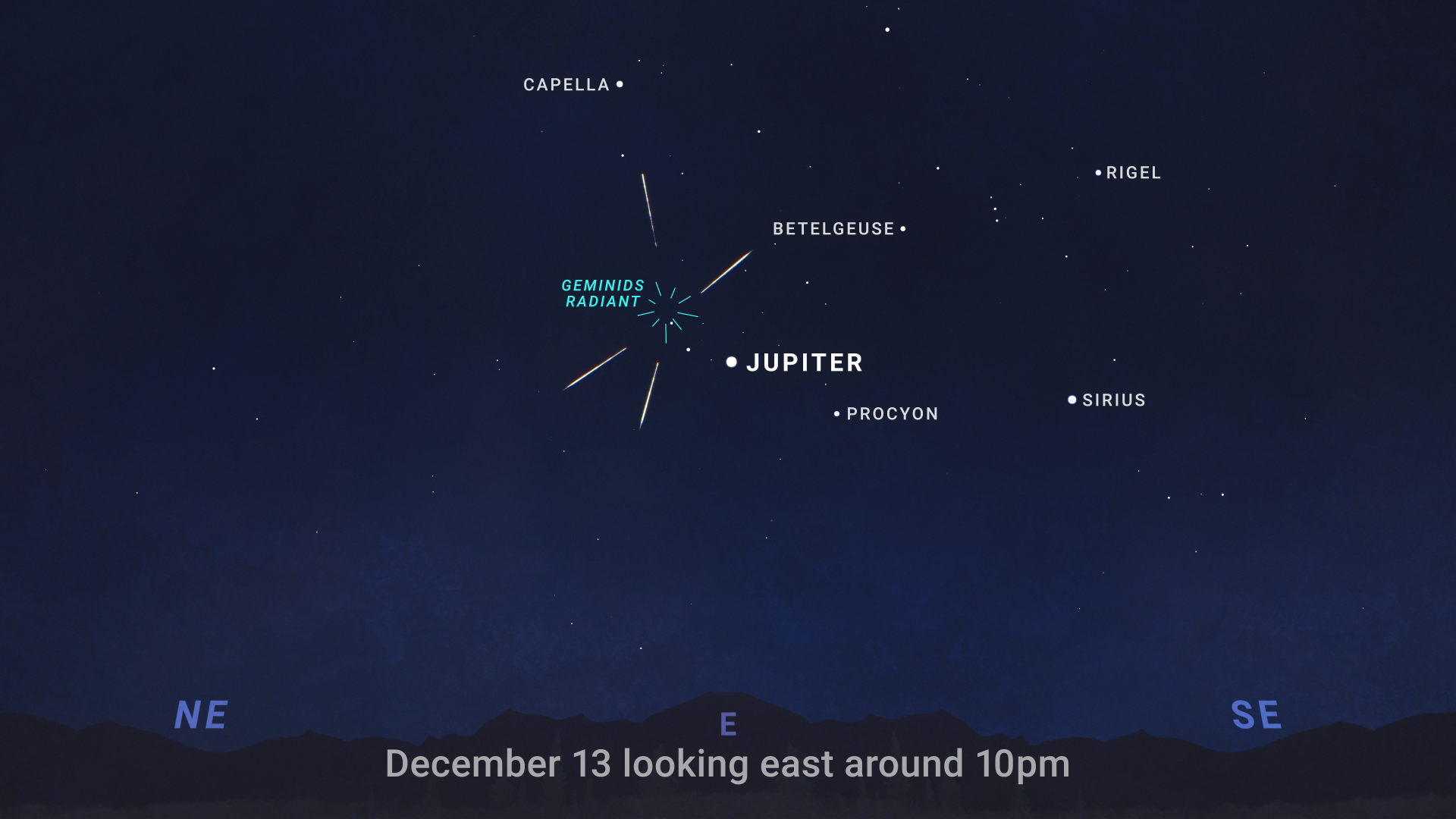
The Geminid Meteor Shower will take over the night sky with its Diwali-like display, as Earth will pass asteroid 3200 Phaethon’s-led meteor stream. The projected meteor shower will be 120 Geminid meteors per hour. It will be visible from late evening till dawn on the nights of peak activity. The Ursid meteor showers will follow the Geminid from the 17th till the 26th, with peak activity on the 22nd.
When: December 13-14, 2025 (peak)
How/Where to watch: Look towards the east as it gets darker.
NASA
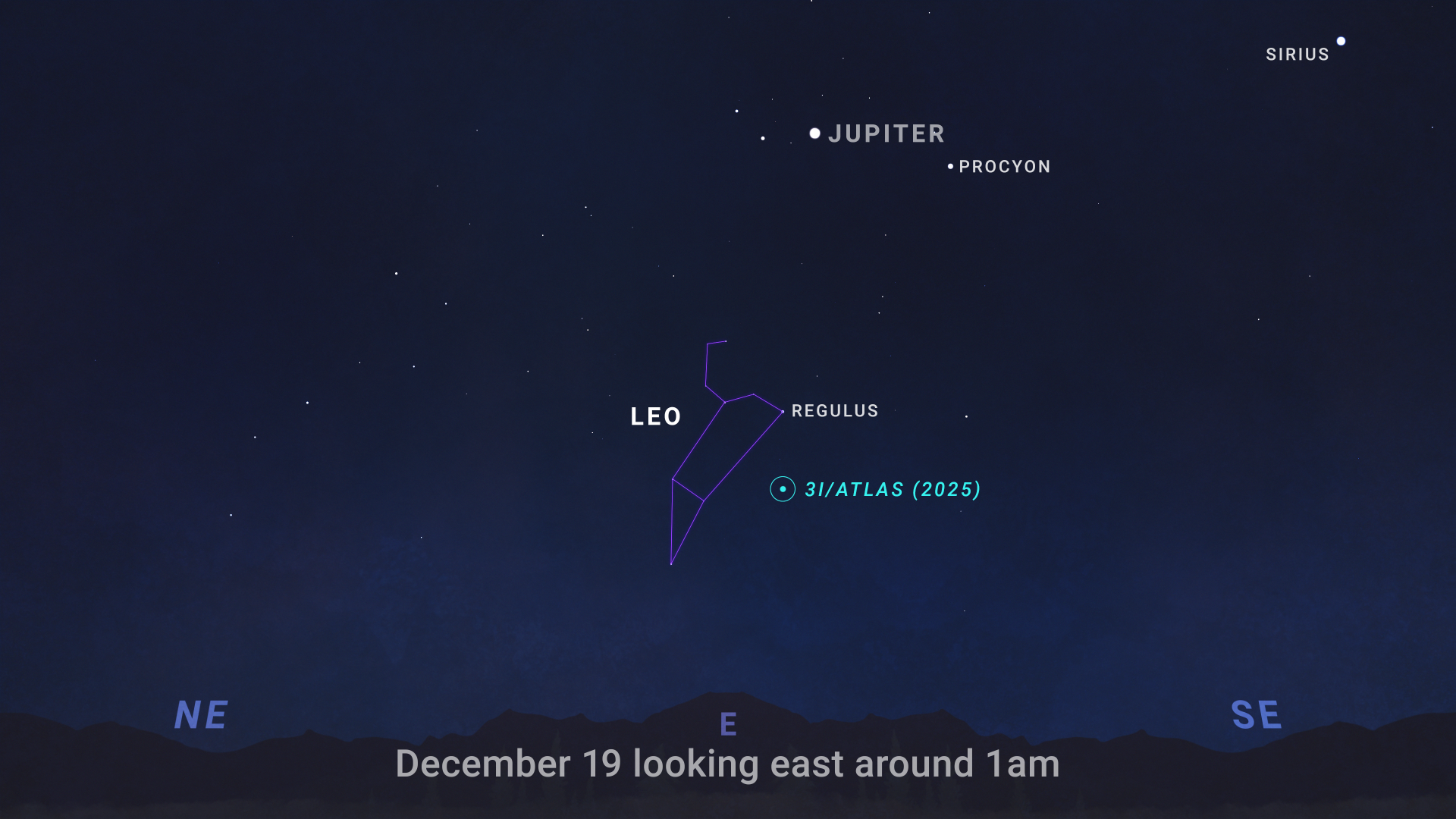
3I/ATLAS Earth flyby
This probably is the most anticipated celestial event for the Earthlings this December. Ever since its discovery on July 01, 2025 by the Asteroid Terrestrial-Impact Last Alert System (ATLAS) observatory, the interstellar comet has baffled scientists, stargazers, and social media alike. After its perihelion on October 29, the exocomet is on its way back to the interstellar highway. Along the exit, it will encounter Jupiter in March 2026. Ahead of the Jovian flyby, 3I/ATLAS will graze past Earth soon, at a distance of 1.7 AU. All eyes will be glued to the sky to finally confirm it is not a technological artifact from the world of Galactus on a reconnaissance mission (just kidding).
When: December 19, 2025
How/Where to watch: Look east to northeast at the constellation Leo with a telescope that has an aperture of at least 30 centimeters.
NASA
See Also: Full Moon December 2025: Know The Date, Time And Significance Of This Year’s Last Supermoon
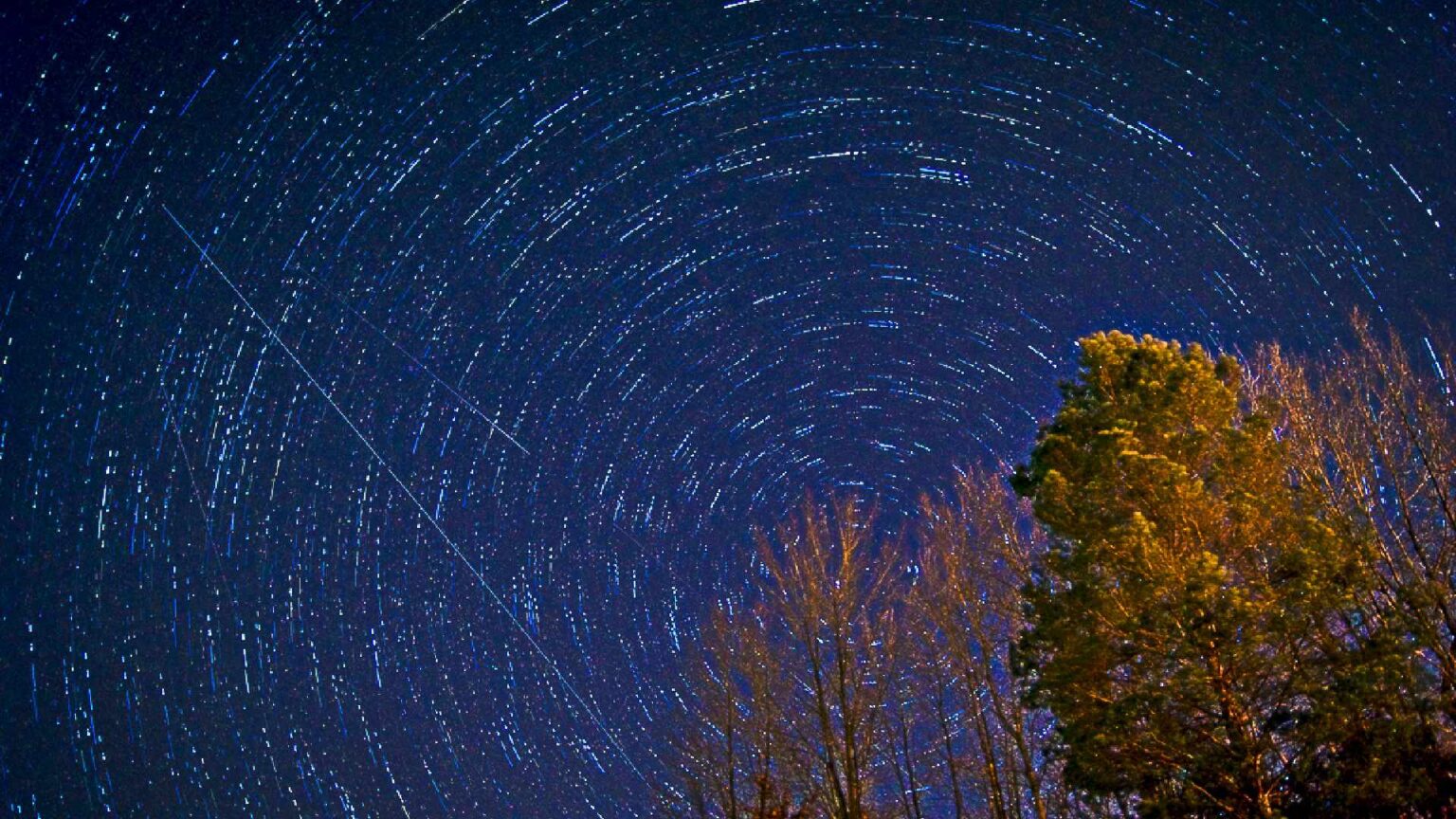
Cover: Geminid Spiral