
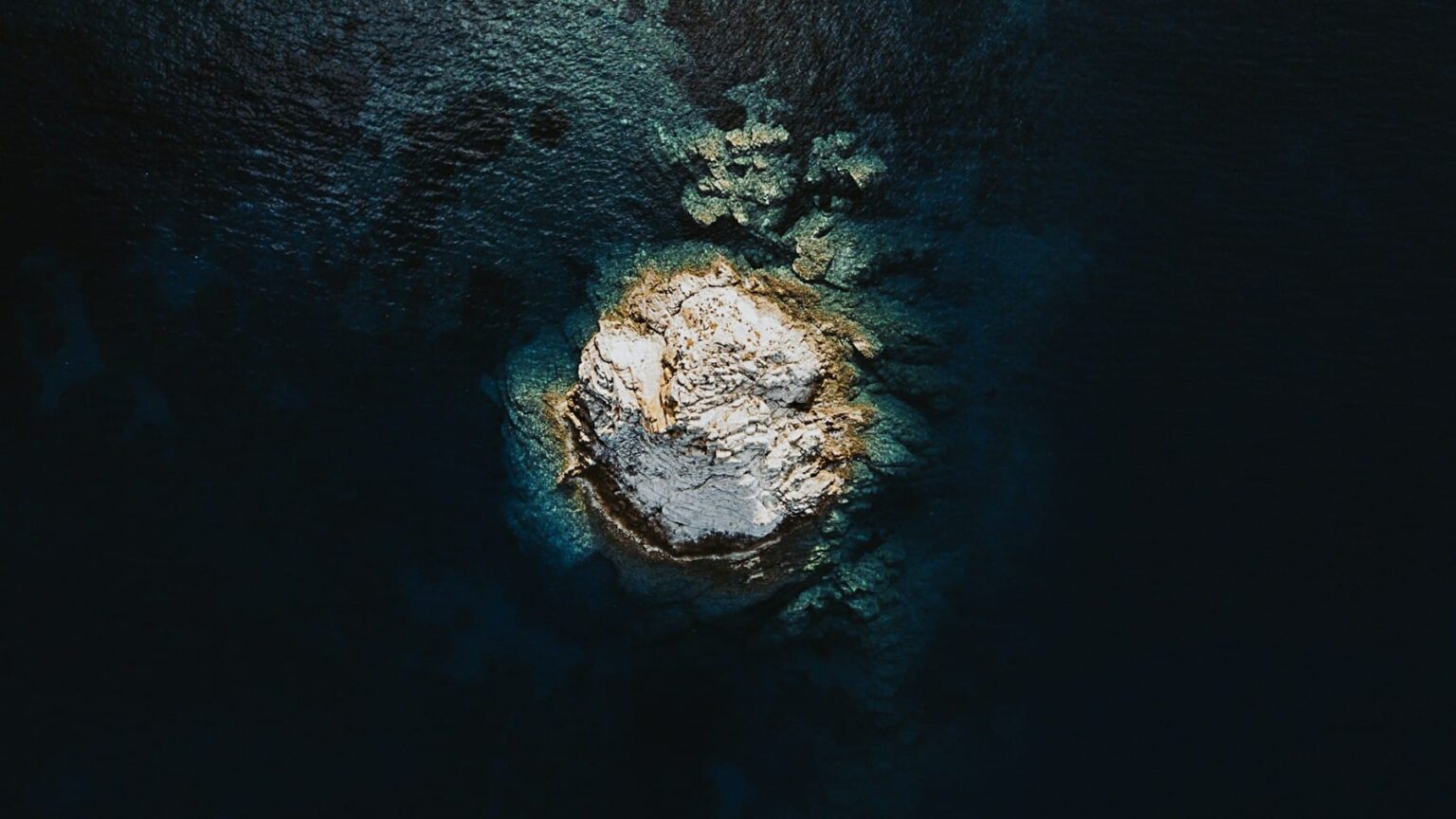
The United States is home to some of the most active volcanoes in the world. Right from the west coastline to the Pacific, our country sits on geological bodies that produce earthquakes and volcanic magma on a large scale. In today’s article, NASA scientists have taken notice of a volcano beneath the Pacific, as they believe it could erupt at any time.
Scientists have monitored an active volcano for decades
Volcanoes are one of the most violent natural disasters observed in the United States. Mount St. Helens, Yellowstone, and Kilauea are among the most violent volcanoes recorded in the world. Each of these volcanoes is observed to behave differently from the others. While most have been dormant for years now, some have remained active without a pause.
Given their violent effect on the surrounding environment, scientists have often used tools like seismic instruments, sensors, and satellites to monitor their activities. This monitoring routine is important because most of these volcanoes do not show surface indicators before erupting. Instead, the signs are hidden in subtle anomalies underground.
Recently, researchers have uncovered the quiet bubbling of a volcano off the coast of Oregon. The volcano lies beneath the Pacific and has been monitored in the past decade by researchers from Oregon State University. They have monitored it since the 1980s, and until now, all the potential indicators have remained subtle.
Brief overview of the underwater volcano
This volcano is the Axial Seamount. It is located approximately 300 miles off the U.S. Pacific Northwest coast. Axial Seamount is one of the most active volcanoes underneath the Pacific oceath known eruptions in 1998, 2011, and 2015. Since its last eruption, the team of researchers, led by Bill Chadwick, has maintained keen oversight of the area.
In 2024, Chadwick and his team explained how the events following every eruption were similar. It begins with high seismicity and an underground inflation of magma at the seafloor of the ocean. Although it is not visible, scientists have been able to detect a steady swell-up of magma that has accumulated over the past years, like this supervolcano warning by experts, causing global chaos.
However, after careful simulation, scientists can predict its next major eruption for late 2026. Although there are no immediate dangers for residents across the coast, researchers say it would follow the same pattern observed in its previous eruptions. But researchers have remained consistent in trying to determine the extent to which it would go in 2026.
Expectations for this upcoming volcanic eruption
Chadwick and his team have remained relentless in trying to uncover this underwater volcano. And according to recent measurements, the magma chambers are moving again. This indicates a surge in temperatures and surrounding gases. If this surge persists, the volcano should erupt soon.
Potential effects of this volcano on science and residents
Come 2026, if this volcanic eruption falls within the predicted frame, it could open an exciting opportunity for scientists. It would open up a window to study underwater eruptions with real-life effects. Scientists could also learn how magma moves and builds pressure underneath the seafloor.
For residents across the Axial Seamount, experts have conducted research that indicates potential hazards like tsunamis and other coastal destruction are unlikely to occur. This is because underwater volcanoes rarely produce enough wave disturbances necessary to trigger them. However, the focus of this research is not on its danger.
Scientists are more concerned about observational analysis. This event presents an opportunity for researchers to understand activities below the surface of the Pacific and the Earth’s crust. Recently, Chadwick and his team have developed an Axial Seamount Eruption Forecasting Experiment to accurately predict the next eruption, just like the giant volcano off our coast, nearing eruption.