Students in Hawai‘i Name Mesmerizing Image Ua ʻŌhiʻa Lani for the International Gemini Observatory’s 25th Anniversary
Credit: International Gemini Observatory/NOIRLab/NSF/AURA
Image Processing: J. Miller & M. Rodriguez (International Gemini Observatory/NSF NOIRLab), T.A. Rector (University of Alaska Anchorage/NSF NOIRLab), M. Zamani (NSF NOIRLab)
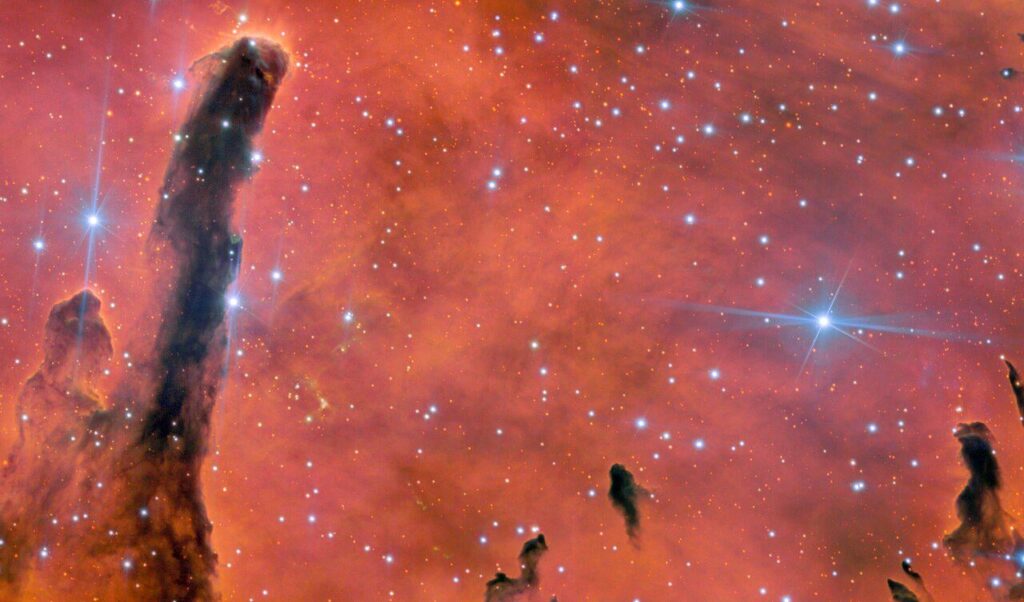
Gaseous pillars and a sparkling star cluster, reminiscent of rain in ʻŌhiʻa forests, feature in this new image from the Gemini North telescope
To celebrate 25 years since the completion of the International Gemini Observatory, students in Hawai‘i voted for the Gemini North telescope to image NGC 6820 — a striking emission nebula and open star cluster. The image was named Ua ʻŌhiʻa Lani, which means the Heavenly ʻŌhiʻa Rains. The International Gemini Observatory is partly funded by the U.S. National Science Foundation (NSF) and operated by NSF NOIRLab.
In July 2025, four Hawaiʻi Island high school students participated in a summer internship during which they researched, selected, and named the image released today to celebrate the [International Gemini Observatory](https://www.gemini.edu/)’s 25th anniversary. Inspired by a traditional Hawaiian story, they chose the name *Ua ʻŌhiʻa Lani*, which means the Heavenly ʻŌhiʻa Rains. The image features the emission nebula [NGC 6820](https://en.wikipedia.org/wiki/NGC_6820_and_NGC_6823), as well as its embedded open star cluster NGC 6823, captured in incredible detail by the Gemini North telescope on Maunakea. The Gemini North telescope celebrated First Light in June 1999, and the Observatory was completed 25 years ago when its Southern Hemisphere twin, the Gemini South telescope, saw First Light in November 2000.

3 Comments
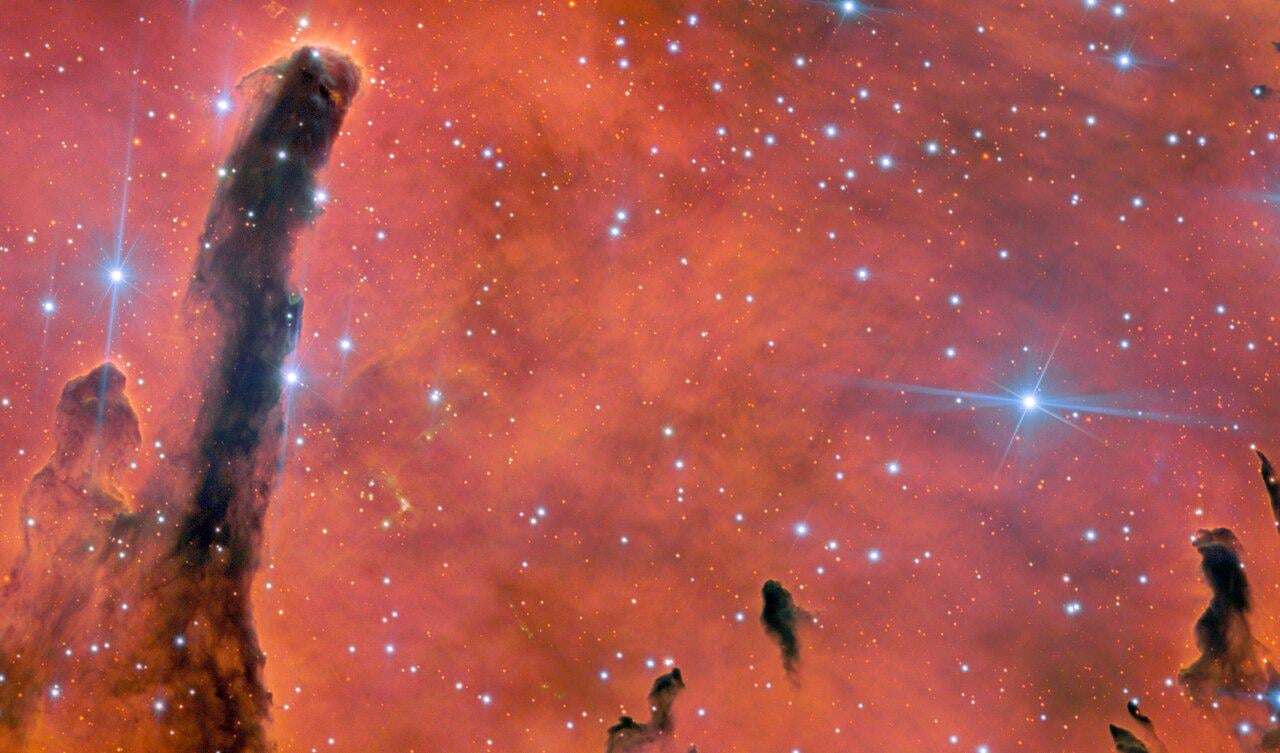
Gaseous pillars and a sparkling star cluster, reminiscent of rain in ʻŌhiʻa forests, feature in this new image from the Gemini North telescope
To celebrate 25 years since the completion of the International Gemini Observatory, students in Hawai‘i voted for the Gemini North telescope to image NGC 6820 — a striking emission nebula and open star cluster. The image was named Ua ʻŌhiʻa Lani, which means the Heavenly ʻŌhiʻa Rains. The International Gemini Observatory is partly funded by the U.S. National Science Foundation (NSF) and operated by NSF NOIRLab.
In July 2025, four Hawaiʻi Island high school students participated in a summer internship during which they researched, selected, and named the image released today to celebrate the [International Gemini Observatory](https://www.gemini.edu/)’s 25th anniversary. Inspired by a traditional Hawaiian story, they chose the name *Ua ʻŌhiʻa Lani*, which means the Heavenly ʻŌhiʻa Rains. The image features the emission nebula [NGC 6820](https://en.wikipedia.org/wiki/NGC_6820_and_NGC_6823), as well as its embedded open star cluster NGC 6823, captured in incredible detail by the Gemini North telescope on Maunakea. The Gemini North telescope celebrated First Light in June 1999, and the Observatory was completed 25 years ago when its Southern Hemisphere twin, the Gemini South telescope, saw First Light in November 2000.
More in links above
Yeah ain’t nobody calling it that
Stunning!