
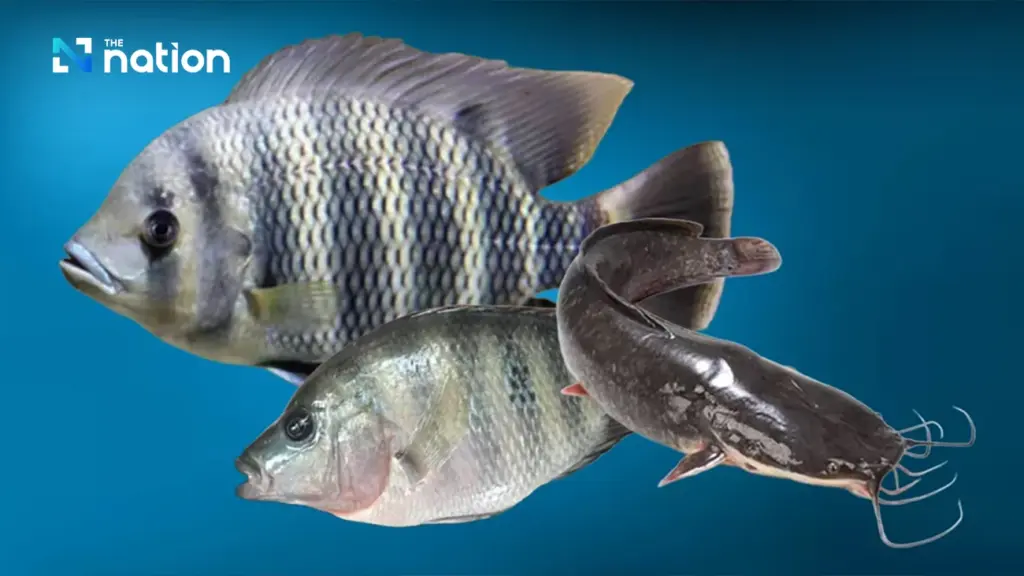
Addressing an issue currently trending online, the so-called black chin tilapia, Chaiphak noted that much of the information circulating is inaccurate. Contrary to claims that it is a predatory threat, scientific evidence and FAO reports show that the species is not a hunter but belongs to the Cichlidae family, feeding mainly on organic detritus, algae and plankton.
“The teeth and digestive system of the black chin tilapia are not those of a predator. They function more like filter-feeders and decomposers, often playing a role in brackish or polluted ecosystems,” he said, urging the public to rely on scientific data when discussing ecological issues.
Experts emphasise that long-term solutions must begin with stricter controls and complete traceability for all aquatic imports and exports, as well as expanded tools and personnel for the Department of Fisheries to strengthen nationwide monitoring.
Chaiphak warned that despite the economic value of certain alien species, Thailand’s biodiversity faces long-term, potentially irreversible damage if illegal imports continue unchecked.
“Managing the problem at its origin is the most essential step we must take now,” he said.