
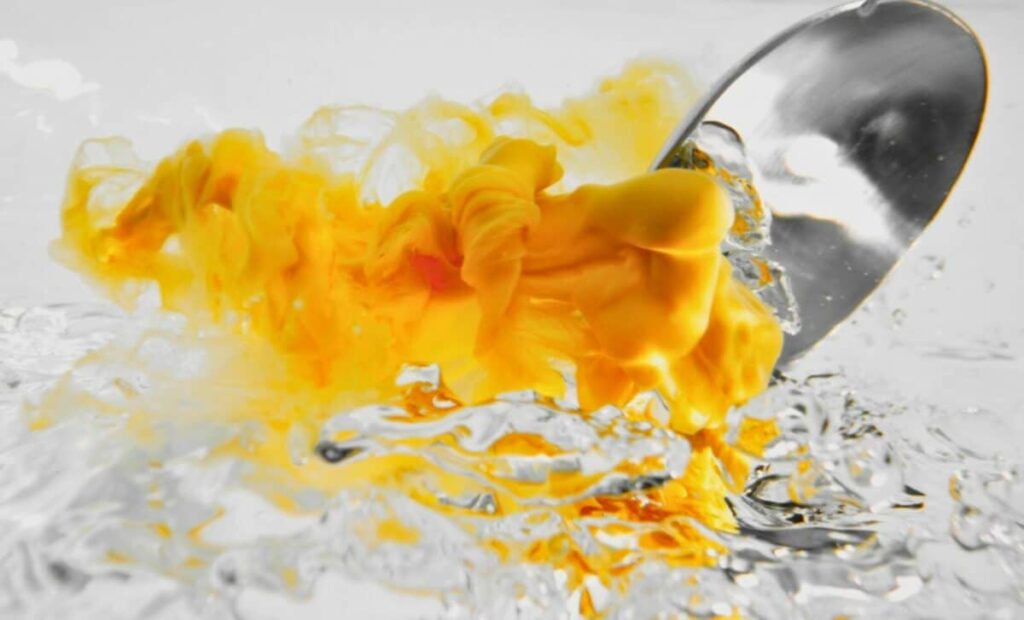
Turning air and astronaut urine into a meal may sound like science fiction, but it’s a serious proposal from European scientists. A new project led by the European Space Agency (ESA) aims to produce protein in space using Solein, a powder made from microbes, carbon dioxide, and electricity.
With missions to the Moon and Mars on the horizon, traditional supply chains for food become a logistical obstacle. Currently, astronauts on the International Space Station (ISS) rely on supplies launched from Earth. This method is expensive and unsustainable for longer, more distant missions. The ESA now wants to shift toward onboard food production systems that support autonomy and resilience.
The core idea is to grow food directly in space using local resources, cutting dependence on terrestrial resupply. The solution: Solein, a product created by the Finnish company Solar Foods, could be manufactured inside spacecraft using materials already available.
Using Microbes To Grow Space Meals
Solein is produced through gas fermentation, a process in which microbes convert carbon dioxide and hydrogen into a complete protein. According to Space.com, on Earth, the system uses ammonia as a nitrogen source. In space, that source would shift to urea, a key component of urine, making the whole process more self-contained.
“This project aims at developing a key resource which will allow us to improve human spaceflight’s autonomy, resilience and also the well-being of our astronauts,” said Angelique Van Ombergen, ESA’s chief exploration scientist.
The nutritional profile of Solein is another factor that makes it a promising candidate for long-duration missions. The powder consists of 78% protein, 6% fat—mostly unsaturated—10% dietary fibers, 2% carbohydrates, and 4% mineral nutrients. It’s also rich in micronutrients, delivering around 1.1 g/kg of iron and 50 µg/kg of vitamin B12, two elements often difficult to maintain in space diets.
The concept, if proven, would eliminate the need for frequent cargo missions and allow astronauts to live more sustainably beyond Earth orbit. Solar Foods has already demonstrated Solein’s production on Earth, but its behavior in microgravity is still unknown. That’s precisely what the upcoming development phase seeks to explore.
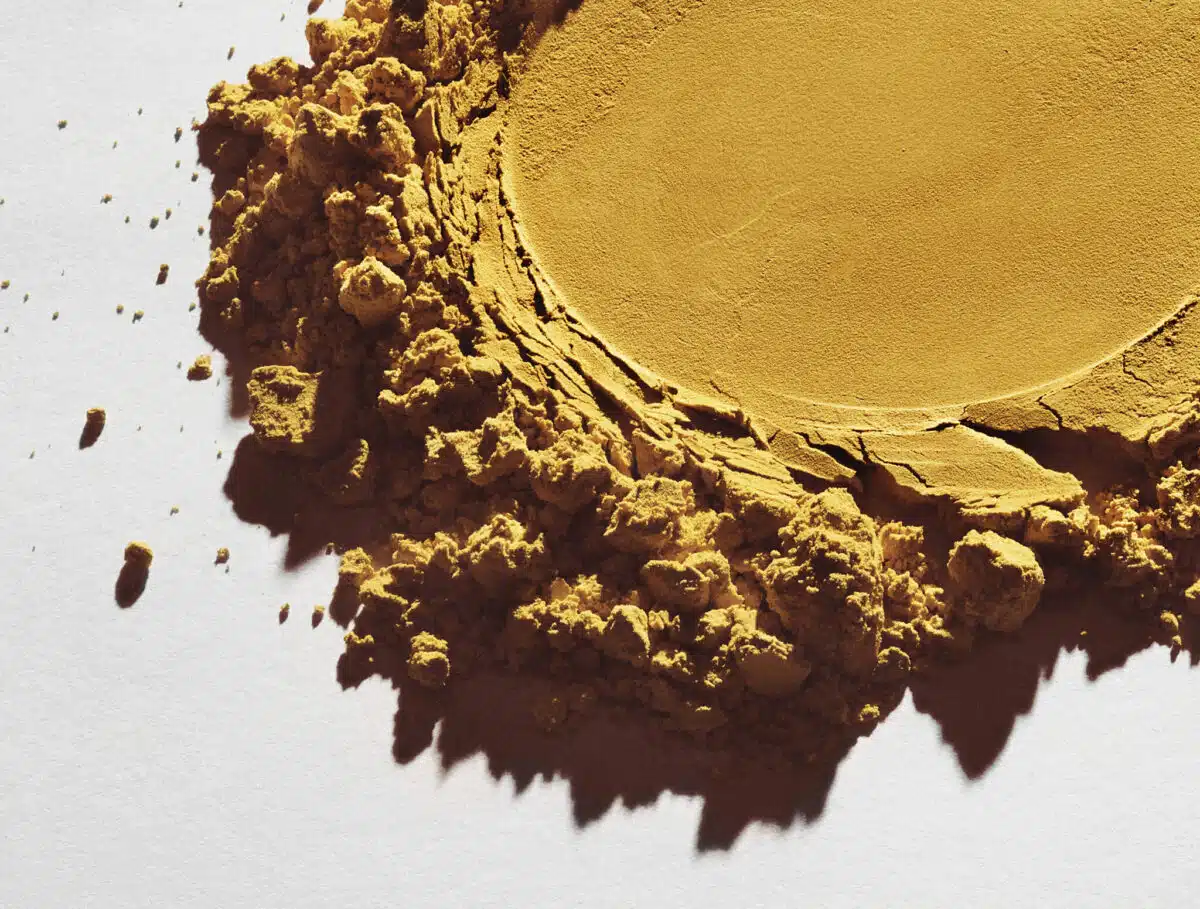 Solein, with its characteristic yellow color, can be made to taste like any flavor. Credit: Solar Foods
A First For Gas Fermentation In Orbit
ESA’s initiative marks the first attempt to apply gas fermentation technology in orbit using resources like astronaut urine. According to Arttu Luukanen, senior vice president of space and defence at Solar Foods:
“The aim of the project is to confirm that our organism grows in the space environment as it does on the ground, and to develop the fundamentals of gas fermentation technology to be used in space — something that has never been done before in the history of humankind.”
Over the next eight months, Solar Foods will collaborate with OHB System AG, a German aerospace contractor, to adapt the fermentation technology for use aboard the ISS. The key challenge lies in microgravity. On Earth, gases and liquids behave predictably thanks to buoyancy. In space, the absence of gravity alters the transport of nutrients and gases within the microbial system, possibly affecting performance and output.
 Created by the Finnish company Solar Foods, Solein could become an essential food source for astronauts on prolonged missions to the Moon, Mars, and beyond. Credit: Solar Foods
Space Food With Terrestrial Potential
The implications of this research reach Earth as well. Producing nutritious food from carbon dioxide and waste products like urine has potential in remote or resource-scarce environments on the ground.
The technology represents a step toward circular life-support systems, where waste, including human urine, is not discarded but repurposed. That approach aligns with broader goals in space exploration, where sustainability is a core principle. As stated in the same source, this experiment could be key to achieving the goal of establishing sustainable surface habitats on other worlds.