
The European Space Agency (ESA) has extended its Proba-3 mission until August 2028, following early success in studying the Sun’s outer atmosphere, known as the corona.
The mission was launched in December 2024 using two satellites built and tested in Belgium. Flying 144 metres apart, the satellites create artificial solar eclipses by allowing one spacecraft to block the Sun’s light for the other.
This gives scientists a much longer view of the corona than a natural eclipse, allowing observations for up to seven hours during each orbit around Earth.
According to the Royal Observatory of Belgium, the mission has “already produced a large amount of high-quality scientific data”. Researchers hope the findings will improve forecasts of solar storms and fast solar winds, helping to protect astronauts and space infrastructure.
Belgium has played a leading role in the project, contributing €66 million to the mission’s total cost of €166 million and overseeing key scientific operations. ESA will fully fund the extension, meaning Belgium will not need to make any additional investment.
Belgian officials said the extension highlights both the success of the ambitious mission and Belgium’s strong position in European space research.
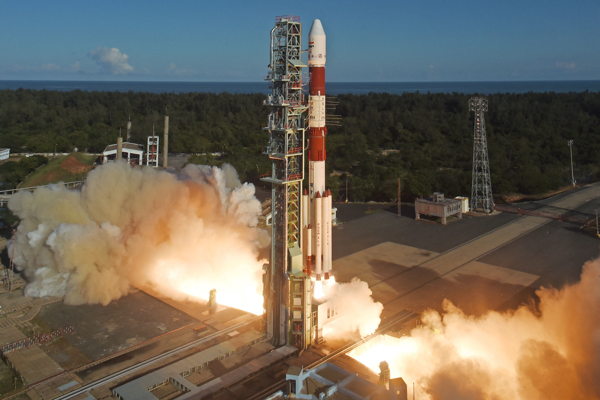
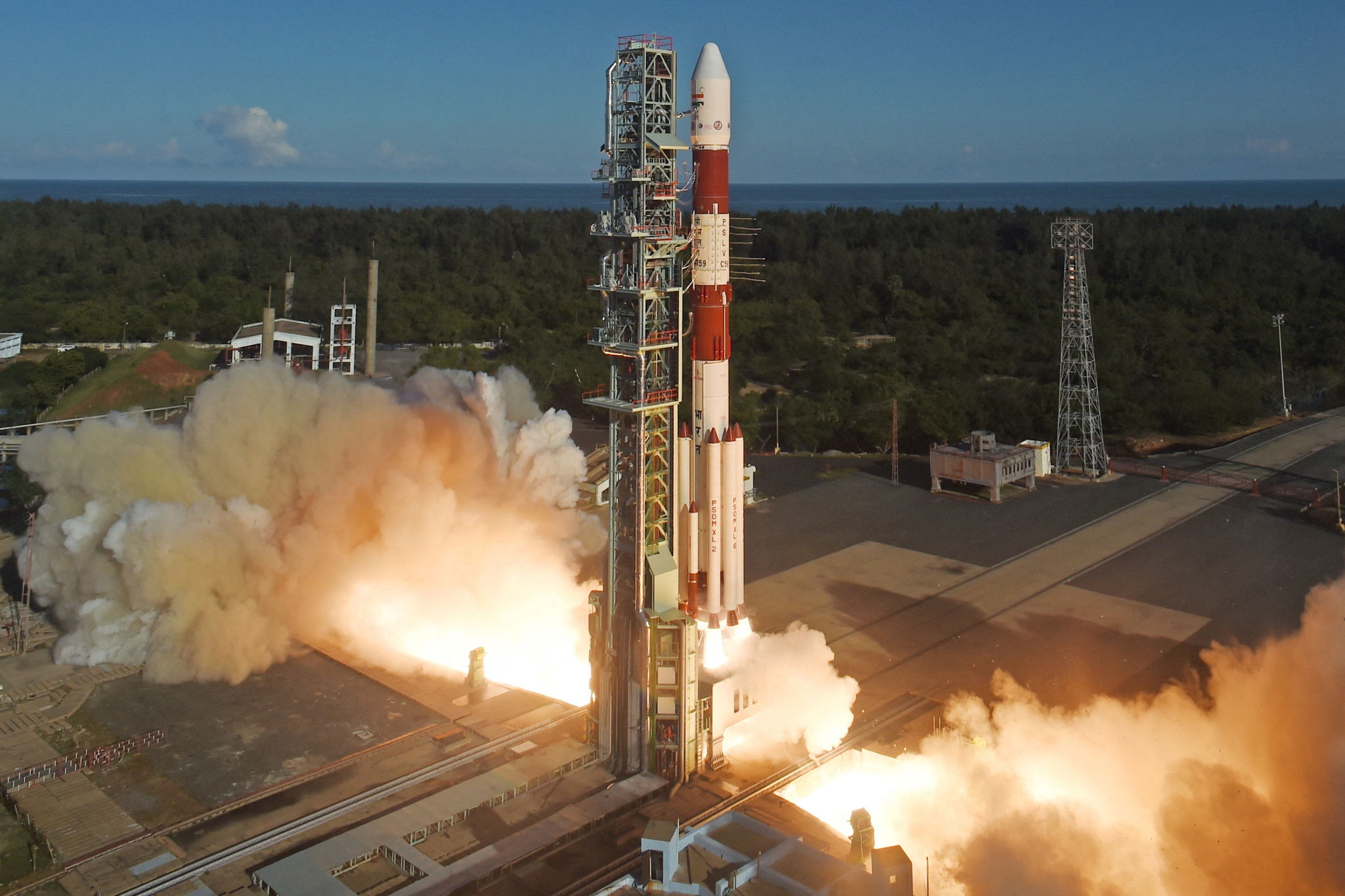
The launch of PSLV-C59 carrying satellites that will create artificial solar eclipses to help scientists catch a rare glimpse of the Sun’s mysterious atmosphere, in December 2024 © Indian Space Research Organisation (ISRO) / AFP