
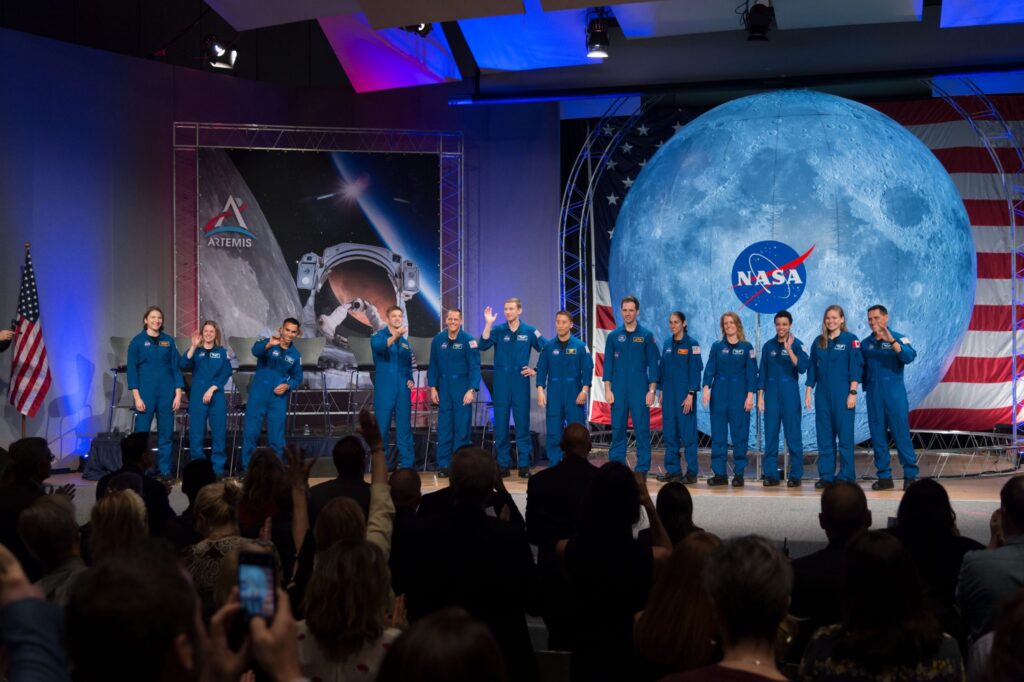
The European Space Agency (ESA) has expressed strong confidence that a German astronaut will have the opportunity to travel to the Moon as part of NASA’s ambitious Artemis program. This expectation marks a significant milestone for Germany, Europe, and international space cooperation as humanity prepares to return to the lunar surface for the first time in more than half a century.
The Artemis program represents NASA’s flagship effort to establish a sustainable human presence on the Moon and lay the groundwork for future missions to Mars. Unlike the Apollo era, which was largely a national endeavor, Artemis is built on extensive international partnerships.
Countries and space agencies around the world are contributing technology, expertise, and resources, making the program one of the most collaborative ventures in the history of space exploration.
ESA has been a crucial partner in Artemis from its earliest stages. The agency has provided key components for NASA’s Orion spacecraft, including the European Service Module, which supplies power, propulsion, air, and water for astronauts during their missions. This contribution has secured Europe a significant role in future lunar expeditions and opened the door for European astronauts to participate in missions beyond Earth orbit.
ESA officials believe that a German astronaut stands a strong chance of being selected for one of the upcoming Artemis lunar missions. Germany has long been one of Europe’s leading contributors to space exploration, both financially and technologically. German engineers, scientists, and astronauts have played essential roles in numerous international missions, including those involving the International Space Station (ISS).
As a result, Germany is well positioned to benefit from Europe’s participation in the next phase of lunar exploration. The prospect of a German astronaut walking on the Moon carries considerable symbolic and practical significance. Such an achievement would represent a historic first for Germany and would inspire a new generation of scientists, engineers, and students throughout Europe.
It would also demonstrate the value of international collaboration in achieving goals that no single nation could accomplish alone. Several highly qualified German astronauts are currently part of ESA’s astronaut corps. While ESA has not publicly confirmed who might be selected, the agency’s confidence suggests that Germany’s chances are particularly strong as discussions continue regarding crew assignments for future Artemis flights.

Final decisions will depend on factors such as mission requirements, astronaut experience, training, and the broader objectives of the international partnership. The Artemis program itself is progressing through a series of carefully planned missions. Artemis I successfully tested the Orion spacecraft in an uncrewed journey around the Moon.
Artemis II is expected to carry astronauts on a lunar flyby mission, while Artemis III aims to return humans to the lunar surface. Additional missions are planned to support the construction of the Lunar Gateway, a space station that will orbit the Moon and serve as a hub for exploration activities.
For Europe, participation in Artemis extends beyond simply sending astronauts into space. The program offers opportunities to advance scientific research, develop new technologies, and strengthen Europe’s position in the growing space economy. It also reinforces the importance of international partnerships in tackling complex challenges in space exploration.

As preparations for future Artemis missions continue, ESA’s optimism reflects Europe’s growing influence in lunar exploration. If a German astronaut is ultimately chosen, it would mark a historic chapter not only for Germany but also for Europe’s role in humanity’s return to the Moon and its journey toward even more ambitious destinations in the solar system.
Like this:
Like Loading…