
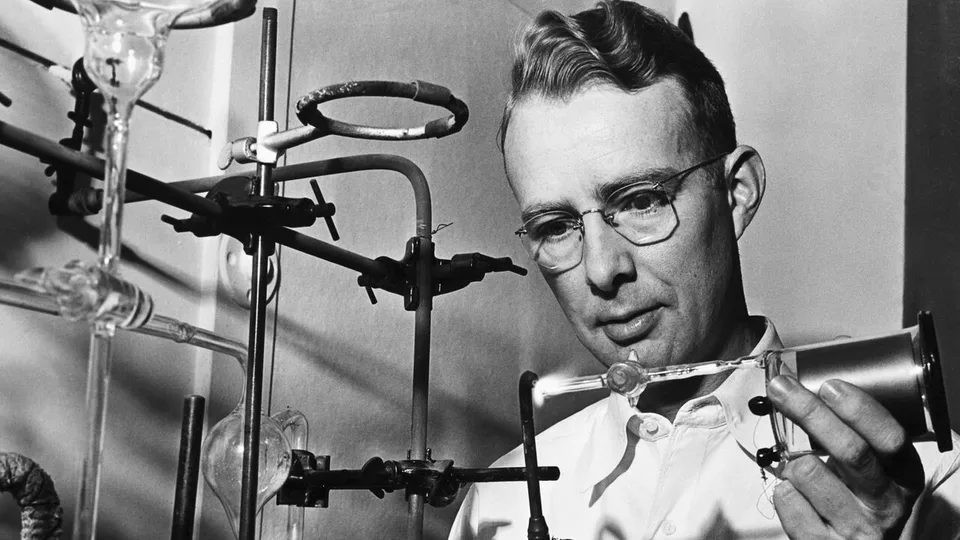
American physicist Luis Alvarez, whose 115th birthday is celebrated on June 13, is renowned as the proposer of the theory that an asteroid was responsible for the extinction of the dinosaurs at the boundary between the Mesozoic and Cenozoic eras. However, throughout the majority of his career, he contributed to entirely different, yet equally compelling, areas of study.
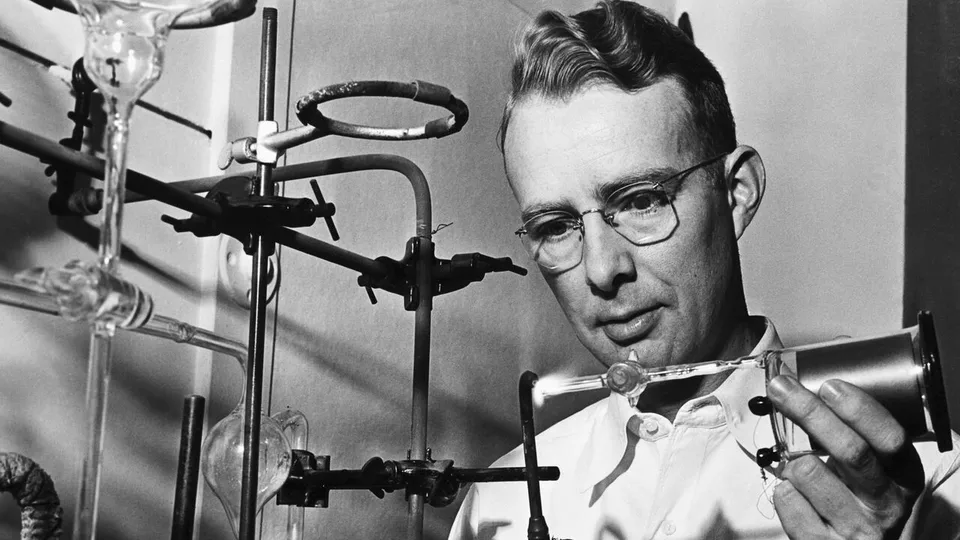 Luis Alvarez. Source: phys.org
The scientist as depicted in popular culture
In popular culture, it is quite uncommon to observe a portrayal of a scientist that is both accurate and positive. Typically, when scientists are not threatening the world, conducting experiments on humans, or embodying the role of a misfit, they are engaged in solving numerous mysteries across various fields.
In reality, such occurrences are uncommon in practical life. The majority of scientists — even those of eminent reputation — are highly specialized individuals who dedicate their entire careers to a singular field and a confined set of problems, which are typically obscure to the general populace.
However, among the scientists of the 20th century, there were some who, over the course of their lives, actually solved several problems that were understandable even to laypeople. One of them was the American physicist Luis Alvarez.
He was born on June 13, 1911, into the family of the distinguished American physician Walter Alvarez. His father specialized in diseases of the digestive and nervous systems, but from an early age, he was drawn to physics and chose to study at the University of Chicago. There, he first earned a bachelor’s degree, then a master’s, and finally, in 1936 (when he was 25 years old), he became a Doctor of Philosophy.
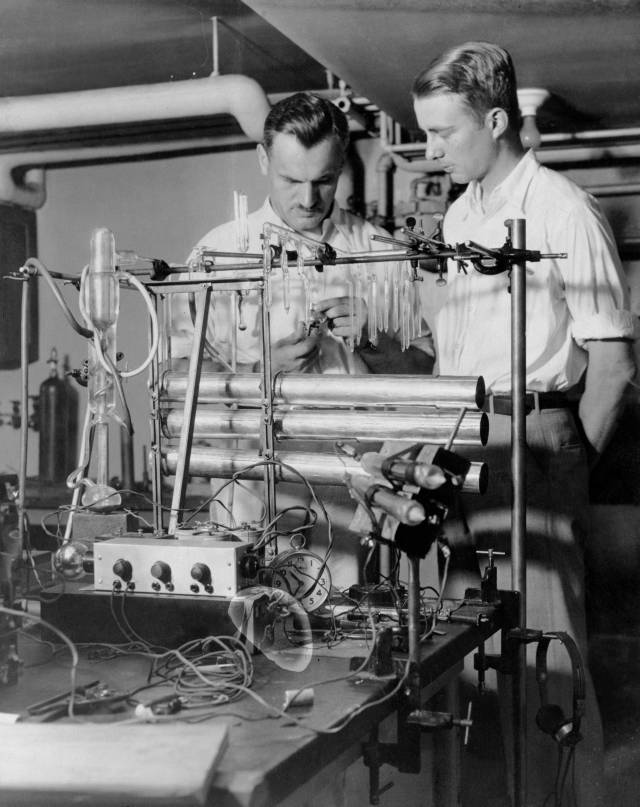 Student Alvarez collaborates in the laboratory alongside Arthur Compton. Source: phys.org
However, Alvarez commenced rigorous scientific research during his tenure as a student. As early as 1932, under the supervision of his advisor Arthur Compton, who was already a Nobel laureate, he constructed a Geiger counter and employed it as a telescope to examine cosmic rays. Through these observations, Alvarez deduced that at least some of these rays possessed a positive charge. Consequently, at just over 21 years of age, Alvarez became a co-author of a significant scientific discovery for the first time. Is he not reminiscent of a scientist from a Hollywood film?
Working at Berkeley
Following the successful defense of his dissertation, Mr. Alvarez married and commenced the pursuit of employment. He had consistently harbored a keen interest in the University of California, Berkeley, and his sister Gladys was employed as a secretary for Ernest Lawrence, the director of the university’s radiation laboratory. Dr. Lawrence subsequently engaged in a meeting with Mr. Alvarez and graciously extended an invitation for him to join his research team, an offer to which Mr. Alvarez gladly consented.
At Berkeley, Lewis demonstrated himself to be an extraordinarily skilled experimentalist. He is part of a rare class of scientists capable of constructing his own experimental apparatus to investigate complex phenomena predicted by contemporary physical theories.
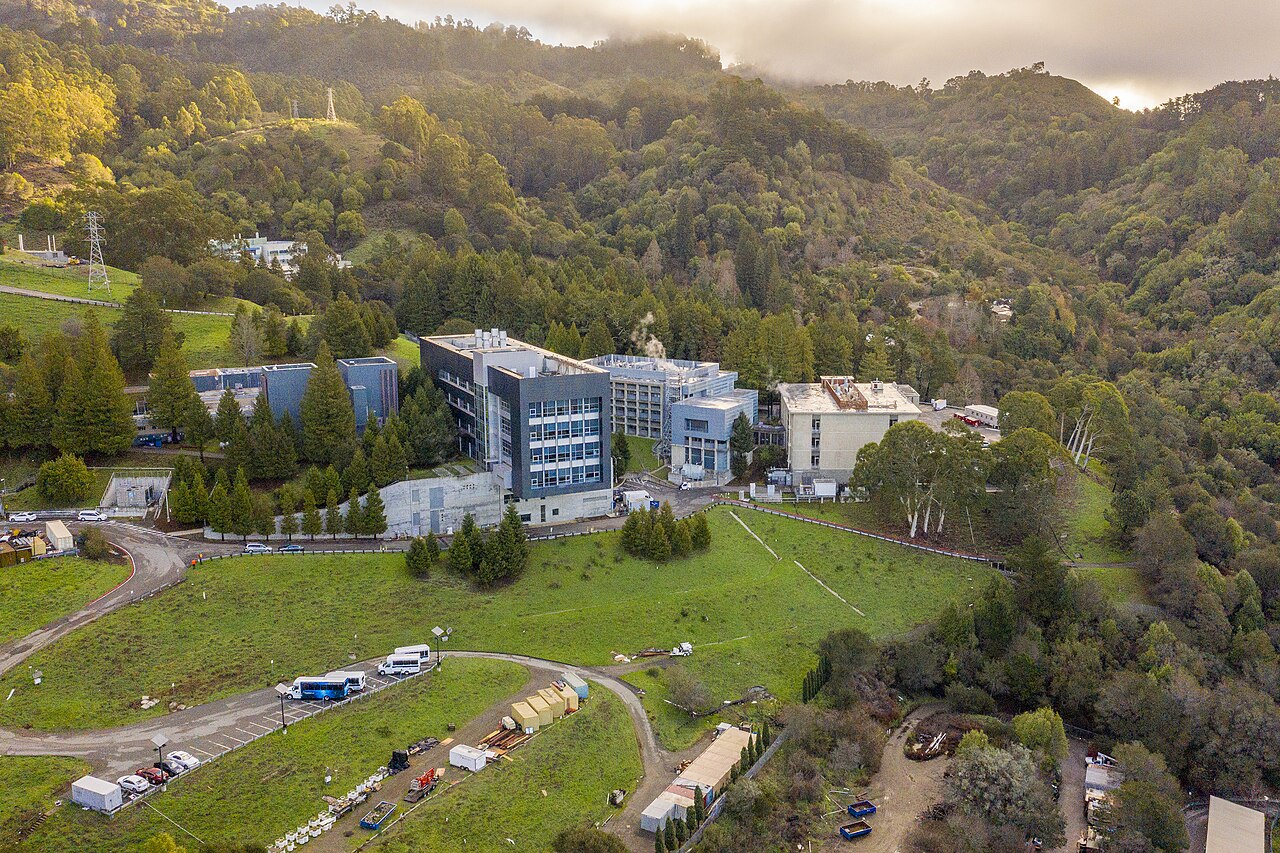 Lawrence Berkeley National Laboratory. Source: Wikipedia
In particular, Luis Alvarez successfully detected the capture of electrons during beta decay — a process that, according to theoretical predictions, was expected to occur but had not been previously observed. To accomplish this, he constructed a specialized Geiger counter that responded solely to soft X-rays.
Airplanes and radars
Subsequently, World War II commenced. British engineers arrived in the United States. They possessed conventional radar systems, which, at that time, were classified and regarded as a crucial asset of the war effort. Furthermore, they had developed a prototype of a more advanced device capable of detecting enemy targets at a distance through the use of microwave radiation generated by magnetrons.
The British were unable to realize the concept. They presented it to Lottens, who delegated the task to Alvarez. Even during the initial phases of the project, Alvarez succeeded in enhancing the existing radars; notably, he developed a “friend-or-foe” identification system for their use.
While addressing the issue directly, Lewis successfully developed a purpose-built linear dipole antenna functioning within the centimeter-wave band. Notably, this represented the world’s first radar equipped with a phased array antenna. Currently, such systems are predominantly employed for military applications, particularly on aircraft and ships.
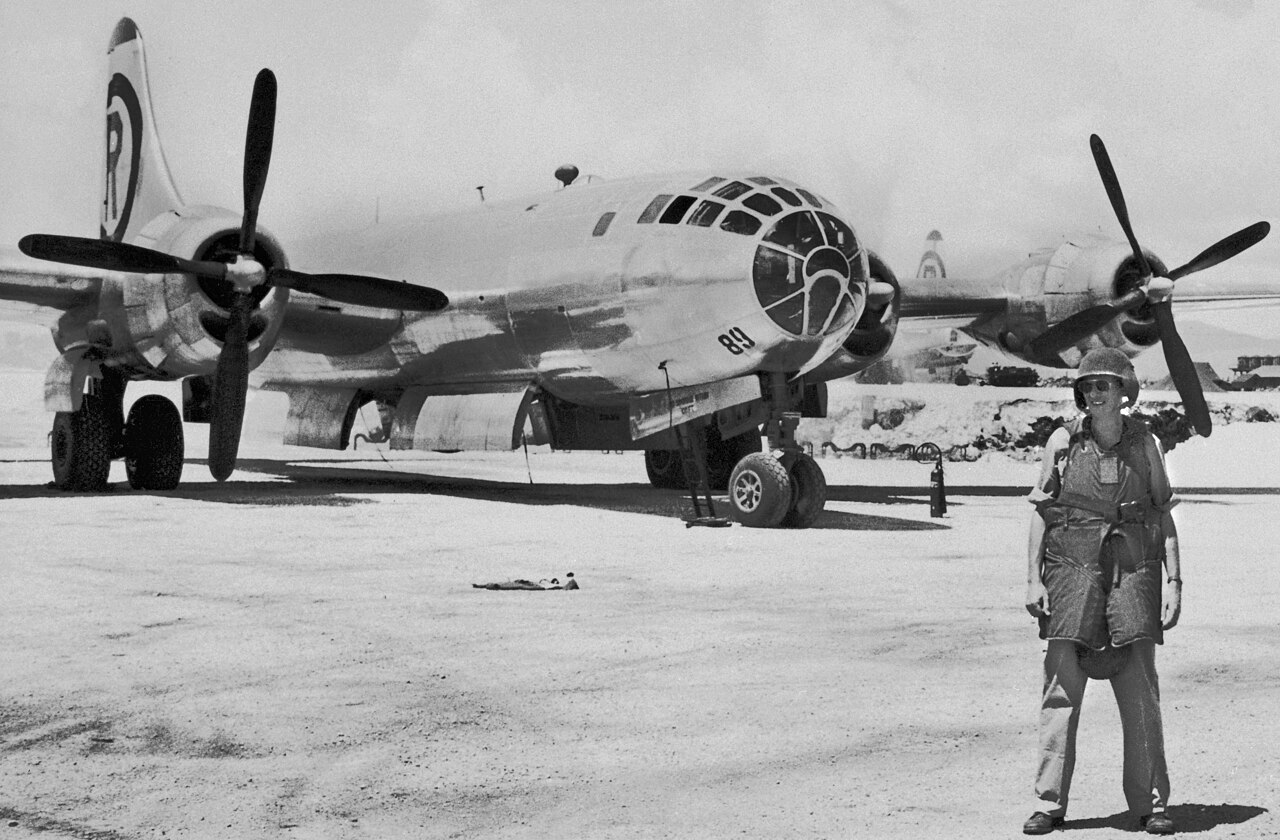 Alvarez standing beside a B-29 bomber during the Second World War. Source: Wikipedia
Nevertheless, the development of a radar-based aircraft approach guidance system garnered the greatest recognition for Alvarez. At the time, in circumstances where an aircraft needed to land during nocturnal hours in foggy conditions or low cloud cover (a scenario that frequently occurred during combat missions), the pilot was compelled to depend almost solely on luck and swift reflexes.
Alvarez developed a system that enabled ground control to continuously monitor the aircraft’s position utilizing radar with high angular resolution and to transmit instructions to the pilot through radio communication.
During the implementation of this system in the United Kingdom, Lewis encountered a young radio technician named Arthur C. Clarke. Clarke subsequently gained prominence as a distinguished science fiction author; he incorporated his experience working with radar into his literary works and included Alvarez, with whom he maintained a long-standing friendship, as one of the characters in his stories.
Manhattan Project
When the United States commenced the development of nuclear weapons, a project designated as the “Manhattan Project,” Alvarez was not initially engaged. He was more urgently required in the domain of radar development. Nevertheless, upon his return to the United States from Britain in 1943, he had already received an invitation from Robert Oppenheimer himself.
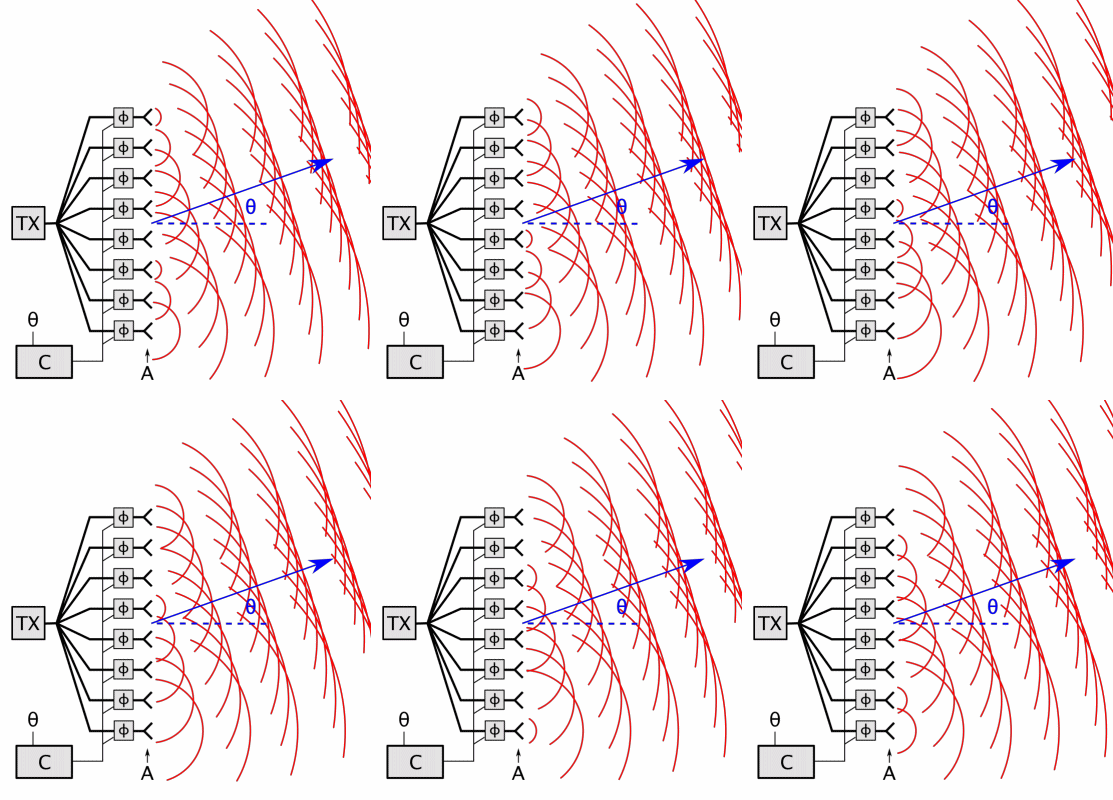 Phased-array radar. Source: Wikipedia
However, the first individual Luis encountered was General Leslie Groves, the military director of the Manhattan Project. He expressed significant concern regarding the extent of the Germans’ progress in their research. He inquired if Alvarez knew of any methods to remotely detect active reactors.
In response, Lewis proposed the installation of equipment on the aircraft to detect the radioactive gas xenon-133. As this substance is produced exclusively in nuclear reactors and is virtually absent elsewhere, even trace amounts could signify nuclear research activities. The military complied with the scientist’s instructions and promptly verified that the Nazis did not possess operational nuclear facilities.
Meanwhile, Alvarez was actively engaged in weapons development. The uranium-based “Little Boy” was already completed; however, “Fat Boy,” which utilized plutonium, was still under development. Additionally, the “gun-type” design employed in the initial prototype was not appropriate for this device. It was Alvarez who assumed the primary role in implementing the implosion method to compress the plutonium core to critical density.
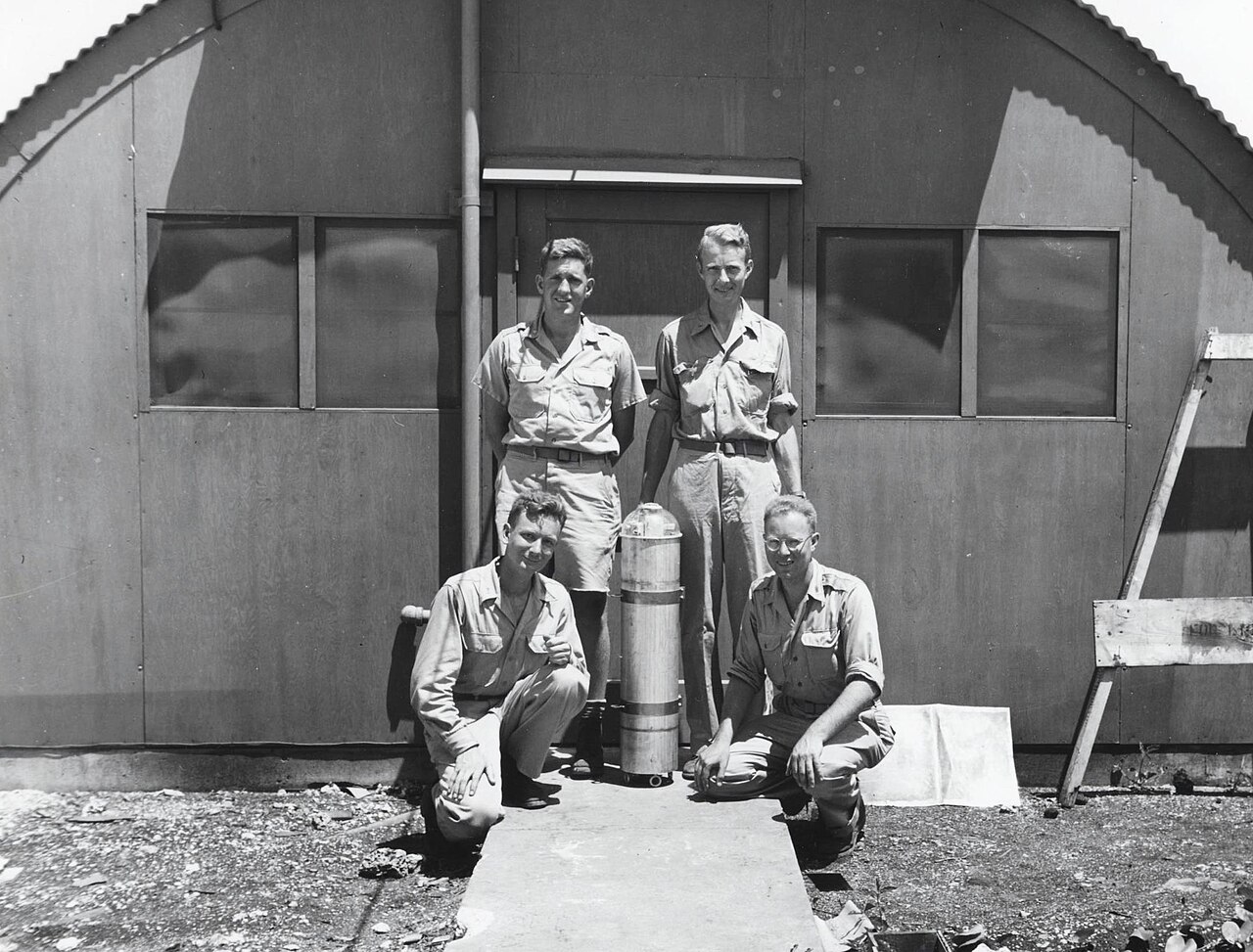 Luis Alvarez and other physicists during World War II. Source: Wikipedia
Together with his graduate student Lawrence Johnson, Alvarez developed a set of instruments that enabled the determination of shock wave power based on its acoustic characteristics. During the Trinity test, the first nuclear explosion, they observed it from aboard a B-29 bomber.
This was not Alvarez’s initial experience with observing a nuclear explosion. On August 6, 1945, when the U.S. military deployed “Little Boy” on Hiroshima, Alvarez monitored the event from an escort bomber utilizing instruments he had developed. Lawrence documented the explosion of “Fat Boy” over Nagasaki.
Nobel Prize
Following the conclusion of the war, Alvarez reintegrated into Berkeley’s academic community as a distinguished figure, being recognized as a full professor, a celebrity, and holding the rank of lieutenant colonel in the U.S. Army. He recommenced his research on developing sophisticated apparatus for investigating nuclear effects at the subatomic level.
American scientists had recently constructed the most powerful particle accelerator of its era, known as the “Bevatron.” However, they faced challenges in reliably and efficiently tracking all the phenomena generated within it. Alvarez promptly recognized that the recently invented bubble chamber by Donald Glaser would serve as the precise instrument necessary for their purposes, provided it could be adapted to operate effectively with hydrogen nuclei — protons.
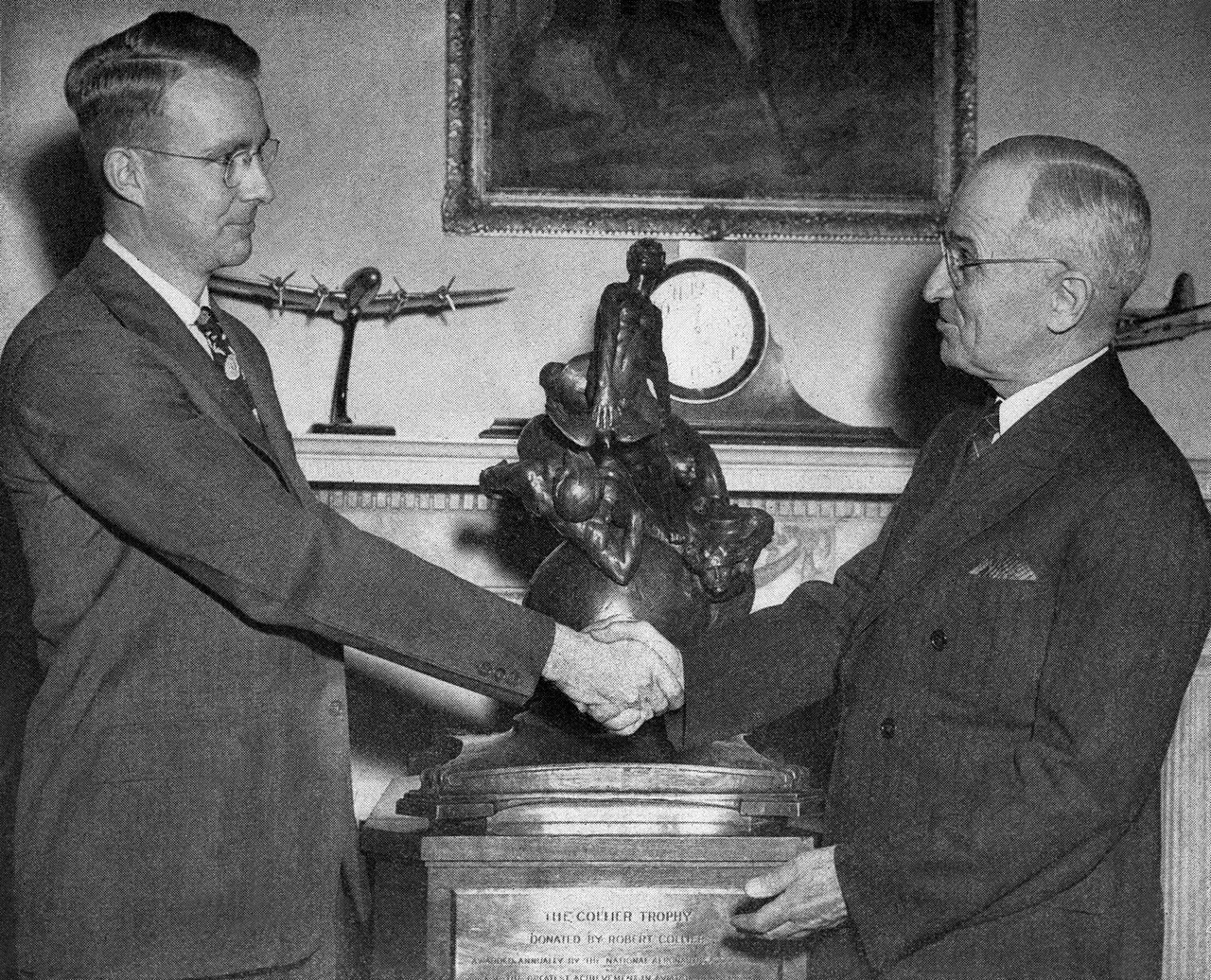 Alvarez was presented with an award by President Harry Truman of the United States in 1946. Source: Wikipedia
Alvarez successfully implemented the necessary enhancements and constructed an exceptionally large model, measuring 7.5 meters in length. Within this model, he was able to observe and photograph particles that had not been previously documented. It subsequently emerged that some of these particles were not genuinely novel, despite their appearance. Rather, the peaks he recorded corresponded to highly transient states of already known bosons and leptons, which were effectively ‘captured’ during particular interactions.
These virtual particles, or the special states of other particles — an aspect that in the realm of quantum physics is challenging to distinctly differentiate — are referred to as resonances. It was due to their discovery in 1968 that Luis Alvarez received the Nobel Prize in Physics.
Cosmic rays, the Egyptian pyramids, and the Kennedy assassination
However, by the time he was awarded the Nobel Prize, Alvarez was already engaged in an entirely different line of work. He had resumed the study of cosmic rays, an area that marked the inception of his scientific career.
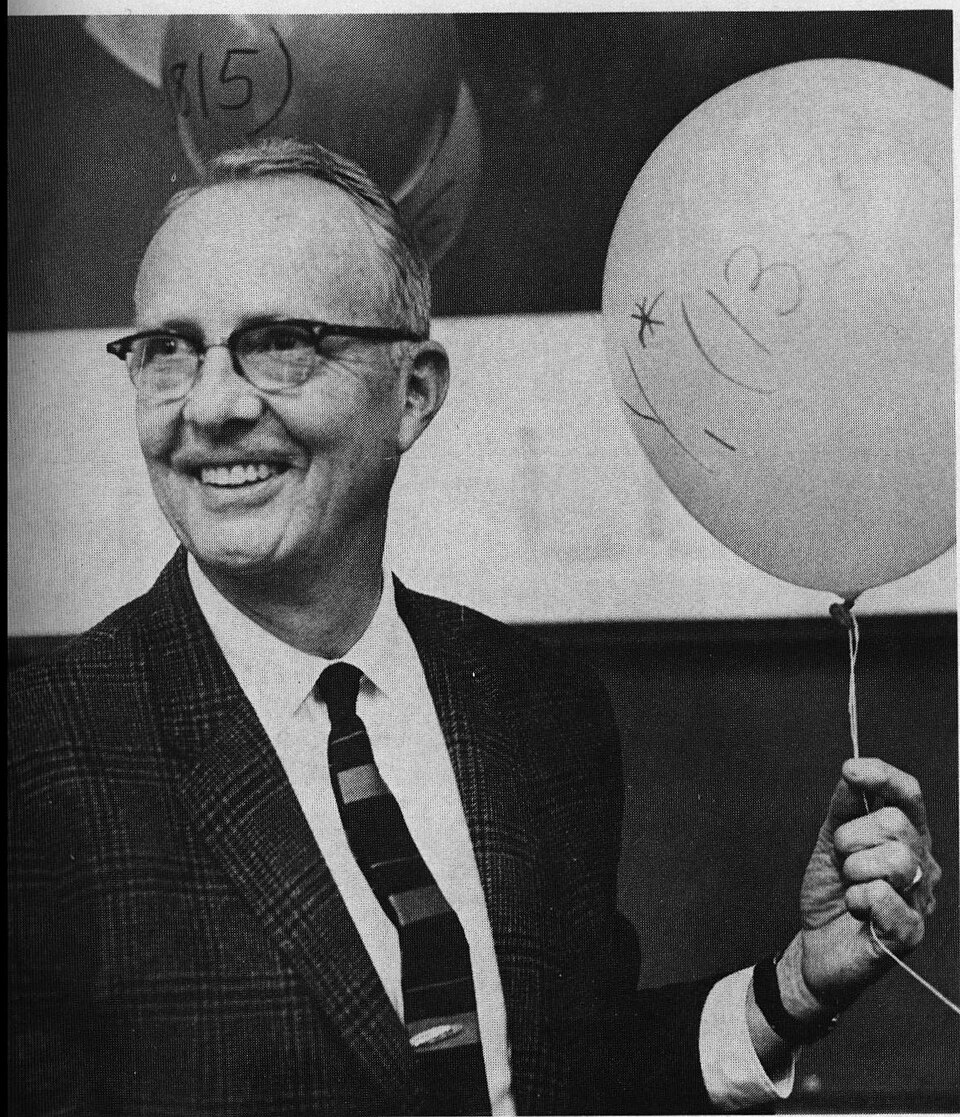 During the Nobel Prize ceremony, the names of the particles he discovered are inscribed on a balloon. Source: Wikipedia
In 1964, he proposed the installation of superconducting detectors on high-altitude balloons and reconnaissance aircraft. This facilitated the investigation of specific high-energy particles that typically do not reach the Earth’s surface.
This experiment persisted over several years. While the scientists were acquiring data, Alvarez proposed a practical application for one of the natural constituents of these rays — particles known as muons. He recommended employing them to address one of the most significant unresolved questions, which appeared to have no apparent relation to physics.
Are there concealed chambers within the Egyptian pyramids that remain undiscovered by scientists? Alvarez suggested utilizing a muon detector positioned within one of the known lower chambers to conduct an investigation similar to a computed tomography (CT) scan.
However, prior to that event, his name once again garnered media attention in connection with a story that ought not to have been associated with him. President John F. Kennedy was assassinated in the United States, and in 1966, a film was released depicting the entire incident in comprehensive detail.
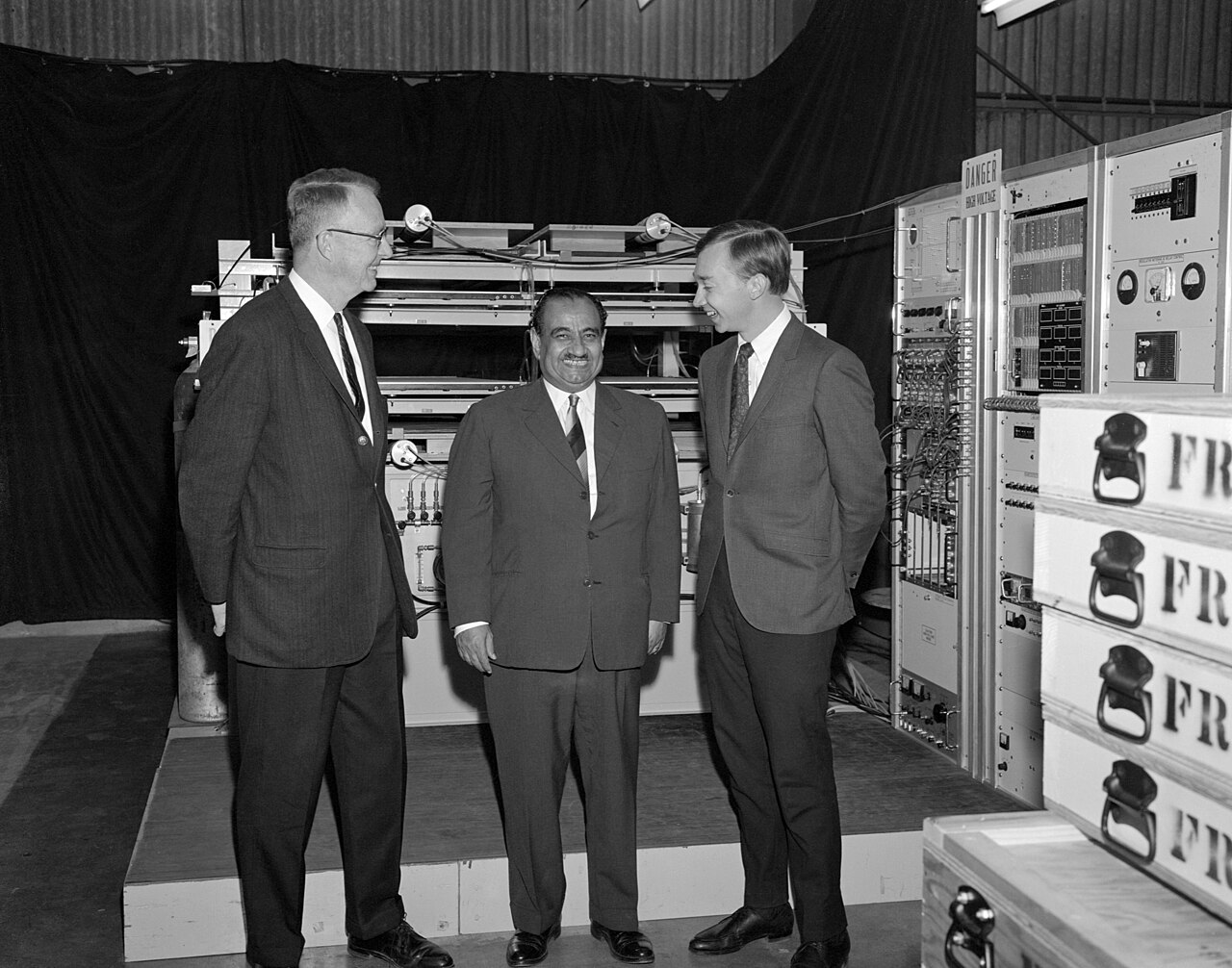 Alvarez is preparing to explore the Egyptian pyramids. Source: Wikipedia
Certainly, the film was scrutinized by FBI specialists. However, it was Luis Alvarez, with his expertise in optics and acoustics, who was able to determine that the shot that killed Kennedy was fired from behind. Subsequently, other scientists further refined and expanded upon his findings.
Meanwhile, the expedition to Egypt encountered an unforeseen obstacle. Another conflict erupted between Israel and Egypt, rendering the pyramids temporarily inaccessible. Alvarez was obliged to resume his research on cosmic rays. It was not until 1969, during a meeting of the American scientific society, that he formally announced the absence of any concealed chambers within the pyramids.
The Alvarez Theory
Luis Alvarez fathered four children with his two wives. His most renowned offspring is his son Walter. Similar to his father, Walter pursued a career in science, although his specialization was geology rather than physics. In 1980, at a time when Luis appeared to be long overdue for a respite from his numerous scientific accomplishments, Walter co-authored his most renowned theory to date.
At that time, Alvarez Sr. was approaching seventy years of age, yet he and his son once more engaged with a scientific problem that appeared, on the surface, to be unrelated to him. The matter concerned the extinction of the dinosaurs. Scientific consensus established that this event transpired approximately 65–66 million years ago; however, the underlying cause was still uncertain.
In fact, the hypothesis that this event may have been triggered by an asteroid impact had been previously proposed. However, in their 1980 publication, the Alvarezes articulated a different observation — a slender layer of sedimentary rock located precisely at the boundary between the Cretaceous and Paleogene periods, identified across multiple continents.
This layer contained elevated concentrations of iridium, which is quite rare on Earth. They therefore speculated that it might be a remnant of a cosmic impact that, combined with other factors, led to a prolonged cooling period and caused the extinction of the dinosaurs and many other animal groups.
Soon, scientists identified a prominent candidate for the impact site — the Chicxulub Crater located on the Yucatán Peninsula in Mexico. Although the scientific community initially regarded the theory with substantial skepticism, it ultimately gained prominence and became the prevailing explanation within the scientific community.
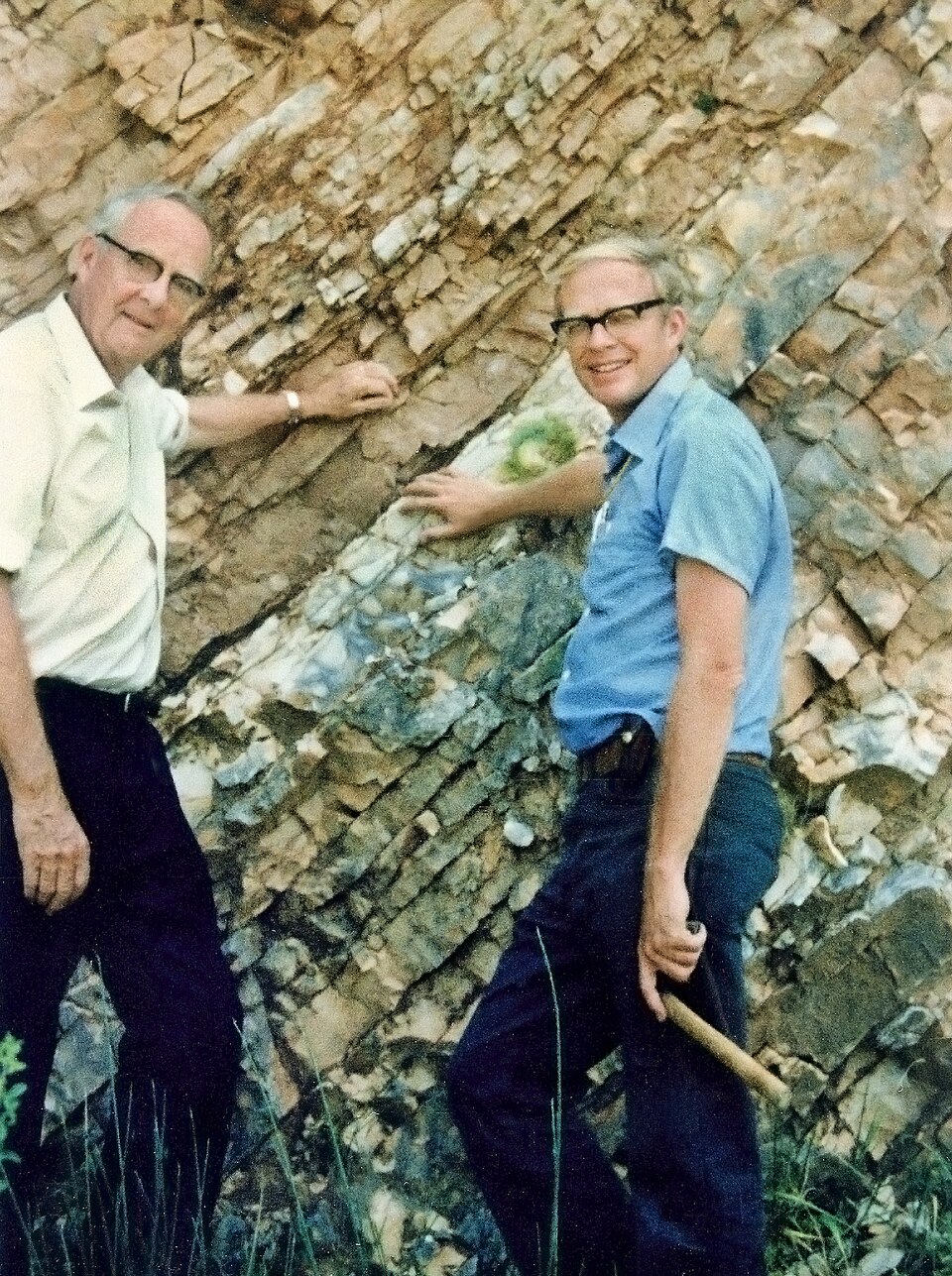 The Alvarez father and son are positioned adjacent to the Cretaceous–Paleogene boundary, preserved in a state of temporal fixation. Source: phys.org
Upon the death of Luis Alvarez in 1988, his name was primarily associated, not with his contributions to the development of the atomic bomb or his discovery of resonances, but with dinosaurs. The most significant paradox remains whether the esteemed physicist was ultimately incorrect, having once again entered a field he had not previously explored, or not.
The Chicxulub crater unquestionably evidences a catastrophic impact event, complemented by the presence of an iridium-rich layer. Furthermore, evidence indicates the rapid extinction of entire biomes across North America. Additionally, the Deccan Traps — significant volcanic formations resulting from extensive magma outpourings on the Indian subcontinent—are also considered potential causative factors. Moreover, extensive evidence demonstrates that various groups of fauna became extinct at different intervals, implying that this was not a singular catastrophic event.
Having resolved numerous scientific enigmas during his lifetime, Luis Alvarez left the scientific community with a paramount question. Presently, the majority of researchers concur that the impact contributed significantly to the extinction of the dinosaurs; however, it cannot be entirely elucidated without considering additional factors. For decades, scholars have engaged in debates regarding the interplay of these factors and which one ultimately held the greatest significance.