
NASA is preparing to send the next Artemis astronauts to space. Though Artemis III won’t land on the moon, it will be the final preparation mission before Artemis IV and V finally land humans on the lunar surface for the first time since 1972.
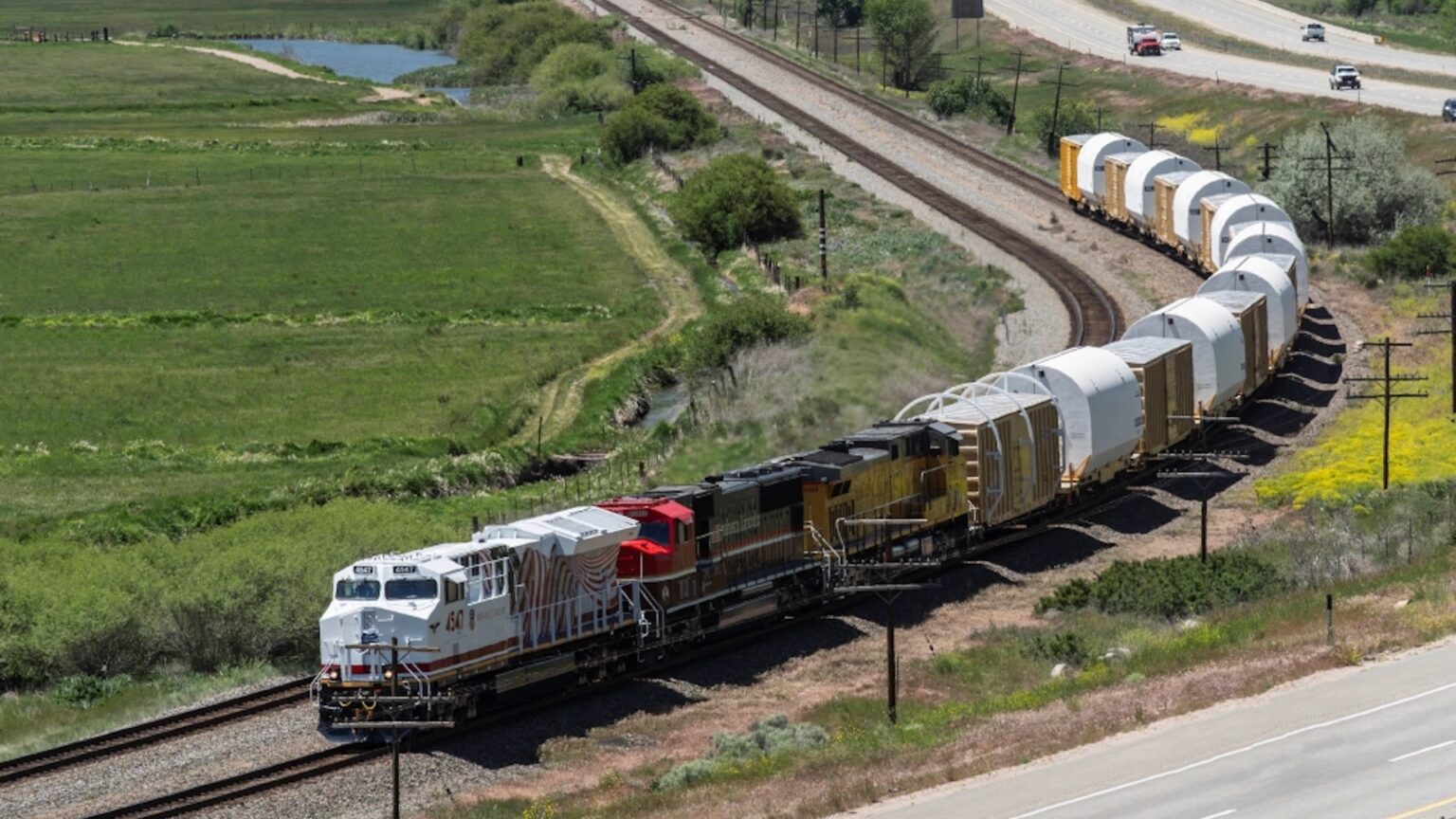
Ahead of that mission, Northrop Grumman has transported the last eight solid rocket booster motor segments to the Kennedy Space Center in Florida by train.
The boosters, which will eventually generate 7.2 million pounds of thrust at liftoff, will be stacked this summer.
Northrop Grumman’s SLS booster delivery
Northrop Grumman transported the booster segments from its facility in Promontory. These will join segments already delivered in April. Together, they will be the first hardware stacked on NASA’s mobile launch platform this summer, ahead of Artemis III.
Northrop Grumman manufactures the twin five-segment solid rocket boosters that form the most powerful human-rated motors ever built. Together, they generate 7.2 million pounds of thrust at liftoff, supplying the majority of the power for NASA’s Space Launch System (SLS) rocket during the initial ascent.
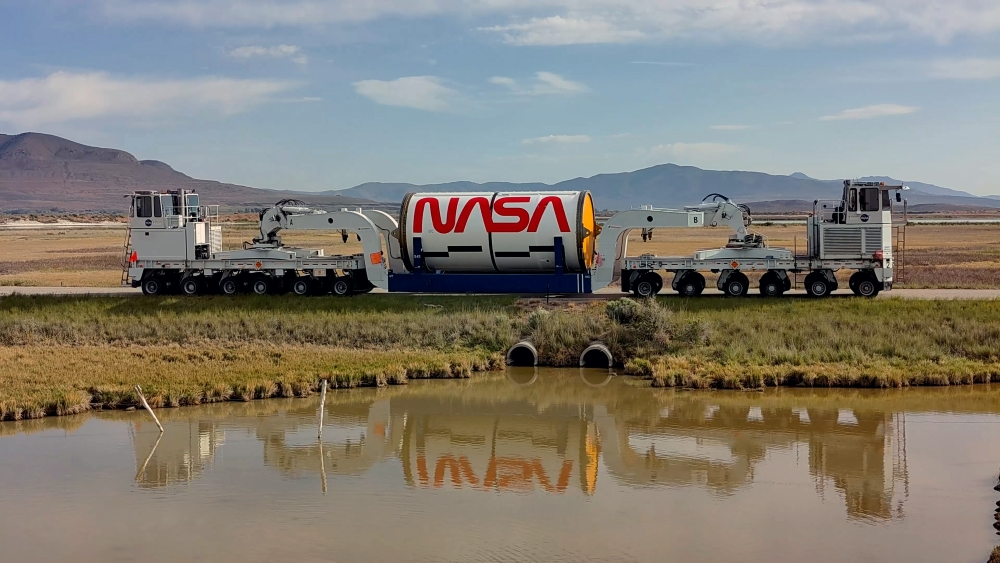 Northrop Grumman technicians are preparing the Artemis III center solid rocket motor segment. Image Source: Northrop Grumman
If all goes to plan, Artemis III will be a key step toward sustained lunar exploration and future crewed missions to Mars.
Artemis III will send astronauts to low Earth orbit aboard the Orion spacecraft. Once there, they will conduct rendezvous operations with human landing systems.
Though preparations are well underway, the recent explosion of Blue Origin’s New Glenn rocket, which was due to fly its Mk 1 lander to the moon later this year, could prove to be a major setback as NASA aims to beat China to the lunar surface.
Flying back to the Moon
NASA’s SLS program has faced criticism for delays and overspending, as well as for its reliance on old technologies.
According to Northrop Grumman, though, its solid rocket motors have been proven over decades, having served the Space Shuttle program.
The legacy contractor notes that the motors delivered this month also incorporate modern enhancements for greater performance and reliability. The boosters successfully lifted both Artemis I and II.
In a press statement, Northrop Grumman highlighted the role of its manufacturing facilities and skilled workforce as key factors enabling these crucial missions.
This capacity will support NASA’s planned increase in Artemis launch cadence while also addressing national security requirements.
Each of the boosters consists of three major assemblies, with the motor segments representing the largest portion. Technicians at the Utah site prepared the hardware, including one center segment featuring NASA’s iconic “worm” logo.
Once at Kennedy Space Center, technicians will assemble the boosters before linking them with the SLS core stage and other elements. The full stack will eventually launch the crewed Orion vehicle toward the Moon.
According to Northrop Grumman, this delivery completes the preparation of booster hardware for Artemis III. It reflects steady progress in NASA’s effort to return humans to the lunar surface.
If that mission is a success, Artemis IV will then aim to land astronauts near the lunar south pole, where water ice and other resources could support a long-term human presence.
Northrop Grumman continues to produce boosters for upcoming Artemis missions. According to the firm, it has the capacity to “accelerate solid rocket motor production to meet NASA’s increased Artemis mission launch cadence”.