
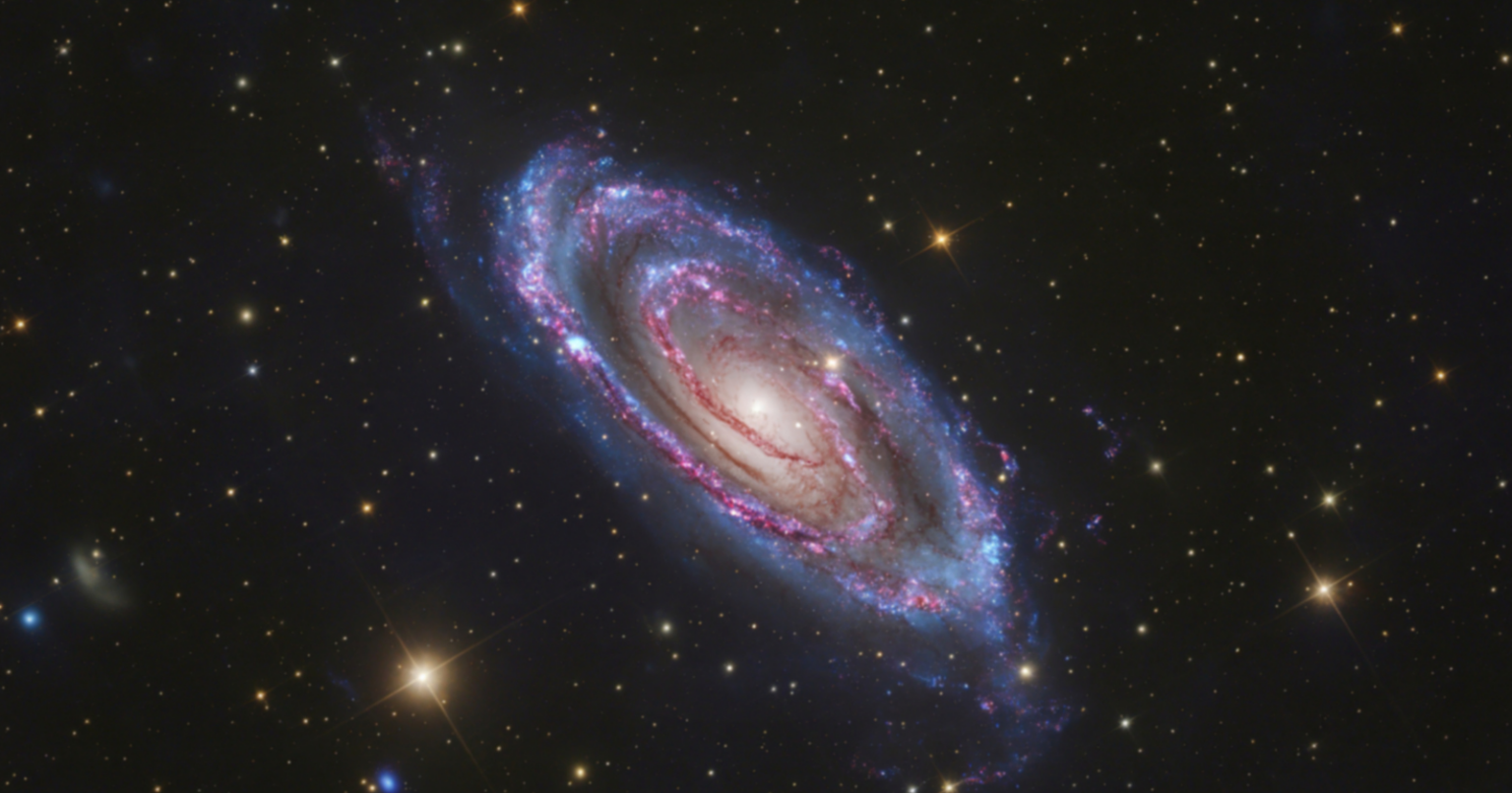
According to coverage by the European Space Agency and NASA and a paper published in Astronomy & Astrophysics, ESA researchers David O’Ryan and Pablo Gómez ran an AI tool called AnomalyMatch across nearly 100 million image cutouts from the Hubble Legacy Archive and identified about 1,300 anomalous images, roughly 1,400 quirky objects in total, with more than 800 of those not previously described in the scientific literature. The run took about two and a half days, and the shortlist includes gravitational lenses, galaxy mergers, ring galaxies, jellyfish galaxies, massive star-forming clumps, and dozens of objects that defy existing classification schemes, per NASA and ESA reporting. The AI ranked images by how unusual they looked, then the two astronomers inspected the ranked shortlist before cataloging the anomalies, according to SpaceDaily and ESA coverage.
Add A Comment