
‘Tis the season for nighttime activities (at lower temperatures) — and in Arizona, one of the best things to do at night is to look up. Our state is one of the best in the country for stargazing, with almost 20 certified International Dark Sky Places, astronomy clubs and observatories.
Here are just a few:
In metro Phoenix
Gilbert Riparian Preserve is home to the Gilbert Rotary Centennial Observatory with a city-enforced dark-sky policy.
White Tank Mountain Regional Park hosts ranger-led stargazing programs.
Saguaro Lake in the Tonto National Forest has a low light pollution area — perfect for camping under the stars.
Observatories around Arizona
Dark Sky Observatory (Fountain Hills) houses a 27.5-inch PlaneWave telescope used for public viewings, astrophotography and deep space imaging.
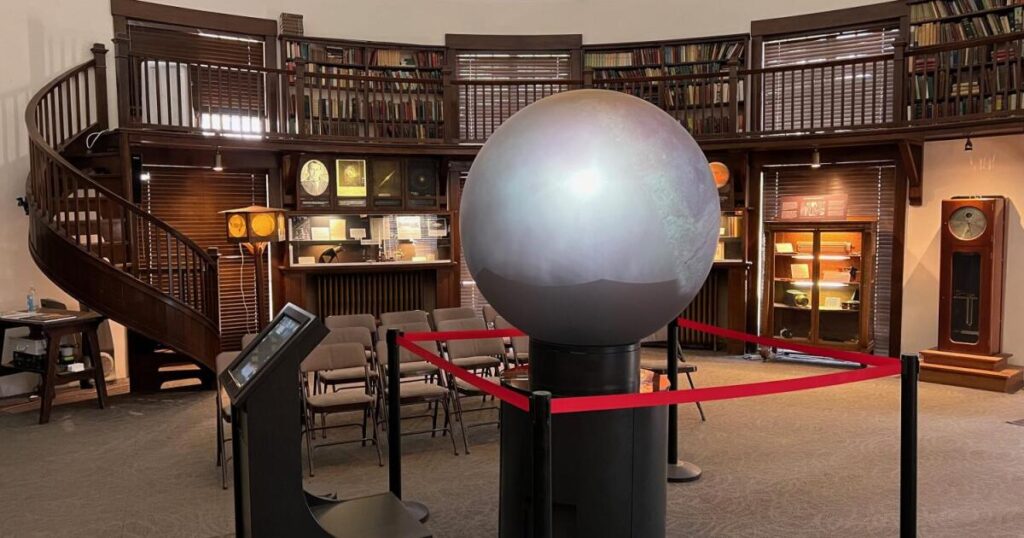
Lowell Observatory (Flagstaff) hosts nightly telescope viewings in a historic setting.
Mount Graham International Observatory (Safford) offers public tours and behind-the-scenes looks at one of the most advanced research observatories in the country.
Flandrau Science Center & Planetarium (Tucson) hosts family stargazing nights.
Kitt Peak National Observatory (near Tucson) is home to one of the largest collections of optical telescopes in the world and nighttime programming for the public.
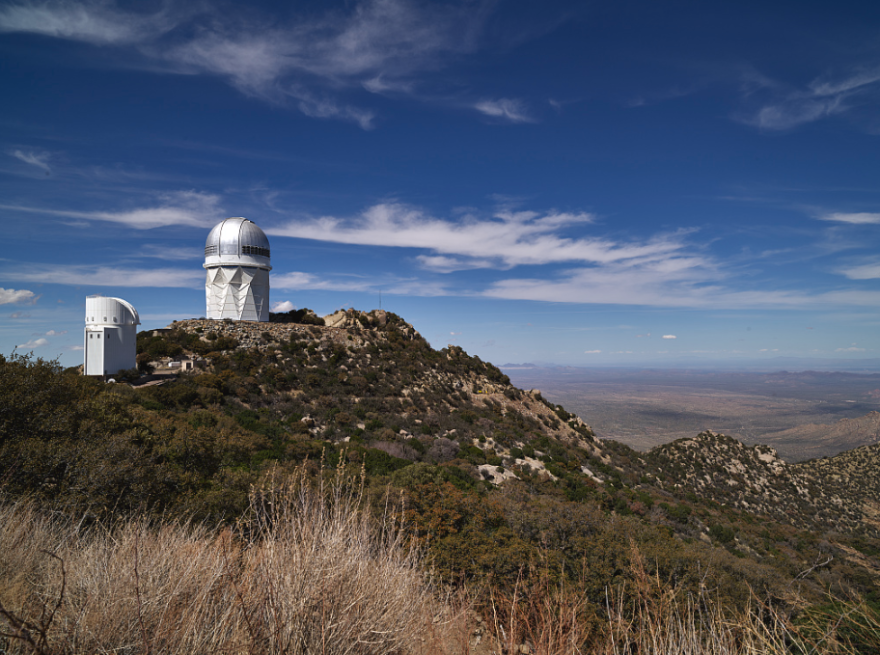
Some of the array of astronomical observatories on Kitt Peak of the Quinlan Mountains above the Arizona-Sonoran Desert on the Tohono O’odham Nation, 55 miles west of Tucson in Pima County, Arizona.
Astronomy clubs
Saguaro Astronomy Club is an amateur club that has lectures, observing sessions and educational classes for beginners.
Phoenix Astronomical Society meets at Paradise Valley Community College and hosts regular workshops, public star parties and lectures.
East Valley Astronomy Club collaborates with communities and schools around the Valley and is often at the Gilbert Centennial Observatory.