
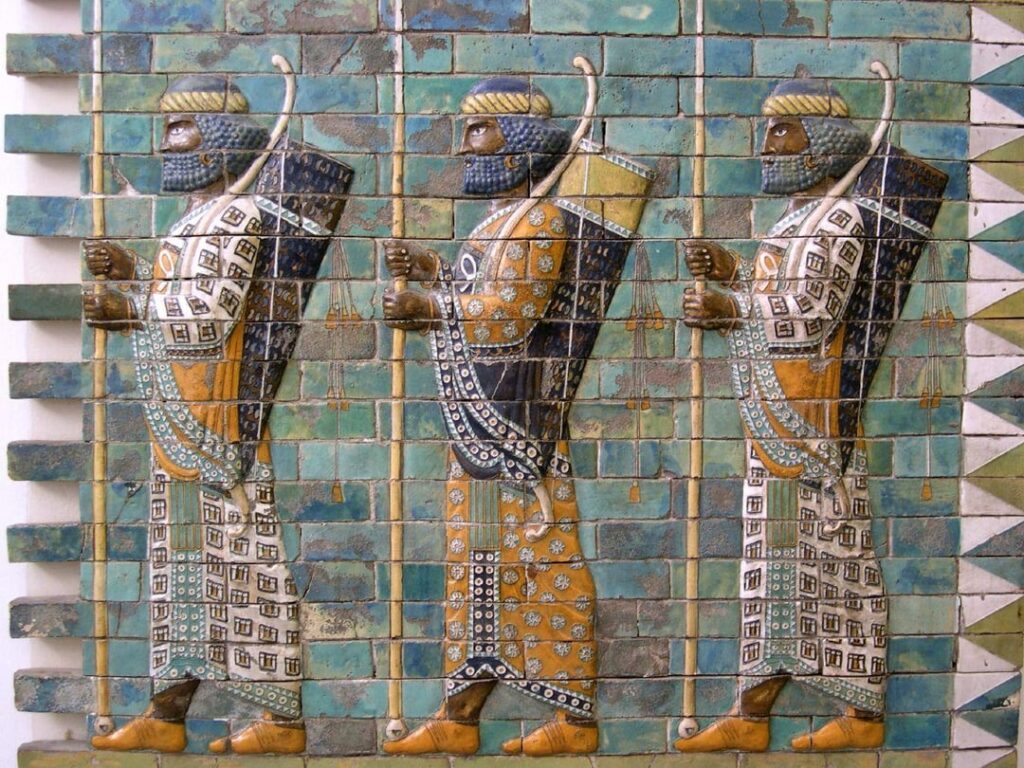
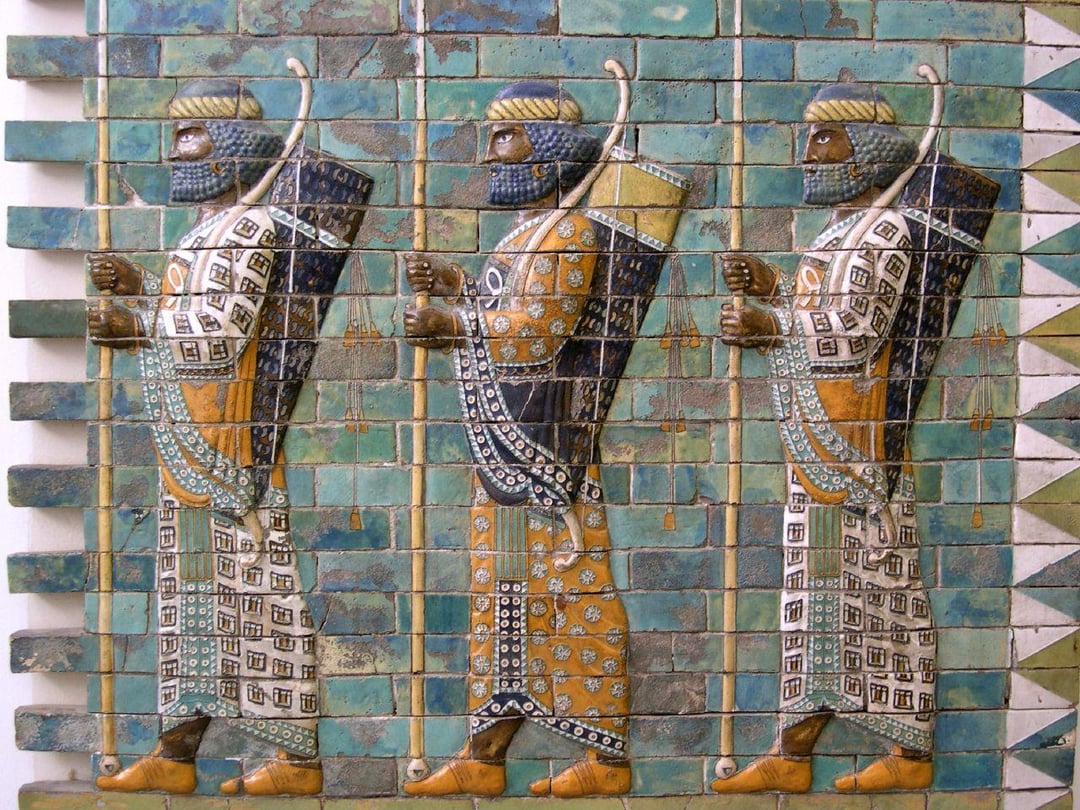
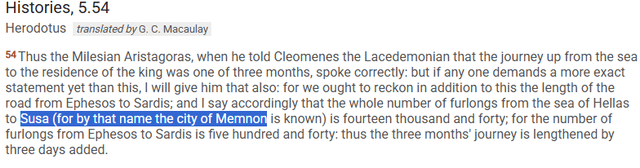
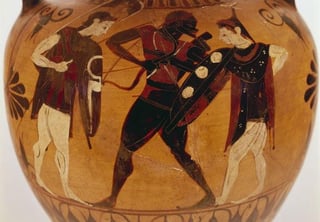
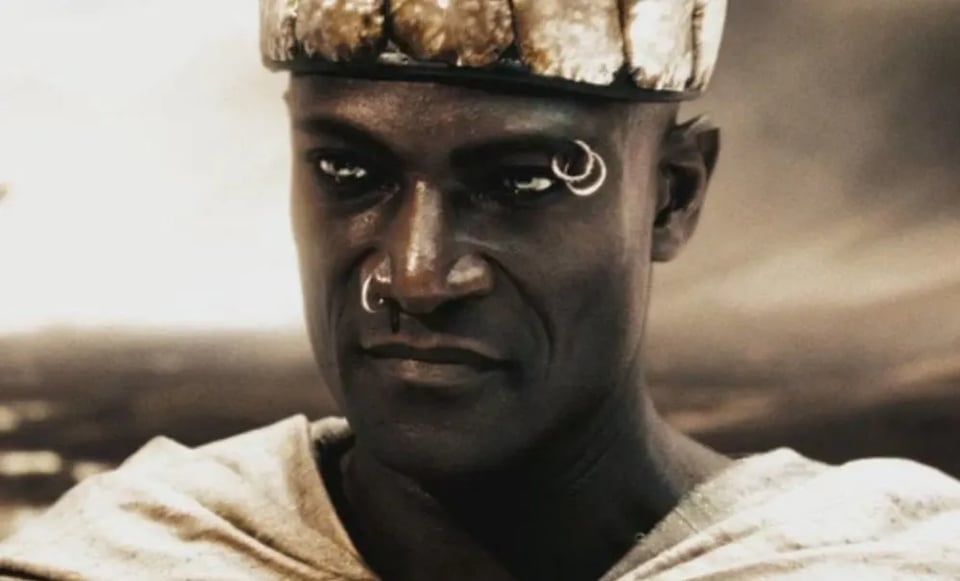
In his Histories, Herodotus associates Memnon, the mythical king of Aethiopia and Trojan war hero, with Susa. More often than not, Memnon is depicted with distinct aethiopian features. Susa served as the administrative capital of the Achaemenid Empire under Darius I. Famously documented in his palace, the Frieze of Archers portrays core troops in the Achaemenid army known as the Immortals. Immediately, the dark skin and coarse hair of the soldiers stand out.
In Greek mythology, the matriarch of Persia is an Aethiopian princess by the name of Andromeda). Epaphus was a distant ancestor of Andromeda. Hesiod said that Epaphus is the progenitor of the Aethiopians and dark-skinned Libyans (Africans) in The Catalogues of Women. Ovid says in several of his texts, such as Ars Amatoria and Heroides, that Andromeda has dark skin. According to Herodotus, Andromeda and Perseus bore a son by the name of Perses). It was from this Perses that the Persians took their name.
Is there truth to ancient myths?
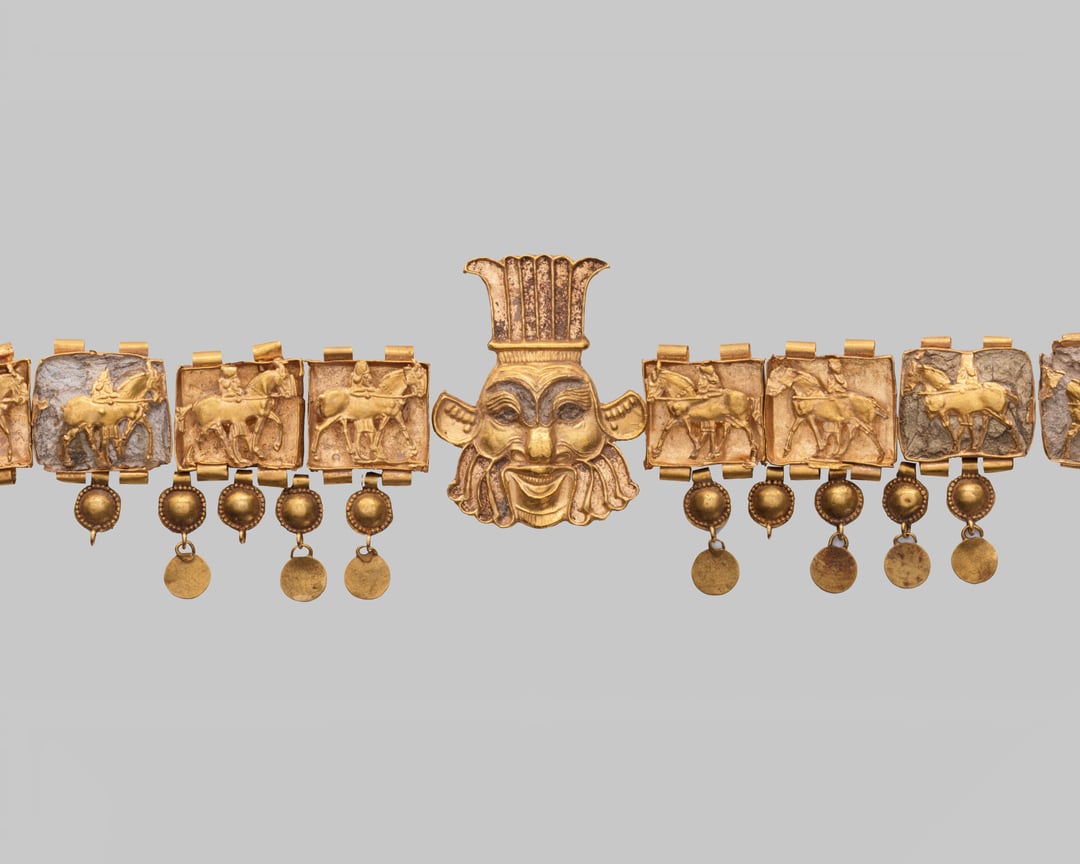
Previous post about the veneration of Bes within the vast Achaemenid Empire. Bes is an ancient Egyptian deity of Nubian origin. His face appears on coins, seals, jewelry, bronze and ceramic vessels. A famous gold necklace found in Iran features Bes alongside Achaemenid horsemen. This is evidence of local Persian manufacture, rather than being simple imports from Egypt.
by Responsiblecuhz