
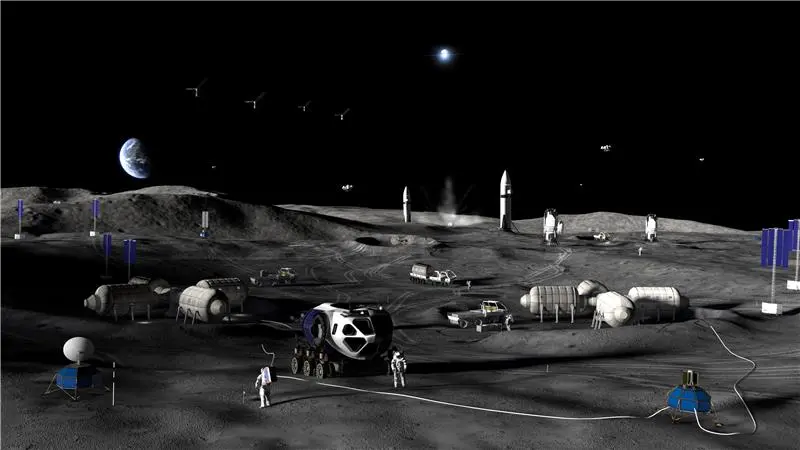
Better Moon infrastructure was the top ask of hundreds of space community members, according to a NASA ranking of space technology “shortfalls” released on Thursday.
The agency said it uses this list “as one of many inputs into decision-making.” But the ranking was made public days before a big agency event announces more details about its pivot to a Moon base on Tuesday.
Recap: Two years ago, NASA asked the space community what technical challenges are giving people the biggest headaches to help NASA prioritize its space tech investments. More than 450 stakeholders submitted feedback on 187 ideas, which were cut down to the final 32.
These “shortfalls,” as NASA terms it, “refer to technology areas requiring further development to meet future exploration, science, and other mission needs”—and it appears the Moon is squarely a part of industry’s focus.
Many of the top 10 shortfalls identified by stakeholders relate to Moon exploration, such as:
“Surface mobility and logistics for crew and assets”;“Land science payloads on planetary surfaces”;“Transport and maneuver uncrewed spacecraft for missions in cislunar and deep space.”
What’s next: NASA identified 40 focus areas to invest in fiscal year 2026, based in part on the rankings but also influenced by NASA’s Ignition priorities and general science and technology work.
Some of the focus areas that focus on lunar exploration include spending on landing at the south pole, moving around regolith in a demo mission, and making tech robust enough to survive the long lunar night.
The greater list, however, also extends into other space priorities such as propellant transfers, robotic assembly of transportation systems, and improving photon detectors.
Related Stories
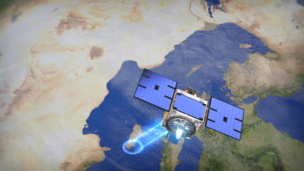
Europe is on a mission to prove that groundbreaking science can be done on the cheap.
NASA has potentially funded or supported hundreds of scientific collaborations since 2015 that might involve Chinese researchers, a new Congressional report says.
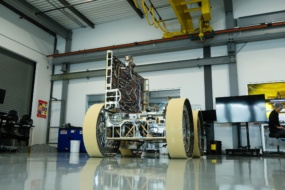
Astrolab is headed to the Moon this year with a rover-load of science payloads.
There’s money to be made on the Moon, but it’s not all mining and infrastructure.
More Stories
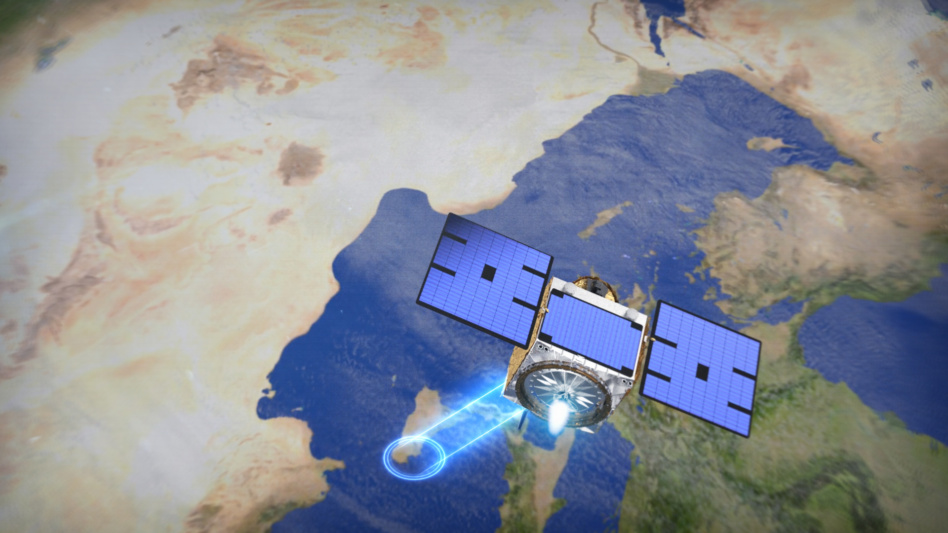 A rendering of Hibidis. Image: SITAEL
Europe is on a mission to prove that groundbreaking science can be done on the cheap.
Yesterday, ESA green-lit two more Scout satellites, a growing fleet of low-cost, rapidly developed EO spacecraft launched to answer pressing scientific questions.
The missions—Hibidis and SOVA-S—each cost less than €35M ($40.7M), and will be developed in under three years.
Load More