
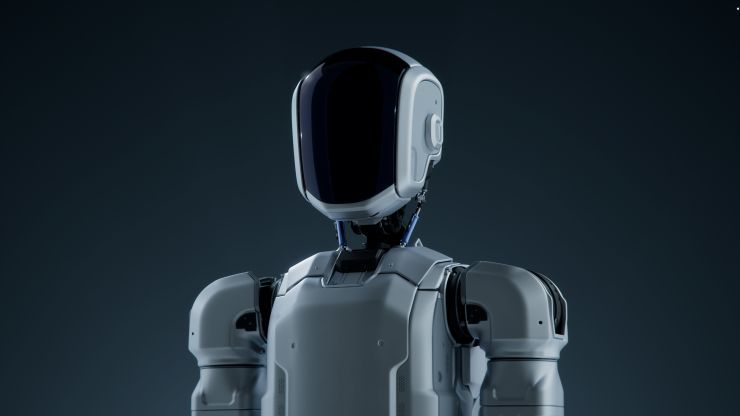
This year, humanoid robots have moved from lab demonstrations to the real market. Several companies are already taking orders or beginning their first shipments.
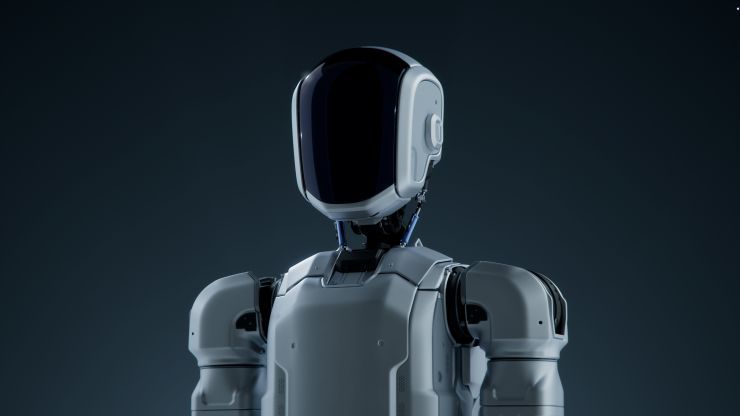 A modern humanoid robot in 2026. Source: humanoidroboticstechnology.com
At home
The robot currently closest to consumers is NEO from 1X. It is a lightweight robot weighing 30 kg with quiet electric motors, designed specifically for the home environment. Unlike industrial platforms, it does not require a specially prepared space and is designed specifically for ordinary homes.
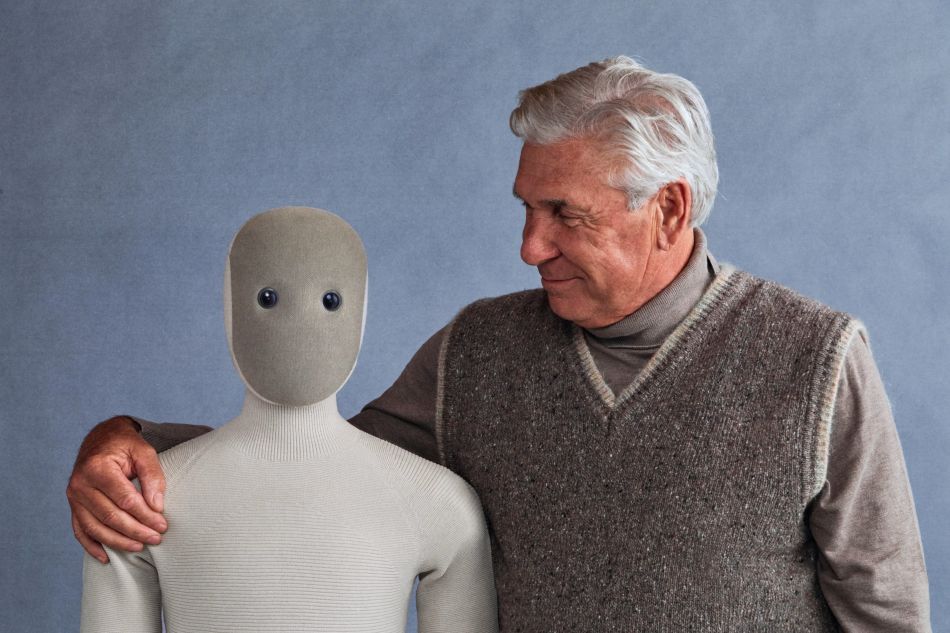 NEO is a lightweight humanoid robot from 1X, designed for home use. Source: humanoidroboticstechnology.com
NEO cleans, organizes items, and gradually learns new tasks through interaction with humans. The first shipments to customers are scheduled for 2026, and this makes NEO a humanoid that is truly moving toward the mass consumer market.
Human-faced robot
Among them all, Ameca from Engineered Arts stands out. It’s not just a work tool, but a platform for social interaction featuring over 50 facial expressions and natural body movements. It’s used in the service industry, education, and media—fields that focus more on how a robot communicates than on what it does.
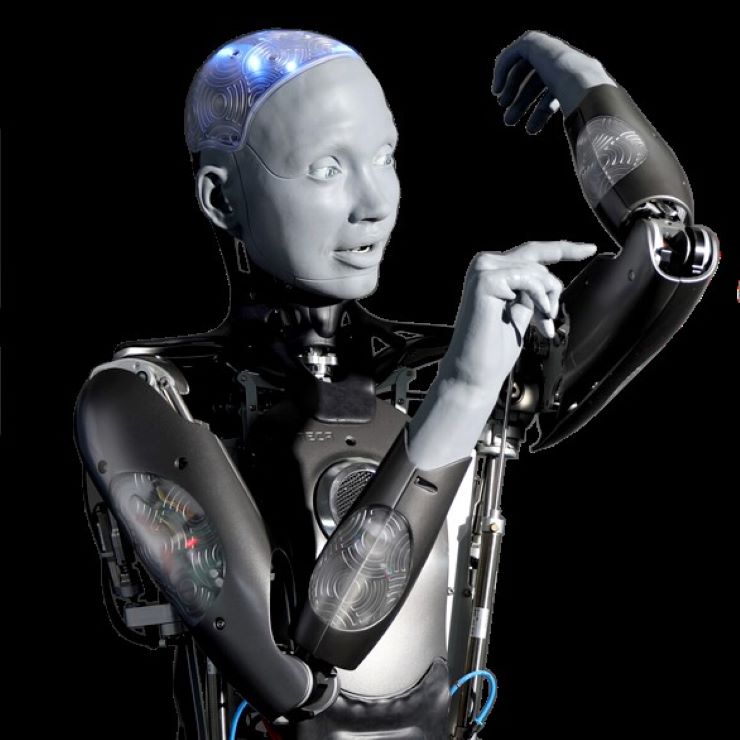 Ameca is a humanoid robot developed by Engineered Arts that can produce over 50 facial expressions. Source: humanoidroboticstechnology.com
In terms of facial expressiveness, Ameca has no equal among modern humanoids. Conversational artificial intelligence allows it to maintain natural dialogue, respond to questions, and adapt to its conversation partner. This robot comes closest to the image of a robot that, for decades, existed only in science fiction.
For manufacturing
Several platforms stand out in the industrial market. Tesla’s Optimus Gen 2, which stands 1.73 meters tall and weighs 57 kilograms, is designed for factory production lines and home automation. Its estimated price is around $30,000—relatively affordable for the corporate sector.
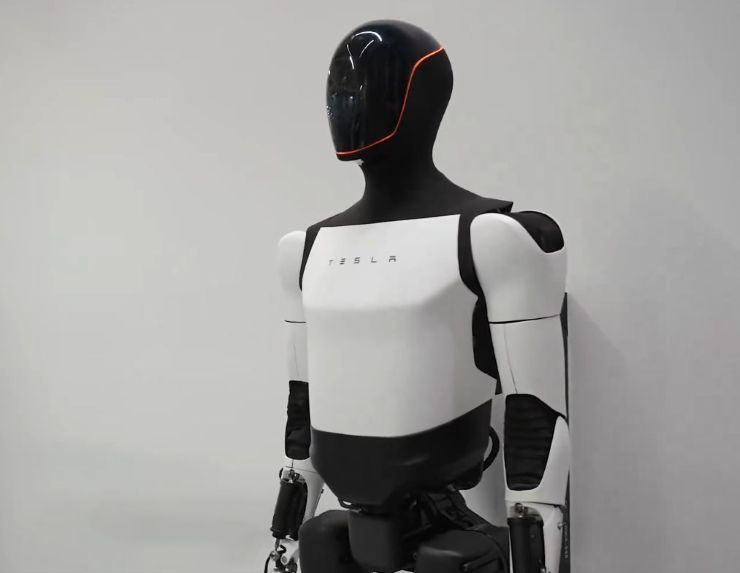 Optimus Gen 2 is a humanoid robot developed by Tesla for factory production lines and home automation. Source: humanoidroboticstechnology.com
Boston Dynamics’ Electric Atlas sets the standard for mobility among industrial humanoids. Standing 1.9 meters tall with a reach of 2.3 meters, it is capable of working in environments where it would be inconvenient or dangerous for humans. The first batches have already been distributed to Hyundai and Google DeepMind, with subsequent deliveries scheduled for early 2027.
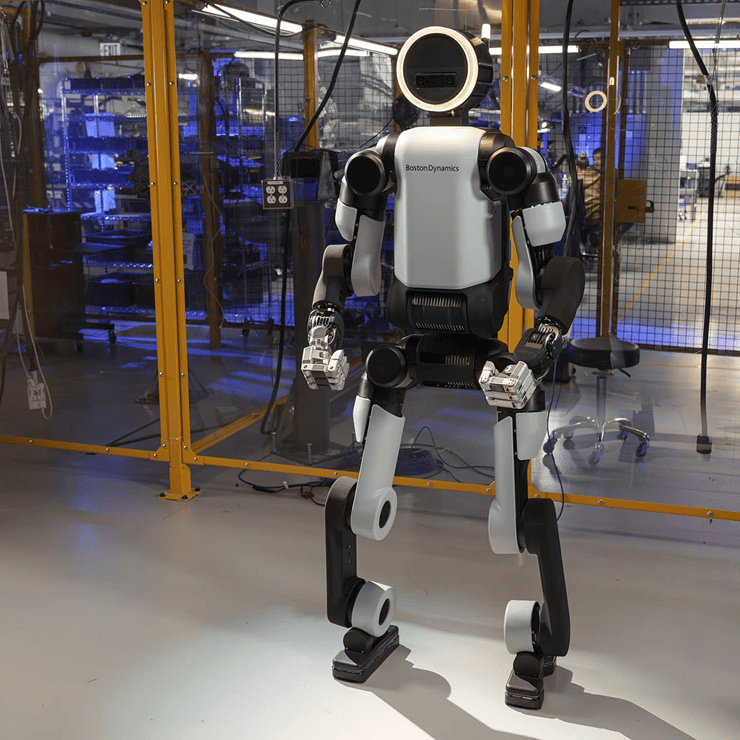 Electric Atlas is a humanoid robot developed by Boston Dynamics for industrial tasks and harsh manufacturing environments. Source: humanoidroboticstechnology.com
What’s happening in the market
Most humanoids in 2026 weigh between 30 and 90 kg, operate for 2 to 5 hours on a single charge, and can carry loads of 15 to 20 kg. The specifications are similar, but their purposes differ: some platforms are designed for factory lines, while others are intended for home use or public interaction.
A common trend is that manufacturers are moving away from flashy demonstrations and toward actual deployment. Some models are already available for order, while others are in the final stages before commercial launch—and it appears that 2026 will be the first year that humanoid robots leave the laboratory on a large scale.
According to humanoidroboticstechnology.com