
Back to Article List
Today in the history of astronomy, NASA’s first chief of astronomy is born.
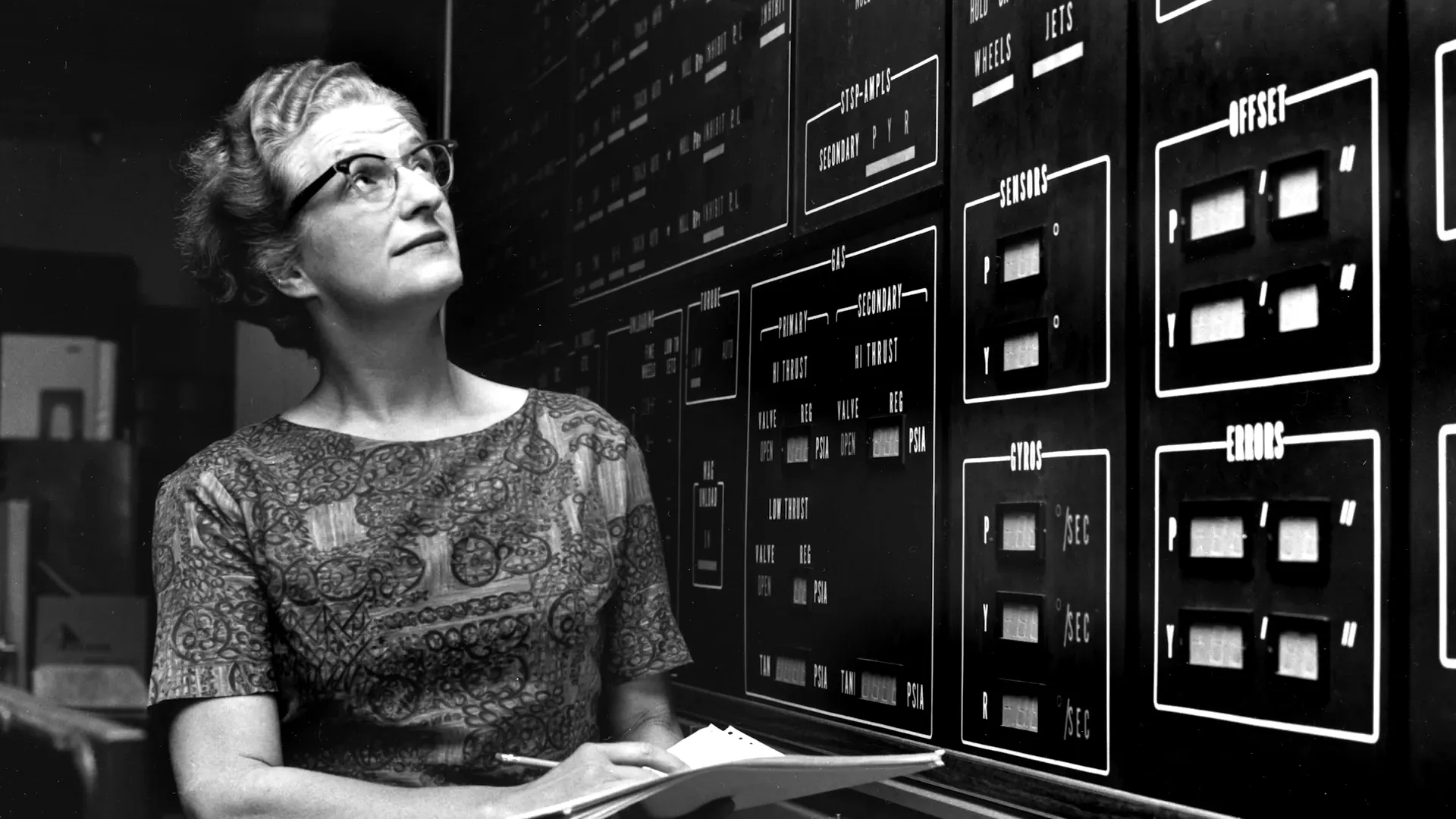
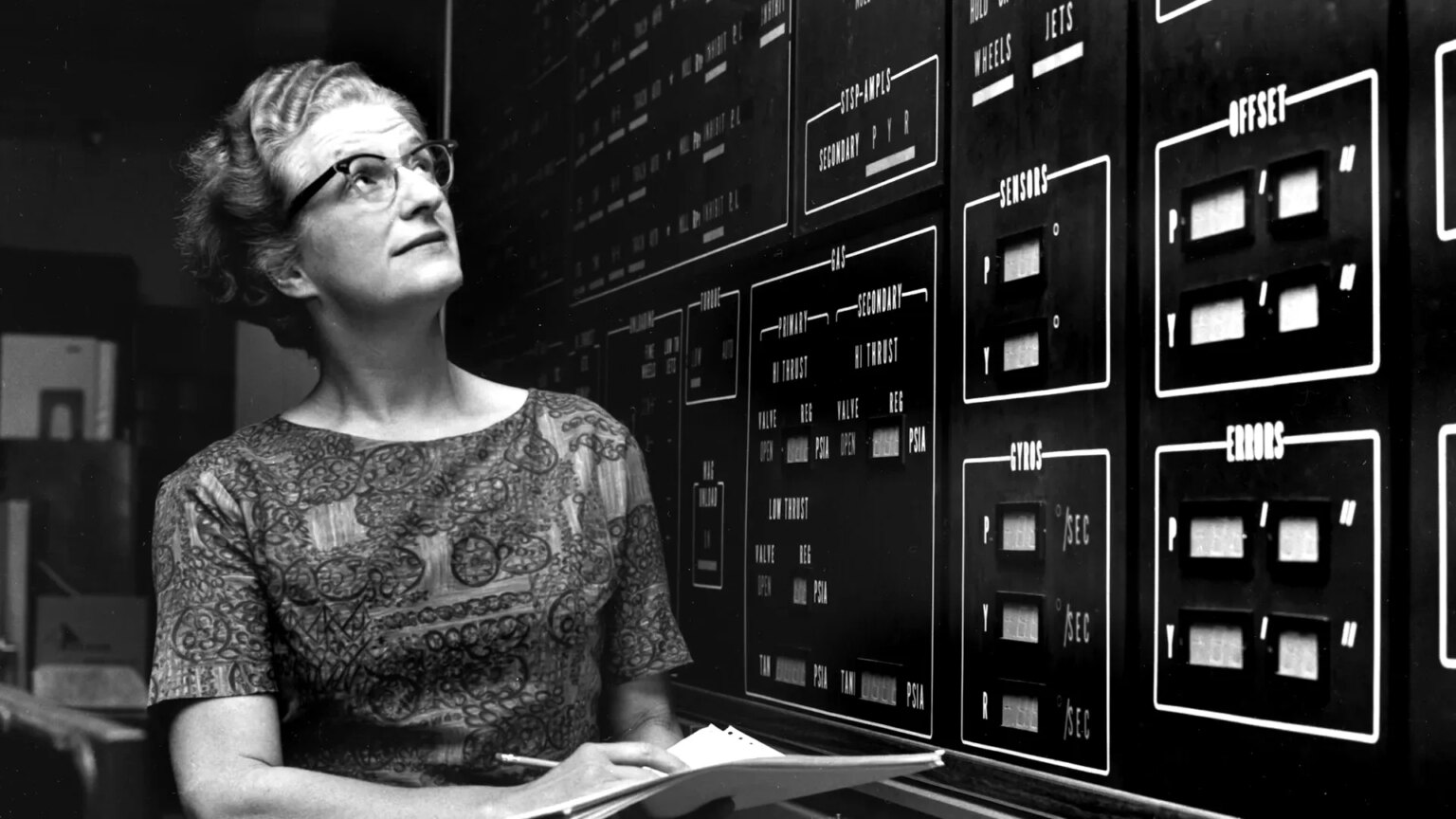
Nancy Grace Roman, shown here at NASA’s Goddard Space Flight Center in 1972, was the first female executive and the first chief of astronomy at NASA. Credit: NASA
Nicknamed the “Mother of Hubble,” Nancy Grace Roman spent years pushing for the use of the newest technology to better understand the universe.
Roman was born in Nashville, Tennessee, on May 16, 1925. She was always interested in looking up at the stars and spearheaded an astronomy club at 11 years old. Despite being dissuaded from the subject during high school, she earned her bachelor’s degree in astronomy from Swarthmore College and her Ph.D. from the University of Chicago.
After working at the latter for six years, she found that tenure was nearly impossible for women and worked for the Naval Research Laboratory before making her way to NASA in 1959, just a few months after the agency’s establishment. In 1961, she became the first chief of astronomy. At that time, balloons, sounding rockets, and airplanes were used for high-elevation observations — but Roman wanted an observatory that would live in space indefinitely. She had her heart set on creating a space telescope.
For years, Roman rallied for funding for this technological feat with Congress, conferring about science objectives before the scope was approved in 1977. She temporarily worked as a consultant while taking time off to care for her mother in 1979, before coming back to work at NASA’s Goddard Space Flight Center’s Astronomical Data Center. Although she was no longer associated with the development of the Hubble Space Telescope on a day to day basis, she was never far from it, keeping up to date on its progress until its launch in 1990. She retired from NASA officially in 1997 and became a schoolteacher in Washington, D.C.
After her death, NASA announced their next flagship scope would be the Nancy Grace Roman Space Telescope. When it is launched – which may be as early as fall 2026 – the infrared telescope will explore dark energy, exoplanets, and more.