
What actually changes a swing voter’s mind?
Is it policy papers? Statistics? Economic arguments? Debate performances? News coverage?
Or do people change more through stories and emotional identification than through direct political argument?
I’ve been thinking about this a lot lately while writing a serialized political novel about polarization in the United States. One thing that struck me is that many historically influential political novels did not persuade through charts or legal arguments. Books like *1984*, *The Jungle*, or *All Quiet on the Western Front* often changed how readers emotionally understood authoritarianism, labor conditions, or war.
That makes me wonder whether fiction and narrative still shape political thinking more effectively than most political discussion does.
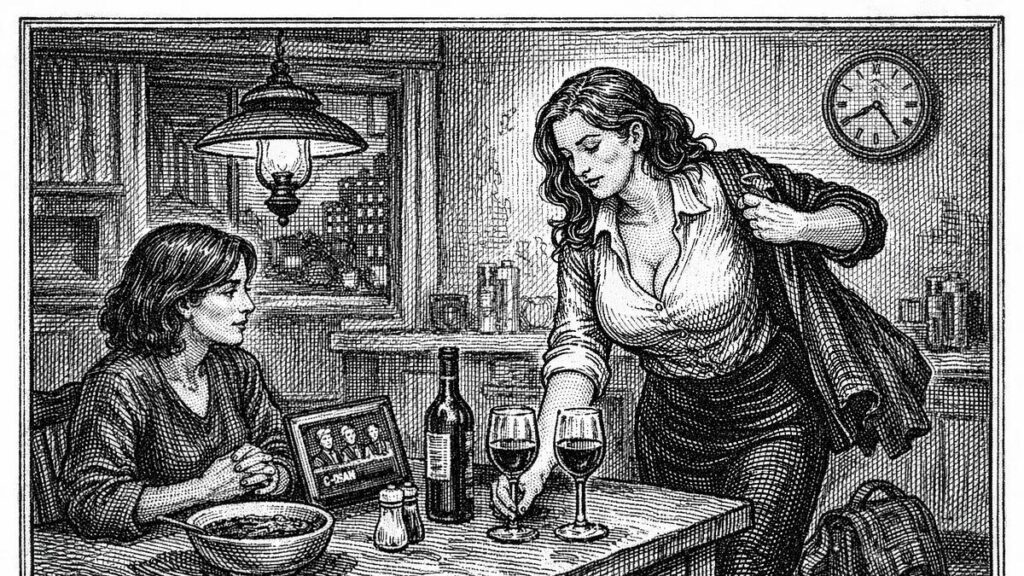
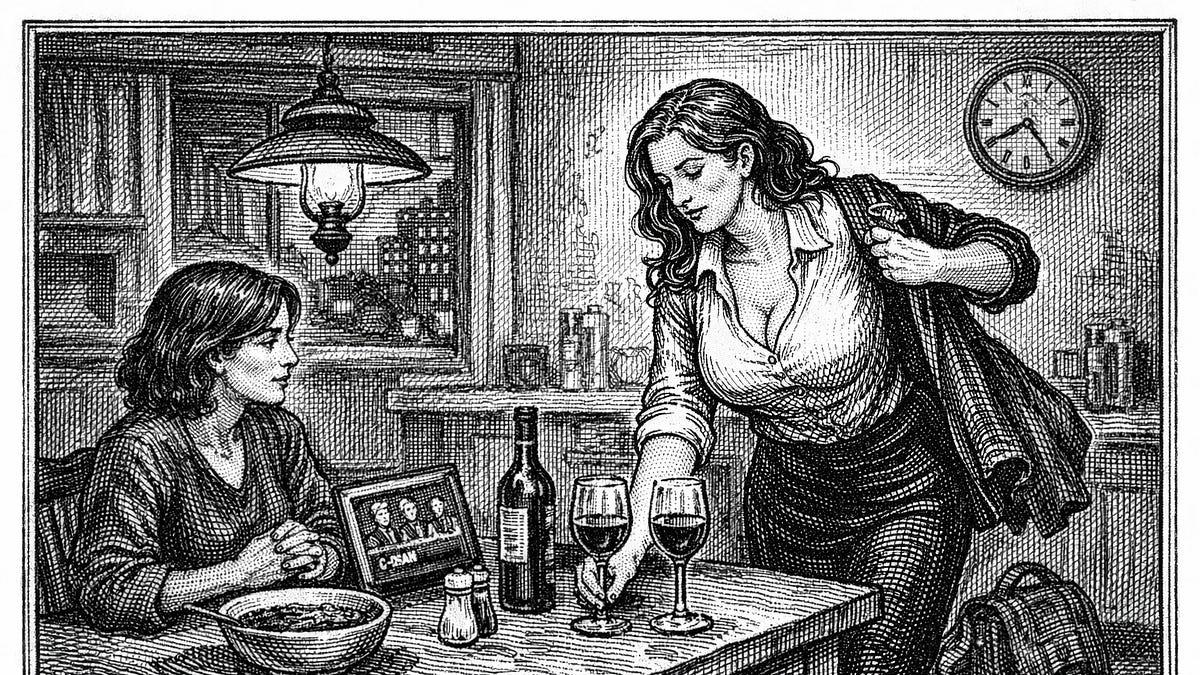
For example, instead of simply arguing how I think the 2026 election could unfold, I wrote scenes where two roommates, one a White House intern and the other a congressional staff member, argue about it from different worldviews:
[Claire and Emily Fight – Part I](https://brucemackinlay1.substack.com/p/claire-and-emily-fight-part-i)
Do stories still meaningfully influence political opinion? Or are modern voters now too polarized and locked into media ecosystems for narrative fiction to matter very much anymore?
by Bruce_mackinlay