
When you buy through links on our articles, Future and its syndication partners may earn a commission.
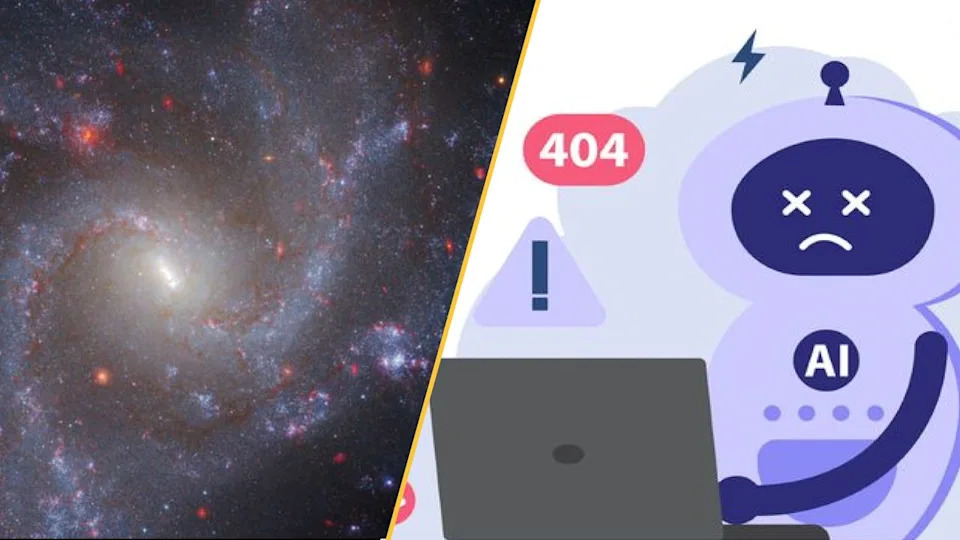
Surgery performed on a baby in the womb, a rogue chatbot deletes a company’s database, why the universe could end much sooner than expected, and forecasters race to understand this year’s rapid El Niño. . | Credit: NASA, ESA, CSA, STScI, A. Riess (JHU/STScI), CC BY 4.0 INT | danijelala via Getty Images
This week’s science news was filled with awe-inspiring medical breakthroughs, including the story of a risky surgery that saved an unborn baby from a rare lung disorder at just 25 weeks gestation.
Baby Cassian was diagnosed with congenital high airway obstruction syndrome during a second-trimester ultrasound, which required a first-of-its-kind surgery to save him while he was still in the womb. After the surgery, the doctors sealed up the womb, where he remained for another six weeks. Cassian was born in August 2025 and is now being weaned off respiratory support. Doctors say they could perform similar surgeries on other babies in the future.
Elsewhere, a comprehensive map of mouse smell receptors revealed some surprising details about the fundamental sense, including the clustering of receptors into tight bands based on type. Plus, researchers found that heartbeats are crucial to stopping cardiac cancer from growing; a new “blood filtering” therapy has shown early promise for treating preeclampsia; early data linked the weight loss drug Wegovy to “eye stroke”, and a “living” knee replacement could soon be used in human patients.
And if all of that serious health news didn’t pique your interest, what about this case report of a man whose irregular heartbeat suddenly stabilized after a rectal exam?
Anthropic agent deletes company’s database
Generative AI agent Cursor, running on Claude Code, deleted PocketOS’s entire database | Credit: danijelala via Getty Images
The cost of putting hallucination-prone AI agents to work was displayed all too clearly this week, with reports that the coding agent Cursor, which is powered by Anthropic’s Claude Opus 4.6, deleted an entire production database and its backups in just nine seconds.
The stricken company was PocketOS, which makes software for rental car companies. After the swift deletion, the company traced the culprit back to the coding agent, and the AI bot reportedly confessed that it had guessed, acted without permission, and failed to understand the command before running it.
As AI agents are integrated into more and more key digital infrastructure, this is just the beginning, PocketOS founder Jer Crane said.
“We are not the first,” he wrote. “We will not be the last unless this gets airtime.”
Discover more technology news
—New data center will be partially powered by human brain cells for the first time
Life’s Little Mysteries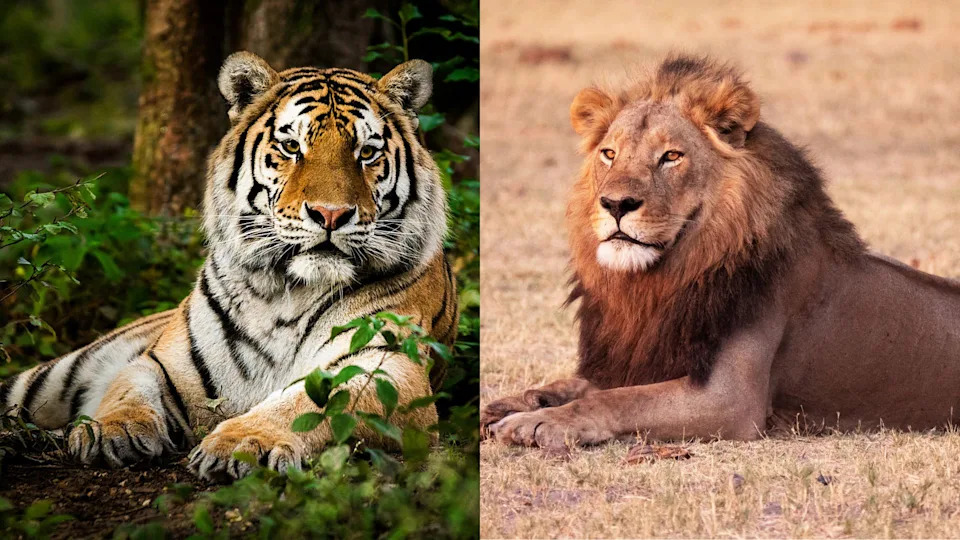
These big cats live in different geographical areas, but how else do they differ? | Credit: Zocha_K and KvdB50 via Getty Images
The answer is obviously stripes and manes, you may say — but beyond the superficial, there’s a menagerie of fascinating distinctions between the two iconic big cats. Live Science sunk its claws into the answers here.
—If you enjoyed this, sign up for our Life’s Little Mysteries newsletter
The universe is much closer to the end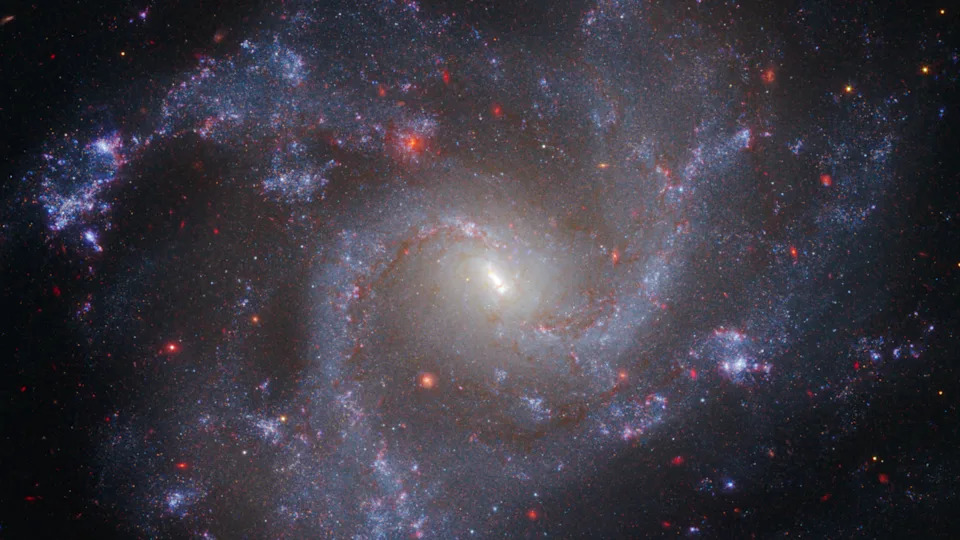 Astronomers use twinkling stars in galaxies like this one (NGC 5468) to confirm the universe’s expansion rate. But what if cosmic expansion were to slow down and reverse? New research looks at the implications on the lifespan of the universe. | Credit: NASA, ESA, CSA, STScI, A. Riess (JHU/STScI), CC BY 4.0 INT
Scientists used to think our universe would live on for trillions of years.
But a new model of the cosmos has brought an even older idea that favors a more dramatic ending to our cosmos: an inward collapse known as the Big Crunch. That’s if its assumptions about dark energy (the force responsible for the universe’s accelerating expansion) weakening over time hold out.
Nonetheless, if a Big Crunch does occur, it won’t play out for another 33 billion years — so no need to cancel any plans.
Discover more space news
—Can NASA and SpaceX really build a moon base in the next 10 years?
—Used SpaceX rocket could crash into the moon’s Einstein crater this summer, report predicts
Also in science news this week
—Some fungi can influence the weather — and now we know how they do it
—Neanderthals’ brains weren’t to blame for their demise, new study suggests
—City birds appear to like men more than women, but experts have no idea why
Something for the weekend
If you’re looking for things to keep you busy over the weekend, here are some of the best interviews, opinion pieces and quizzes published this week.
—‘One of the most rapid transitions that I’ve seen’: NOAA forecaster on how this year’s El Niño could shatter records [Interview]
—Weapons of the world quiz: Can you identify these historical objects of war? [Quiz]
Science news in pictures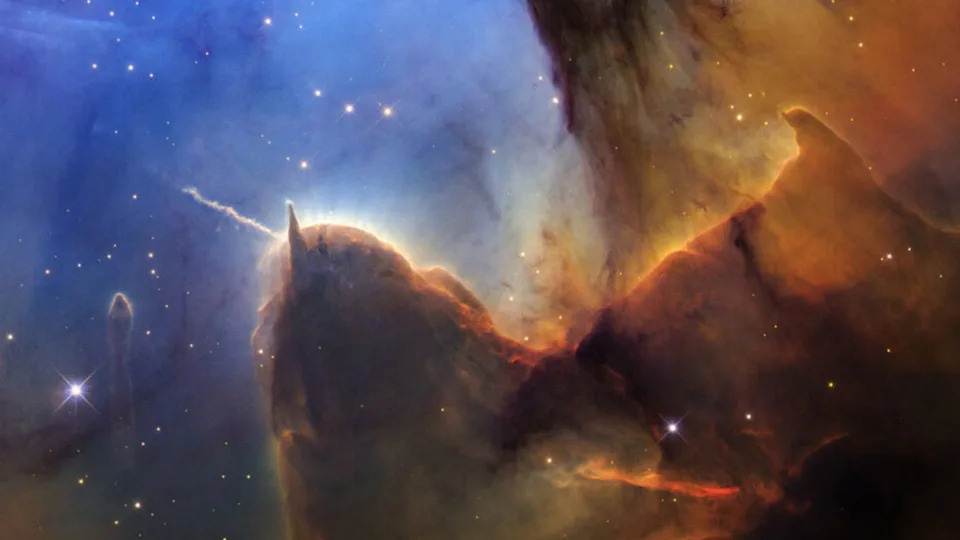
A green fireball lit up the skies of Lindisfarne Castle in the United Kingdom. | Credit: NASA, ESA, STScI. Image processing: J. DePasquale (STScI)
This stunning image shows the cosmic nursery Messier 20, which is nicknamed the “Cosmic Sea Lemon.”
The new image, released April 20, was snapped by the Hubble Space Telescope, which captured the same region of space nearly 30 years ago. Not much has changed over that time; it’s a blink of an eye on a cosmic scale. Yet a growing jet of energy is being unleashed by a newborn star, which makes the nebula resemble a unicorn.
Follow Live Science on social media
Want more science news? Follow our Live Science WhatsApp Channel for the latest discoveries as they happen. It’s the best way to get our expert reporting on the go, but if you don’t use WhatsApp we’re also on Facebook, X (formerly Twitter), Flipboard, Instagram, TikTok, Bluesky and LinkedIn.