
Topline
May 2026 is set to be one of the most rewarding months of the year for skywatchers, with two full moons, a meteor shower and a brightening Venus. With spring nights still offering pockets of darkness before summer twilight takes over, it’s a prime window to capture everything from spectacular moonrises to distant galaxies. Here’s everything you need to know about stargazing in May 2026.
August 30, 2023’s blue moon, rising over a yet-to-be-harvested wheatfield in southern Alberta, Canada.
gettyTimeline
May 1The full flower moon will rise and be best seen as it appears in the east at dusk that day.
May 5-6The Eta Aquariid meteor shower peaks overnight, producing up to 20 meteors per hour and originating from debris left by Halley’s Comet.
May 9-20A valuable dark-sky window opens, offering some of the last truly dark evenings before shorter summer nights reduce stargazing opportunities in the Northern Hemisphere. New moon is on May 16.
May 18A slender crescent moon will be paired with a brilliant planet, Venus, on May 18. The crescent moon will display Earthshine, where sunlight reflected from Earth softly illuminates its dark side.
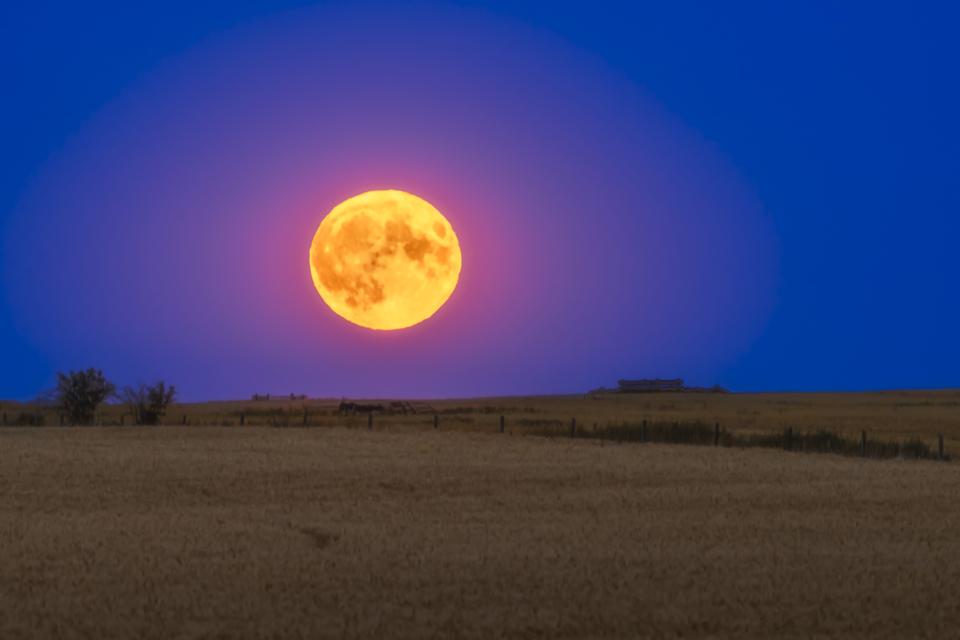
May 30The second full moon of the month will rise. It will be named a blue moon, named for its rarity, not its color. In fact, the moon typically appears orange as it appears on the horizon, due to atmospheric scattering.
May’s Double Full Moons
May begins and ends with full moons — the flower moon on May 1 and a rare blue moon on May 30 — a quirk caused by the Moon’s 29.5-day cycle occasionally fitting twice into a calendar month. This kind of monthly blue moon occurs roughly every 2 to 3 years, with the next one on Dec. 31, 2028 — also Earth’s next total lunar eclipse (a red blue moon/blue blood moon!). The second type is a seasonal blue moon, the third full moon of an astronomical season that has four full moons. According to Timeanddate.com, the next seasonal blue moon will occur on May 20, 2027.
What’s Next In The Night Sky
As May gives way to June, nights grow shorter across the Northern Hemisphere, with twilight lingering well into the late evening and returning early in the morning. June 9 will host a close conjunction between Jupiter and Venus, before June 21 sees the start of astronomical summer in the Northern Hemisphere and brings the shortest night of the year. June 29 sees the full strawberry moon, named for the fruit harvest season rather than its color. This year’s strawberry moon is also a micromoon, occurring near apogee — the moon’s farthest point from Earth — so it will appear slightly smaller than average.
Further Reading
MORE FROM FORBESYour Ultimate Guide To Stargazing And Astronomy In 2026By Jamie Carter
MORE FROM FORBESYour Full Moon Guide For 2026 — All 13 Dates For Your DiaryBy Jamie Carter
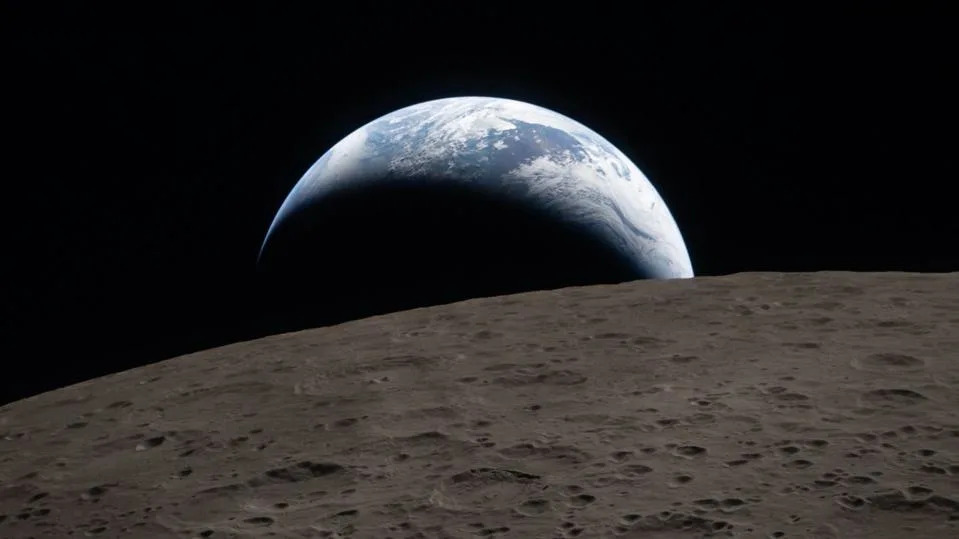
MORE FROM FORBESArtemis Astronauts See Earthrise, Earthset And A Total Solar EclipseBy Jamie Carter
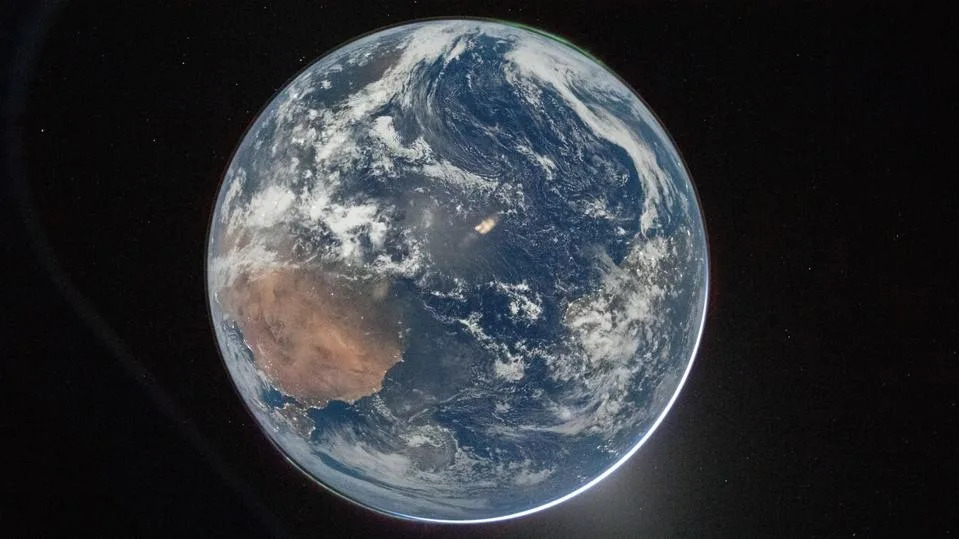
MORE FROM FORBESAstronauts Share Spectacular Earth Images From Halfway To The MoonBy Jamie Carter
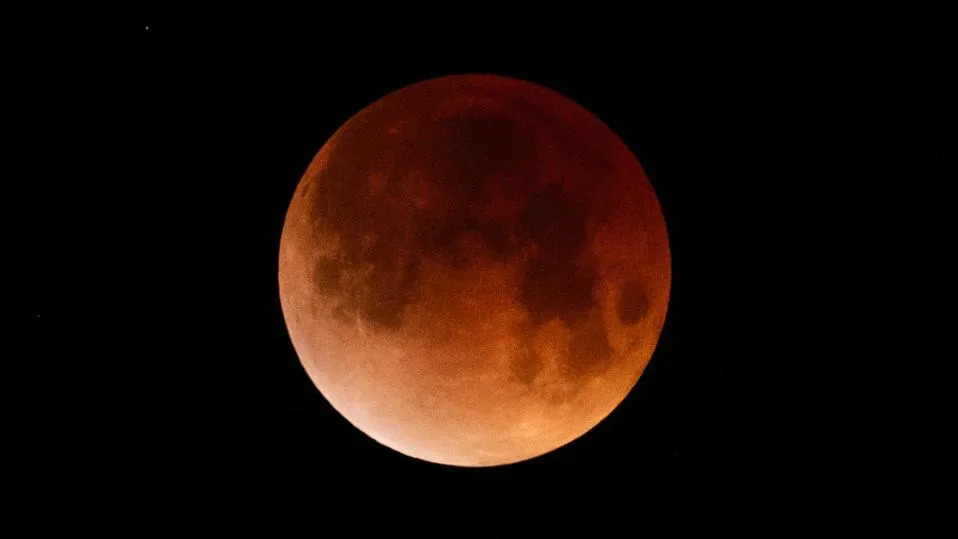
MORE FROM FORBESIn Photos: ‘Blood Moon’ Stuns North America For Last Time Until 2029By Jamie Carter
This article was originally published on Forbes.com