
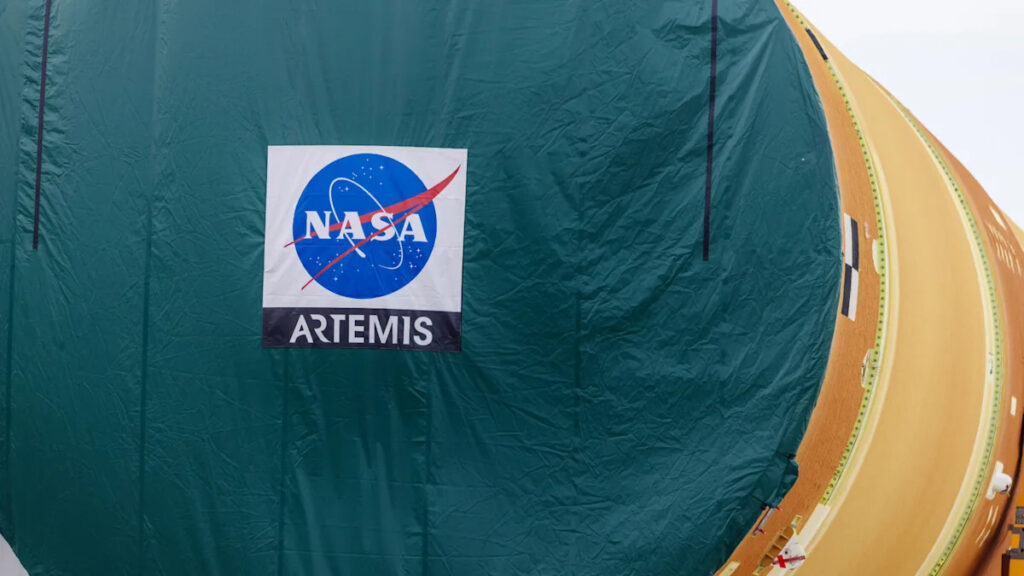
NASA is already mapping out its next era of deep space exploration following the successful return of Artemis II, with early assessments showing the mission hit key performance targets across the board.
According to an official report from NASA, engineers are now analyzing data from the Orion spacecraft, Space Launch System (SLS) rocket, and launch infrastructure after the crew safely splashed down off the coast of San Diego on April 10.
Their initial findings have revealed that Orion’s heat shield and thermal protection systems performed as expected during reentry, with significantly less material loss than what was observed during the uncrewed Artemis I mission.
The spacecraft also landed just 2.9 miles from its intended target, underscoring the precision of the mission’s trajectory and recovery operations.
The early results are fueling momentum for what comes next. Artemis II marked the first crewed mission in NASA’s Artemis program, a long-term effort aimed at establishing a sustained human presence on the Moon before eventually pushing toward Mars.
The agency is now using real-time flight data to refine systems ahead of Artemis III, which is expected to attempt a lunar landing as early as 2027.
NASA officials say the SLS rocket also met expectations, successfully placing Orion into its intended orbit at speeds exceeding 18,000 miles per hour.
Meanwhile, upgrades to the launch pad systems at Kennedy Space Center following Artemis I appear to have paid off, with minimal damage reported after liftoff—an improvement attributed to reinforced structures and redesigned components.
“The Artemis II test flight successfully began a new era of exploration,” NASA said in its post-mission update, noting that the mission lays the groundwork not just for lunar landings, but for future Moon bases and eventual crewed missions to Mars.
That milestone follows a headline-grabbing journey that captured global attention. During the mission, the four-person crew traveled roughly 694,000 miles around the Moon and back, breaking the record for the farthest distance humans have ever flown from Earth—a mark previously set during Apollo 13.
Along the way, astronauts documented lunar craters, captured a rare “Earthset” image, and even witnessed a solar eclipse from space.
Related News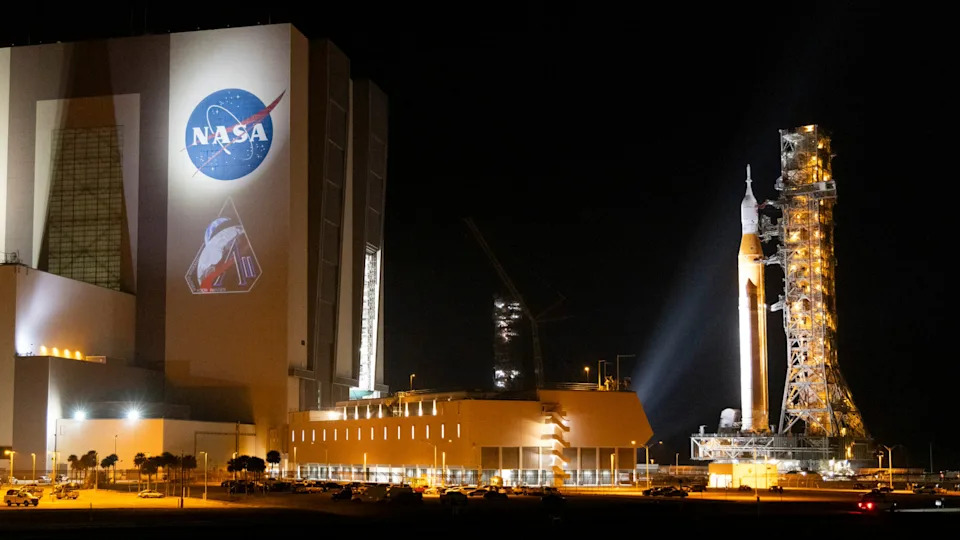
NASA Rolls Out Artemis II Rocket as Astronauts Enter Quarantine
NASA Astronaut’s Sudden Speech Loss Triggers Historic ISS Evacuation

NASA Astronaut’s Viral ‘Alien Space Egg’ Photo Has a Domestic Twist
Related News
Christina Applegate Reportedly Hospitalized Amid Multiple Sclerosis Battle
‘Eggslut’ Is Coming to Canada: L.A.’s Viral Eatery To Open Two Downtown Toronto Locations