
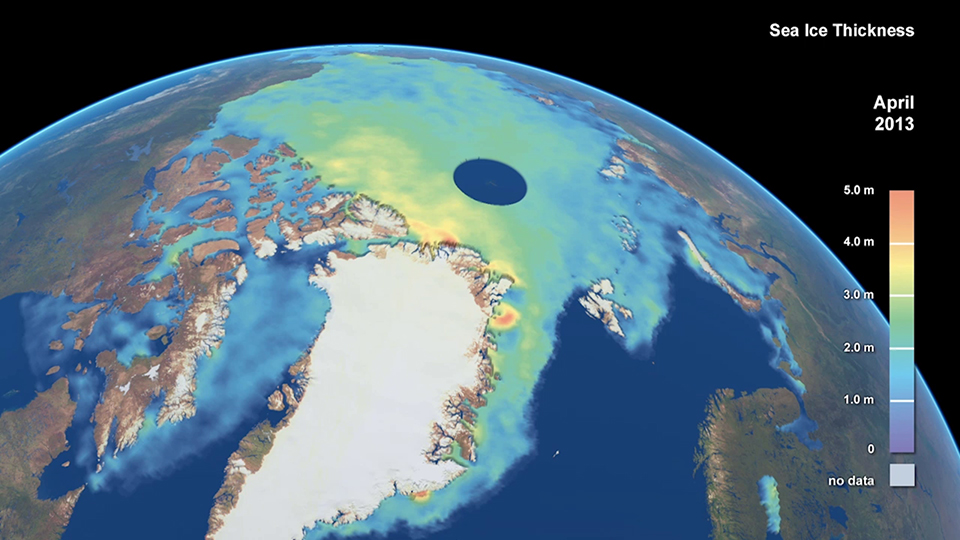
The European Space Agency (ESA) began a six-week scientific field campaign in the Arctic on Monday, April 27, to validate sensor technology for three upcoming Copernicus Expansion missions.
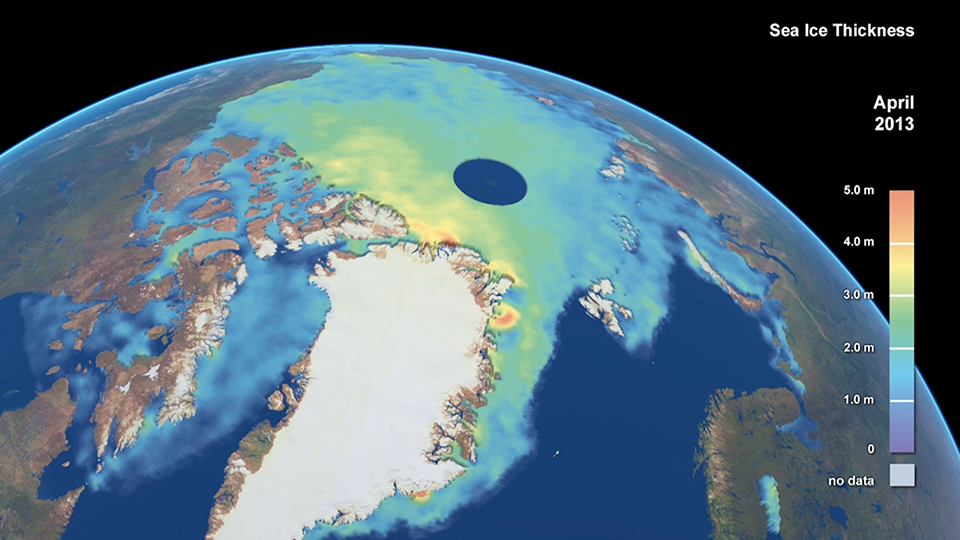
This international effort involves airborne measurements and ground-based ice surveys designed to refine the data processing algorithms for the Copernicus Imaging Microwave Radiometer (CIMR), the Copernicus Polar Ice and Snow Topography Altimeter (CRISTAL), and the L-band Synthetic Aperture Radar (ROSE-L) missions.
Sensor Validation and Technical Specifications
The campaign utilizes a combination of the Twin Otter and Basler BT-67 aircraft equipped with advanced radar and radiometer instruments that mimic the hardware planned for the future satellite constellation. These airborne sensors are measuring sea-ice thickness, snow depth, and surface temperature. The data collected will be compared directly against existing measurements from the CryoSat and Sentinel-3 satellites to ensure a seamless transition and continuity of climate records once the next-generation satellites are deployed.
Strategic Context for Polar Monitoring
The development of these missions follows a strategic shift in European Earth observation priorities, focusing on the rapid changes occurring in the polar regions. The CIMR mission is specifically designed to provide high-spatial resolution observations of sea-surface temperature and sea-ice concentration, while CRISTAL will carry a multi-frequency radar altimeter to monitor ice sheet elevations.
These programs represent a significant investment in sovereign climate monitoring capabilities, aimed at providing high-revisit data for both scientific research and maritime safety in the increasingly accessible Arctic shipping lanes.
Mission Deployment
Following the conclusion of this six-week validation phase, the data will undergo extensive analysis at ESA’s European Space Research and Technology Centre (ESTEC). This calibration work is a critical precursor to the final hardware integration phase.
The first of the Copernicus Expansion satellites, CRISTAL, remains on track for a scheduled launch in 2027, followed by the sequential deployment of the CIMR and ROSE-L platforms to complete the polar monitoring architecture.