
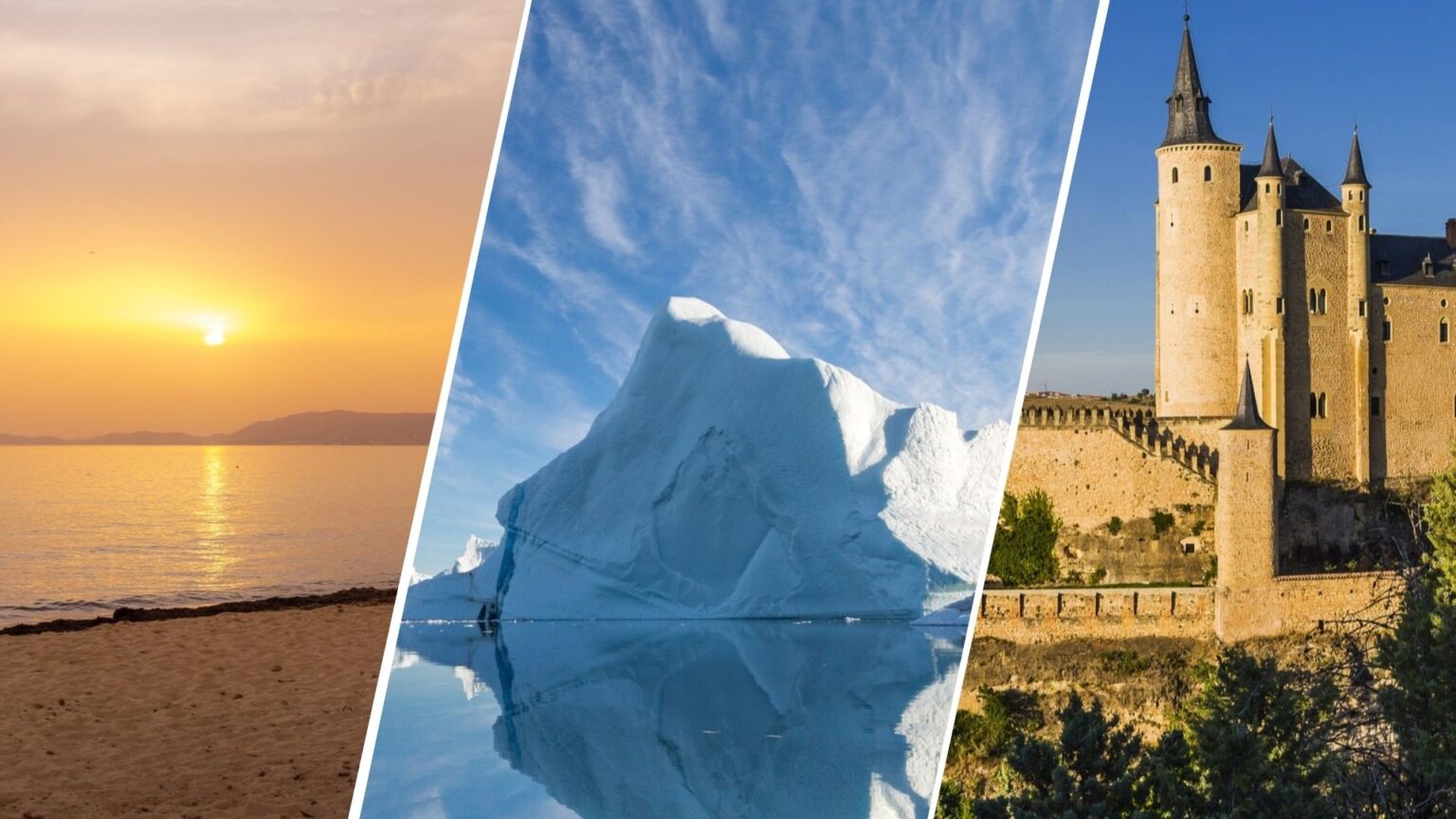
Looking for inspiration or deep research for the total solar eclipse on Aug. 12, 2026? Stretching across eastern Greenland, western Iceland and northern Spain, the moon’s shadow will carve out a roughly 190-mile (305 kilometers) wide path of totality — a fleeting corridor where the sun will be completely blocked by the moon, revealing its ghostly corona for a minute or two and plunging the landscape into twilight.
What follows is a curated mix of 15 locations — from remote Arctic fjords to city center viewpoints and high, dry plains — each offering a different way to experience one of nature’s most extraordinary spectacles.
However, this is not a simple one-size-fits-all eclipse — the experience will dramatically differ depending on where you stand. In Greenland and Iceland, the eclipsed sun will hang relatively high in the sky. In Spain, it will be about 12 degrees above the horizon in Galicia, but dropping to just a few degrees above the horizon in the Balearic Islands. In some areas of Spain, even a low ridge, a distant hill or a line of buildings could block your view at the crucial moment, so choosing the right location is everything.
You may like
These locations have all been checked using resources including Xavier Jubier’s Interactive Google Map, which has timings and built-in sightlines from Peak Finder, as well as The Eclipse App, Eclipse Horizon Checker and the Instituto Geográfico Nacional.
However, the best advice is always to scout out the location the day before, at the time of the eclipse, to check sightlines. Cloud cover information comes from Time and Date, though check the weather forecast before traveling, and again on the day itself.
1. Segovia, Spain
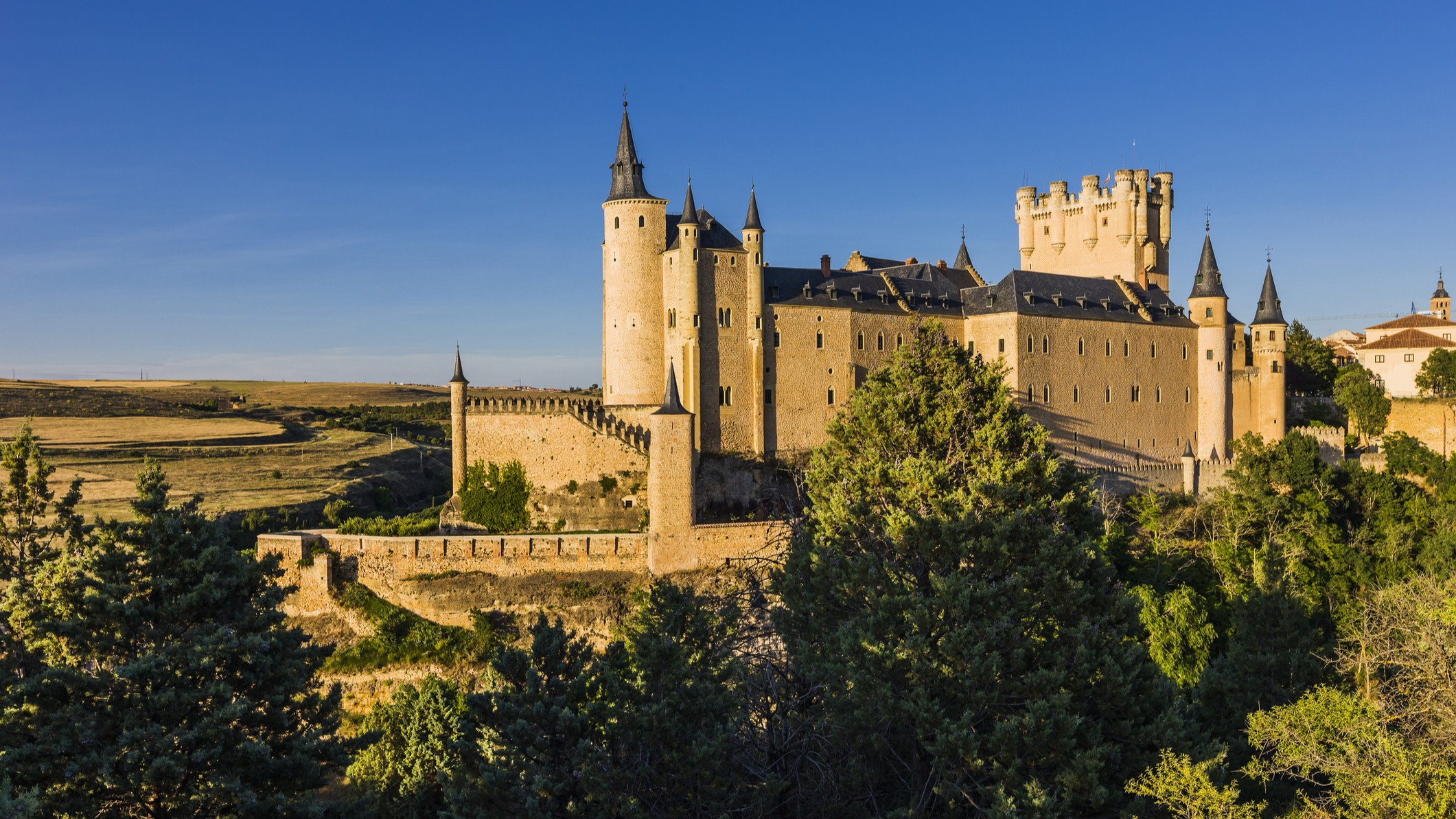
Alcázar de Segovia will see a short totality. (Image credit: Maremagnum via Getty Images)
Segovia, Spain
Location: C. Cta. de los Hoyos, Segovia, Spain
Time and duration of totality: 8:31 p.m. CEST, 59 seconds
Height of eclipsed sun above west-southwest: 7.9 degrees
Chance of clouds: 19% (since 2000)
An epic vista for the eclipse will be possible from this mirador, which also has views of the majestic Alcázar de Segovia, the inspiration for the castle in Walt Disney’s Sleeping Beauty. It faces the open plains of Castile to the west and is accessed via a path from Arco de la Fuencisla. However, it’s a short totality from Segovia.
2. Saxhóll Crater, Iceland
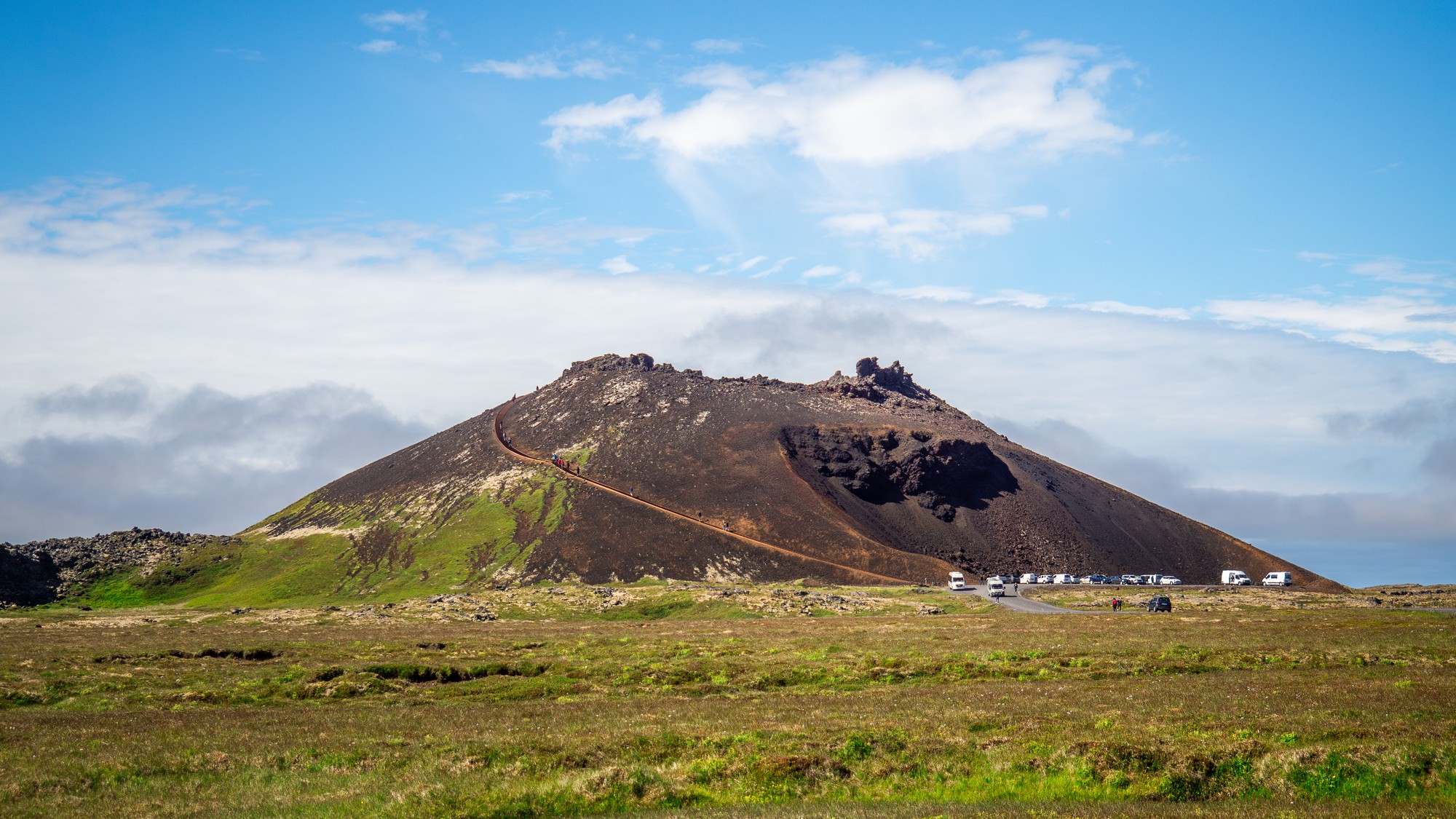
Saxhóll Crater on Iceland’s Snæfellsnes Peninsula. (Image credit: Clement LEONARD via Getty Images)
Saxhóll Crater, Iceland
Location: Hellissandur, Snæfellsnes Peninsula, Iceland
Time and duration of totality: 5:45 p.m. GMT; 2 minutes, 8 seconds
Height of eclipsed sun above west-southwest: 25.4 degrees.
Chance of clouds: 79% (since 2000)
The western end of the Snæfellsnes Peninsula is where totality lasts longest in Iceland. About 5.5 miles (9 km) south of Hellissandur on the peninsula’s westernmost tip, Saxhóll Crater is an easy climb. It’s inside Snæfellsjökull National Park.
3. Becerril de Campos, Spain
Becerril de Campos, Spain
Location: Becerril de Campos, Castile and León, Spain
Time and duration of totality: 8:29 p.m. CEST; 1 minute, 42 seconds
Height of eclipsed sun above west-northwest: 8.9 degrees
Chance of clouds: 21% (since 2000)
Becerril de Campos is one of many small towns within the flat plains of Palencia that will offer open views across the surrounding landscape. The town’s San Pedro Cultural Becerril de Campos is a converted Romanesque church now used as an astronomy center. Inside is a Foucault pendulum, which demonstrates the Earth’s rotation.
4. Reykjavík Domestic Airport, Iceland
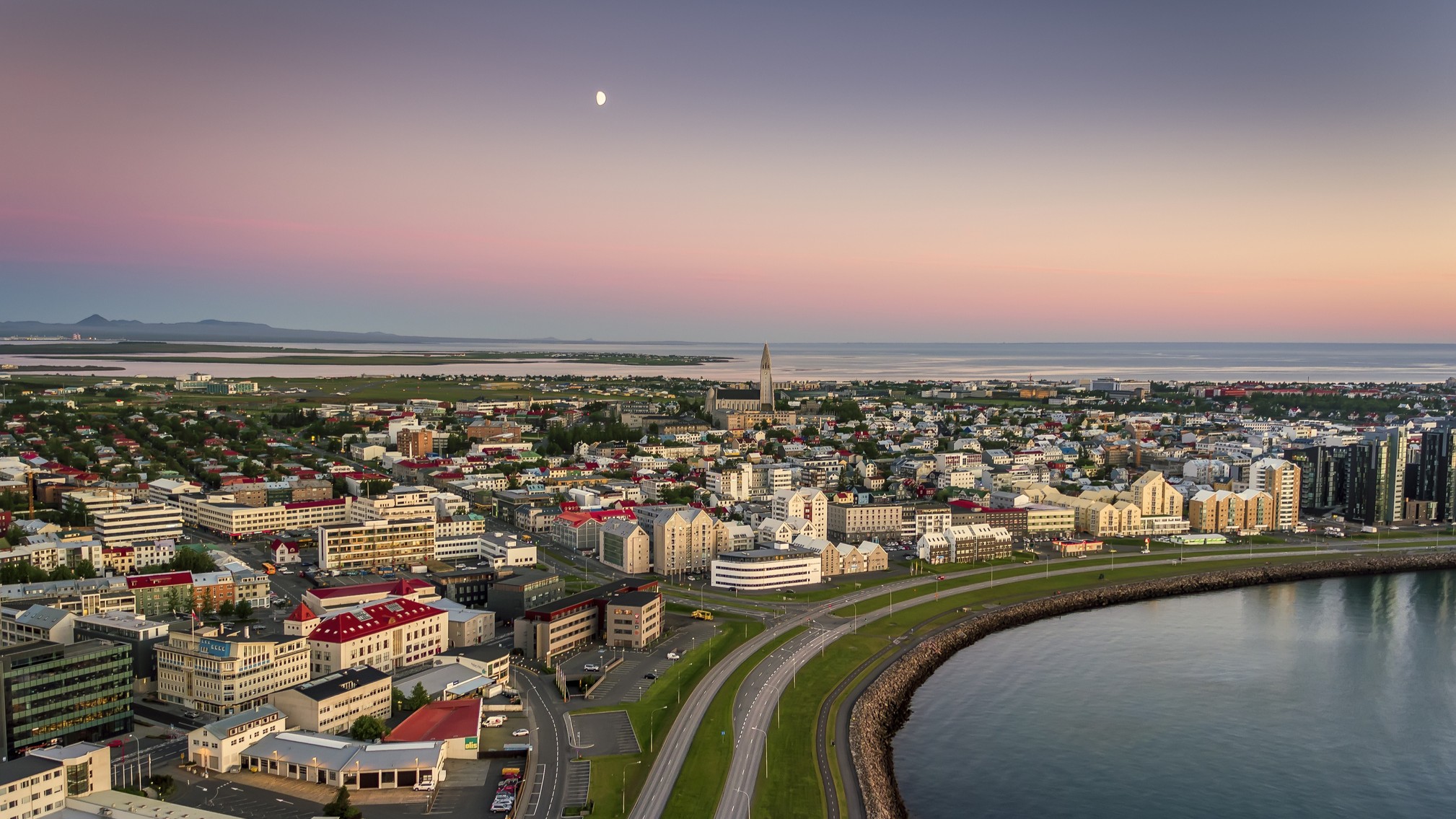
Reykjavik’s coastline will be set up for an epic eclipse viewing event. (Image credit: Arctic-Images via Getty Images)
Reykjavík Domestic Airport, Iceland
Location: Reykjavík, Iceland
Time and duration of totality: 5:48 p.m. GMT; 1 minute
Height of eclipsed sun above west-southwest: 24.6 degrees.
Chance of clouds: 76% (since 2000)
Both airports in Iceland — Reykjavík Domestic Airport (RKV) and Keflavík International Airport — are in the path of totality. The former, just a short walk from the city center, has a fabulous southwest-facing coastline where food stalls will be set up, with plans to accommodate around 10,000 people all along the seafront.
5. Nordvestfjord, Greenland
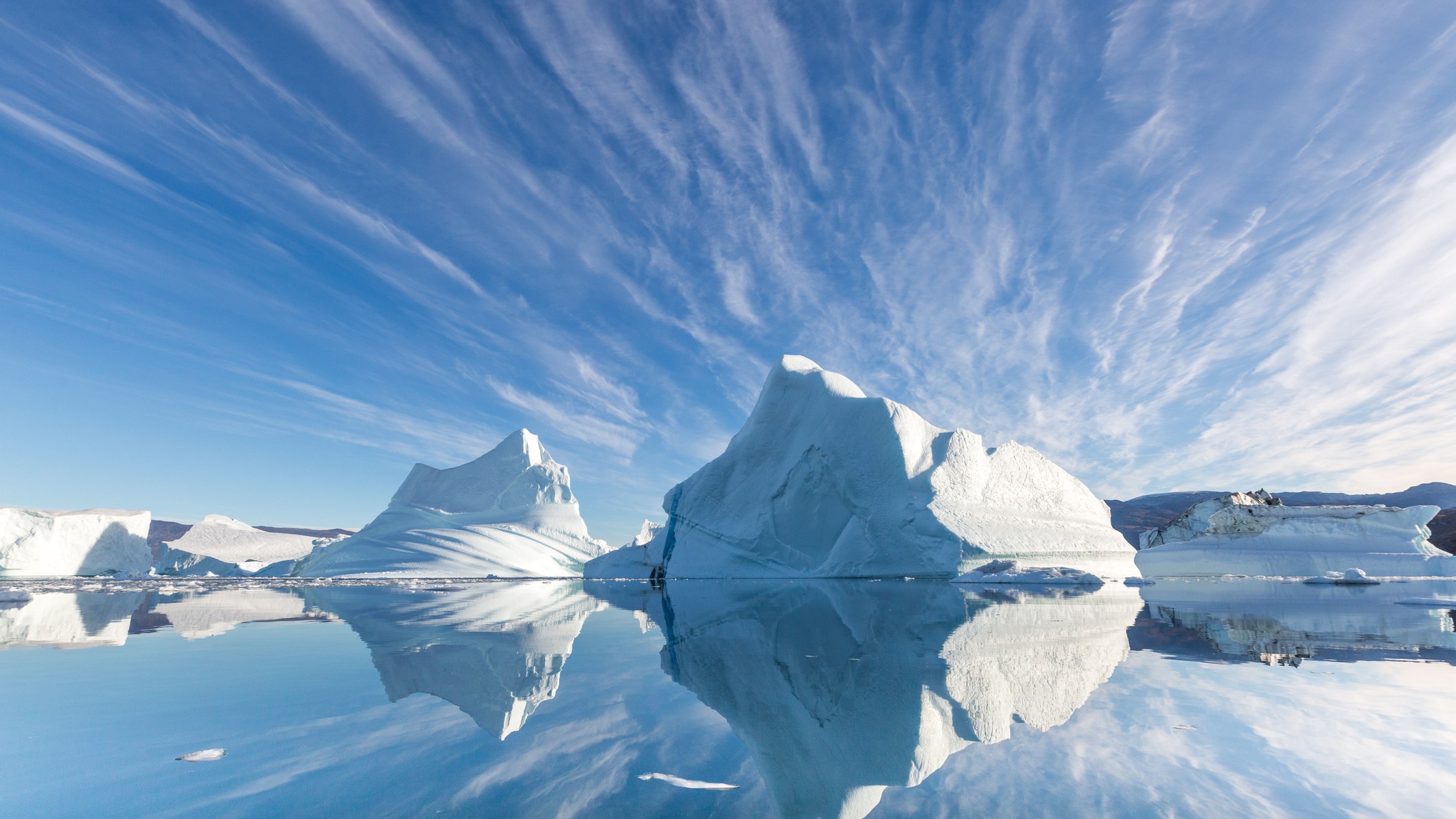
Scoresby Sund in East Greenland. (Image credit: MB Photography via Getty Images)
Nordvestfjord, Greenland
Location: Scoresby Sund, East Greenland
Time and duration of totality: 4:32 p.m. EGST; 2 minutes, 16 seconds
Height of eclipsed sun above west-southwest: 24.8 degrees.
Chance of clouds: 61% (since 2000)
Getting close to the centerline of the path of totality anywhere but Spain is a challenge, but it comes with a reward. Realistically, the only option in Greenland is Nordvestfjord (Northwest Fjord) in Scoresby Sund, a region known for icebergs and Arctic wildlife, including muskox with occasional sightings of polar bears and walruses. Here, a 2-minute, 16-second totality is possible, but you’ll need to be on an expedition cruise ship to access it.
What to read next
6. Castillo de Osma, Spain
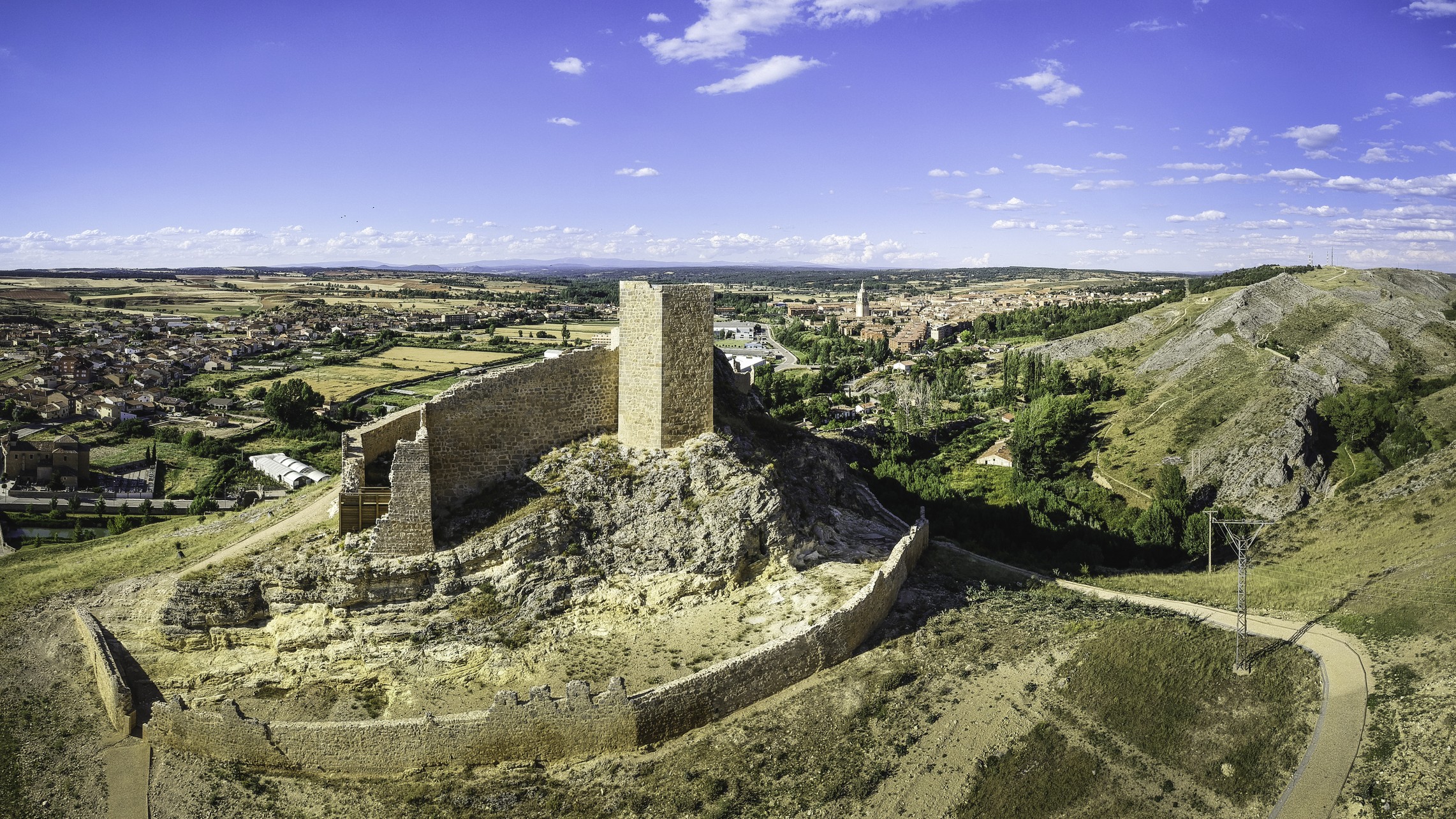
Castillo de Osma near Soria. (Image credit: Enrique Díaz / 7cero via Getty Images)
Castillo de Osma, Spain
Location: El Burgo de Osma, Soria, Spain
Time and duration of totality: 8:29 p.m. CEST; 1 minute, 43 seconds
Height of eclipsed sun above west-northwest: 7.5 degrees
Chance of clouds: 20% (since 2000)
This strategically placed citadel, dating from the 11th century, perched above the Ucero River, Osma Castle offers sweeping views of the Castilian landscape and a sense of Spain’s medieval frontier history. Its weathered stone walls and commanding hilltop position on the edge of Ciudad de Osma make it a striking stop for eclipse chasers.
7. Mount Helgafell, Iceland
Mount Helgafell, Iceland
Location: Hafnarfjörður, Reykjanes Peninsula, Iceland
Time and duration of totality: 5:48 p.m. GMT; 55 seconds
Height of eclipsed sun above west-southwest: 24.5 degrees.
Chance of clouds: 77% (since 2000)
For sweeping, uninterrupted views across Reykjavík, Faxaflói Bay, and the Reykjanes Peninsula, take a 45-minute hike from Kaldársel through a lava field to the top of this 338-meter volcanic hill. It’s just south of Hafnarfjörður in Greater Reykjavík.
8. Mirador del Sablón, Spain
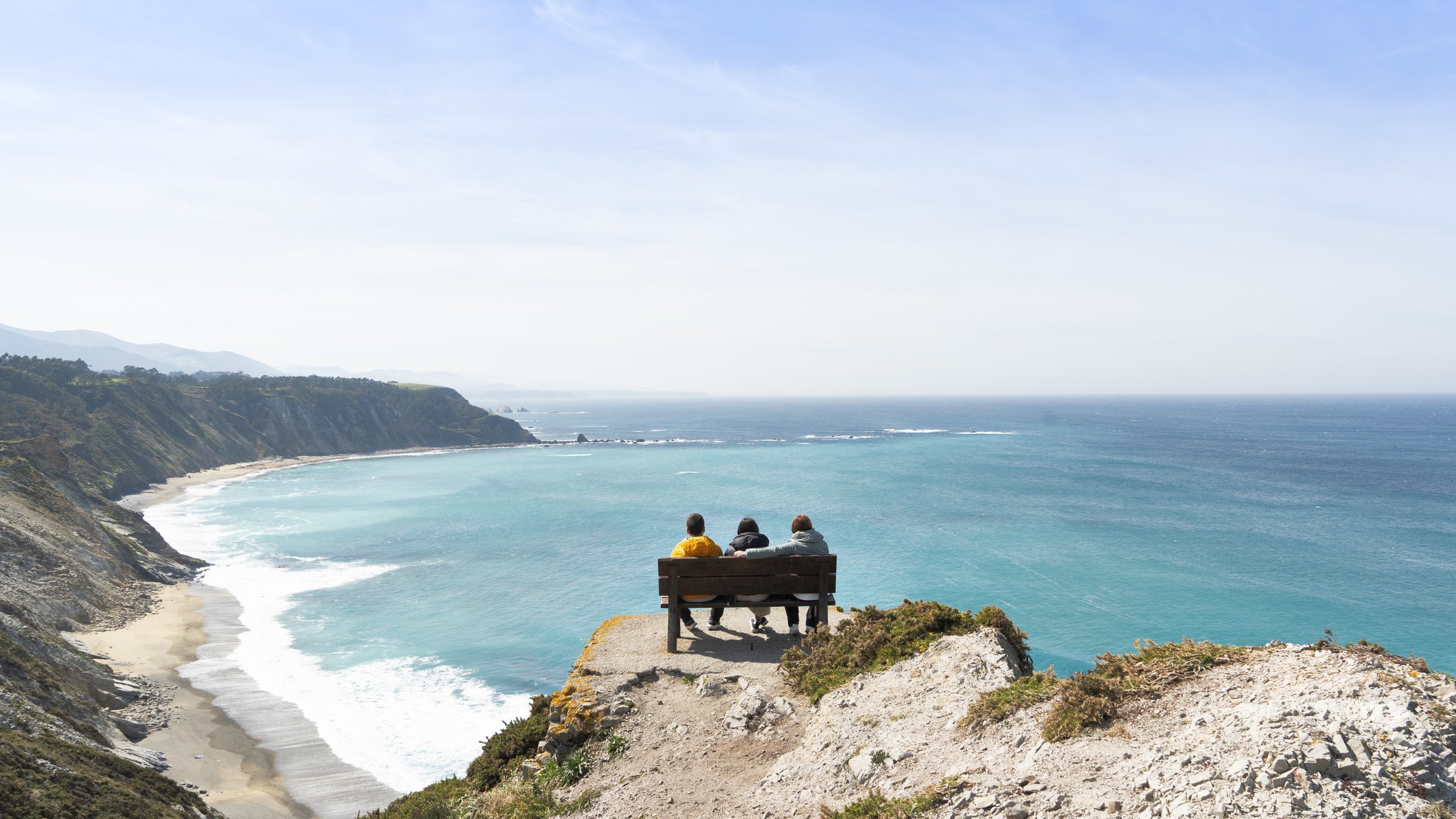
Mirador del Sablón has a bench with a spectacular view of the Asturias coastline. (Image credit: Manuel Arias Duran via Getty Images)
Mirador del Sablón, Spain
Location: Cudillero, Asturias, Spain
Time and duration of totality: 8:26 p.m. CEST; 1 minute, 48 seconds
Height of eclipsed sun above west-northwest: 10.7 degrees
Chance of clouds: 58% (since 2000)
You may have to get here early to get a place on the most beautiful bench in the world, but if the sky is clear on the wild Asturian coast, you’ll get a view of the eclipse above the Cantabrian Sea.
9. Hallgrímskirkja, Iceland
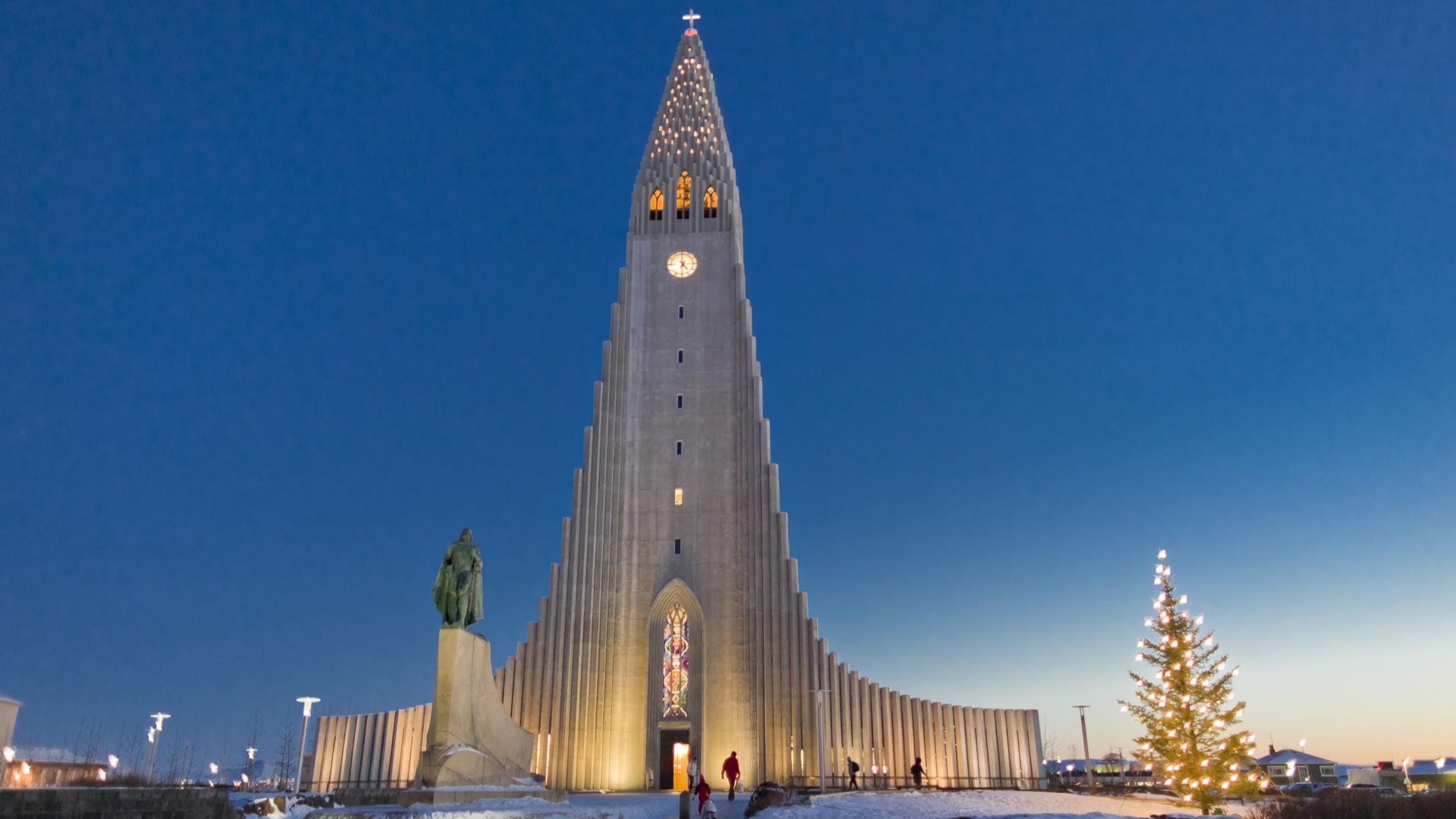
Reykjavík’s Hallgrímskirkja will enjoy a short totality. (Image credit: Arctic-Images via Getty Images)
Hallgrímskirkja, Iceland
Location: Reykjavík, Iceland
Time and duration of totality: 5:48 p.m. GMT; 57 seconds
Height of eclipsed sun above west-southwest: 24.5 degrees.
Chance of clouds: 76% (since 2000)
The chances of getting a vantage point in the tower of Iceland’s tallest and most dramatic church are probably slim, but whoever does get a ticket is sure to get a spectacular 360-degree view of the city, surrounding mountains and the Atlantic Ocean beyond.
10. Muriel Viejo, Spain
Muriel Viejo, Spain
Location: Soria, Castile and León, Spain
Time and duration of totality: 8:29 p.m. CEST; 1 minute, 44 seconds
Height of eclipsed sun above west-northwest: 7 degrees
Chance of clouds: 27% (since 2000)
Mirador La Peñota is an observation deck on high ground at the western end of the Sierra de Cabrejas, a 33,000-hectare area of juniper forests. Although completely isolated and with a clear view to the northwest, it’s close to the small town of Muriel Viejo, a Starlight Tourist Destination in the Pinares de Soria region west of Soria. Muriel Viejo is home to the Starlight Foundation-certified El Cielo de Muriel, which is fully booked but intends to hold an observation event open to non-guests.
11. Ella Island, Greenland
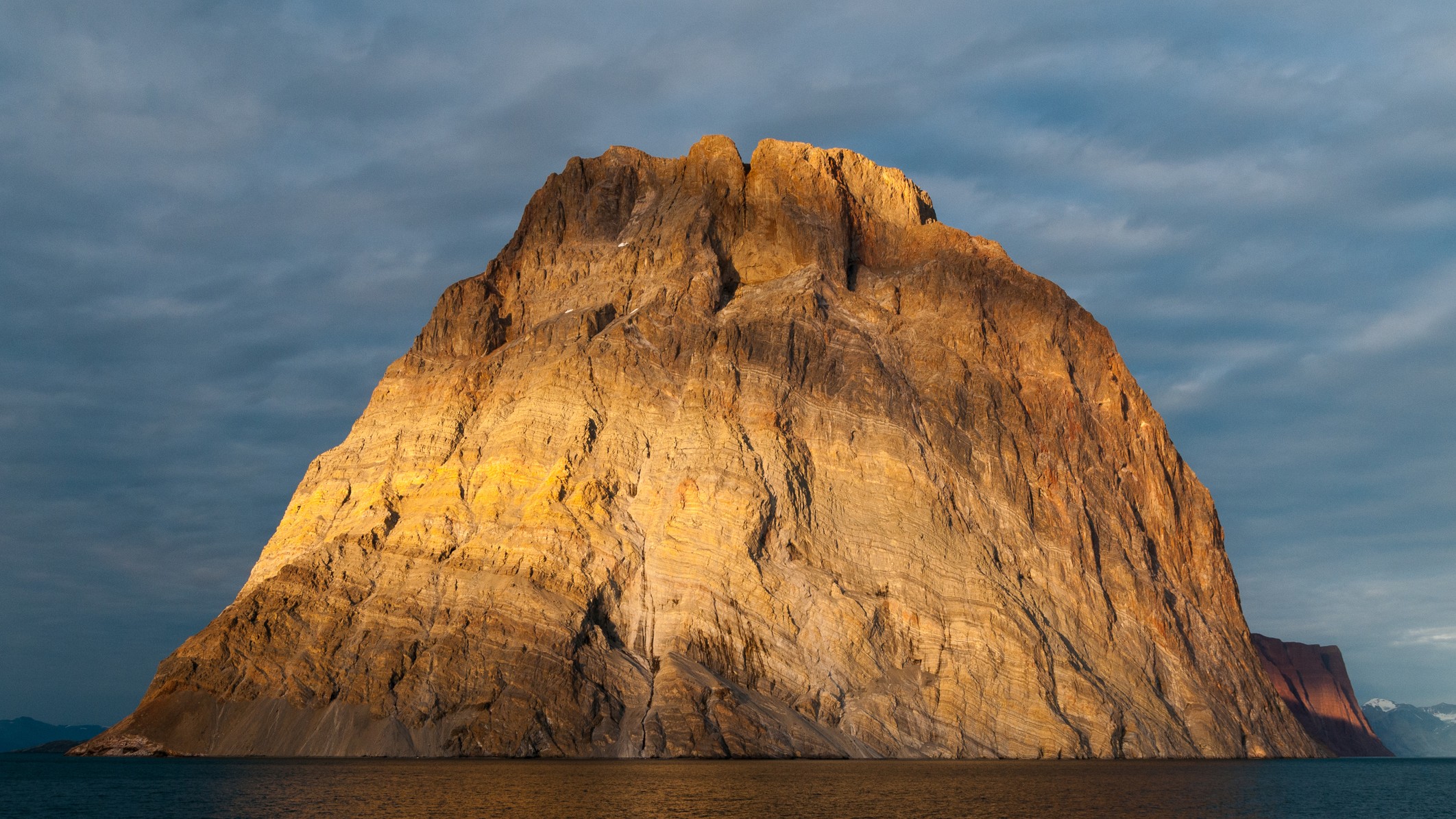
Ella Island, in Greenland’s King Oscar Fjord. (Image credit: Graeme Snow via Getty Images)
Ella Island, Greenland
Location: King Oscar Fjord, Greenland National Park, Greenland
Time and duration of totality: 4:31 p.m. EGST; 1 minute, 45 seconds
Height of eclipsed sun above west-southwest: 23.7 degrees.
Chance of clouds: 55% (since 2000)
The only way to visit this remote island in East Greenland is via a polar expedition cruise ship. At the confluence of five iceberg-filled fjords, it hosts a summer station used by the Sirius Dog Sled Patrol, an elite Danish naval unit enforcing Danish sovereignty in the Arctic.
12. Santillana del Mar, Cantabria
Santillana del Mar, Cantabria
Location: Santillana del Mar, Cantabria, Spain
Time and duration of totality: 8:26 p.m. CEST; 1 minute, 13 seconds
Height of eclipsed sun above west-northwest: 9.1 degrees
Chance of clouds: 56% (since 2000)
Home to medieval towers, Renaissance palaces and churches, Santillana del Mar is one of Spain’s most beautiful villages. Just 5 miles (8km) north is Torre de San Telmo, a 14th-century medieval watchtower on a cliff with expansive views over the ocean to the north and the Picos de Europa mountains to the south. It’s part of a beautiful coastal walk.
13. Santander Bay, Spain
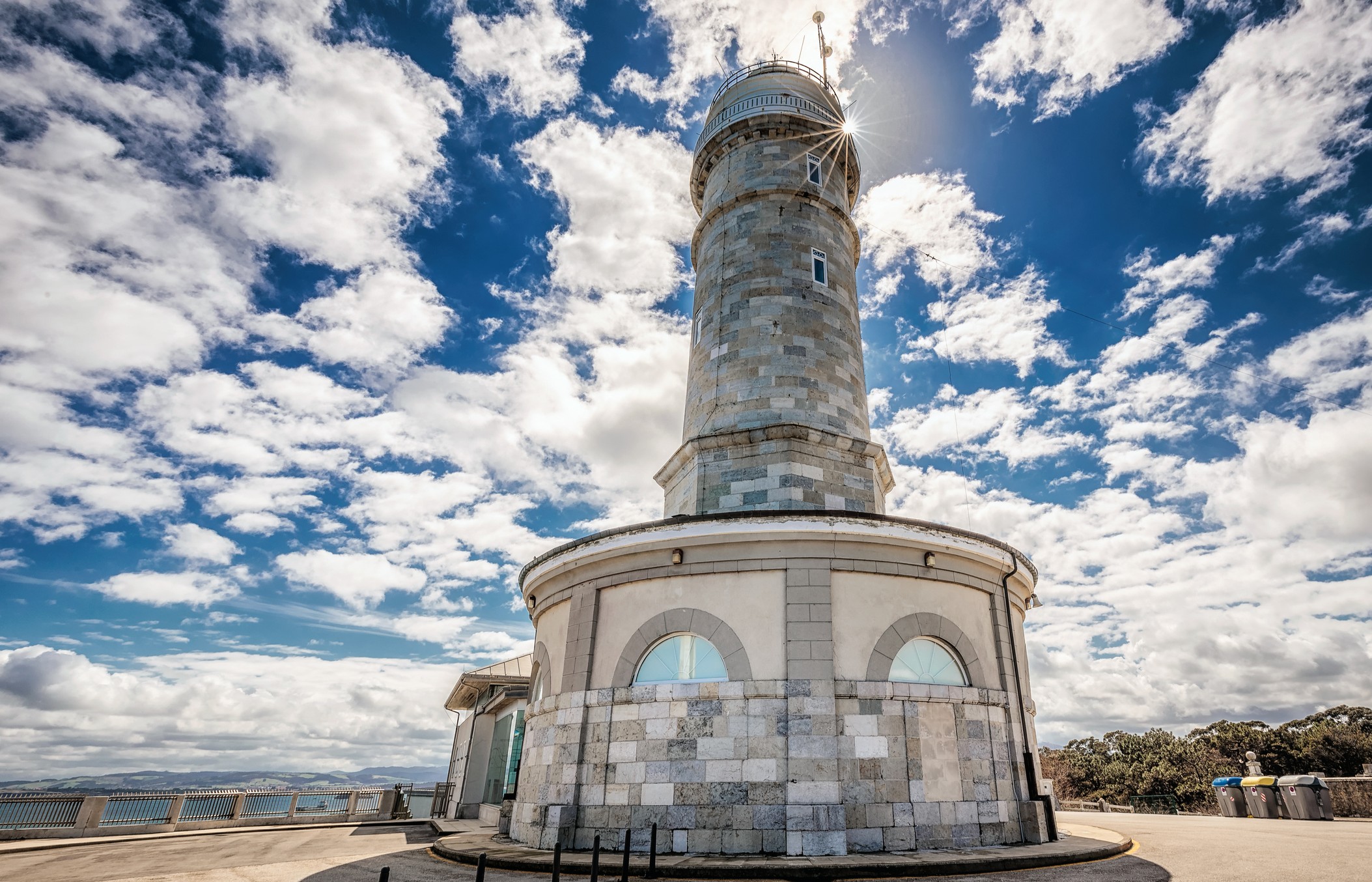
The lighthouse at Cabo Mayor. (Image credit: RuslanKaln via Getty Images)
Santander Bay, Spain
Location: Santander Bay, Cantabria, Spain
Time and duration of totality: 8:26 p.m. CEST; 58 seconds
Height of eclipsed sun above west-northwest: 9 degrees
Chance of clouds: 54% (since 2000)
About 3 miles (5 km) from Santander, the 19th-century Faro de Cabo Mayor lighthouse watches the entrance to Santander Bay and offers dramatic cliff-top views — and spectacular coastal walks — perfect for the eclipse if skies are clear.
14. Geirfuglinn (The Great Auk), Iceland
Geirfuglinn (The Great Auk), Iceland
Location: Reykjanes Lighthouse, Reykjanes Peninsula, Iceland
Time and duration of totality: 5:48 p.m. GMT; 1 minute, 41 seconds
Height of eclipsed sun above west-southwest: 25 degrees.
Chance of clouds: 76% (since 2000)
The geirfuglinn (great auk) was a flightless bird that lived on Iceland and became extinct in the mid-19th century. Stand close to this sculpture, and you’ll be among the last in Iceland to experience totality. Reykjanes lighthouse is nearby.
15. S’Arenal, Spain
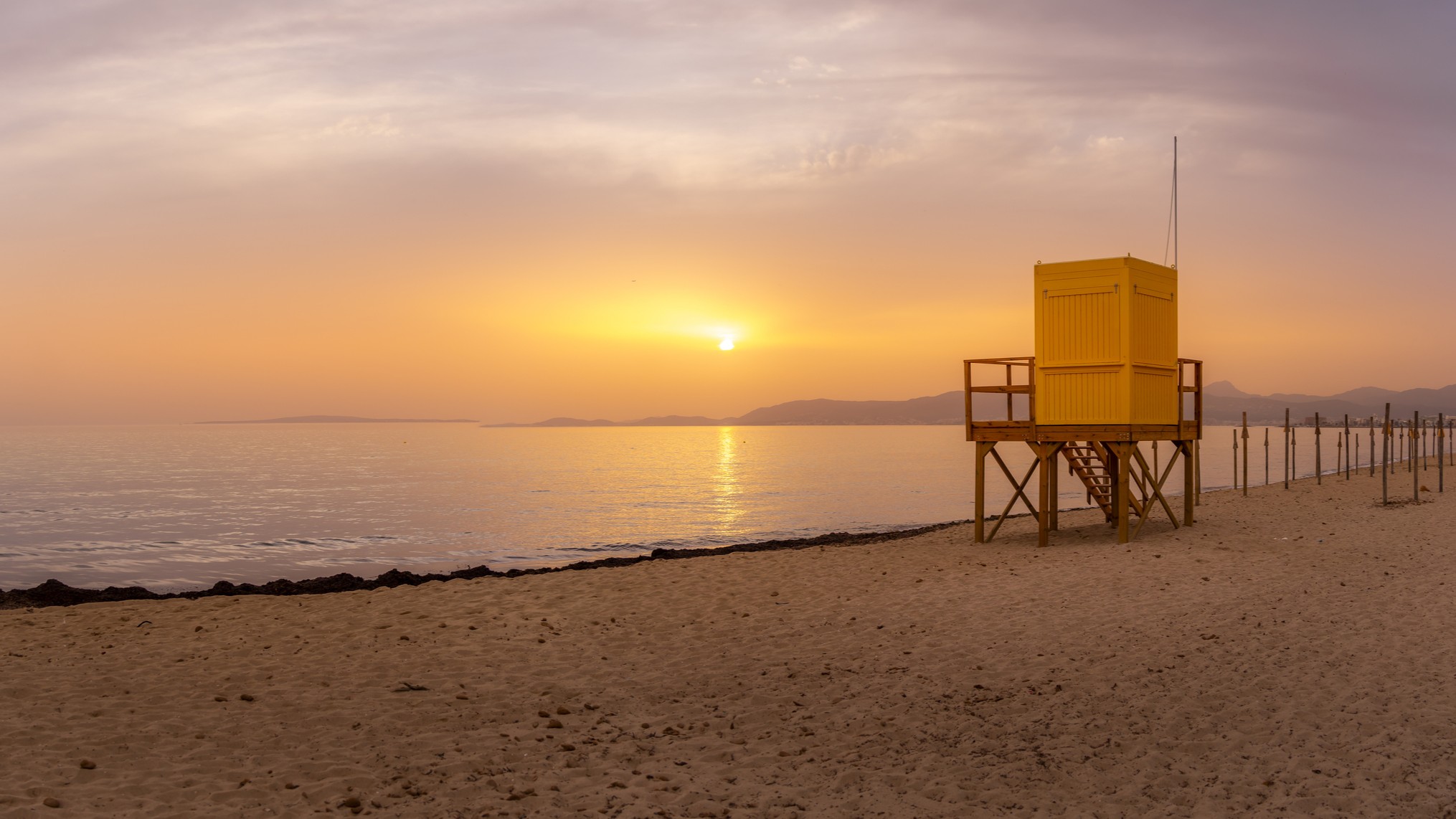
The beach at S’Arenal, Mallorca, is a favorite for sunsets. (Image credit: Frank Fell/robertharding via Getty Images)
S’Arenal, Spain
Location: S’Arenal, Mallorca, Spain
Time and duration of totality: 8:31 p.m. CEST; 1 minute, 36 seconds
Height of eclipsed sun above west-northwest: 2.4 degrees
Chance of clouds: 34% (since 2000)
For a clean, sea-level view of totality, S’Arenal is one of the most practical locations on Mallorca’s south coast. Sitting at the southeastern end of Playa de Palma, it offers an uninterrupted west-northwest horizon — exactly where the eclipsed sun will hang just a couple of degrees above the sea.