
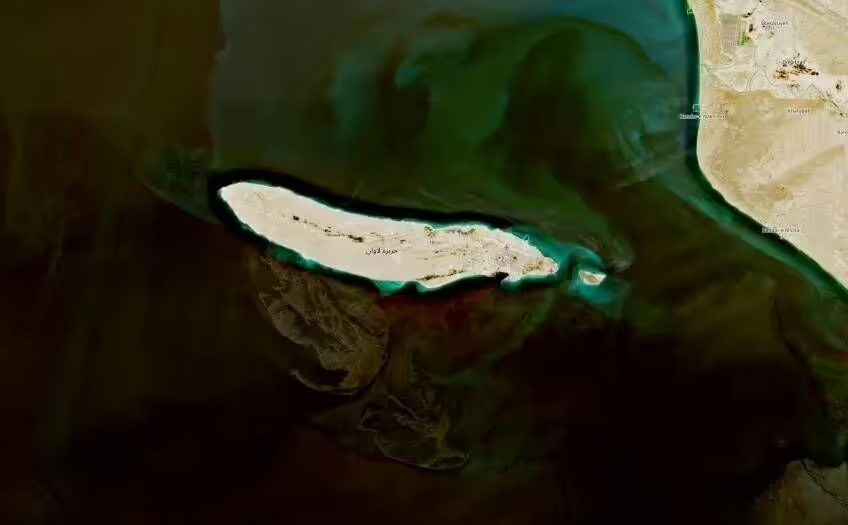
The European Space Agency’s Sentinel-1 satellite recorded a five-mile oil slick near Iran’s Qeshm Island on 7th April. The radar image reveals the environmental toll of strikes on Gulf oil infrastructure in stark, unambiguous detail. A separate image from 10th April then shows oil surrounding Lavan Island. Reports had already confirmed that a strike hit a nearby facility three days earlier.
Together, the images give a rare overhead view of damage that ground teams cannot easily reach.
Kuwait’s Coast and a Widening Disaster
A third image, dated 6th April, documents oil contamination along Kuwait’s coastline. Iran’s Islamic Revolutionary Guard Corps struck petrochemical plants there on 5th April, also hitting facilities in the UAE and Bahrain. Kuwait Petroleum Corporation subsequently reported severe material damage. Drone strikes had ignited fires across its installations.
Nina Noelle, Greenpeace Germany’s spokesperson, warned that the spills risk “affecting the entire ecosystem, from microorganisms to fish, birds, and marine turtles that depend on mangrove habitats.”
She also told CNN that clean-up in the Gulf would be exceptionally difficult. The region’s structural complexity, limited access and hazardous conditions make a full recovery potentially impossible.
Smoke, Contamination and Long-Term Damage
The satellite record extends beyond water. Strikes on 7th March blanketed Tehran’s skies in thick smoke. The plume carried soot, oil particles and sulphur dioxide. Rain that same day then deposited oil-contaminated water across the city.
On 13th March, the United Nations Environment Programme warned that hazardous smoke had reached people across Iran, including young children. It also cautioned that oil contamination risked entering soil, groundwater and food supplies.
Iran’s Foreign Minister Abbas Araghchi described Israeli strikes on Tehran fuel depots as “ecocide.” He further warned of “generational impacts” to soil and groundwater.
A Crisis with No Easy Solutions
The Sentinel-1 images reveal more than isolated pollution events. Together, they document recurring environmental damage across one of the world’s most critical shipping waterways.
 Published by Kerry Harrison
Kerry’s been writing professionally for over 14 years, after graduating with a First Class Honours Degree in Multimedia Journalism from Canterbury Christ Church University. She joined Orbital Today in 2022. She covers everything from UK launch updates to how the wider space ecosystem is evolving. She enjoys digging into the detail and explaining complex topics in a way that feels straightforward. Before writing about space, Kerry spent years working with cybersecurity companies. She’s written a lot about threat intelligence, data protection, and how cyber and space are increasingly overlapping, whether that’s satellite security or national defence. With a strong background in tech writing, she’s used to making tricky, technical subjects more approachable. That mix of innovation, complexity, and real-world impact is what keeps her interested in the space sector.