
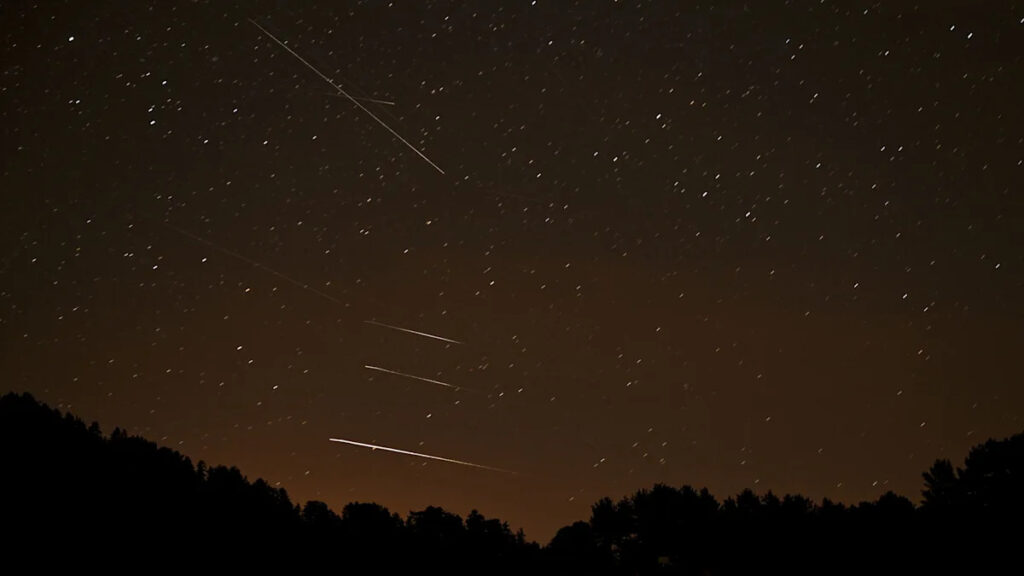
The Lyrids are back to kick off a dazzling 2026 meteor shower season! They are one of the oldest known meteor showers, having been observed for 2,700 years, according to NASA.
When Earth passes through a trail of debris left behind by Comet Thatcher every April, the Lyrid meteor shower becomes visible. It takes about 415.5 years for the comet to orbit the sun once. This spring, the Lyrids are active from April 14 to 30.
The next notable meteor shower after that will be May’s Eta Aquariids, which bring faster, more energetic meteors.
Here’s what to know as the Lyrids meteor shower makes its 2026 appearance.
🌠 What is a meteor shower?
A meteor shower occurs when the Earth passes through dusty trails of debris left by a comet or other objects in space while orbiting the sun, according to NASA. While many meteors, or “shooting stars,” can be seen per hour on any given night, a meteor shower occurs when this number increases substantially.
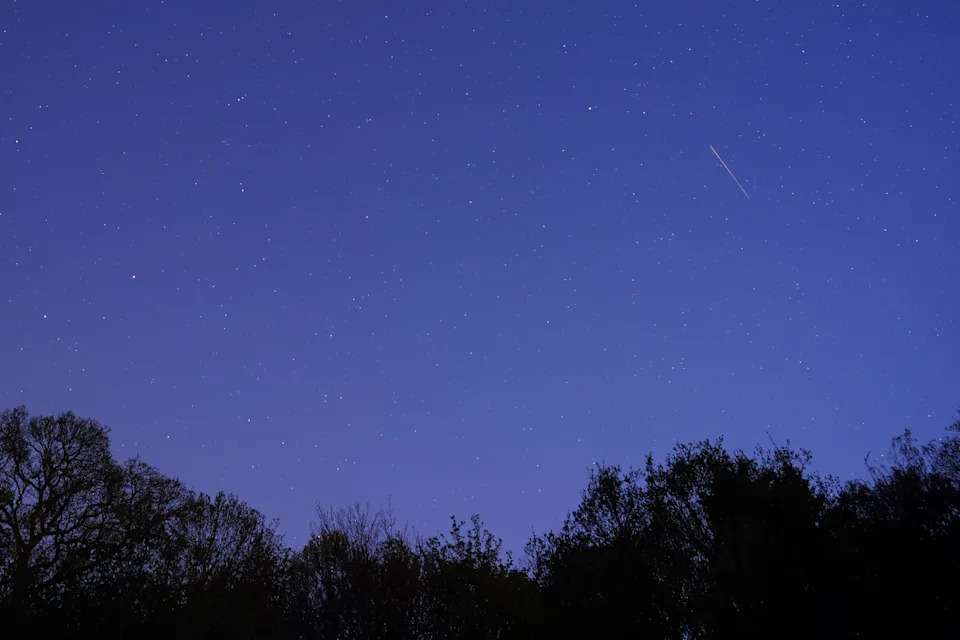
The Lyrids meteor shower over Saltburn by the Sea, U.K., in 2020. (Ian Forsyth/Getty Images)
(Ian Forsyth via Getty Images)🌌 What can I expect to see?
Described by the American Meteor Society as being of medium strength, the Lyrids meteor shower typically produces 10 to 15 meteors per hour, according to EarthSky.
While the Lyrids aren’t as bright or fast as the Perseids meteor shower, they can sometimes generate a fireball or a bright flash in the sky.
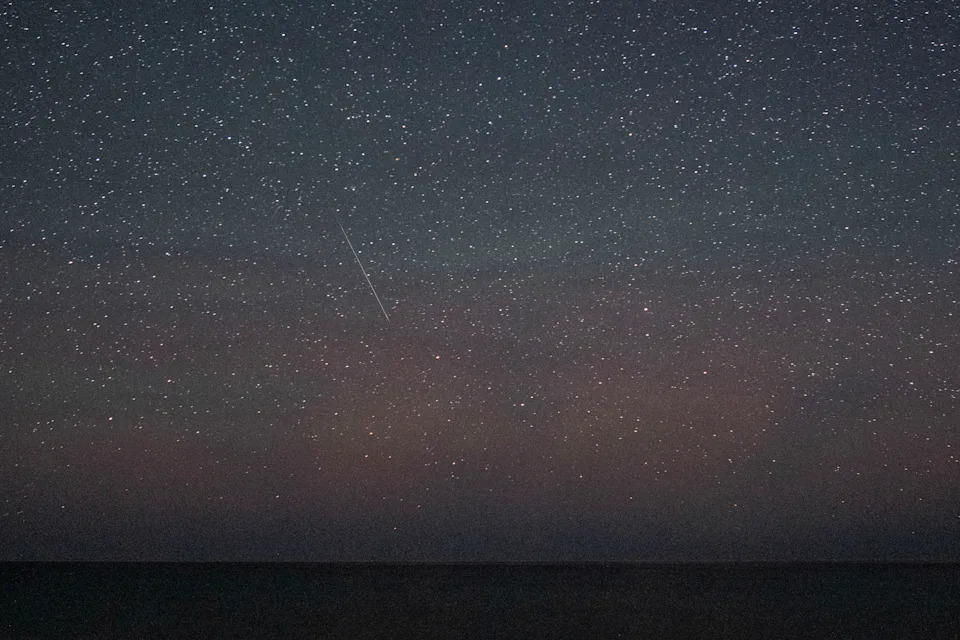
A Perseids meteor shower in Greece in 2023. (Petros Giannakouris/AP)
(ASSOCIATED PRESS)🗓️ When’s the best time to view the Lyrids?
The Lyrids meteor shower will peak late evening of April 21 through dawn on April 22. Predawn hours are the best time to view the Lyrids meteor shower because, according to Space.com, that’s when it is at its highest in the sky. The point from which the meteors originate, also known as the radiant, is located in the northern constellation Lyra, which is close to the bright star Vega. Because of this, the Lyrids will be most visible in the Northern Hemisphere. Activity can still be seen from the Southern Hemisphere, though at a lower rate.
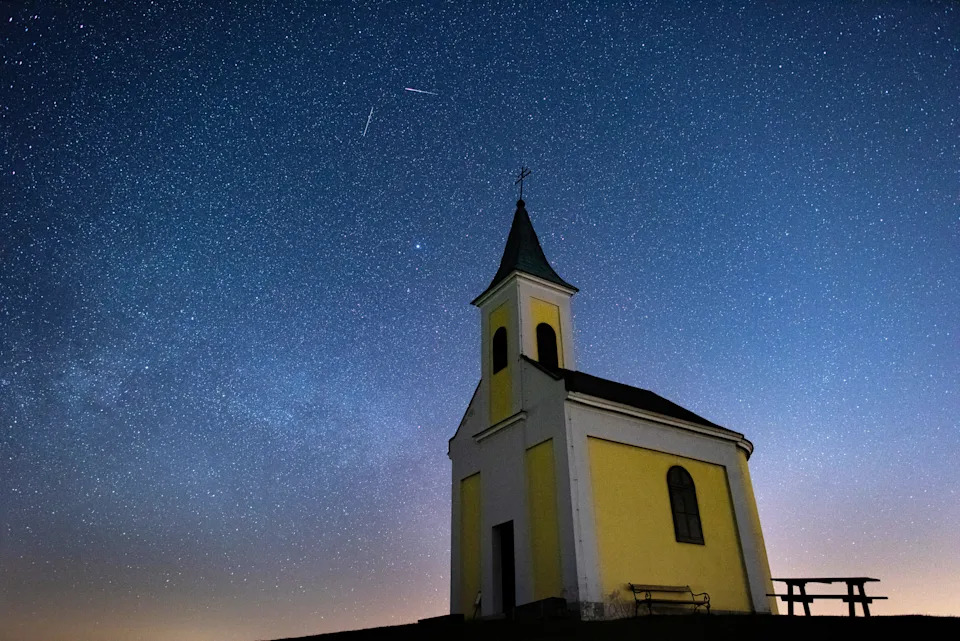
A Lyrids meteor shower over Niederhollabrunn, Austria, in 2020. (Thomas Kronsteiner/Getty Images)
(Thomas Kronsteiner via Getty Images)👓 What’s the best way to view the Lyrids meteor shower?
No special equipment is needed to view the Lyrids. This year, according to EarthSky.org, a fat waxing crescent moon won’t interfere with the peak morning of the Lyrid meteor shower next Wednesday.
When looking at the sky, it’s important to be patient, as it will take around 15 to 20 minutes for your eyes to adjust to the darkness. To optimize visibility, find a clear view of the sky away from city lights.
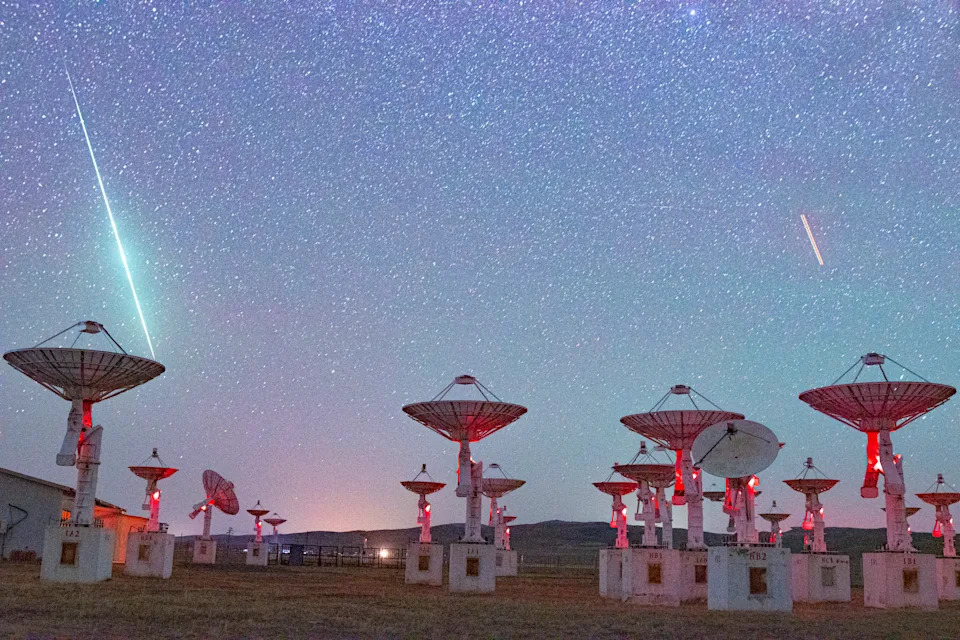
A Lyrids meteor shower in Mongolia, China, in 2021. (Zhang Gang/VCG via Getty Images)
(VCG via Getty Images)