
Artemis II successfully splashed down last week in the Pacific Ocean after a completing a 10-day journey around the moon.
The four-person crew traveled 695,081 miles and looped around the far side of the moon for the first time in more than 50 years.
NASA Administrator Jared Isaacman told ABC News on Monday that Artemis II is just the first step toward the goal of establishing a permanent base on the moon and eventually sending astronauts to Mars.
“We got the mandate, the resources, we have a successful mission — Artemis II — under our belt. We are just getting going,” Isaacman said in an interview on “Good Morning America.”
Here’s a look at what’s next for NASA and the Artemis program.
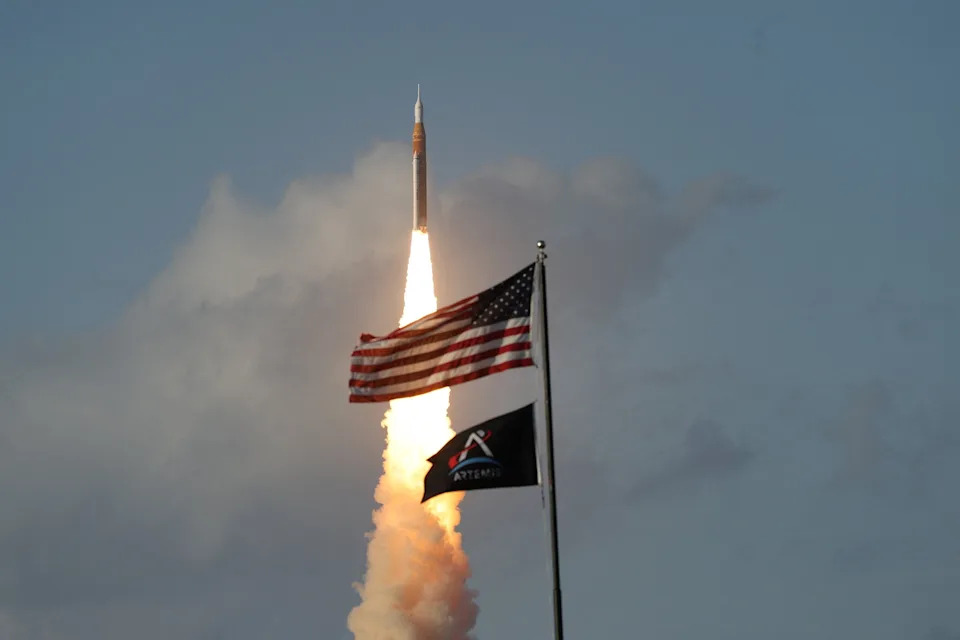
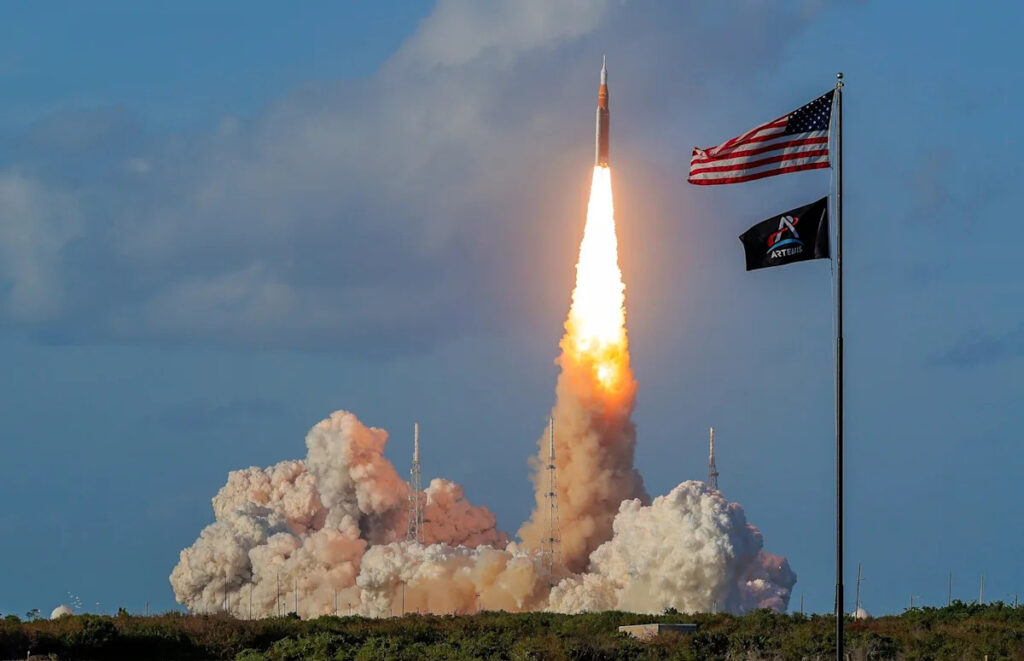
Brendan Mcdermid/Reuters – PHOTO: NASA’s Artemis II mission to fly by the moon, comprising of the Space Launch System rocket with the Orion crew capsule, lifts off from the Kennedy Space Center in Cape Canaveral, Florida, April 1, 2026.
Artemis III
Artemis III, scheduled for 2027, will launch the crew in the Orion spacecraft on top of the Space Launch System rocket, according to NASA.
Originally, Artemis III was planned to be a crewed trip to the lunar surface but Isaacman said in February the schedule had changed.
It came on the heels of a report from the Aerospace Safety Advisory Panel, which evaluates NASA’s safety performance and offers recommendations on improving said performance. The panel’s report deemed the previous Artemis III timeline as “high risk.”
Breaking down Artemis II moon mission terms, jargon and what they mean
The updated Artemis III mission will send the crew into Earth orbit and test rendezvous and docking capabilities between Orion and commercial spacecraft, which is necessary for landing astronauts on the moon, NASA said.
NASA says it will announce specific details on mission design and crew closer to the 2027 launch date.
Artemis IV
NASA is targeting early 2028 for Artemis IV, which would be the first crewed lunar landing since Apollo 17 in 1972.
After reaching lunar orbit, Orion will dock with a commercial lunar lander from either SpaceX or Blue Origin. Two astronauts will transfer to the lander, which will take them to the lunar surface, according to NASA.
The mission aims to land the crew in the lunar South Pole region, an area that has never been explored by humans.
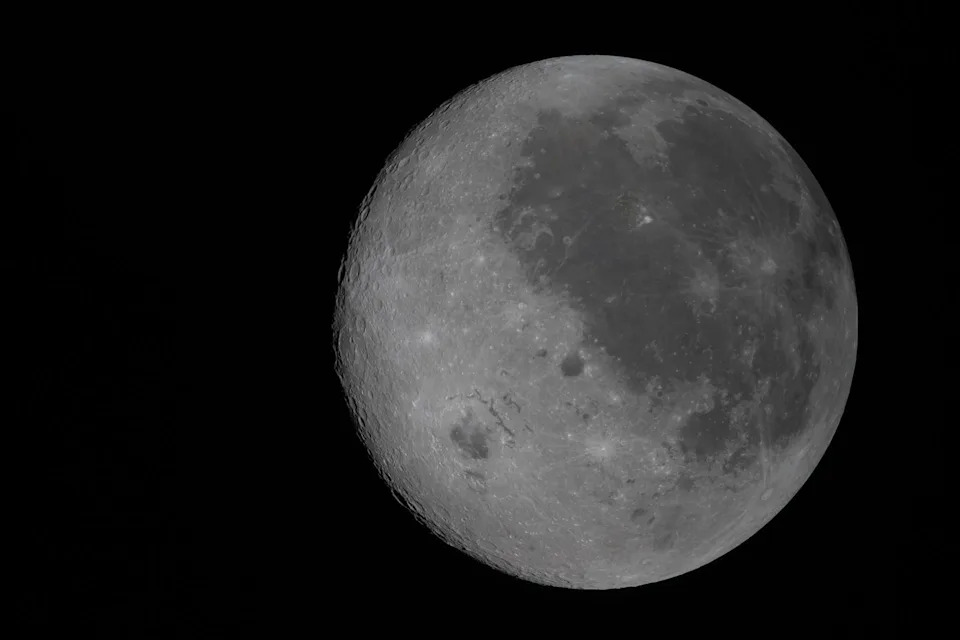
NASA – PHOTO: In this fully illuminated view of the Moon, the near side (the hemisphere we see from Earth), is visible on the right, April 6, 2026.
A significant amount of water is believed to be at the moon’s south pole, which could help support future exploration, NASA says.
Astronauts will then spend about a week near the South Pole making observations and collecting samples, which will “expand our understanding of our Solar System and home planet,” according to NASA.
Artemis V
Artemis V, scheduled for late 2028, will be the fourth crewed mission and second lunar landing. It is also expected to begin the efforts to build a permanent, sustainable moon base.
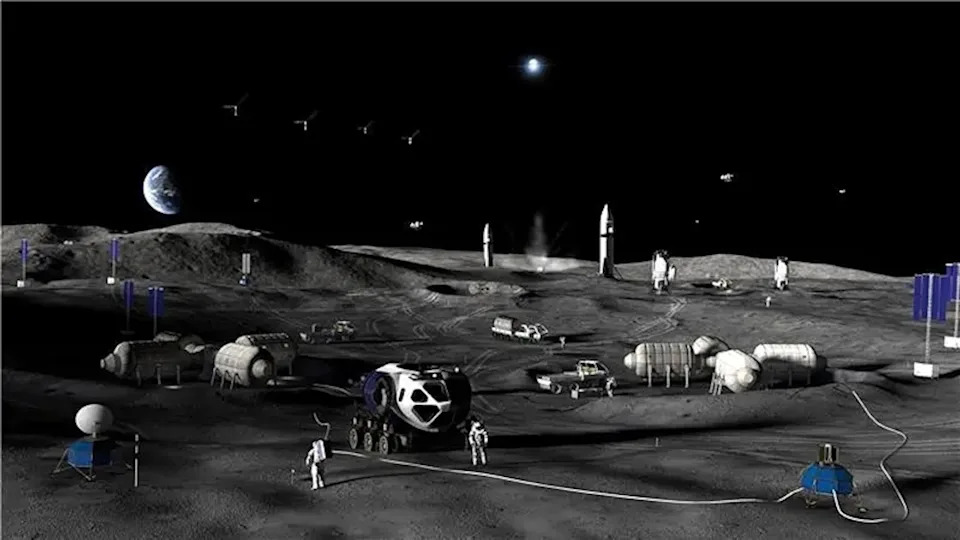
NASA – PHOTO: Artist’s concept of Phase 3 of NASA’s moon base.
Last month, NASA leaders presented an ambitious, $20 billion plan to return humans to the moon and build a permanent base.
After Artemis V, NASA hopes to land astronauts on the moon every six months with the assistance of commercial space companies, gradually building a base in which people can live and work long-term, Isaacman said at the time.