
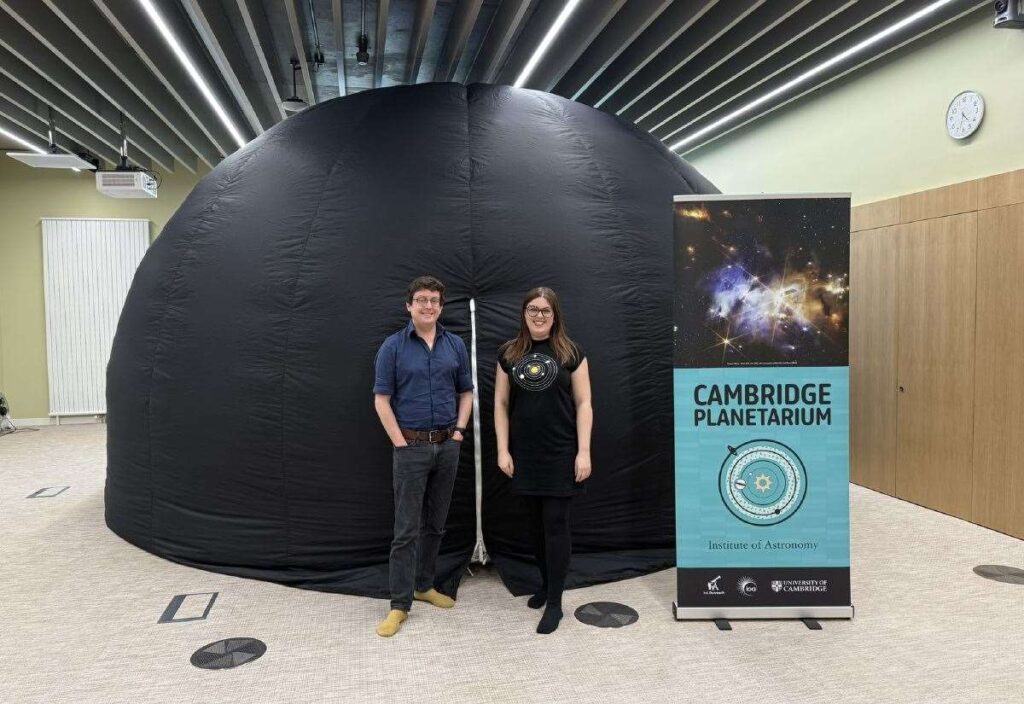
The University of Cambridge has unveiled a new ‘universe in a box’ planetarium that will transform how pupils across the East of England learn about space and the universe – and how the university supports teaching in schools.
The state-of-the-art planetarium is believed to be the first free portable resource of its kind in the region, and one of only a handful of free planetariums in the UK.

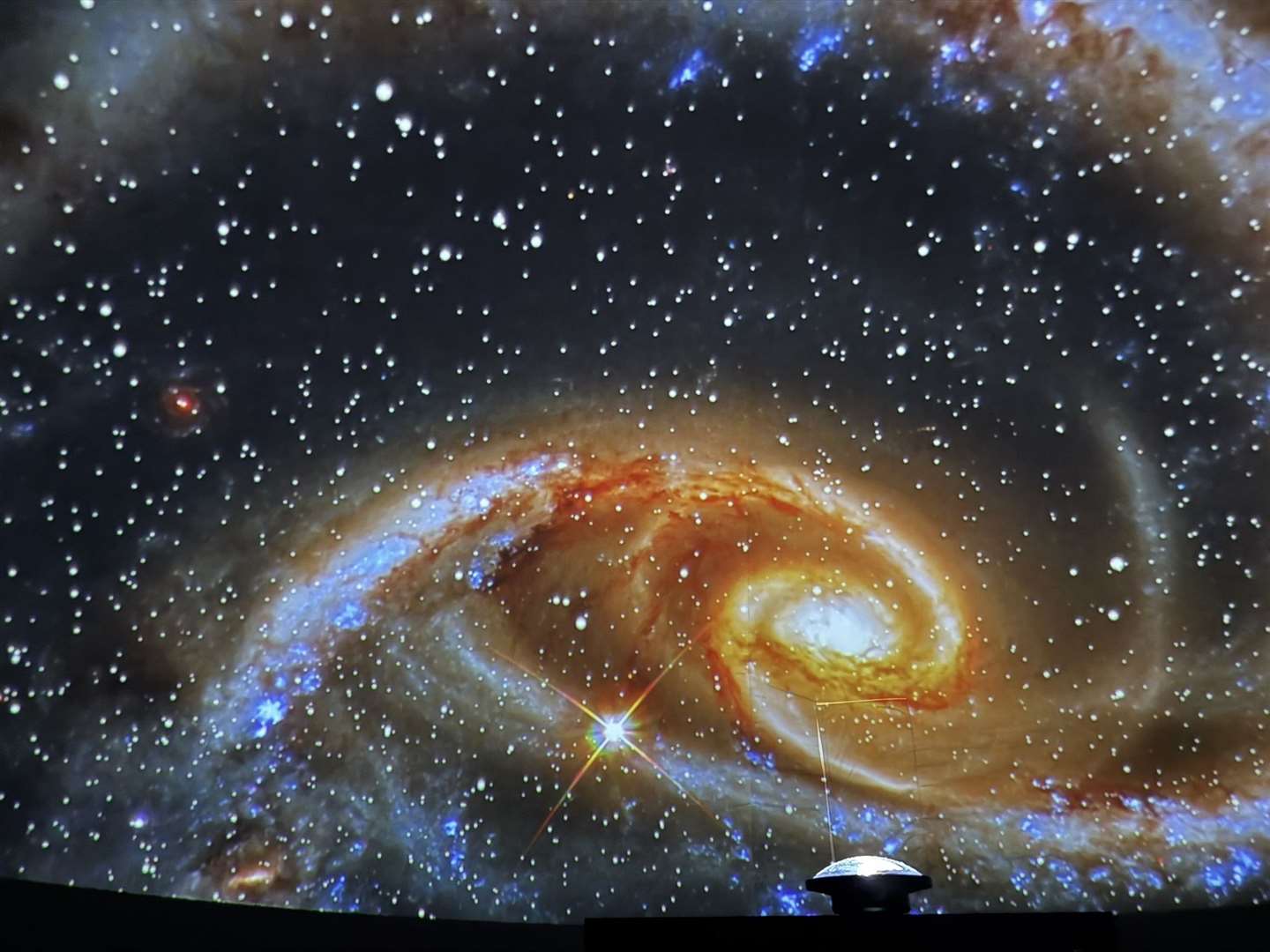 The University of Cambridge has launched a new ‘universe in a box’ planetarium
Powered by the most up-to-date technology available, the planetarium creates an immersive experience, with fully rendered 3D environments in space.
The custom-designed resource can hold an entire class of 30 pupils, and will support the work of the university’s Institute of Astronomy’s AstroEast schools outreach team.
The Institute says the new digital resource – which they have just taken delivery of – “will revolutionise how they inspire the next generation of scientists”.
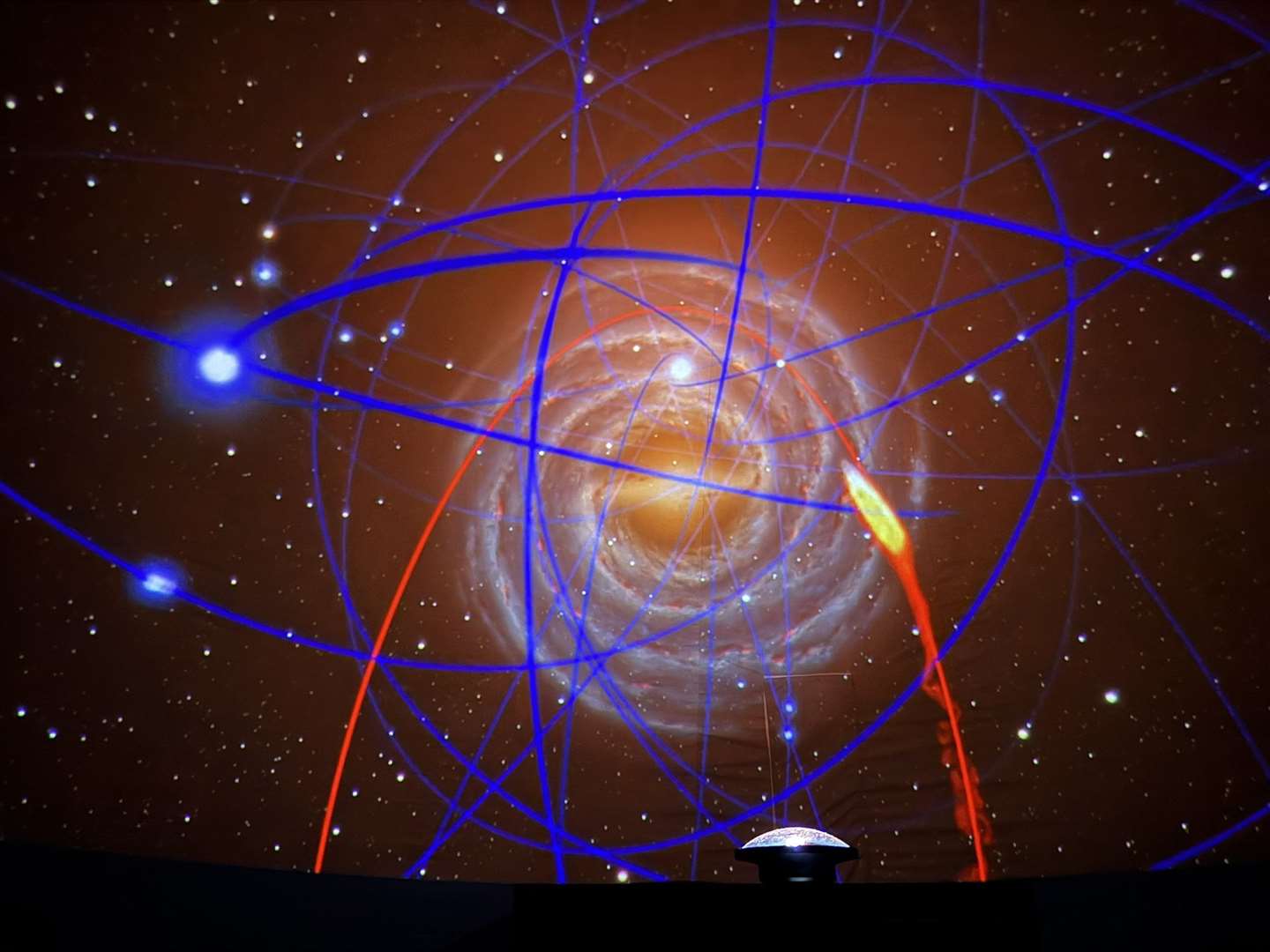 The University of Cambridge has launched a new ‘universe in a box’ planetarium
 The University of Cambridge has launched a new ‘universe in a box’ planetarium. Pictured is Jupiter
Dr Matt Bothwell, public astronomer at the University of Cambridge, said: “The planetarium will transform our work in schools – it’s an entirely different way of engaging with the universe.
“I’ve been doing this job for about 10 years, and up until now it hasn’t changed all that much in terms of how we try to capture kids’ imaginations.
“The planetarium is completely immersive, and you get a feel for space in a way that you just don’t get from listening to a talk, or even Googling it and seeing images on a computer screen.
“We can put pupils in the middle of space, in orbit around the Moon or a planet, or on a trip to neighbouring galaxies. Basically, we now have the universe in a box.”
AstroEast already provides curriculum-based workshops and activities at schools across the East of England, using astronomy to inspire Key Stage 3 (Years 7-9) pupils and improve numeracy and literacy.
But Dr Hannah Strathern, outreach facilitator at the Institute of Astronomy, says being able to offer schools the planetarium experience is a game-changer.
She said: “It will have such a huge impact on how we approach our outreach and work with schools, because we can take this amazing experience to them – and for free.
“And I’m sure it will be an experience that many children never forget, even more than just having an astronomer come in and talk to them – no matter how interesting the talk is!
“The planetarium is awe-inspiring, as soon as you go into it you feel this ‘whoosh’ as you’re transported into space.”
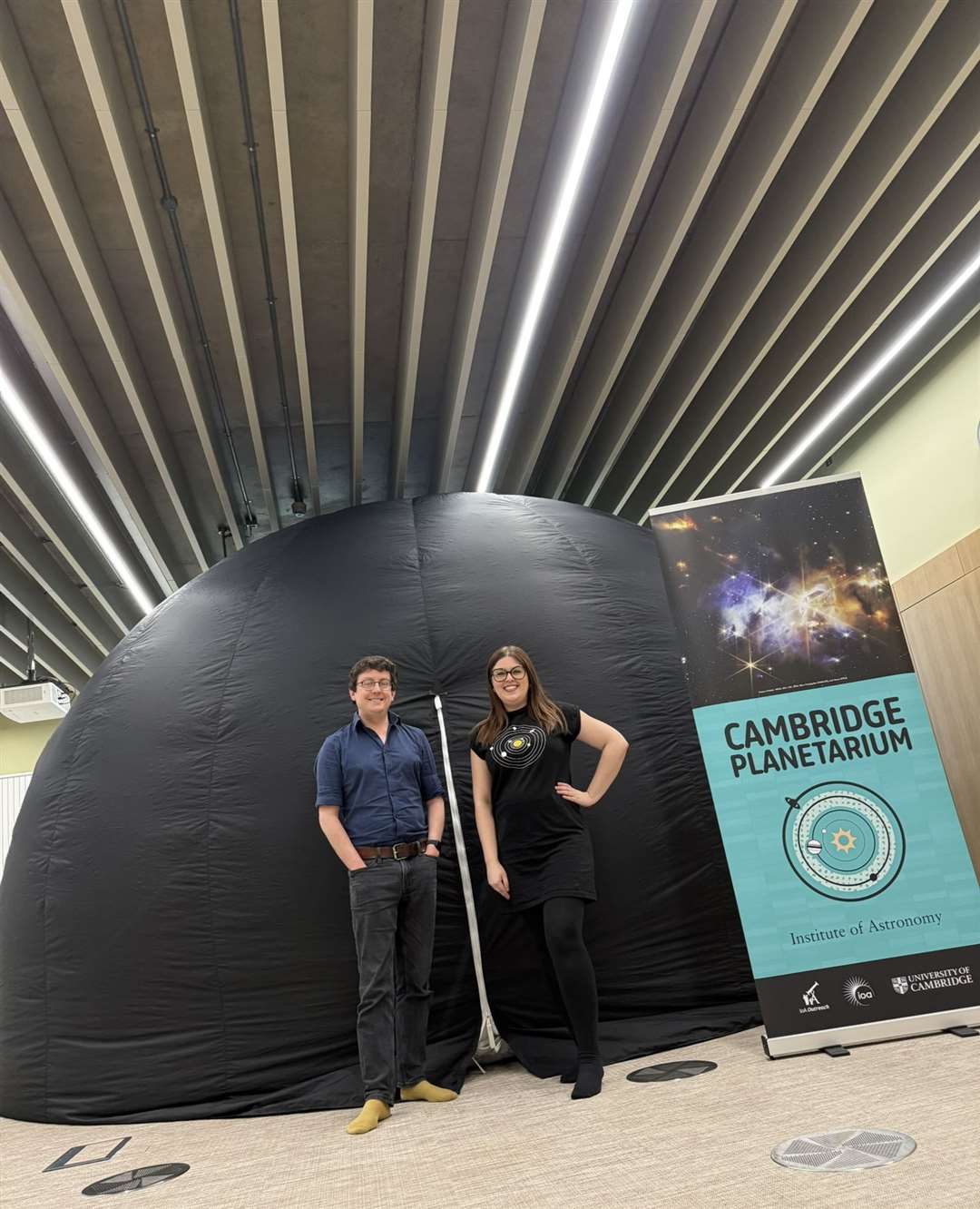 The University of Cambridge has launched a new ‘universe in a box’ planetarium. Pictured are Dr Matt Bothwell and Dr Hannah Strathern
Dr Bothwell added: “It’s something we’ve wanted for years. So many astronomers – and scientists more broadly – say that their first experience of science was the thing that made them fall in love with the subject, and quite often that is a planetarium. It makes science material, more visceral and real.
“Even as an astronomer, this is something entirely different. I’ve obviously spent a lot of time looking at the Moon through a telescope, but being about to travel to the Moon in 3D and fly over its mountains and valleys – rendered in extraordinary detail using images captured by NASA’s Lunar Orbiter programme – really is on another level.”
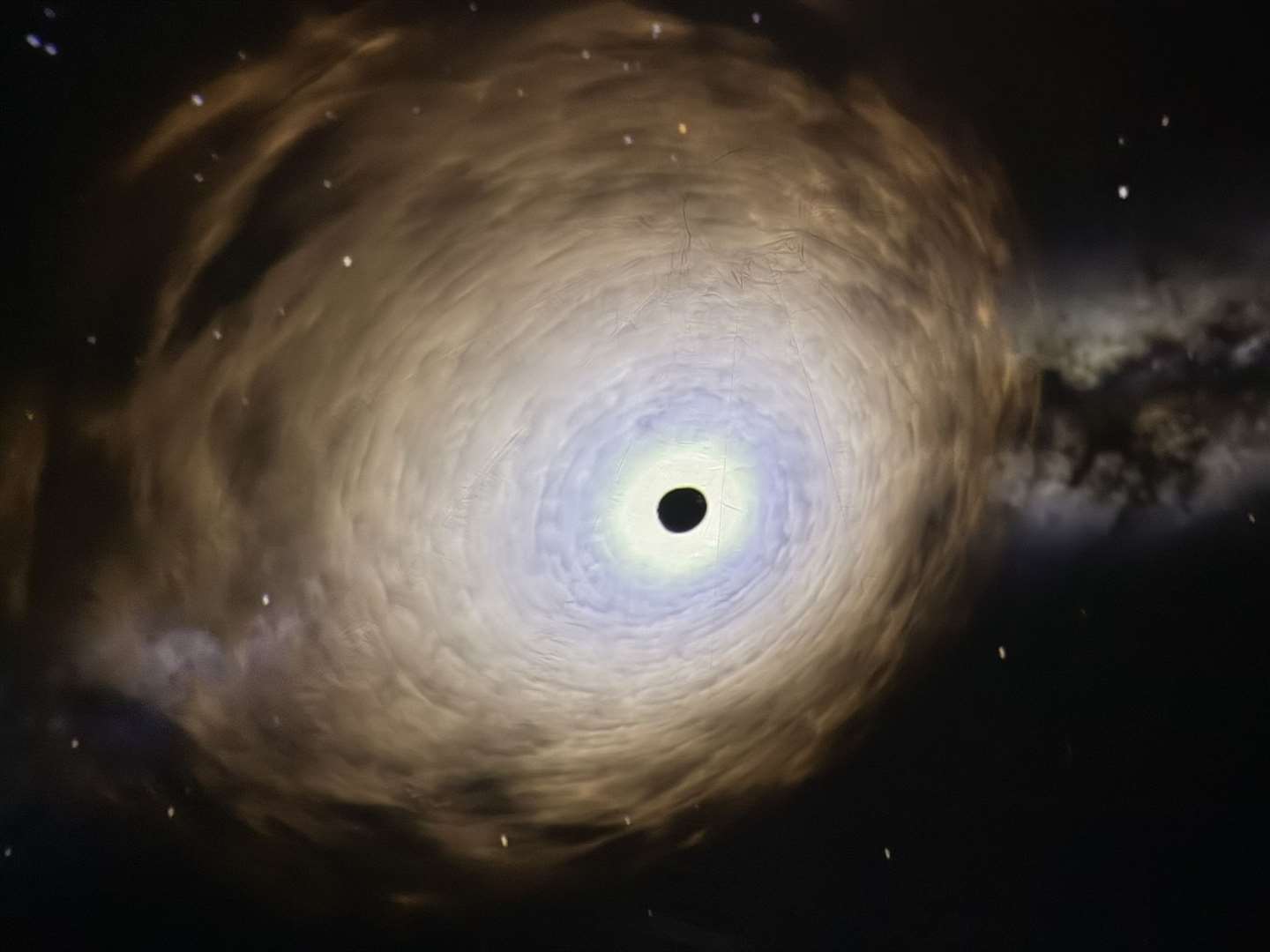 The University of Cambridge has launched a new ‘universe in a box’ planetarium
Special preview sessions of the university’s new planetarium, at the West Hub on 31 March and 1 April, were booked out within hours.
As well as its focus on school outreach, the Institute of Astronomy’s public engagement work includes public lectures and regular free stargazing evenings, which an estimated 100,000 members of the community have taken part in since they were launched in the 1990s.